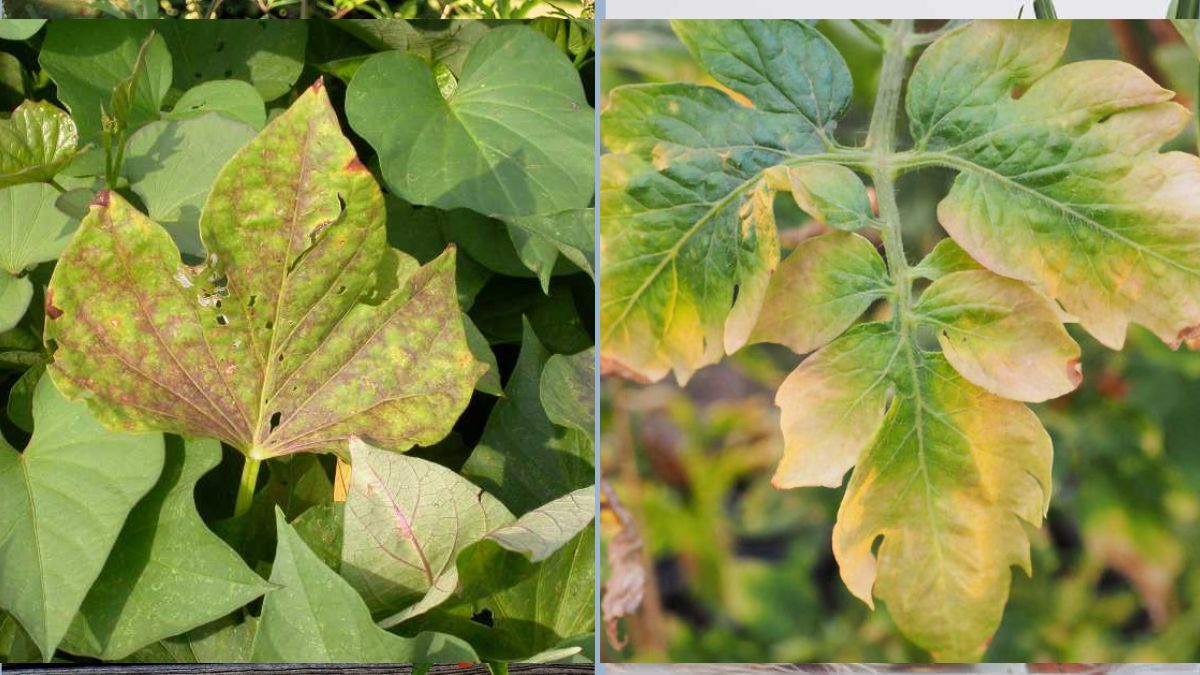
Growing healthy vegetables requires more than just water, sunlight, and good soil. Plants rely on a delicate balance of essential nutrients for growth, flowering, fruiting, and overall vitality. Nutrient deficiencies can significantly reduce yields, weaken plants, and make them more susceptible to pests and diseases. Early detection of deficiencies allows gardeners to correct imbalances before permanent damage occurs. This article explores the key signs of nutrient deficiencies in vegetables, their causes, and effective strategies to correct them.
1. Understanding Plant Nutrients
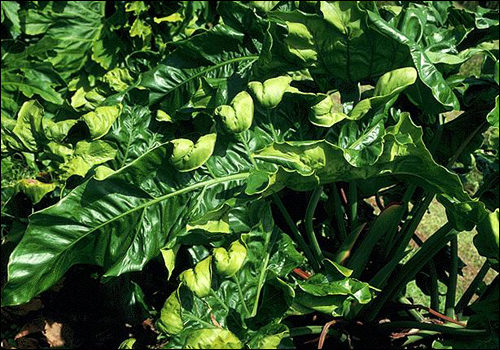
Vegetable plants require both macronutrients and micronutrients for optimal growth:
Macronutrients:
- Nitrogen (N): Promotes leafy growth and green coloration.
- Phosphorus (P): Supports root development, flowering, and fruit formation.
- Potassium (K): Enhances overall plant strength, disease resistance, and water regulation.
- Calcium (Ca): Strengthens cell walls and prevents blossom-end rot in fruits like tomatoes.
- Magnesium (Mg): Central component of chlorophyll, essential for photosynthesis.
- Sulfur (S): Helps in protein synthesis and enzyme function.
Micronutrients: Required in smaller quantities but equally essential:
- Iron (Fe), Manganese (Mn), Zinc (Zn), Copper (Cu), Boron (B), Molybdenum (Mo), and Chlorine (Cl).
Understanding these nutrients and their roles provides a foundation for identifying deficiencies.
2. General Signs of Nutrient Deficiencies
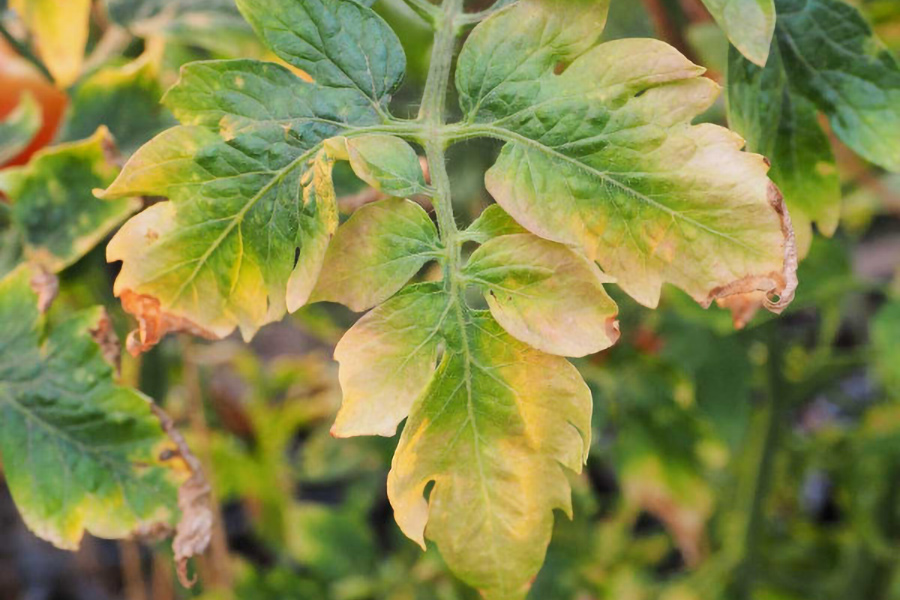
Certain visual symptoms are common indicators of nutrient deficiencies:
- Yellowing leaves (chlorosis): Often a sign of nitrogen, iron, or magnesium deficiency.
- Stunted growth: May indicate lack of nitrogen, phosphorus, or potassium.
- Leaf curling or distortion: Could result from calcium or boron deficiency.
- Purple or reddish coloration: Often a sign of phosphorus deficiency.
- Necrotic spots or leaf tip burn: Can indicate potassium or micronutrient shortages.
Recognizing these early signs allows gardeners to address deficiencies before irreversible damage occurs.
3. Nitrogen Deficiency
Nitrogen is vital for producing chlorophyll and promoting leafy growth.
Symptoms:
- Older leaves turn pale green or yellow first.
- Slow growth and reduced vigor.
- Leaf drop in severe cases.
Causes:
- Nitrogen-poor soil or excessive leaching due to heavy watering.
Correction:
- Apply compost, well-rotted manure, or nitrogen-rich organic fertilizers.
- Side-dress vegetables with diluted liquid seaweed or fish emulsion for rapid recovery.
4. Phosphorus Deficiency
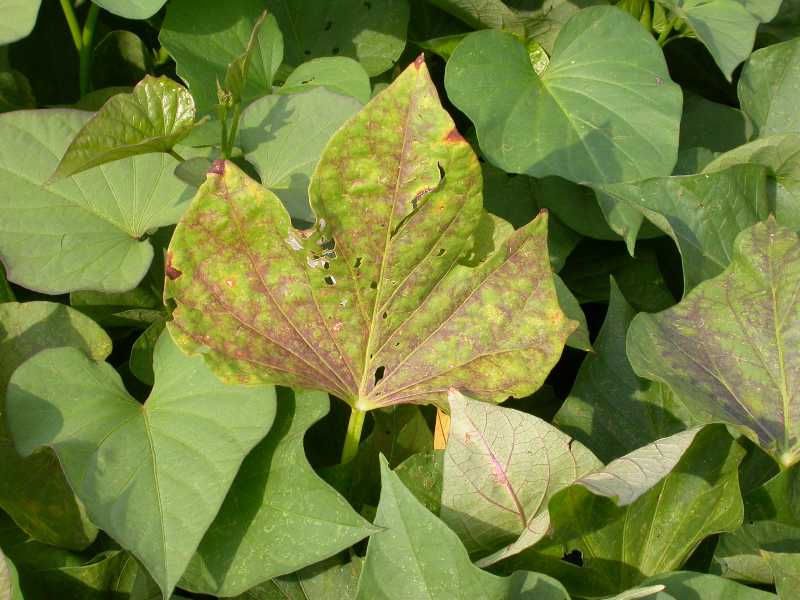
Phosphorus supports root development and energy transfer within the plant.
Symptoms:
- Dark green foliage with purple or reddish tints, especially on older leaves.
- Delayed flowering and fruiting.
- Weak root systems.
Causes:
- Cool or acidic soils can reduce phosphorus availability.
Correction:
- Use bone meal, rock phosphate, or compost to boost phosphorus levels.
- Ensure soil pH is near neutral (6.0–7.0) to improve phosphorus absorption.
5. Potassium Deficiency
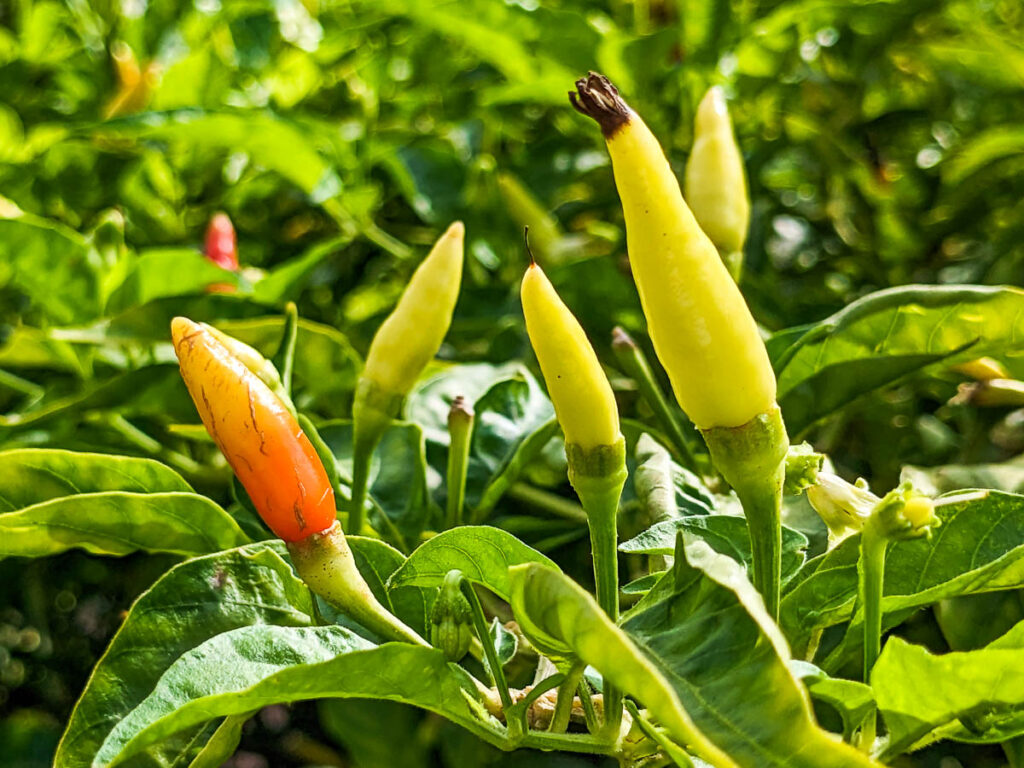
Potassium enhances overall plant strength, drought tolerance, and disease resistance.
Symptoms:
- Leaf edges turn yellow or brown (marginal chlorosis).
- Older leaves develop necrotic spots.
- Weak stems and reduced flowering or fruit quality.
Causes:
- Sandy soils prone to leaching or imbalanced fertilization.
Correction:
- Apply organic sources like wood ash, kelp meal, or composted banana peels.
- Mulching can help retain potassium in the soil.
6. Calcium Deficiency
Calcium is crucial for cell wall integrity and root development.
Symptoms:
- New leaves are distorted or curling.
- Blossom-end rot in tomatoes, peppers, and eggplants.
- Stunted root growth.
Causes:
- Rapid growth, uneven watering, or acidic soils.
Correction:
- Apply lime, gypsum, or crushed eggshells to soil.
- Foliar sprays of calcium solutions can provide temporary relief for fruiting vegetables.
7. Magnesium Deficiency
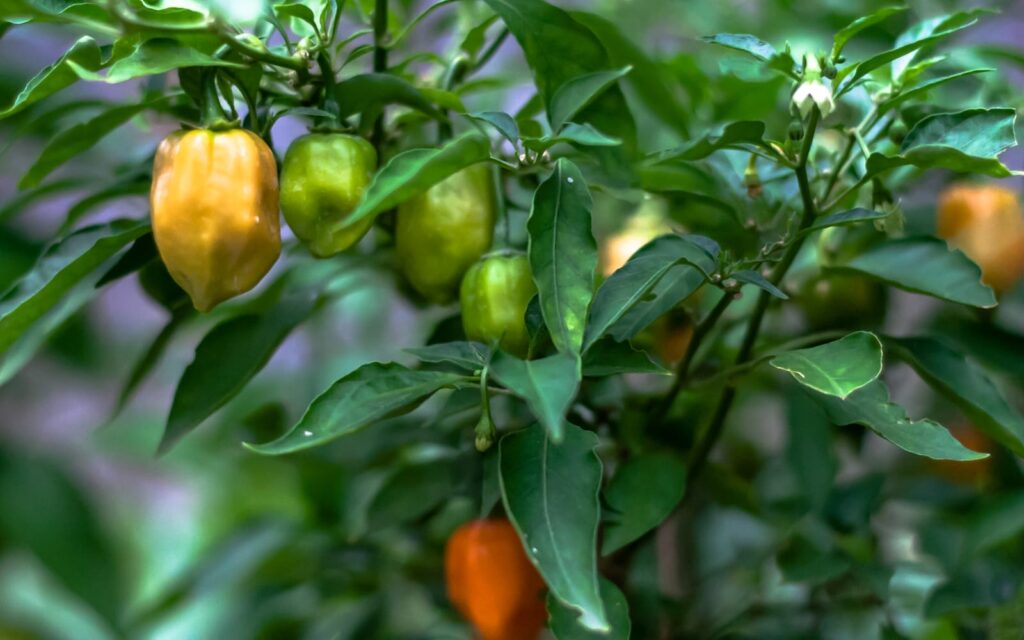
Magnesium is a core component of chlorophyll and essential for photosynthesis.
Symptoms:
- Interveinal chlorosis: yellowing between leaf veins while veins remain green.
- Older leaves show symptoms first.
- Leaf curling in severe cases.
Causes:
- Acidic soils or over-fertilization with potassium.
Correction:
- Use Epsom salts (magnesium sulfate) dissolved in water for quick foliar application.
- Incorporate dolomitic lime into the soil for long-term correction.
8. Sulfur Deficiency
Sulfur aids in protein synthesis and enzyme function.
Symptoms:
- Overall yellowing of younger leaves.
- Stunted growth and delayed maturity.
Causes:
- Low organic matter in soil.
Correction:
- Apply elemental sulfur, composted manure, or sulfur-containing fertilizers.
- Foliar sprays with diluted sulfate solutions can provide fast relief.
9. Micronutrient Deficiencies
Although needed in smaller quantities, deficiencies in micronutrients can seriously impact vegetable health:
- Iron (Fe): Interveinal chlorosis in young leaves. Treated with iron chelates or foliar sprays.
- Zinc (Zn): Small leaves, shortened internodes, and leaf deformation. Corrected with zinc sulfate.
- Boron (B): Deformed growing tips, hollow stems, and poor flowering. Treated with borax or boron-enriched compost.
- Manganese (Mn): Interveinal chlorosis with brown spots on young leaves. Foliar sprays or manganese-rich soil amendments help.
- Copper (Cu): Dark green foliage with twisted or dieback tips. Correct with copper sulfate applications.
Monitoring micronutrients is especially important in container gardening, where soil volume is limited.
10. Soil Testing and Observation
A key step in preventing and correcting deficiencies is regular soil testing:
- pH Testing: Nutrient availability depends heavily on soil pH. Most vegetables prefer a pH of 6.0–7.0.
- Nutrient Analysis: Soil test kits or professional labs provide information on macro and micronutrient levels.
- Visual Observation: Regularly check leaves for discoloration, spots, or abnormal growth patterns.
Combining observation with testing ensures precise, efficient nutrient management.
11. Preventive Practices
Prevention is always better than correction. The following strategies help minimize nutrient deficiencies:
- Organic Matter Addition: Regularly add compost, leaf mold, or manure to enrich the soil.
- Crop Rotation: Prevents nutrient depletion and reduces disease pressure.
- Mulching: Conserves moisture and slowly releases nutrients into the soil.
- Balanced Fertilization: Use slow-release organic fertilizers tailored to vegetable needs.
- Companion Planting: Certain plants improve nutrient availability for neighbors (e.g., legumes fix nitrogen).
12. Foliar Feeding for Quick Recovery
Foliar feeding is an effective method to supply nutrients rapidly:
- Apply a diluted solution of water-soluble nutrients directly to leaves.
- Especially useful for micronutrients like iron, zinc, and magnesium.
- Avoid applying in direct sunlight to prevent leaf burn.
This method is ideal for stressed vegetables showing early deficiency symptoms.
13. Observing Recovery
Once deficiencies are corrected:
- New leaf growth is usually the first sign of improvement.
- Gradual improvement in color and vigor indicates effective correction.
- Continued monitoring ensures deficiencies do not recur.
Recovery may take days to weeks depending on the severity and nutrient applied.
14. Common Mistakes to Avoid
- Over-fertilizing, which can cause nutrient toxicity.
- Ignoring pH imbalances that prevent nutrient absorption.
- Focusing only on visual symptoms without testing soil.
- Delaying corrective measures, leading to irreversible damage.
Awareness and timely action are key to maintaining healthy vegetables.
15. Conclusion
Spotting nutrient deficiencies in vegetables requires careful observation, knowledge of symptoms, and understanding of plant nutrition. Early identification allows gardeners to intervene with organic amendments, foliar feeding, and proper soil management. By monitoring visual cues, conducting regular soil tests, and following preventive practices such as crop rotation, mulching, and organic fertilization, gardeners can maintain robust, high-yielding vegetable crops.
Healthy, nutrient-rich vegetables are the foundation of a productive garden. Awareness of deficiencies and proactive correction not only ensures plant vitality but also enhances the nutritional quality and flavor of the harvest. With patience, careful observation, and consistent care, nutrient deficiencies in vegetables can be effectively managed, leading to thriving gardens and abundant harvests year-round.