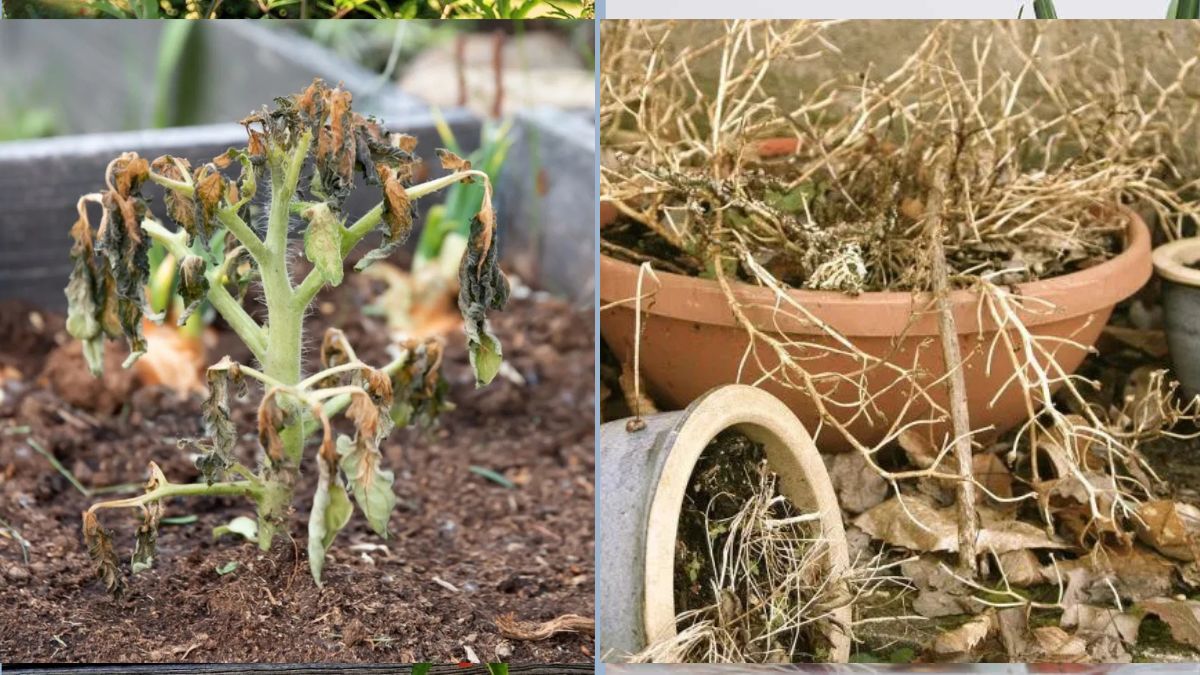
Plants are highly sensitive to temperature extremes, and prolonged exposure to excessive heat can cause significant stress. Heat stress not only affects growth and development but can also damage leaves, stems, flowers, and fruits. Gardeners, farmers, and horticulturists frequently encounter heat stress, especially in regions experiencing rising temperatures and prolonged sunny periods. Fortunately, with prompt and careful interventions, plants can often recover from heat stress. This article explores the causes, symptoms, and step-by-step strategies to rescue plants damaged by high temperatures, ensuring healthier growth and increased resilience.
1. Understanding Heat Stress in Plants
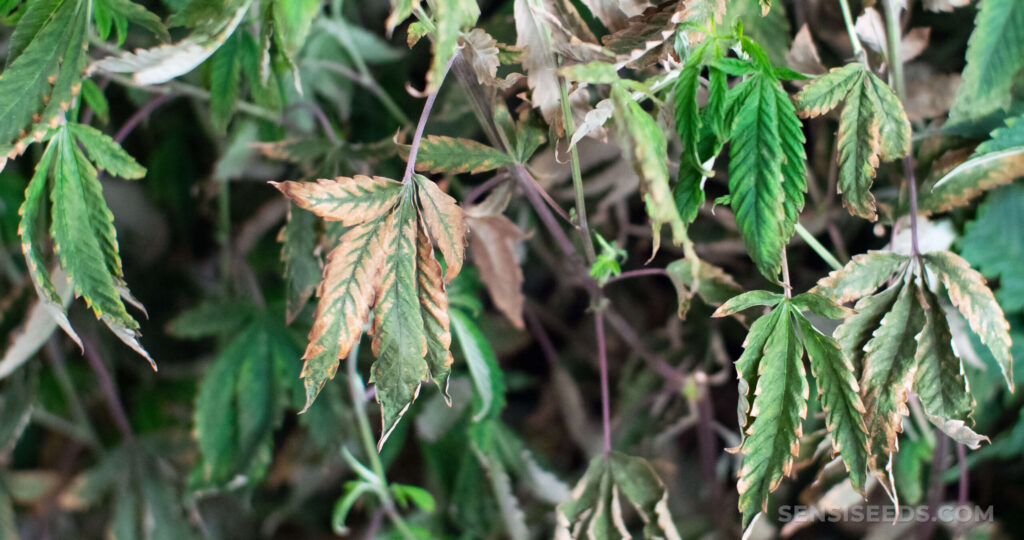
Heat stress occurs when plants are exposed to temperatures beyond their optimal range, affecting physiological and biochemical processes. Key effects include:
- Reduced photosynthesis: High temperatures disrupt chlorophyll and hinder energy production.
- Transpiration imbalance: Excessive heat accelerates water loss, leading to dehydration.
- Protein denaturation: Enzymes essential for growth can become damaged.
- Membrane damage: Heat can affect cell membrane integrity, causing leaf wilting and scorching.
Recognizing the mechanisms of heat stress is crucial for effective recovery.
2. Identifying Symptoms of Heat-Stressed Plants
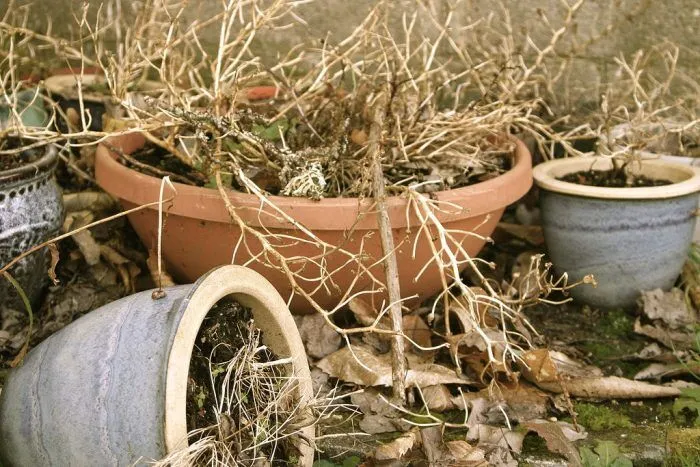
Early detection allows timely intervention. Common signs include:
- Leaf wilting or curling: Leaves lose turgor as water evaporates faster than it can be absorbed.
- Leaf scorch or browning: Edges or tips may turn brown or yellow.
- Reduced growth: Stunted or slow growth due to energy redirection toward survival.
- Flower and fruit drop: Heat can cause premature shedding of reproductive structures.
- Leaf yellowing: Chlorosis may result from disrupted photosynthesis.
- Soft or weak stems: High temperatures may impair structural integrity.
Monitoring plants for these signs is essential during hot weather.
3. Immediate Actions to Cool Plants
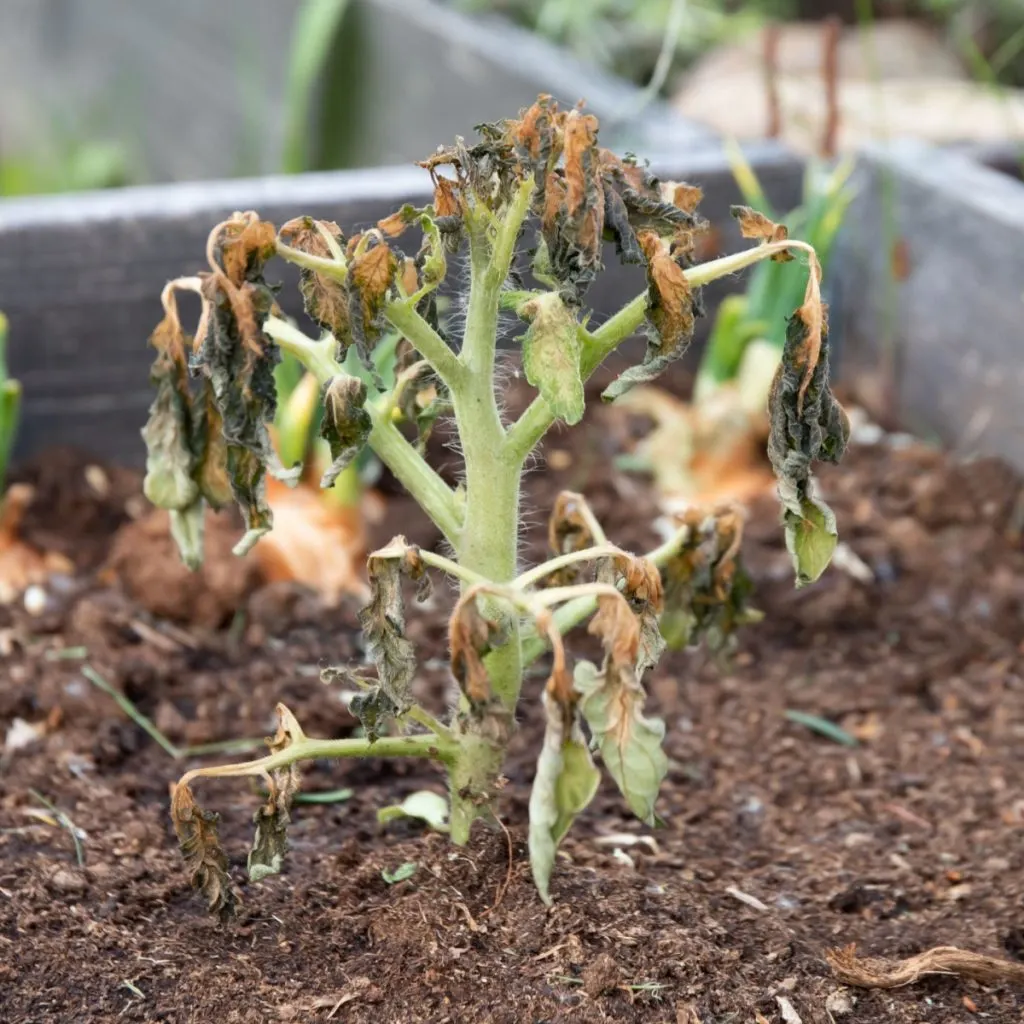
Step 1: Reduce Heat Exposure
- Shade: Use shade cloth, garden netting, or temporary covers to protect plants from direct sunlight.
- Move Potted Plants: Relocate container plants to shaded or cooler areas, such as under trees or covered patios.
- Mulching: Apply organic mulch like straw, shredded leaves, or bark to reduce soil temperature and retain moisture.
Step 2: Watering Adjustments
- Water early in the morning or late in the evening to minimize evaporation.
- Provide deep, slow watering rather than frequent shallow watering to ensure roots absorb moisture effectively.
- Avoid wetting leaves during peak sun hours, as this can lead to leaf burn.
4. Enhancing Root Recovery
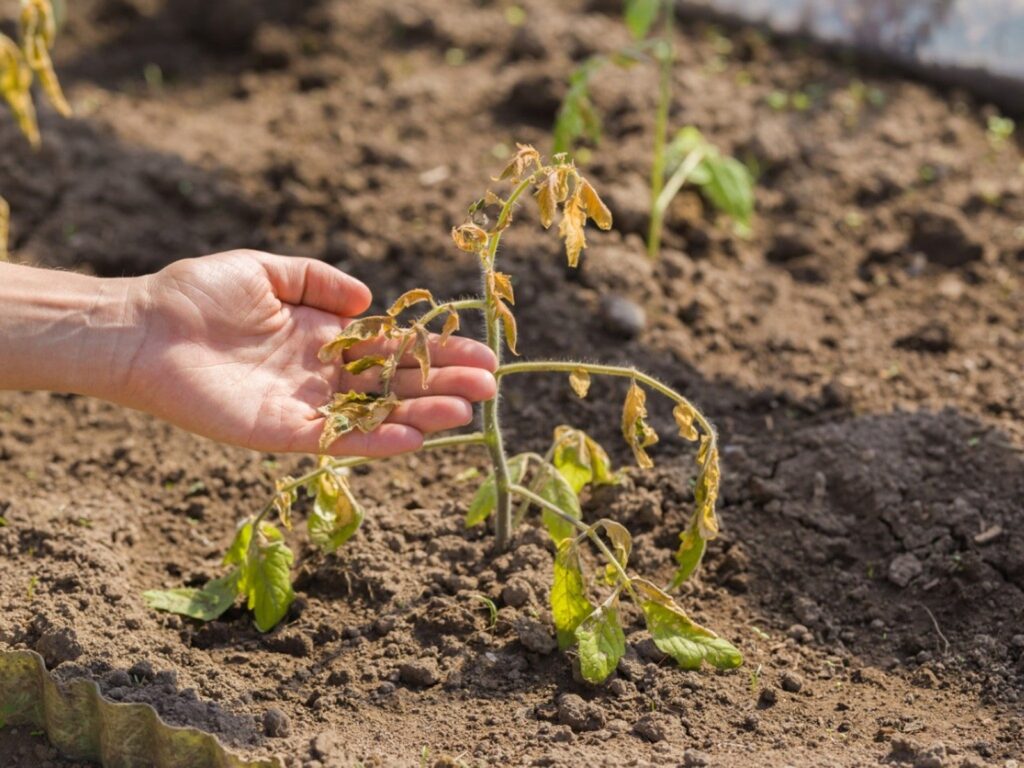
Roots are the first system affected by heat stress:
- Check Soil Moisture: Ensure soil is evenly moist but not waterlogged. Overwatering can worsen stress by reducing oxygen availability.
- Aerate Soil: Gently loosen compacted soil to improve oxygen and water absorption.
- Supplement Nutrients: Apply balanced organic fertilizers to support root recovery, particularly phosphorus and potassium for energy transfer and water regulation.
Healthy roots are critical for overall plant recovery and resilience.
5. Leaf and Stem Care
Heat stress can cause immediate leaf and stem damage:
- Pruning Damaged Foliage: Remove scorched or wilted leaves to redirect energy toward healthy tissues. Avoid excessive pruning, which can further stress the plant.
- Leaf Cooling: Lightly mist leaves with water in shaded areas to reduce leaf temperature. Avoid prolonged wetness to prevent fungal growth.
- Support Weak Stems: Stake or tie stems that may bend or collapse due to weakened tissues.
Taking care of above-ground tissues ensures continued photosynthesis and structural stability.
6. Nutritional Support for Recovery
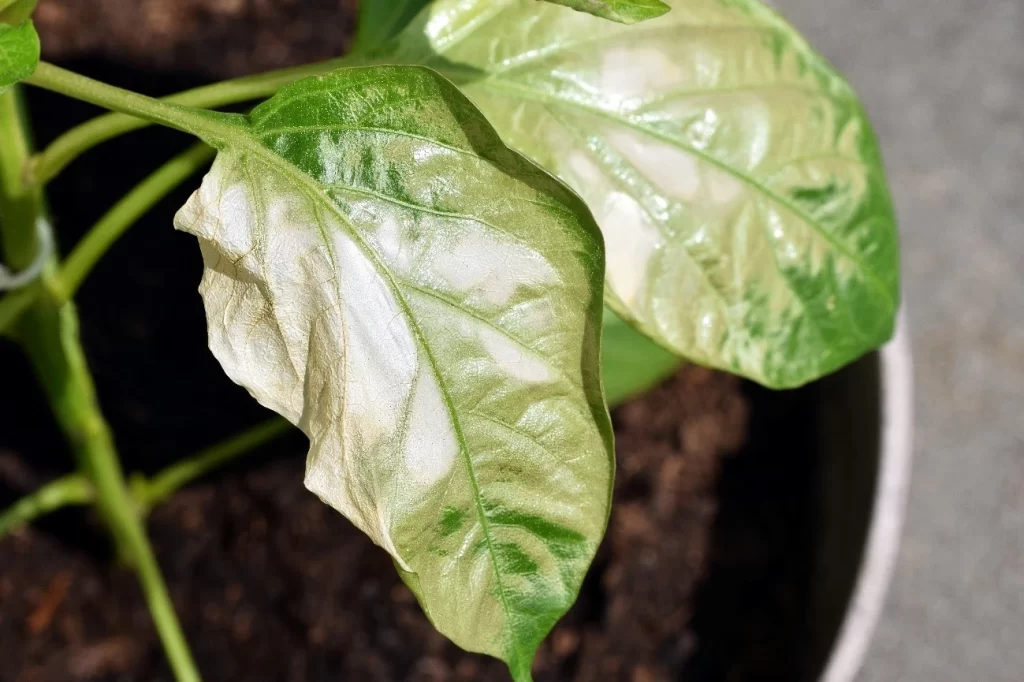
Balanced nutrition accelerates heat recovery:
- Potassium: Enhances water regulation, strengthening leaves and stems. Organic sources include banana peels, wood ash, or composted plant material.
- Calcium: Supports cell wall integrity, helping leaves and stems resist wilting. Crushed eggshells or gypsum are excellent sources.
- Magnesium: Essential for chlorophyll formation, improving photosynthetic efficiency. Dolomitic lime or Epsom salts can supplement magnesium.
- Micronutrients: Iron, zinc, and boron contribute to enzymatic processes and recovery. Foliar sprays or soil amendments with these elements may be applied cautiously.
Proper nutrition helps stressed plants regain vigor and resist future heat episodes.
7. Encouraging Transpiration and Cooling
Plants naturally cool themselves through transpiration, but extreme heat can impair this process:
- Wind Circulation: Provide gentle airflow with fans indoors or spacing outdoors to enhance transpiration and cooling.
- Humidity Management: Maintain moderate humidity levels; overly dry conditions can exacerbate stress, while high humidity may encourage disease.
- Leaf Orientation: Avoid unnecessary leaf damage; healthy leaves maximize cooling through transpiration.
Optimizing natural cooling mechanisms aids in faster recovery.
8. Using Protective Structures
Gardeners can proactively protect plants during heat waves:
- Shade Cloths and Row Covers: Reduce light intensity by 30–50% to prevent leaf scorch and fruit drop.
- Reflective Mulches: Silver or white mulches reflect heat away from soil and plant bases.
- Temporary Greenhouses or Tunnels: Provide shelter during extreme temperature spikes while allowing airflow.
Protective structures reduce heat load and support recovery without chemical intervention.
9. Post-Stress Care and Monitoring
Once immediate heat stress is mitigated, ongoing care is essential:
- Gradual Recovery: Avoid sudden exposure to full sunlight after shade; gradually acclimate plants to higher temperatures.
- Regular Monitoring: Check leaves, stems, and soil moisture daily for signs of lingering stress.
- Pest and Disease Control: Heat-stressed plants are more vulnerable; inspect for aphids, mites, or fungal infections. Use organic control measures such as neem oil or insecticidal soap if necessary.
- Continued Mulching and Watering: Maintain soil temperature and moisture balance for several weeks until the plant stabilizes.
Consistent care ensures that stressed plants regain normal growth patterns.
10. Long-Term Strategies to Prevent Heat Damage
Prevention is more effective than rescue. Consider the following:
- Select Heat-Tolerant Varieties: Many vegetable and ornamental plants are bred to withstand high temperatures.
- Adjust Planting Schedules: Early planting in spring or late planting in summer can avoid peak heat.
- Optimize Spacing: Proper spacing reduces heat accumulation and improves airflow.
- Soil Management: Organic matter improves water retention and moderates soil temperature.
- Integrated Mulching Practices: Mulching consistently reduces stress during sudden heat spikes.
Adopting these strategies reduces the likelihood of future heat stress events.
11. Using Foliar Sprays for Quick Relief
Foliar sprays can provide immediate support:
- Seaweed Extracts: Enhance plant vigor and tolerance to stress.
- Diluted Compost Tea: Supplies nutrients for quick uptake and recovery.
- Aloe or Plant-Based Solutions: Light sprays can reduce leaf temperature and support hydration.
Apply foliar sprays in shaded conditions to prevent leaf burn and maximize effectiveness.
12. Soil and Root Zone Cooling Techniques
Cooling the root zone improves plant survival during extreme heat:
- Mulch Layers: Thick mulch buffers soil temperature and reduces water loss.
- Drip Irrigation: Targeted watering keeps soil cool without saturating foliage.
- Shade Over Soil: Small covers or organic debris can prevent root overheating.
Maintaining optimal root zone conditions enhances water and nutrient uptake.
13. Recognizing Irrecoverable Damage
Some heat-damaged plants may not recover:
- Completely scorched leaves or stems
- Roots that are brown, dry, or mushy
- Lack of new growth after two weeks of care
For such plants, propagation from healthy cuttings or seeds may be necessary to restore productivity.
14. Monitoring and Documentation
Keeping records helps manage future heat events:
- Note dates and duration of heat stress.
- Record plant responses to interventions.
- Adjust watering, shading, and fertilization schedules based on observed results.
Documentation improves preparedness and resilience in subsequent growing seasons.
15. Conclusion
Heat stress is a common yet manageable challenge for gardeners and farmers. Recognizing symptoms early, providing immediate cooling, adjusting watering and nutrition, and supporting plant structures are essential steps for recovery. Long-term prevention strategies, such as selecting heat-tolerant varieties, optimizing planting schedules, and implementing soil and microclimate management, reduce the risk of damage in the future.
By understanding the physiological impact of heat on plants and applying thoughtful interventions, gardeners can rescue stressed plants and restore healthy growth. Strong, resilient plants are better equipped to thrive under high temperatures, ensuring sustained productivity, vibrant foliage, and abundant yields even in challenging environmental conditions.