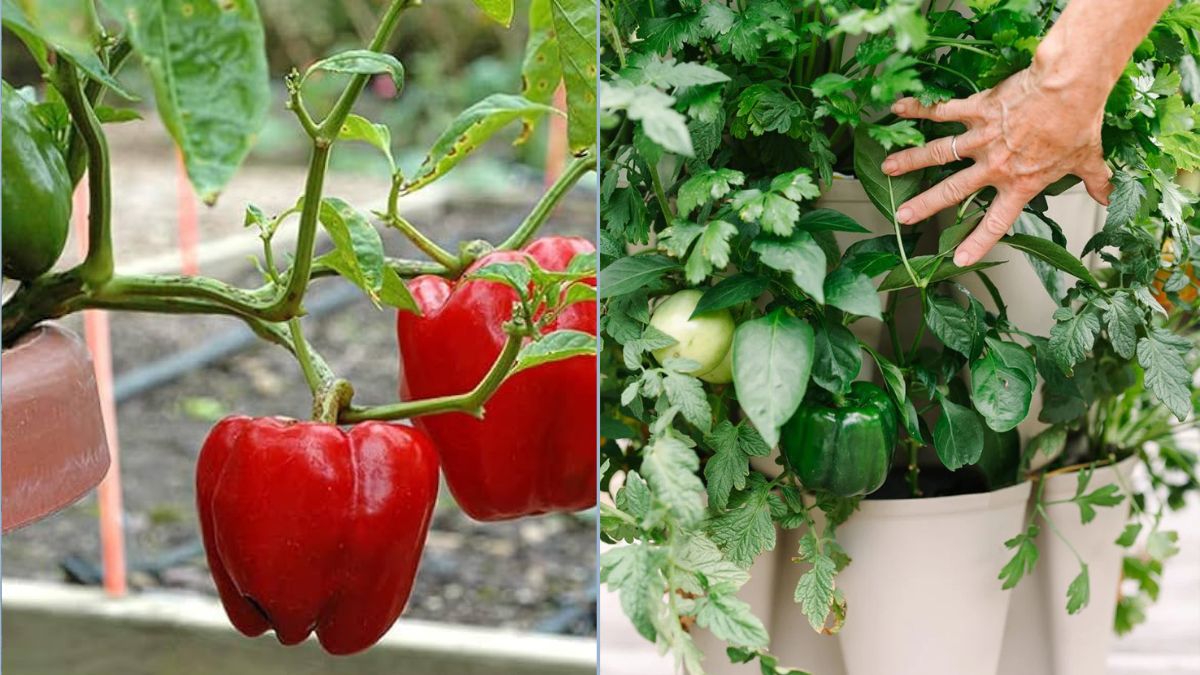
Growing bell peppers in limited spaces has become an increasingly practical solution for urban gardeners, apartment dwellers, and individuals with small balconies or patios. With the right growing techniques, thoughtful container selection, and proper care, bell peppers can thrive even in areas where ground space is scarce. This article provides a comprehensive, research-backed, and practical guide to cultivating bell peppers in compact environments without the use of non-vegetarian fertilizers or inputs.
1. Understanding Bell Pepper Requirements
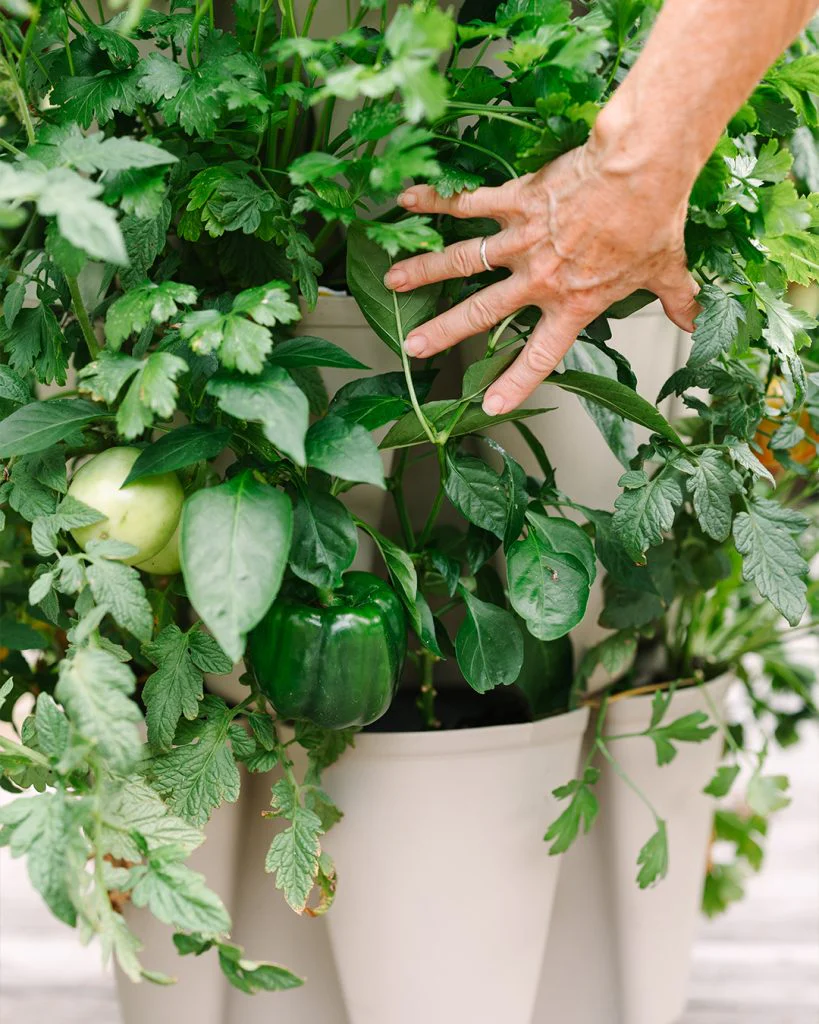
Bell peppers (Capsicum annuum) are warm-season vegetables known for their vibrant colors and versatility. Unlike plants that demand deep root systems or extensive ground space, bell peppers adapt well to containers and vertical setups if their basic needs are met.
Essential growth conditions include:
- Temperature: 21–30°C (70–86°F)
- Sunlight: 6–8 hours of direct sun
- Watering: Consistent moisture without waterlogging
- Soil pH: 6.0–6.5
- Growing Period: 60–90 days depending on variety
Understanding these requirements forms the foundation for successful small-space cultivation.
2. Selecting the Right Bell Pepper Varieties
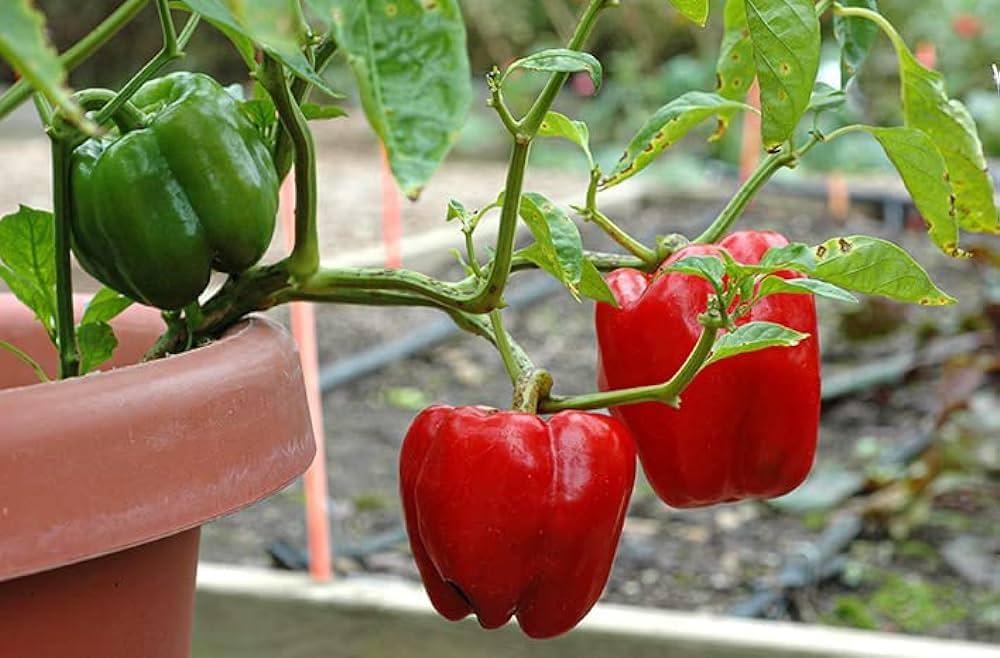
Compact or dwarf pepper varieties are ideal for confined environments. Varieties with shorter stems, sturdy growth habits, and smaller fruiting structures adapt best to containers.
Recommended varieties for limited spaces:
- Mini Belle Series: Compact and colorful
- California Wonder (dwarf version): High yield in small pots
- Gypsy and Sweet Sunrise: Great for balconies
- Redskin and Mohawk: Bred specifically for containers
- Canary Bell: Small plant with bright yellow fruits
Choosing hybrid or disease-resistant varieties can further enhance success rates.
3. Choosing the Right Containers
Container selection significantly affects plant health and productivity. Bell peppers do not require deep roots but need adequate width and drainage.
Ideal container specifications:
- Size: Minimum 3–5 gallons (12–20 liters)
- Material: Fabric grow bags, clay pots, ceramic containers, or BPA-free plastic pots
- Drainage: At least 4–6 holes to prevent water stagnation
- Color: Light-colored containers help reduce heat stress
Self-watering containers or vertical pots are excellent options for balconies or indoor setups.
4. Soil and Growing Medium Composition
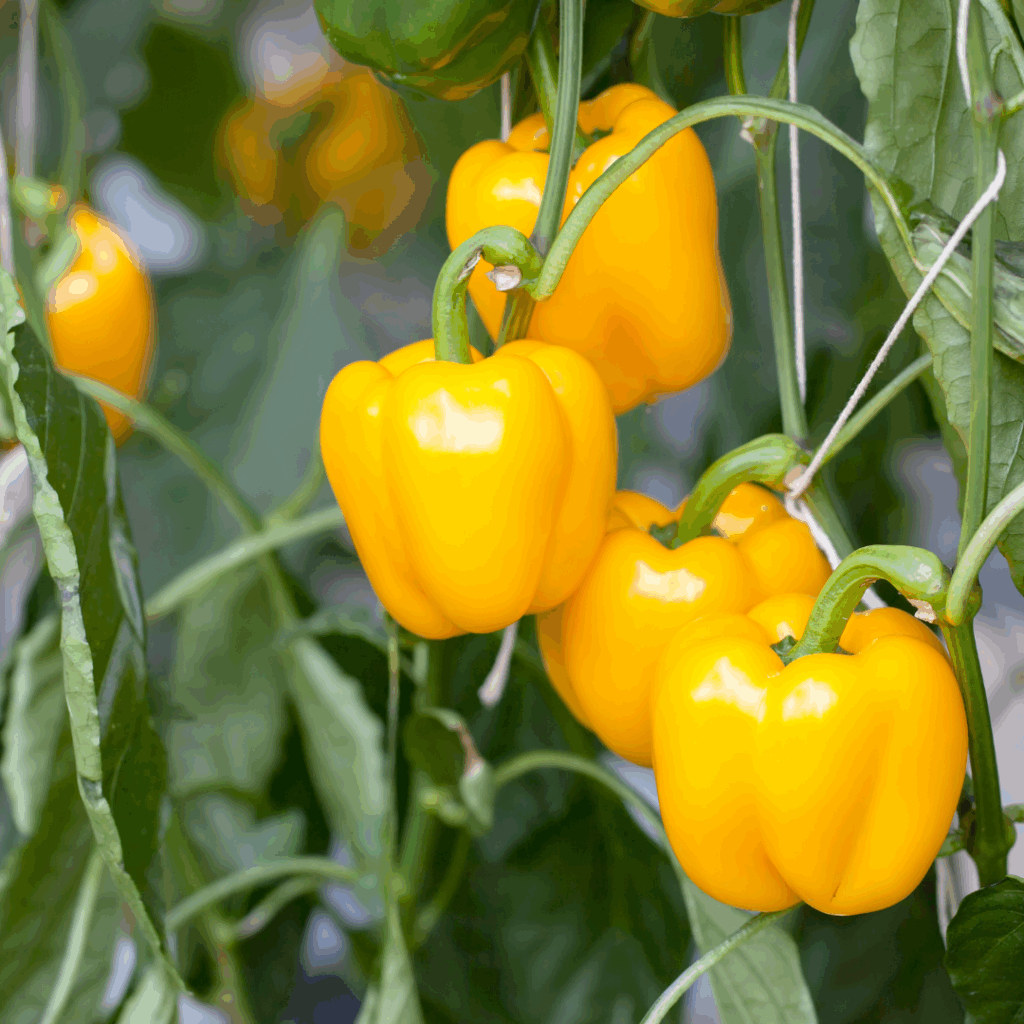
Since traditional garden beds are unavailable in limited spaces, a well-draining and nutrient-rich soil mix is essential. The growing medium must balance aeration, water retention, and nutrient supply.
Recommended soil mix (veg-friendly):
- 40% coco peat or coir
- 30% compost (plant-based)
- 20% vermicompost
- 10% perlite or sand
Avoid using bone meal, fish-based fertilizers, or animal manure. Instead, enrich with plant-based compost, neem cake powder, mustard seed cake powder, and biofertilizers.
Note: Adding a thin layer of mulch—such as dried leaves, straw, or coconut husk—helps retain moisture and reduce weed growth.
5. Germination and Seed Starting
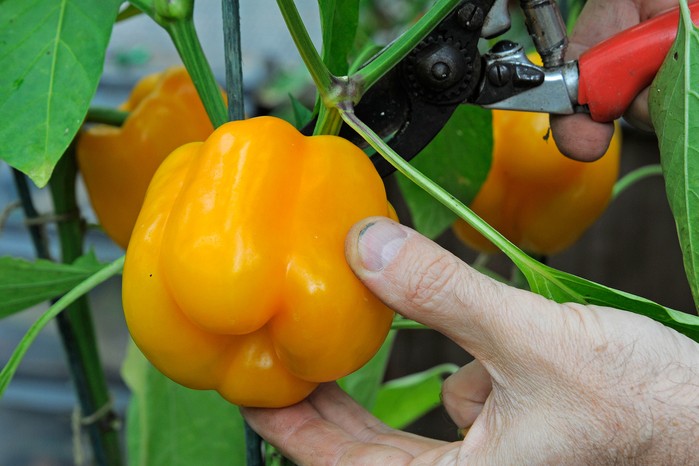
Starting bell peppers from seeds allows control over the variety and growing conditions.
Steps for successful germination:
- Pre-soak seeds in warm water for 6 hours to speed up germination.
- Use seedling trays or small pots with a light mix of coco peat and compost.
- Ensure warmth (22–28°C) using a sunny windowsill or heating mat.
- Mist lightly instead of heavy watering to avoid rotting.
- Transplant seedlings when they develop 4–6 true leaves (usually after 4–5 weeks).
If purchasing nursery seedlings, choose those with sturdy stems and no visible pests.
6. Transplanting in Limited Spaces
Transplanting needs attention to spacing, anchoring, and acclimatization.
Transplanting tips:
- Harden seedlings by gradually exposing them to outdoor conditions for a few days.
- Place one seedling per container to avoid competition.
- Plant at the same depth as the nursery pot to prevent stem rot.
- Add a 2–3 cm layer of compost mix around the base during transplanting.
After transplanting, keep the plants in partial shade for two days, then gradually shift to full sunlight.
7. Light and Location Management
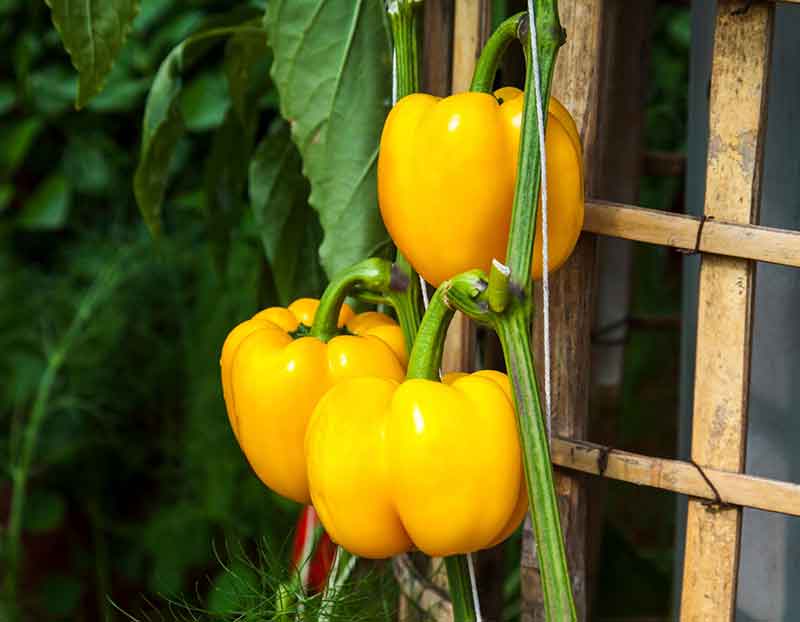
Light is crucial for fruiting. In small spaces, maximizing sunlight exposure is essential.
Placement strategies:
- Position pots on south or west-facing balconies, windowsills, or terraces.
- Use plant stands or wall-mounted racks to elevate containers.
- For indoor setups, use LED grow lights (12–14 hours daily).
- Rotate containers weekly to ensure uniform growth.
Reflective surfaces such as white walls or aluminum sheets can help boost light exposure.
8. Watering Techniques in Compact Setups
Improper watering is one of the most common causes of stunted growth or blossom drop in limited-space environments.
Best watering practices:
- Water deeply but infrequently, allowing soil to partially dry between watering.
- Use a watering can with a narrow spout to avoid disturbing roots.
- Avoid overhead watering; target the base instead.
- For grow bags or balcony pots, install a simple drip system if possible.
Signs of overwatering include yellowing leaves and root rot, while wilting and curled leaves indicate underwatering.
9. Nutrient Management Without Non-Veg Fertilizers
Bell peppers are moderate feeders and require periodic nourishment, especially in containers.
Veg-friendly fertilization schedule:
- Every 15–20 days: Add diluted liquid compost tea, banana peel extract, or rice water.
- Once a month: Mix 1–2 tablespoons of neem cake powder or mustard seed cake powder into the topsoil.
- During flowering: Use a potassium-rich plant-based feed (wood ash or seaweed extract if available).
- For nitrogen support: Use vermicompost or green compost mixtures.
Avoid synthetic boosters that can damage microbial balance in the soil.
10. Supporting and Pruning Plants
Even compact varieties benefit from minimal structural support in containers.
Support methods:
- Use bamboo sticks, soft ties, or vertical trellises.
- Tie loosely to avoid stem injury.
- Ensure airflow between branches.
Pruning tips:
- Remove the first few blossoms to help the plant establish stronger roots.
- Trim lower leaves touching the soil to prevent fungal growth.
- Pinch off small side shoots to focus energy on fruiting.
Pruning improves air circulation, reduces pests, and supports higher yields.
11. Pest and Disease Management in Small Spaces
Bell peppers in limited spaces are still vulnerable to pests and fungal diseases due to close proximity and humidity.
Common issues and veg-only solutions:
| Problem | Symptoms | Veg-Friendly Solution |
|---|---|---|
| Aphids | Sticky residue, curled leaves | Spray diluted neem oil or mild soap water |
| Whiteflies | Tiny white insects under leaves | Use yellow sticky traps or neem extract |
| Spider mites | Fine webbing on leaves | Increase humidity and spray garlic spray |
| Fungal spots | Brown or black patches | Use a paste of baking soda and water |
Maintaining cleanliness and removing plant debris reduces infestation risk.
12. Pollination in Restricted Areas
Outdoors, natural pollinators often handle the process. However, in balconies or indoors, manual pollination may improve yield.
Manual pollination steps:
- Gently shake the plant daily to transfer pollen.
- Use a soft paintbrush or cotton swab to brush inside each flower.
- Keep plants in a breezy location when possible.
Ensuring consistent airflow aids pollination and reduces moisture buildup.
13. Harvesting and Post-Harvest Care
Bell peppers can be harvested at the green, yellow, red, or orange stage depending on the variety and preference.
Harvesting guidelines:
- Use clean scissors or pruners for cutting.
- Harvest when peppers are firm and glossy.
- Do not twist the fruit to avoid damaging stems.
Early harvesting promotes further flowering and fruiting in compact plants.
14. Sustainability Practices for Small Spaces
Sustainable growing ensures continuous productivity and soil health.
Suggested practices:
- Rotate plants seasonally to avoid nutrient depletion.
- Reuse soil by rejuvenating with compost and biofertilizers.
- Collect kitchen scraps (veg-only) for composting.
- Use rainwater when possible.
- Introduce companion plants like basil or marigold to deter pests.
These methods improve yield while minimizing waste.
Conclusion
Growing bell peppers in limited spaces is entirely achievable with the right planning and sustainable plant-based practices. Proper selection of compact varieties, thoughtful container preparation, nutrient-rich vegetarian-friendly soil amendments, and strategic care can yield abundant harvests even in balconies, windowsills, rooftops, and patios. As urban gardening becomes more essential in modern lifestyles, growing bell peppers in small spaces serves as both a self-sufficiency practice and an environmentally responsible approach to food production. With attention to detail and consistent plant care, anyone can enjoy the satisfaction of harvesting home-grown bell peppers without requiring large garden plots or non-veg inputs.