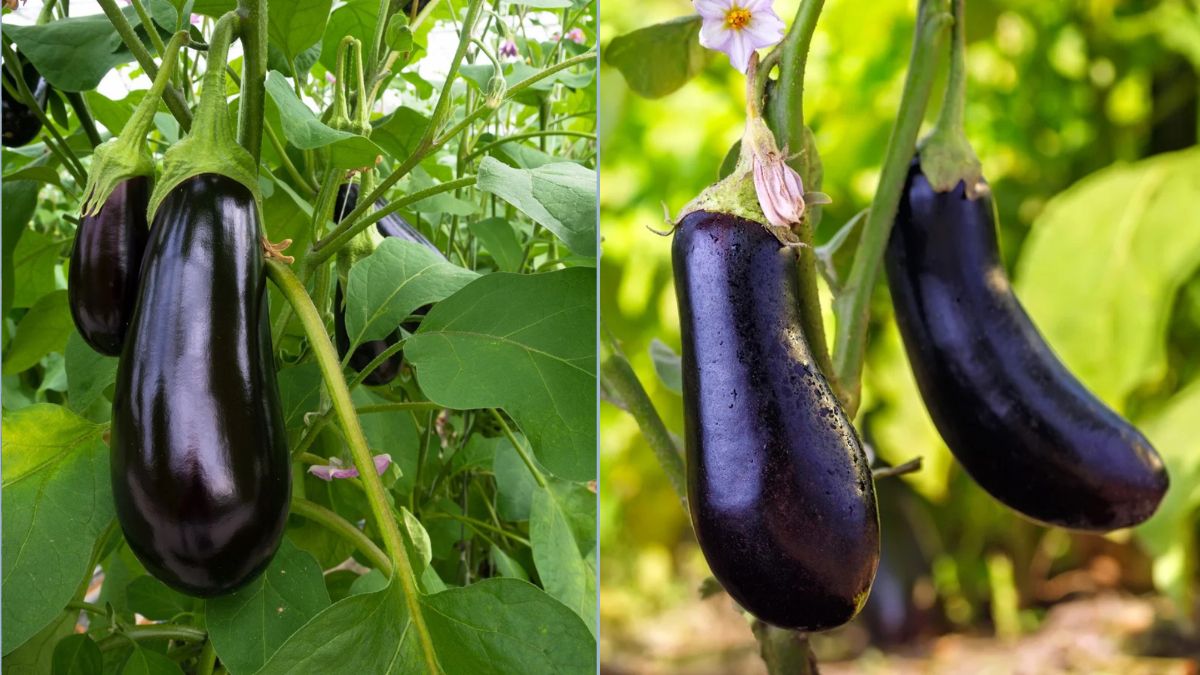
Growing eggplants indoors is a rewarding and productive endeavor for plant enthusiasts, urban gardeners, and researchers interested in controlled-environment agriculture. While eggplants (Solanum melongena) are traditionally grown outdoors in warm climates, advancements in indoor gardening techniques have made it possible to cultivate high-yield varieties year-round. This article explores the best indoor eggplant types, cultivation requirements, environmental considerations, and practical strategies for maximizing fruit production—without reference to any non-vegetarian applications.
1. Why Grow Eggplants Indoors?
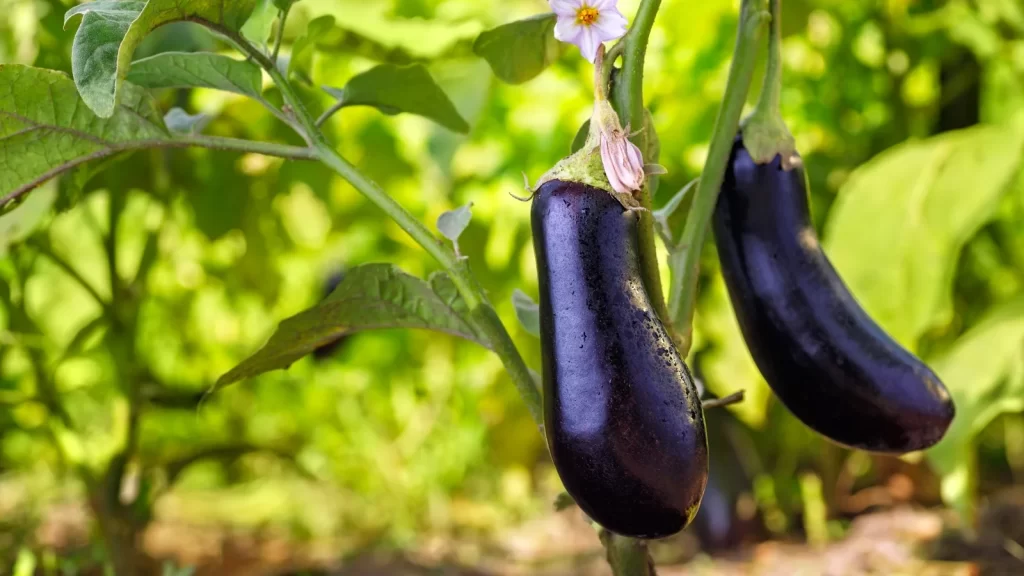
Indoor gardening eliminates reliance on seasonal weather, enables pest management, and supports experimentation with growing mediums and lighting systems. For students and researchers, indoor eggplant cultivation offers opportunities to study plant physiology, controlled pollination, and sustainable food systems.
Indoor growing also supports:
- Compact space use in apartments, labs, greenhouses, or balconies.
- Consistent yields with regulated temperature and humidity.
- Pesticide-free cultivation, ideal for eco-conscious growers.
- Data collection for academic projects and thesis studies.
2. Best Eggplant Varieties for Indoor Production
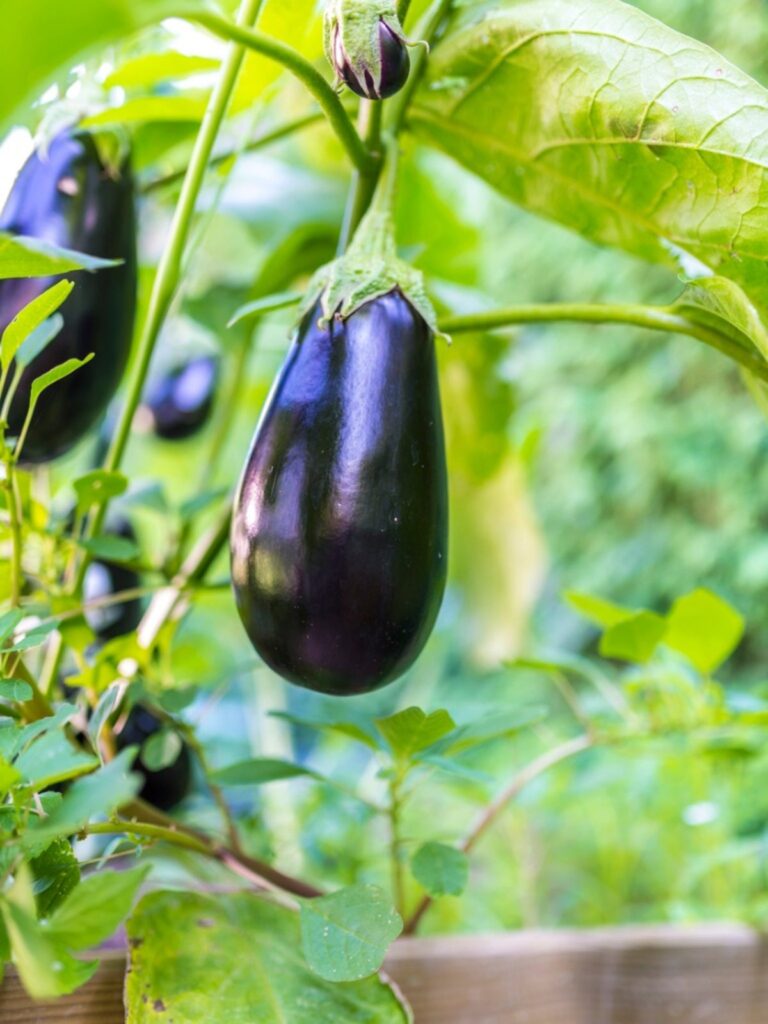
Not all eggplant types are suitable for confined environments. The following compact or dwarf varieties are specifically known for producing well indoors:
a. ‘Patio Baby’
- Height: 18–24 inches
- Fruit size: Small, round, deep purple
- Yield: High, continuous harvest
- Growth habit: Bushy and container-friendly
b. ‘Fairy Tale’
- Height: 2–3 feet
- Fruit: Striped purple-and-white elongated eggplants
- Maturity: 50–60 days
- Ideal for balconies and small indoor grow spaces
c. ‘Hansel’ and ‘Gretel’
- Hansel: Produces slender purple fruit
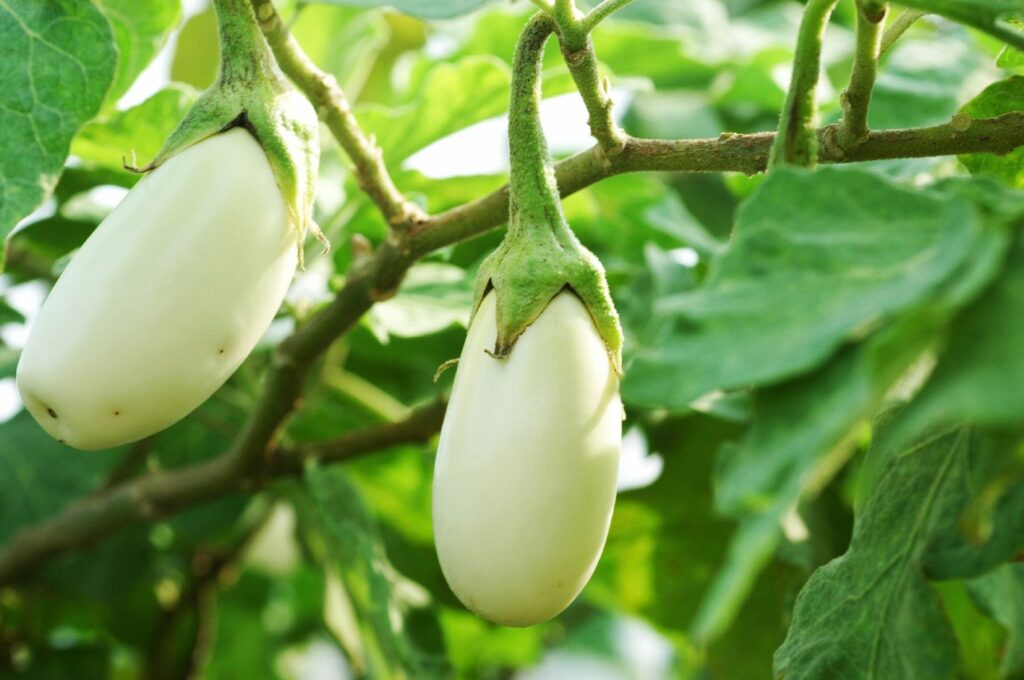
- Gretel: Produces white slender fruit
- Characteristics: Early production, high yield, minimal pruning
d. ‘Fingerling’ Varieties
- Compact vines that fit into vertical gardens
- Yield multiple small fruits ideal for frequent harvesting
e. ‘Thai Long Green’ (Dwarf version)
- Length: 12–18 inches tall
- Fruit: Pale green, mild flavor
- Tolerates lower light conditions compared to other varieties
3. Ideal Indoor Growing Conditions
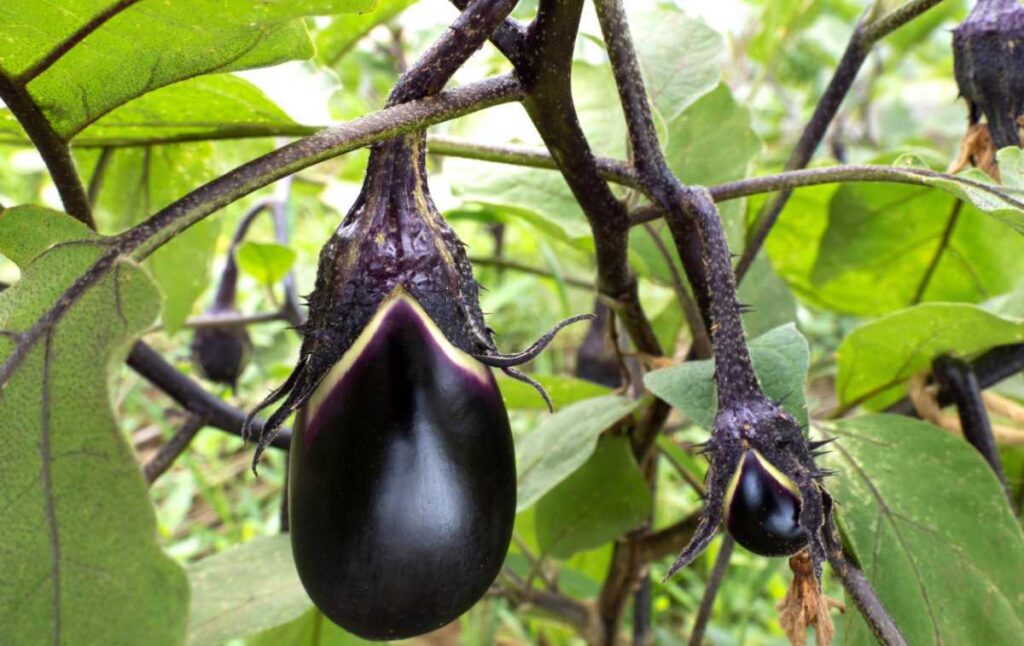
To ensure abundant fruiting, indoor eggplants require attention to their environmental needs.
a. Light Requirements
- Duration: 12–14 hours of bright light daily
- Light types: LED grow lights, full-spectrum fluorescent lamps
- Light height: 12–18 inches above the canopy
- Sign of insufficient light: Slow growth and flower drop
b. Temperature and Humidity
- Optimal daytime temperature: 70–85°F (21–29°C)
- Night temperature: 65–70°F (18–21°C)
- Humidity level: 50–70%
- Avoid sudden drafts, as eggplants are sensitive to temperature fluctuations.
c. Soil and Containers
- Container size: Minimum 3–5 gallons, with drainage holes
- Soil mix: Well-draining loam or coco coir blend with compost
- pH range: 5.5–6.8
- Add perlite or vermiculite to improve aeration
d. Watering
- Maintain evenly moist soil—never waterlogged
- Water when the top inch of soil dries out
- Use a saucer-free container or wick system to prevent root rot
4. Fertilization for High Yields
Indoor eggplants thrive on steady nutrient application.
- Before flowering: A balanced fertilizer like 10-10-10 or 5-5-5 works well
- During fruiting: Switch to a fertilizer richer in potassium and phosphorus
- Organic options: Compost tea, worm castings, or kelp extract
- Frequency: Every 10–14 days or as per product directions
Avoid excessive nitrogen, as it encourages foliage growth at the expense of fruit production.
5. Pollination Techniques Indoors
Because indoor environments limit natural insect pollination, manual or mechanical methods help ensure abundant fruit.
Manual Pollination
- Use a small, clean paintbrush or cotton swab
- Gently transfer pollen from the stamen to the stigma
- Perform in the morning when flowers are most receptive
Vibration Method
- Lightly shake the plant or tap the branches
- Alternatively, use an electric toothbrush near blossoms
Regular pollination significantly improves fruit set in indoor conditions.
6. Pruning and Training
Proper plant structure supports airflow and fruiting efficiency.
- Remove lower leaves touching the soil to prevent fungal issues
- Pinch off suckers that appear between the stem and branches
- Support branches with stakes or soft ties as fruits develop
- Thin overcrowded blossoms to direct energy toward larger fruits
7. Pest and Disease Prevention Indoors
Though indoor plants face fewer pests, they are not immune.
Common Pests
- Aphids
- Spider mites
- Whiteflies
Prevention & Control:
- Spray with neem oil or insecticidal soap
- Introduce beneficial insects (if growing in greenhouse conditions)
- Wipe leaves with damp cloth to remove pests manually
- Keep humidity moderated to reduce fungal growth
Disease Management
- Provide airflow with oscillating fans
- Avoid overhead watering
- Remove diseased or yellowing leaves immediately
8. Growth Medium Strategies
Experimentation with different growing methods supports thesis-level investigations.
a. Soil-Based Growing
- Traditional and low-cost
- Good for beginners and home gardeners
b. Hydroponic Systems
- Nutrient film technique (NFT)
- Deep-water culture (DWC)
- Drip systems
Hydroponics can improve yield and allow precise tracking of nutrient absorption—ideal for data collection.
c. Soilless Mixes
- Coco coir and perlite blends
- Lightweight and disease-free
- Excellent for container setups
9. Harvesting for Maximum Yield
Harvesting at the right time encourages continued flowering.
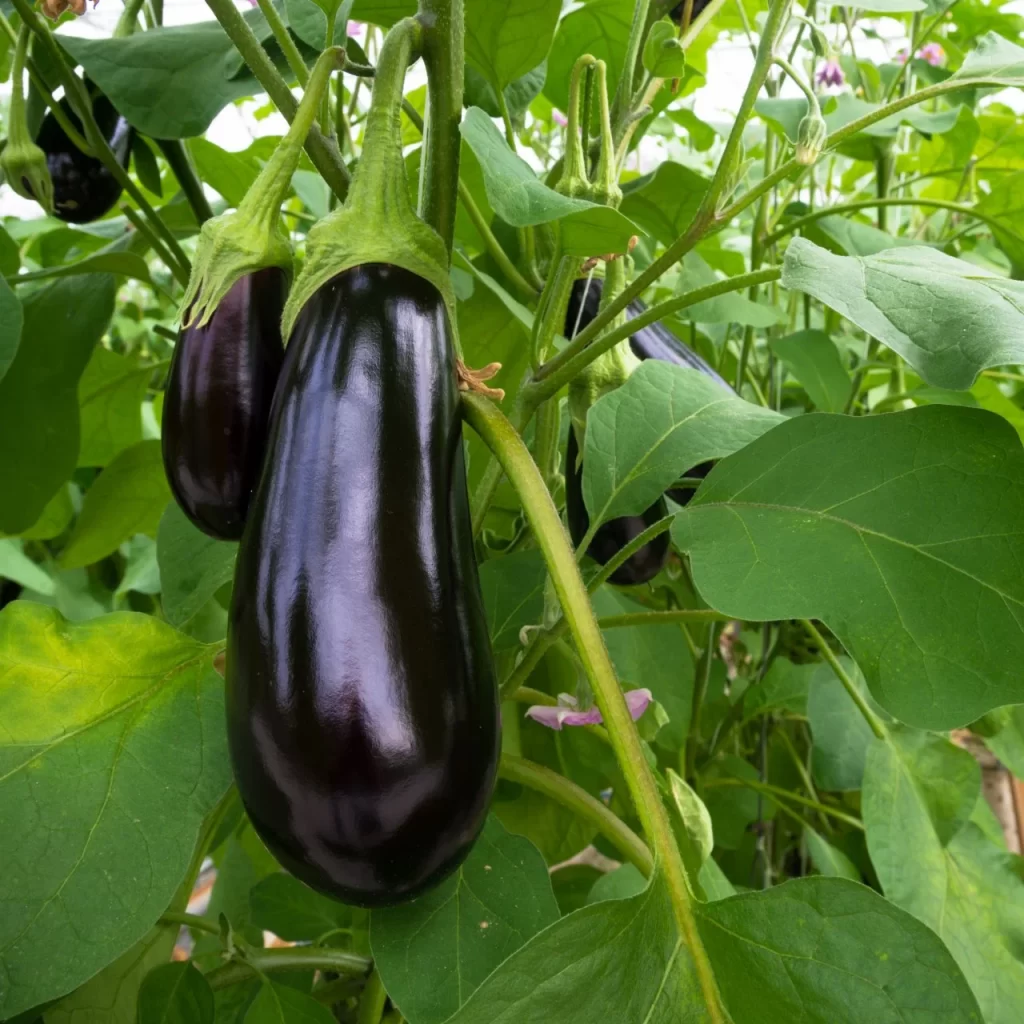
- Look for glossy, firm skin
- Slight finger pressure should leave no dent
- Use sanitized scissors or pruning shears
- Avoid pulling fruits off by hand
Early harvesting triggers the plant to set more fruit, prolonging the productive cycle.
10. Troubleshooting and Optimization
Common Issues & Solutions
| Challenge | Likely Cause | Solution |
|---|---|---|
| Flowers drop | Low light, high heat, no pollination | Improve lighting, manual pollination |
| Yellow leaves | Overwatering or nutrient deficiency | Adjust water, add balanced fertilizer |
| Stunted growth | Root-bound or too small container | Repot into larger pot |
| Few fruits | Excess nitrogen or poor pollination | Use bloom fertilizer, hand-pollinate |
11. Sustainability Considerations
Indoor eggplant growing supports sustainable living by reducing transport emissions and enabling local production. Combining LED lights with renewable energy sources, recycling potting media, and using organic fertilizers enhances eco-friendliness.
Water-saving systems such as drip irrigation or self-watering containers can further improve sustainability while reducing maintenance.
12. Applications for Thesis Research
A thesis centered on indoor eggplant production could explore areas such as:
- Yield comparison between soil vs hydroponics
- Pollination method efficiency
- LED spectrum impact on flowering and fruiting
- Nutrient optimization for compact varieties
- Pest resistance under controlled environments
Such research contributes to urban agriculture, food security initiatives, and plant science innovation.
Conclusion
Indoor eggplant cultivation is not only feasible but highly productive when the right varieties and growing conditions are chosen. Compact types such as ‘Patio Baby’, ‘Fairy Tale’, and slender-fruiting hybrids are ideal for limited spaces yet capable of abundant yields.
Attention to lighting, temperature, manual pollination, pruning, and fertilization can transform a small corner of an apartment, lab, greenhouse, or research station into a thriving eggplant garden. With sustainable practices and scientific curiosity, indoor eggplant production holds significant potential for academic study and everyday food growing.