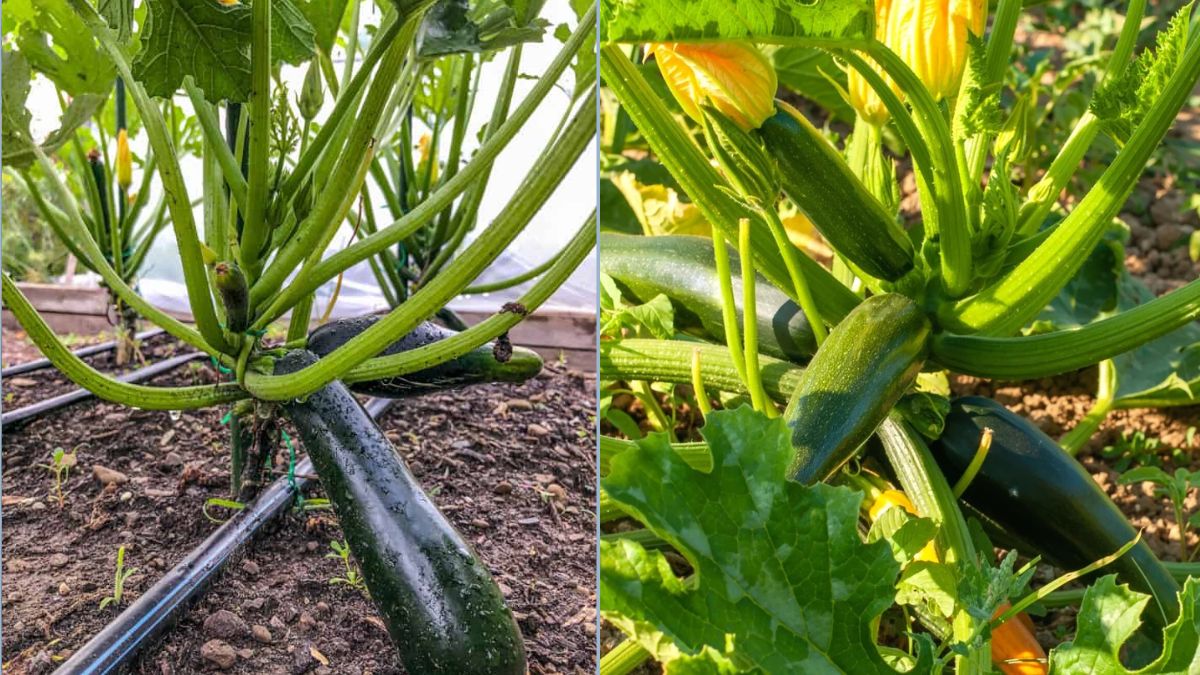
Zucchini (Cucurbita pepo), a member of the summer squash family, is a versatile and productive vegetable that thrives in small garden spaces when cultivated effectively. Urbanization and the increasing popularity of home gardening have spurred interest in growing high-yield crops in limited areas. This article explores practical, research-backed strategies for cultivating zucchini in tiny gardens, emphasizing space optimization, plant health, yield enhancement, and sustainability.
1. Introduction
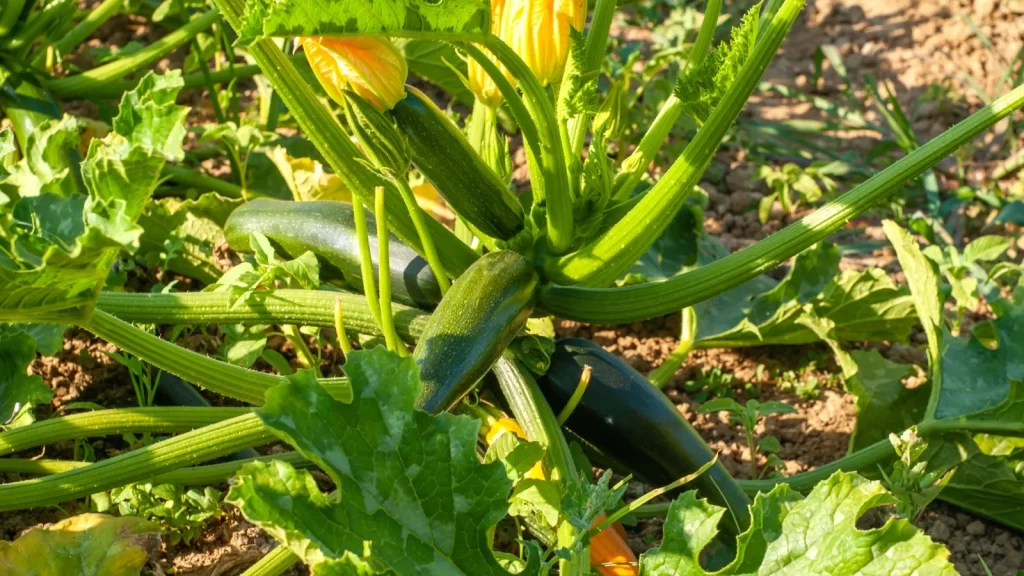
Zucchini is known for its rapid growth, abundant fruit production, and adaptability to various environments. Traditionally grown in larger gardens, zucchini can also thrive in small spaces with careful planning and innovative growing techniques. By implementing vertical growth systems, companion planting, container gardening, and organic soil management, gardeners can achieve maximum productivity without compromising plant health. This approach aligns with sustainable urban agriculture and offers valuable insights for academic research on high-density vegetable cultivation.
2. Benefits of Growing Zucchini in Small Gardens
a. Efficient Space Utilization
Using vertical structures or containers allows gardeners to cultivate multiple zucchini plants in a confined area. Even a garden bed of 2–3 square meters can yield a substantial harvest when strategic growing methods are applied.
b. Enhanced Air Circulation
Compact gardens can experience higher humidity and reduced airflow. Vertical trellising and proper spacing improve ventilation, reducing fungal diseases like powdery mildew.
c. Improved Harvest Quality
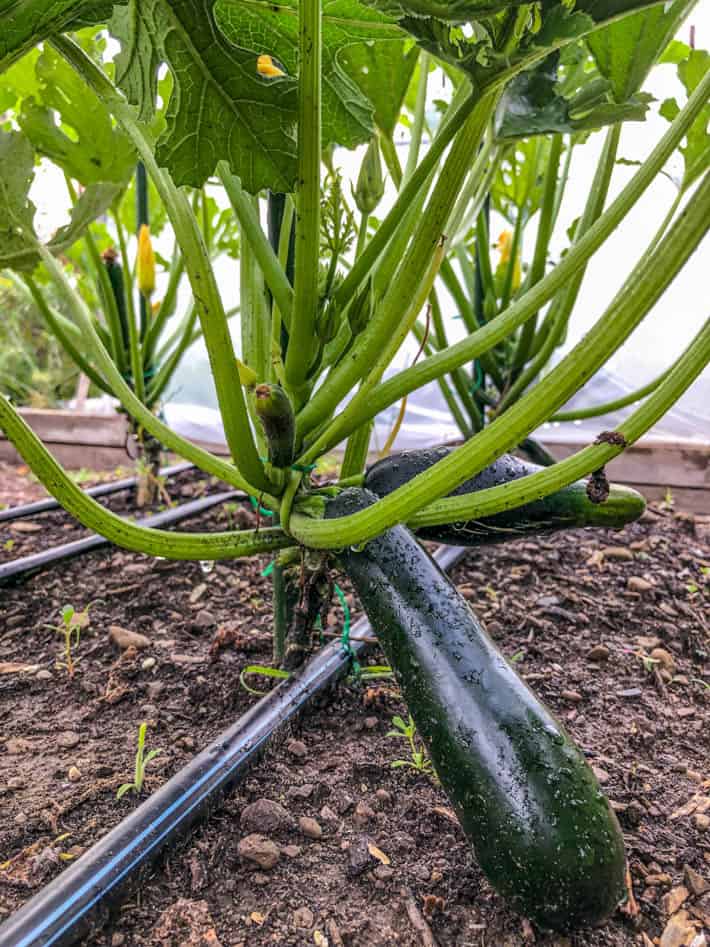
Elevating plants or growing in raised beds keeps fruits off the soil, reducing soil-borne infections, rot, and pest damage.
d. Increased Productivity
With effective training, pruning, and fertilization techniques, small-area zucchini cultivation can rival larger plots in yield per square foot.
3. Selecting Zucchini Varieties for Limited Space
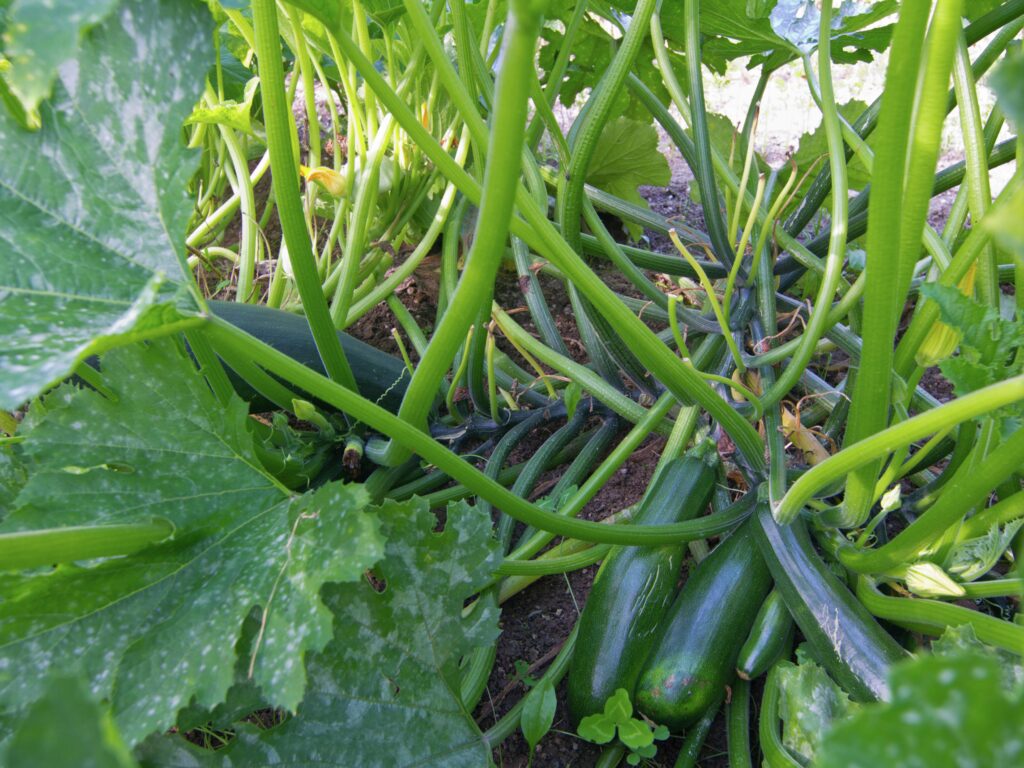
Not all zucchini varieties perform well in small gardens. Choosing compact, bush-type, or vertical-friendly varieties is critical. Recommended varieties include:
- ‘Bush Baby’ – Compact, ideal for containers.
- ‘Eight Ball’ – Round zucchini, space-efficient, early maturing.
- ‘Spineless Beauty’ – Produces high yields with minimal leaf spines.
- ‘Black Beauty’ – Classic variety, bushy growth, suitable for small beds.
- ‘Cocozelle’ – Slender, climbing-type, adaptable to vertical support.
Selecting disease-resistant and early-maturing cultivars maximizes harvest potential in confined spaces.
4. Soil Preparation and Fertility Management
Zucchini thrives in nutrient-rich, well-draining soil. Proper soil preparation enhances root development and fruit production.
a. Soil Composition
- Loamy texture with good water retention
- Organic matter: Compost, well-aged manure, or leaf mold
- Aeration: Add perlite or vermiculite to improve drainage
b. Soil pH
Optimal pH ranges between 6.0–7.0. Regular testing ensures nutrient availability.
c. Fertilization
- Pre-planting: Incorporate compost and balanced NPK fertilizer
- Growing phase: Apply organic liquid fertilizers (compost tea, seaweed extract) every 10–14 days
- Flowering & fruiting: Supplement with potassium-rich feed to encourage abundant fruit
5. Container Gardening Hacks
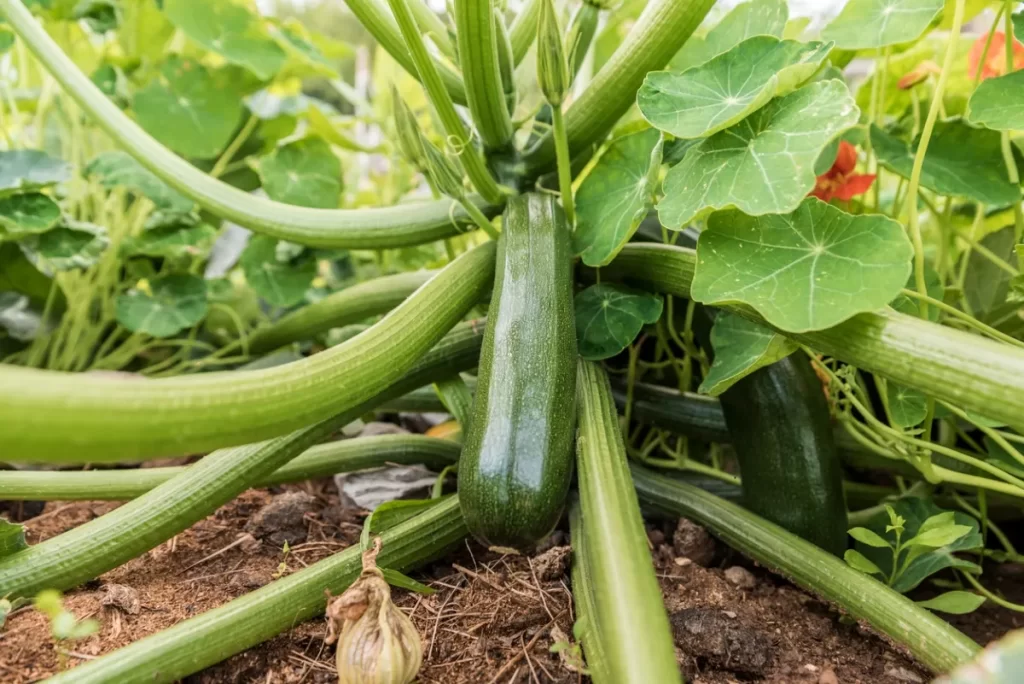
For gardeners with extremely limited ground space, container gardening provides a practical solution.
a. Container Selection
- Minimum 10–15 gallons per plant
- Options: Fabric pots, raised wooden boxes, recycled plastic containers
- Ensure adequate drainage to prevent root rot
b. Soil Mix for Containers
- 40% compost
- 40% coco coir or loamy soil
- 20% perlite or vermiculite
Container-grown zucchini often require more frequent watering and nutrient supplementation due to limited soil volume.
6. Vertical and Trellis Growing Techniques
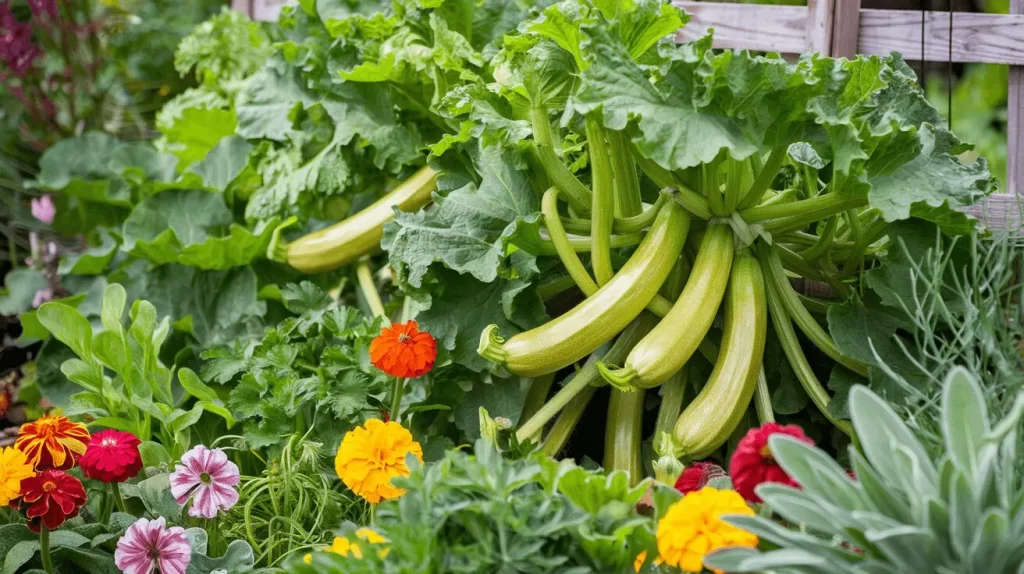
Vertical growing is a key strategy for tiny gardens. Zucchini vines can be trained upwards to conserve ground space and reduce disease.
a. Trellis Types
- A-frame trellis – Stable, space-saving, suitable for multiple plants
- Net or string trellis – Lightweight, ideal for balconies or patios
- Obelisk or tower trellis – Compact, perfect for container setups
b. Supporting the Plant
- Gently tie vines with soft garden tape or cloth strips
- Guide lateral shoots upward
- Remove weak or tangled growth to maintain airflow
7. Companion Planting in Small Spaces
Companion planting improves soil health, pest control, and space utilization. Effective companions for zucchini include:
- Legumes (beans, peas) – Fix nitrogen, boosting soil fertility
- Herbs (basil, dill, parsley) – Repel pests and attract pollinators
- Marigolds – Reduce nematode infestations
Avoid planting cucumbers, melons, or other squash too close to zucchini, as they may compete for nutrients and attract similar pests.
8. Pollination Strategies
In confined gardens or indoor setups, natural pollinators may be limited. Manual pollination ensures fruit set:
- Use a small brush or cotton swab to transfer pollen from male to female flowers
- Perform in the morning when flowers are fully open
- Gently shake vines to encourage pollen distribution
Regular pollination prevents flower drop and increases fruit yield.
9. Watering and Mulching
a. Watering
- Keep soil consistently moist but not waterlogged
- Water at the base to reduce fungal infection risk
- Morning watering minimizes leaf wetness throughout the day
b. Mulching
- Apply organic mulch such as straw or wood chips
- Conserves moisture, suppresses weeds, and maintains even soil temperature
10. Pest and Disease Management (Non-Toxic Methods)
Even in tiny gardens, zucchini can face pests and diseases. Organic, non-toxic strategies are effective and sustainable.
Common Pests
- Aphids
- Squash bugs
- Spider mites
Preventive Measures
- Handpick pests or spray with neem oil or mild soap solutions
- Remove damaged or diseased leaves promptly
- Maintain airflow through proper spacing and vertical training
Disease Prevention
- Avoid overhead watering
- Use disease-resistant varieties
- Rotate planting locations annually if possible
11. Pruning and Training Hacks
Pruning optimizes energy distribution and increases fruit size:
- Remove lateral shoots below the first flower cluster
- Thin excess flowers to focus energy on developing fruits
- Trim older leaves to prevent shading and fungal growth
Training vines vertically also prevents sprawling and reduces the risk of rot and pest infestations.
12. Harvesting Tips
Zucchini fruits grow rapidly and should be harvested at optimal size:
- Harvest when fruits are 6–8 inches long for maximum tenderness
- Check plants every 2–3 days to prevent overgrown or seedy fruits
- Use clean, sharp scissors or pruners to avoid plant damage
Regular harvesting encourages continuous flowering and fruit production throughout the season.
13. Maximizing Productivity in Tiny Gardens
Techniques:
- Succession planting – Stagger sowing every 2–3 weeks to maintain continuous harvest
- Intercropping – Plant herbs or leafy greens around zucchini to utilize space efficiently
- Drip irrigation – Provides consistent moisture with minimal water waste
- Monitoring growth – Track vine development, flower count, and fruit size for research or optimization
By combining vertical training, pruning, and container gardening, small gardens can achieve yields comparable to larger plots.
14. Sustainability Considerations
Tiny garden zucchini cultivation supports sustainable food production by:
- Reducing land use and transportation footprint
- Promoting organic growing practices
- Encouraging urban food security
- Minimizing pesticide use through vertical spacing and companion planting
In addition, using recycled containers and biodegradable materials aligns with environmental stewardship goals.
15. Conclusion
Zucchini growing in tiny gardens is highly achievable through careful variety selection, vertical training, container use, proper soil management, and organic practices. Space-saving techniques such as trellising, pruning, and companion planting not only enhance productivity but also maintain plant health and fruit quality. By employing these strategies, gardeners can maximize yield per square foot, contribute to sustainable urban agriculture, and generate valuable data for academic research on intensive small-space cultivation.