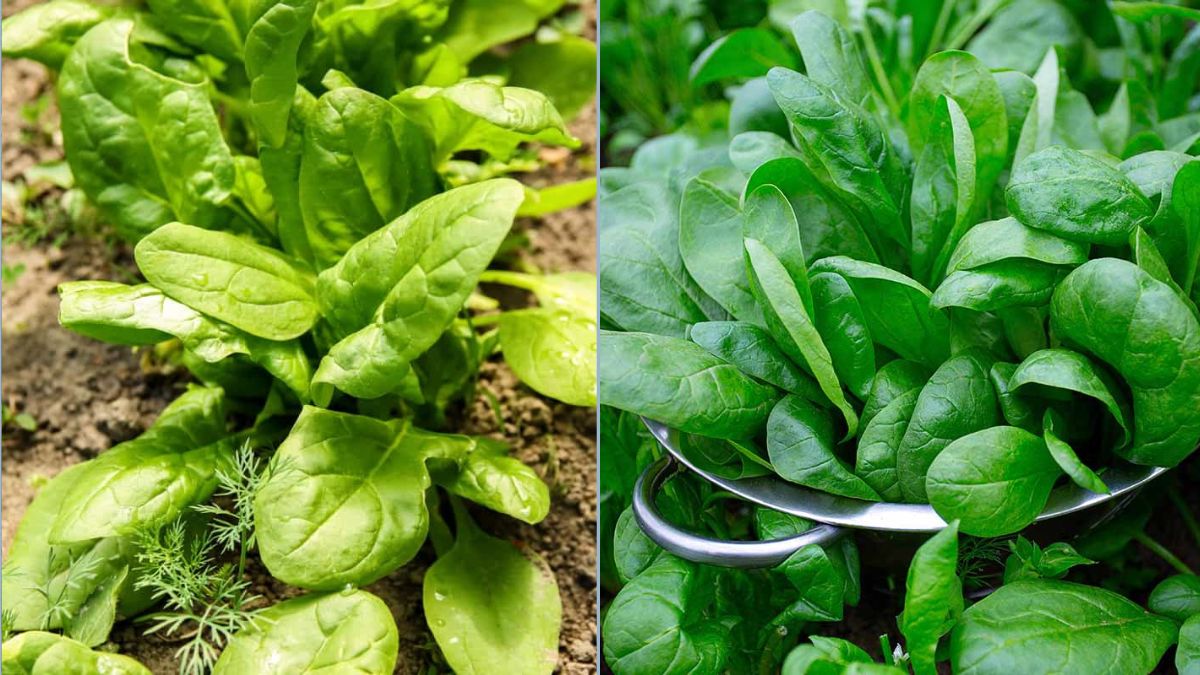
Spinach (Spinacia oleracea) is a nutrient-dense leafy green valued for its rich content of vitamins, minerals, and antioxidants. With its fast-growing nature, spinach is an ideal crop for gardeners seeking immediate harvest and continuous production. Rapid growth varieties can be cultivated in small beds, containers, or even hydroponic systems, making spinach highly versatile for urban agriculture, research, and home gardening. This article provides a comprehensive guide on growing fast-maturing spinach, focusing on variety selection, soil preparation, planting techniques, care, and harvest strategies.
1. Introduction
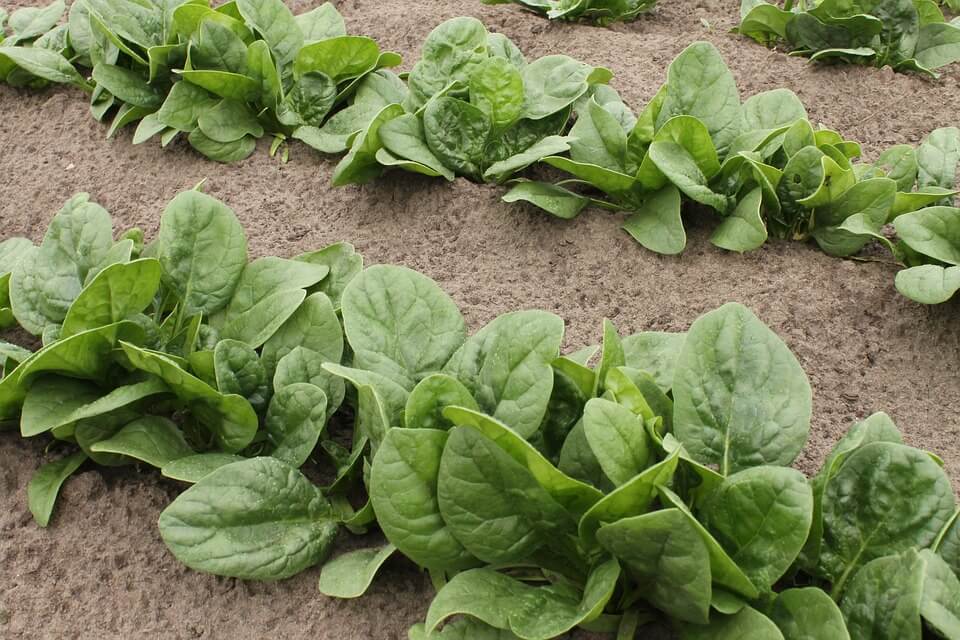
Spinach is a cool-season vegetable that thrives in well-drained, fertile soil with consistent moisture. Fast-growing spinach varieties enable gardeners to achieve harvestable leaves within 3–4 weeks from sowing, providing a rapid food source for fresh consumption. Its short growth cycle makes spinach suitable for succession planting, ensuring continuous harvest in limited spaces. Indoor, container, and raised-bed cultivation of spinach supports controlled growth conditions, reduces pest pressure, and aligns with sustainable urban agriculture practices.
The ability to grow spinach quickly also makes it an excellent subject for academic studies on growth rates, nutrient uptake, and sustainable crop production techniques.
2. Benefits of Fast-Growing Spinach
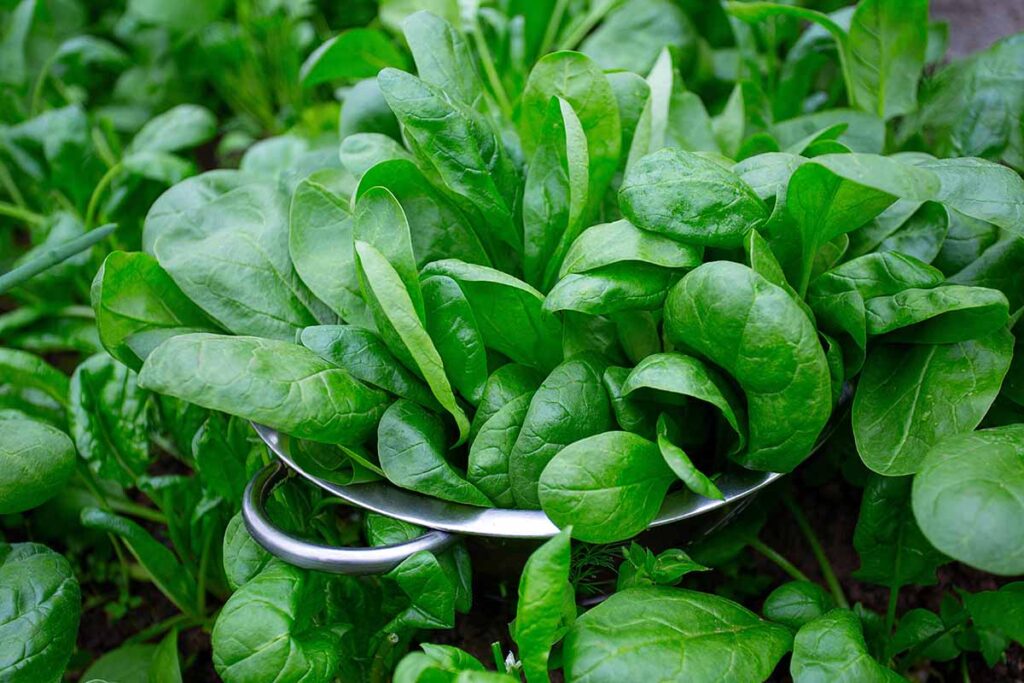
a. Quick Harvest
Fast-growing varieties allow gardeners to consume fresh leaves within a month of sowing, reducing the wait time compared to slower-growing leafy greens.
b. Continuous Production
Short growth cycles enable multiple successive plantings, ensuring a steady supply of fresh spinach throughout the season.
c. Space Efficiency
Spinach can be grown densely in small beds, containers, or vertical systems, making it suitable for urban and limited-space gardening.
d. Nutrient-Rich
Fast-growing spinach retains its high vitamin and mineral content when harvested young, providing optimal nutritional value.
e. Low Maintenance
Spinach requires minimal support, simple irrigation, and organic fertilization, making it manageable for novice gardeners and researchers alike.
3. Selecting Fast-Growing Spinach Varieties
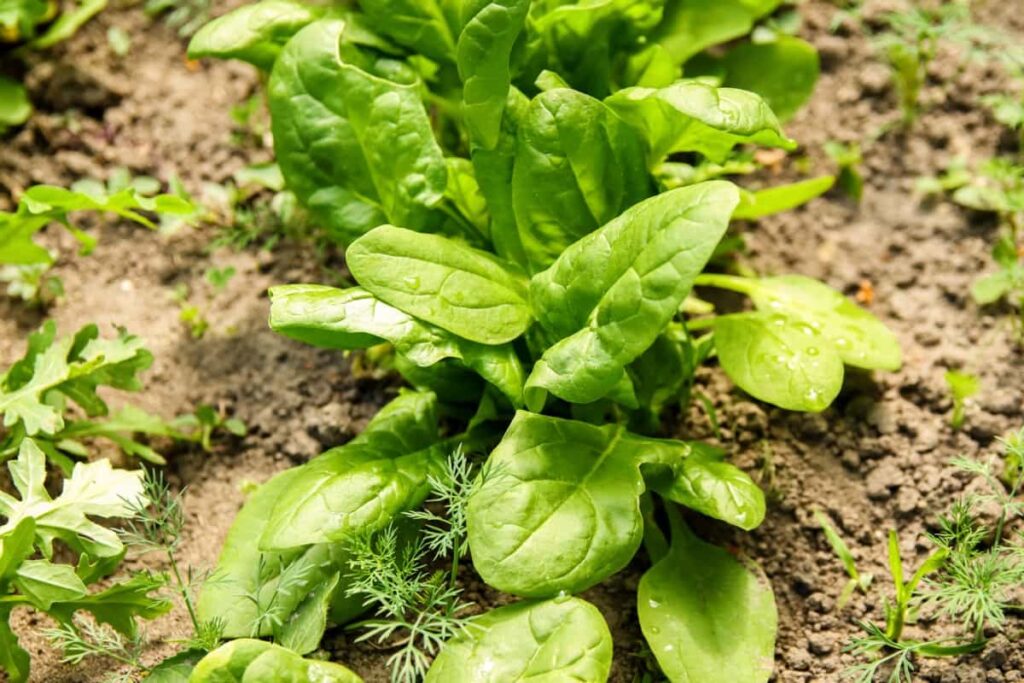
Variety selection is key to achieving rapid growth and high-quality harvest. Recommended fast-growing varieties include:
- ‘Bloomsdale Longstanding’ – Cold-tolerant, fast-growing, and ideal for successive harvesting.
- ‘Baby’s Leaf’ – Produces tender leaves within 3–4 weeks, perfect for microgreens or salads.
- ‘Viroflay’ – Early-maturing, dark green, and heat-tolerant for quick harvest cycles.
- ‘Space’ – Compact variety suited for container or small-bed cultivation.
- ‘Olympia’ – Resistant to bolting, suitable for rapid succession planting.
Selecting varieties suited to the local climate and growth conditions maximizes yield and ensures consistent quality.
4. Soil Preparation for Rapid Growth
Healthy, fertile soil supports fast growth by providing essential nutrients and proper aeration.
a. Soil Composition
- 40% organic compost or well-aged manure
- 40% loamy soil
- 20% perlite or vermiculite for aeration and drainage
b. Soil pH
- Ideal pH: 6.0–7.0
- Regular testing ensures nutrient availability and supports rapid growth
c. Fertilization
- Pre-planting: Mix a balanced NPK fertilizer into the soil to encourage leaf growth
- Growing stage: Apply liquid compost tea or seaweed extract every 7–10 days
- Avoid over-fertilization, which may encourage excessive leaf growth without flavor quality
5. Planting Techniques
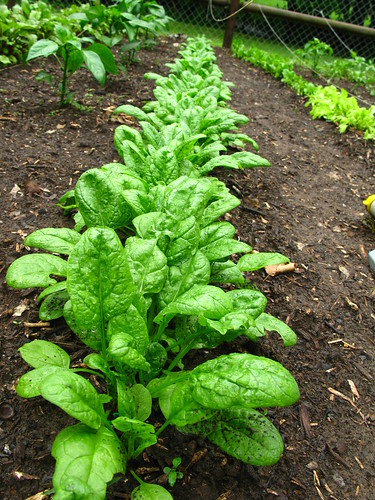
a. Direct Sowing
- Sow seeds ½ inch deep in rows or dense clusters
- Space rows 6–12 inches apart for airflow
- Thin seedlings to 2–3 inches apart after emergence to reduce overcrowding
b. Container and Raised-Bed Planting
- Use containers 6–8 inches deep or raised beds for efficient growth
- Ensure drainage holes for water management
- Dense sowing maximizes yield per square foot, suitable for fast-harvest cycles
c. Indoor or Hydroponic Systems
- Sow in trays or hydroponic setups using a nutrient-rich substrate
- Ideal for urban gardening or controlled research environments
6. Light and Temperature Requirements
a. Light
- Spinach requires 6–8 hours of sunlight for outdoor growth
- For indoor systems, use full-spectrum LED grow lights for 12–16 hours daily
- Rotate trays or containers to ensure uniform light exposure
b. Temperature
- Optimal growth: 50–70°F (10–21°C)
- Avoid prolonged exposure above 75°F (24°C), which can trigger bolting
- Cooler temperatures support rapid leaf expansion and quality
7. Watering and Moisture Management
Consistent moisture is essential for fast-growing spinach:
- Keep soil evenly moist without waterlogging
- Water at the base to reduce leaf disease
- Mulch soil surface with straw or coco coir to retain moisture and regulate temperature
Proper irrigation encourages rapid germination and steady leaf growth.
8. Fertilization During Growth
Fast-growing spinach benefits from ongoing nutrient supplementation:
- Apply organic liquid fertilizer weekly to support leaf development
- Use nitrogen-rich fertilizers for vigorous vegetative growth
- Supplement phosphorus and potassium if soil tests indicate deficiency to enhance root health and leaf quality
9. Pest and Disease Management (Non-Toxic Methods)
Even fast-growing spinach may encounter pests or diseases:
Common Pests
- Aphids
- Leaf miners
- Slugs and snails
Preventive Measures
- Inspect plants regularly for early signs of infestation
- Spray neem oil or mild insecticidal soap when necessary
- Introduce beneficial insects, such as ladybugs, to control aphids
Disease Prevention
- Avoid overhead watering to reduce fungal issues
- Ensure adequate spacing and airflow
- Remove yellowing or diseased leaves promptly
10. Harvesting Fast-Growing Spinach
a. Timing
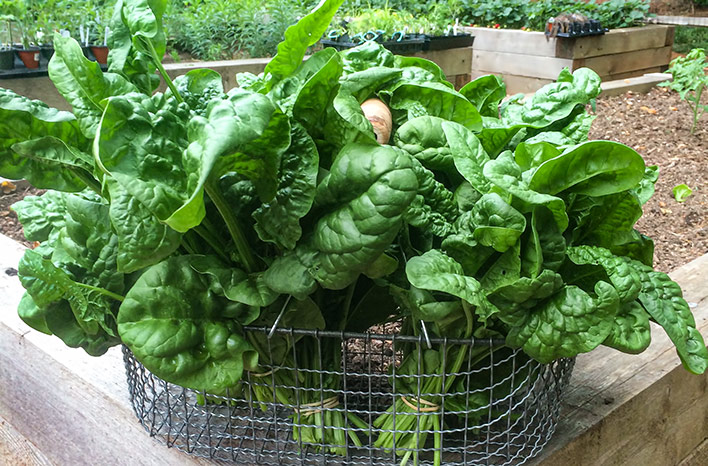
- Leaves can be harvested 3–4 weeks after sowing for baby greens
- Mature leaves are ready in 5–6 weeks, depending on variety
b. Technique
- Harvest outer leaves first to encourage continued growth
- Use clean scissors or knives to prevent damage to central growing points
c. Succession Harvest
- Sow new seeds every 2–3 weeks for a continuous supply
- Supports year-round production and efficient space utilization
11. Maximizing Yield
To optimize productivity in small beds or containers:
- Dense sowing with thinning: Ensures rapid leaf production while maintaining airflow
- Succession planting: Maintains continuous harvest cycles
- Controlled environment: Adjust light, temperature, and humidity for consistent growth
- Mulching and irrigation: Reduce water stress and maintain healthy foliage
12. Sustainability Considerations
Fast-growing spinach supports sustainable gardening:
- Reduces land use due to high-density planting
- Promotes organic fertilization and minimal pesticide use
- Suitable for urban food production and research applications
- Recyclable containers and organic substrates enhance eco-friendliness
13. Challenges and Solutions
- Bolting due to high temperatures: Choose heat-tolerant varieties and provide partial shade
- Pest pressure: Implement non-toxic control methods and maintain clean growing conditions
- Nutrient depletion: Apply compost or liquid fertilizers regularly
- Overcrowding: Thin seedlings to maintain air circulation and growth efficiency
Addressing these challenges ensures fast, continuous spinach production.
14. Conclusion
Spinach that grows quickly for immediate harvest is a highly efficient and productive crop for small gardens, containers, or indoor systems. By selecting rapid-growth varieties, preparing fertile soil, managing light, water, and nutrients, and employing non-toxic pest control strategies, gardeners can achieve consistent, high-quality yields. Fast-growing spinach supports sustainable urban agriculture, reduces space and resource requirements, and provides a continuous supply of nutritious leafy greens.
With careful observation, succession planting, and proper care, even small spaces can produce abundant spinach, demonstrating that rapid-crop cultivation can be highly rewarding, practical, and research-friendly.