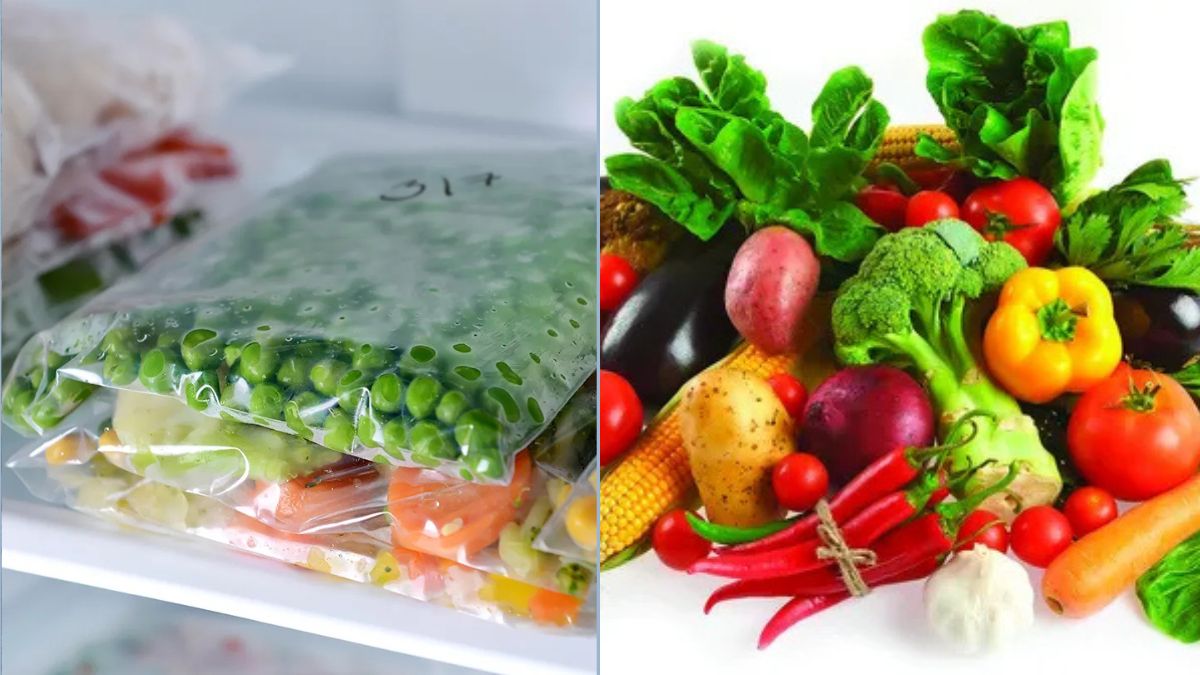
Freezing is one of the most effective methods for preserving vegetables while maintaining their nutrients, texture, and taste. It not only reduces food waste but also allows you to enjoy seasonal produce all year round. However, improper freezing often leads to soggy textures, faded colors, or dull flavors — issues that can make even the freshest vegetables unappetizing.
The good news is that, with the right techniques, you can freeze vegetables without sacrificing their flavor, color, or nutritional value. This article explores the science behind freezing vegetables, step-by-step methods for doing it correctly, and essential tips to ensure your frozen produce tastes as fresh as the day you picked it — all while keeping the process entirely vegetarian-friendly.
1. Understanding How Freezing Works
Freezing preserves food by slowing down enzyme activity and halting the growth of microorganisms that cause spoilage. When vegetables are exposed to extremely low temperatures (below 0°C or 32°F), the water inside their cells turns into ice.
However, if frozen incorrectly, large ice crystals can form and rupture cell walls, causing vegetables to become mushy once thawed. The goal, therefore, is to freeze vegetables quickly and maintain steady temperatures to keep their structure and flavor intact.
The Science of Retaining Flavor
Flavor compounds in vegetables are sensitive to both heat and oxidation. Freezing locks these compounds in place, but only if:
- Vegetables are fresh when frozen.
- Enzyme activity is stopped (via blanching).
- Air exposure is minimized during storage.
By controlling these factors, you can preserve not just nutrients but also the vegetable’s original taste and aroma.
2. Choosing the Right Vegetables for Freezing
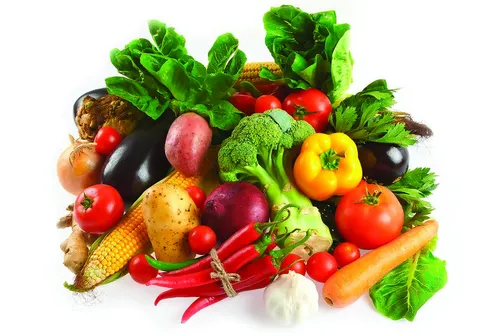
Not all vegetables freeze equally well. Some hold their texture and flavor better than others. Generally, vegetables with lower water content perform better after freezing.
Best Vegetables to Freeze
- Peas and beans: Retain sweetness and texture well.
- Carrots, broccoli, cauliflower, and spinach: Stay vibrant and flavorful when blanched properly.
- Bell peppers, onions, corn, and zucchini: Freeze well for cooked dishes.
- Leafy greens (like kale, amaranth, and mustard greens): Perfect for soups, smoothies, and stir-fries after freezing.
Vegetables That Don’t Freeze Well
Certain vegetables with high water content — such as cucumbers, lettuce, and radishes — tend to turn limp and watery when thawed. It’s best to use these fresh or in pickled form instead.
3. Blanching: The Secret to Flavor Retention
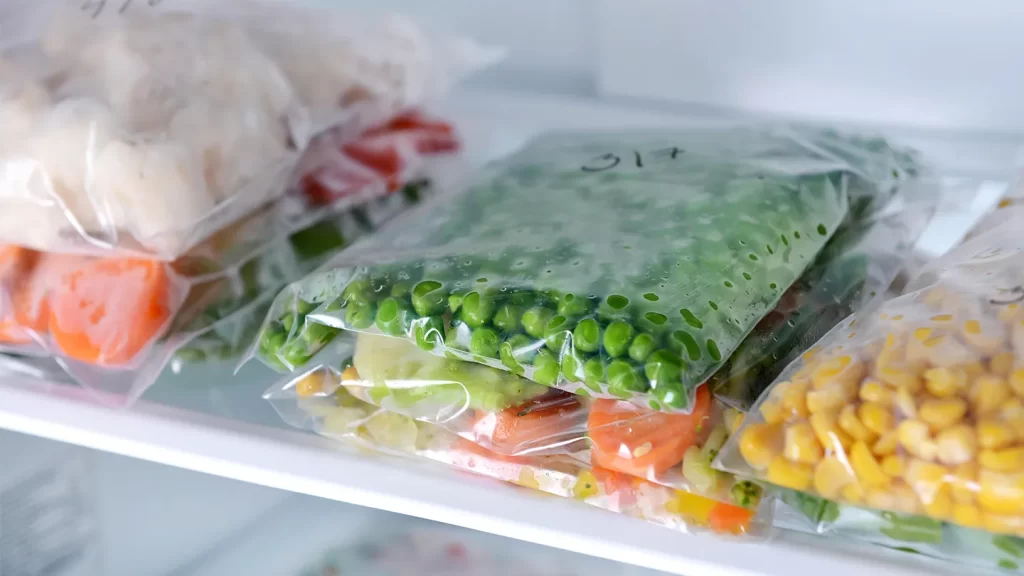
Blanching is a crucial step before freezing most vegetables. It involves briefly boiling them and then rapidly cooling them in ice water. This process deactivates enzymes responsible for spoilage and locks in color and flavor.
How to Blanch Vegetables Properly
- Prepare Boiling Water:
Use about 1 gallon (4 liters) of water for every 500 grams of vegetables to ensure even heating. - Add Vegetables:
Place a small batch into the boiling water. Start timing as soon as the water returns to a boil. - Blanch for the Right Time:
- Peas: 1½–2 minutes
- Carrots (sliced): 2–3 minutes
- Broccoli florets: 3 minutes
- Spinach or leafy greens: 1–2 minutes
- Green beans: 3 minutes
- Cool Immediately in Ice Water:
Transfer blanched vegetables to a bowl of ice water for the same duration as blanching to stop the cooking process. - Drain and Dry:
Remove all excess moisture using a clean towel or salad spinner.
Why It Works
Blanching preserves enzymes, chlorophyll (responsible for vibrant green color), and flavor compounds. It also reduces microbial load, ensuring that frozen vegetables maintain quality longer.
4. Freezing Methods That Lock in Freshness
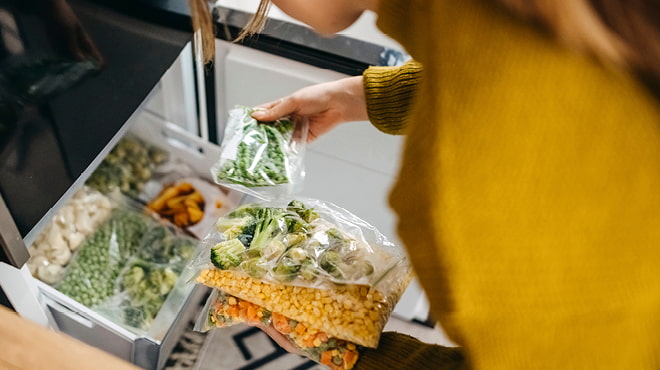
Once your vegetables are blanched and dried, how you freeze them determines how well they maintain their texture and flavor. Here are the best methods:
A. Flash Freezing
Flash freezing prevents vegetables from clumping together and ensures rapid freezing, minimizing ice crystal formation.
Steps:
- Spread vegetables in a single layer on a baking tray lined with parchment paper.
- Place the tray in the freezer for 1–2 hours until the vegetables are firm.
- Transfer them into airtight containers or freezer bags, label with the date, and return to the freezer.
Ideal for: Peas, beans, corn, broccoli, and carrots.
B. Freezing in Portions
For soups, curries, or stir-fries, pre-portion vegetables into serving sizes before freezing. This prevents unnecessary thawing and refreezing, which can degrade flavor.
Steps:
- Divide vegetables into measured quantities.
- Store each portion in a freezer-safe container or reusable silicone bag.
- Remove excess air before sealing.
C. Freezing in Liquids
Vegetables like spinach or herbs can be frozen in ice cube trays filled with water or vegetable stock. Once frozen, transfer the cubes to freezer bags. These can go directly into soups or sauces, adding instant flavor and nutrients.
5. Packaging and Storage for Maximum Flavor
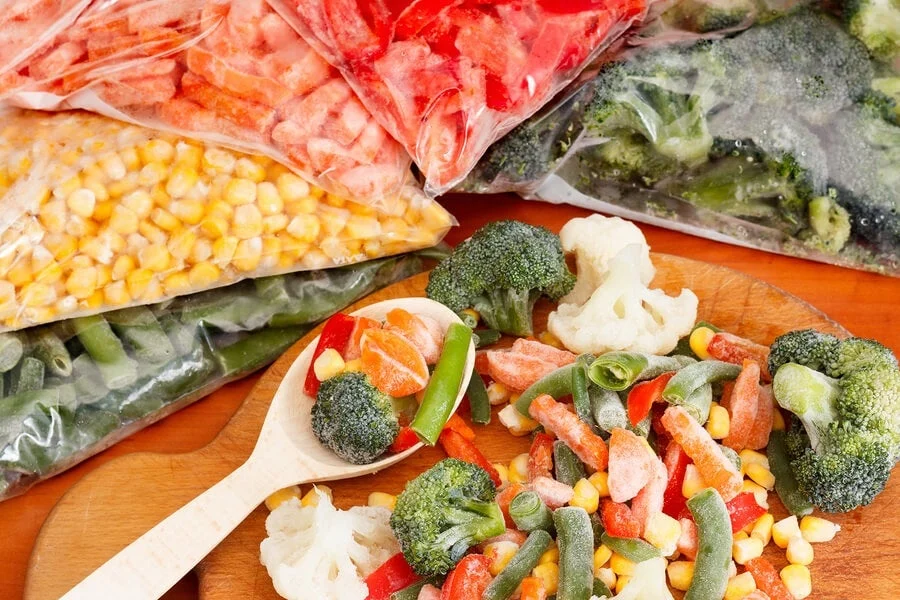
Air is the enemy of frozen food. Exposure to oxygen causes “freezer burn,” which leads to discoloration, dryness, and flavor loss.
Best Practices
- Use High-Quality Freezer Bags or Containers:
Opt for BPA-free, airtight containers or vacuum-sealed bags. Avoid thin plastic wraps, which allow air penetration. - Remove Excess Air:
If you don’t have a vacuum sealer, gently press the bag to remove air before sealing. - Label Everything:
Always mark the date and type of vegetable. Most frozen vegetables stay best within 8–12 months. - Maintain Consistent Temperature:
Keep your freezer at -18°C (0°F) or lower. Avoid frequent opening, which causes temperature fluctuations. - Organize Efficiently:
Store similar vegetables together and use older batches first.
Pro Tip:
Add a small layer of olive oil to delicate vegetables like bell peppers before sealing — it prevents frost buildup and helps retain color and flavor.
6. Thawing Vegetables Correctly
Thawing can make or break the texture of your vegetables. Some should be used directly from the freezer, while others benefit from gentle defrosting.
Best Practices
- Cook Directly: Vegetables like peas, beans, and corn can go straight into boiling water, soups, or stir-fries without thawing.
- Thaw in Refrigerator: For dishes like salads or mixed vegetables, thaw slowly in the refrigerator for several hours.
- Avoid Microwaving: Rapid heating can cause uneven texture and flavor loss.
- Pat Dry Before Cooking: If excess moisture forms after thawing, gently blot with a towel before using.
7. Maintaining Nutritional Value and Color
Freezing helps preserve nutrients — particularly vitamins A, C, and K — as long as vegetables are handled properly. To ensure maximum nutritional and visual appeal:
- Freeze Vegetables When Fresh: The sooner you freeze after harvest, the better the nutrient retention.
- Avoid Over-Blanching: Too much heat can destroy vitamins and dull the color.
- Store in Small Batches: Smaller packages freeze faster, reducing nutrient loss.
- Keep Freezer Organized: Don’t overcrowd; allow cold air to circulate around packages.
A simple indicator of successful freezing is the vegetable’s color — bright greens, oranges, and yellows suggest good preservation of chlorophyll and carotenoids, which are both flavor and nutrient-rich compounds.
8. Common Mistakes to Avoid
- Skipping the Blanching Step: Leads to dull color and bitter flavors.
- Freezing Wet Vegetables: Causes large ice crystals and sogginess.
- Leaving Air in Bags: Results in freezer burn and dehydration.
- Overloading the Freezer: Prevents rapid freezing and leads to uneven results.
- Storing Too Long: Even frozen vegetables lose flavor after a year.
9. Creative Ways to Use Frozen Vegetables
Frozen vegetables are not just for convenience — they can be used creatively in various vegetarian dishes:
- Smoothies: Spinach, kale, and carrots blend well with fruits.
- Soups and Stews: Frozen peas, beans, and corn add texture and nutrition.
- Stir-Fries: Pre-cut frozen bell peppers and broccoli cook quickly.
- Curries: Frozen cauliflower and spinach retain flavor beautifully in spiced gravies.
- Baking: Use grated frozen zucchini or carrots in muffins and breads.
Conclusion
Freezing vegetables without losing flavor is both an art and a science. It involves understanding how temperature, moisture, and enzymes interact, and applying simple but precise methods like blanching, flash freezing, and proper packaging.
By following these steps — from choosing fresh produce to storing it correctly — you can enjoy vibrant, flavorful, and nutrient-rich vegetables all year long. Not only does this reduce food waste and save money, but it also ensures that your meals stay healthy and delicious, regardless of the season.
With mindful freezing, every bite can taste like it came straight from the garden — naturally fresh, full of flavor, and completely vegetarian.