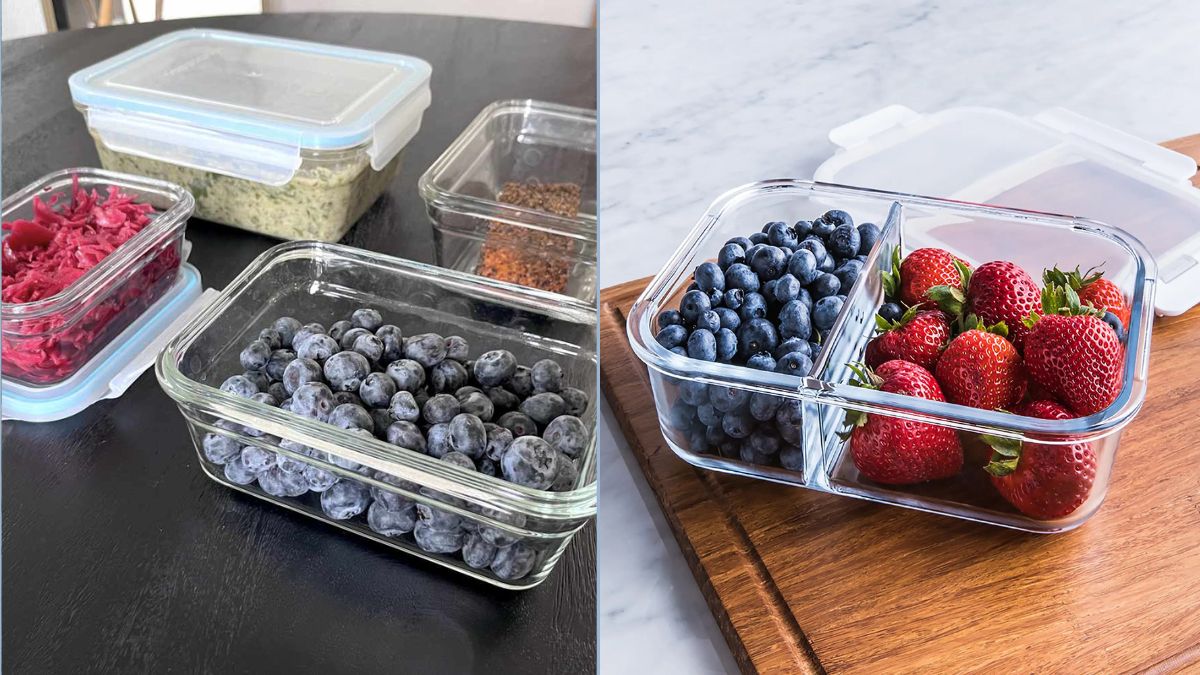
Fresh fruits and vegetables are essential for a balanced vegetarian diet, providing vitamins, minerals, and natural fiber that support good health. However, one of the biggest challenges faced in every household is keeping produce fresh for longer periods. Whether you buy from the market or harvest from your garden, improper storage often leads to early spoilage, nutrient loss, and food waste.
Choosing the right containers for preserving produce can make a world of difference. The right storage helps regulate temperature, humidity, and airflow — three key factors that determine how long fruits and vegetables remain fresh. This article explores the best container types for preserving produce naturally, how they work, and practical tips for extending shelf life without any non-vegetarian preservatives or chemicals.
1. Understanding How Storage Affects Freshness
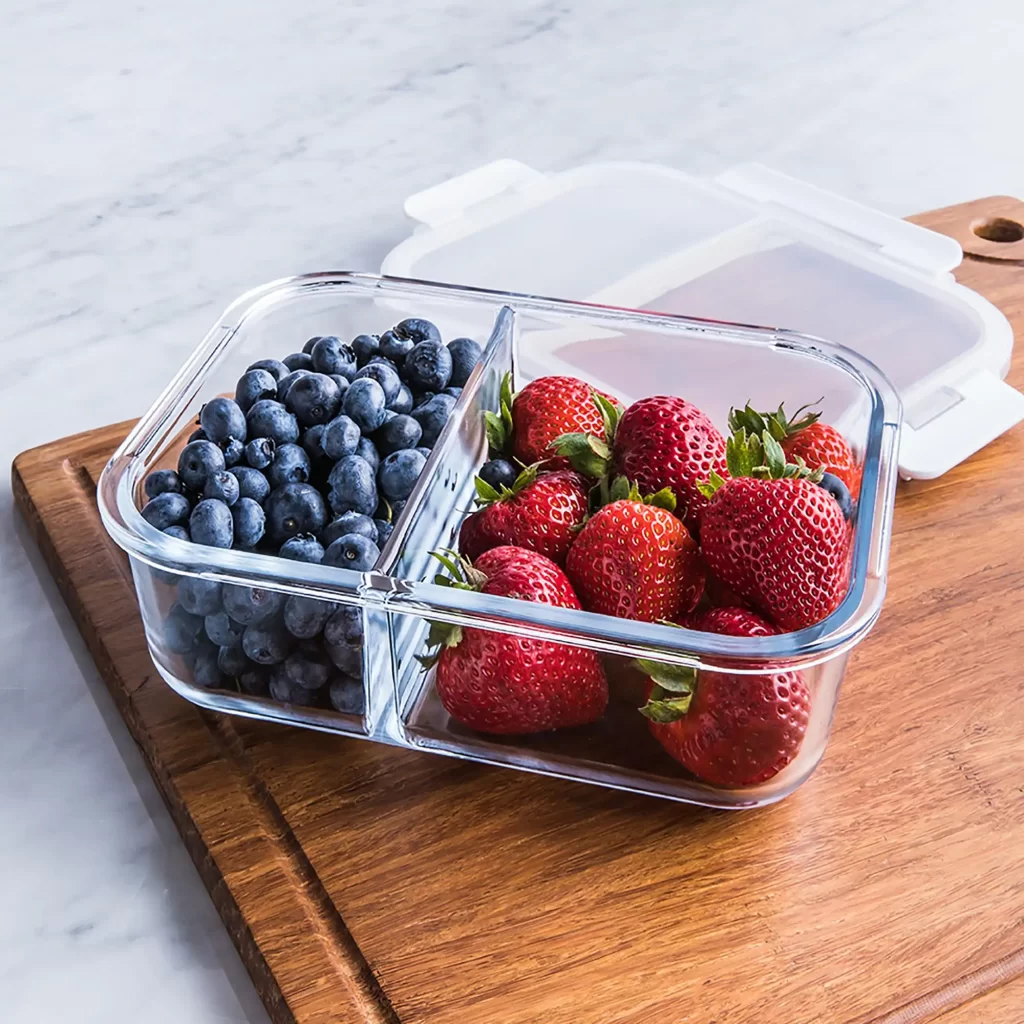
Before choosing the right container, it’s important to understand why produce spoils. Fruits and vegetables are living organisms that continue to respire after harvest — they absorb oxygen and release carbon dioxide and water. This process, called respiration, leads to gradual softening, loss of moisture, and spoilage.
Additionally, some fruits emit ethylene gas, a natural ripening agent that can speed up the aging of nearby produce. Improper storage traps moisture or ethylene gas, accelerating decay.
Thus, ideal containers should:
- Maintain balanced humidity (not too wet, not too dry).
- Allow adequate airflow.
- Protect produce from temperature fluctuations.
- Be food-safe and chemical-free.
2. Glass Containers – Safe, Sustainable, and Elegant
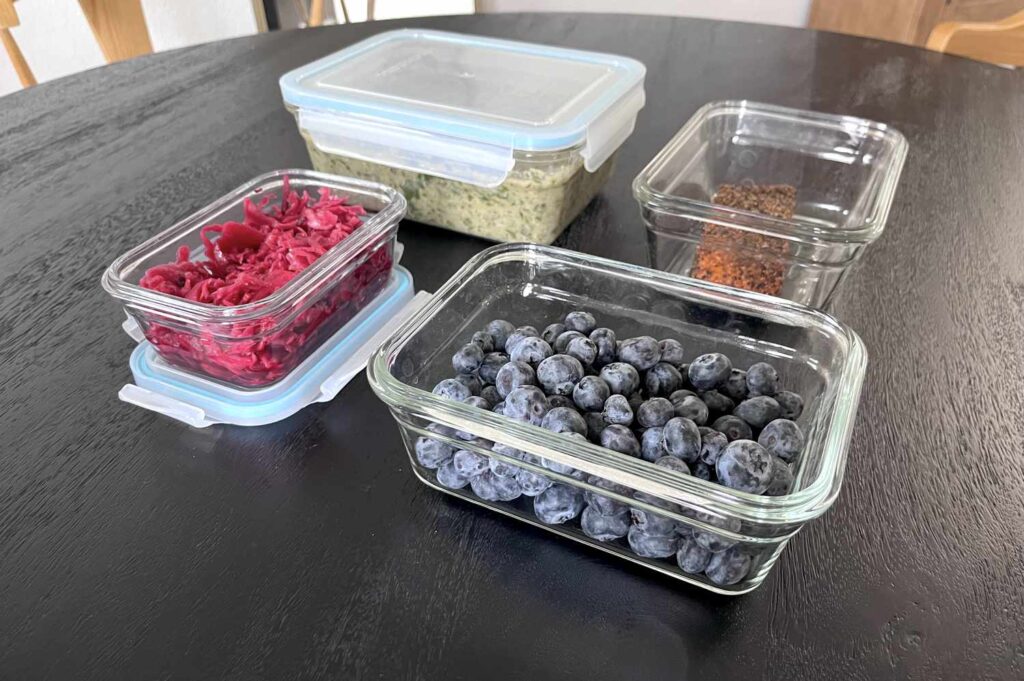
Glass containers are among the best choices for preserving produce because they are non-reactive, transparent, and eco-friendly.
Advantages of Glass Containers
- Non-toxic and odorless: Glass does not leach chemicals, making it ideal for storing fresh and cut vegetables or fruits.
- Visibility: You can easily see what’s inside, reducing food waste from forgotten items.
- Excellent for Refrigeration: Perfect for chopped produce, herbs, and leftovers.
- Reusable and Eco-Friendly: Durable and sustainable for long-term use.
Best Uses
- Store cut fruits like apples, mangoes, or melons in airtight glass jars.
- Keep leafy greens or herbs wrapped in a damp paper towel inside a glass container with a loose-fitting lid.
- For long-term freshness, use glass containers with silicone seals to lock out air.
Pro Tip:
Avoid overfilling — leaving slight headspace allows proper air circulation and reduces condensation inside the jar.
3. Stainless Steel Containers – Durable and Temperature-Resistant
Stainless steel containers are another excellent option for preserving produce, particularly for households avoiding plastic use. They are lightweight, rust-resistant, and help maintain a stable internal temperature.
Benefits
- Highly Durable: Resistant to stains, cracks, and odors.
- Maintains Temperature: Keeps produce cooler for longer periods.
- Hygienic and Easy to Clean: Non-porous surface prevents bacterial growth.
- Plastic-Free Option: Ideal for eco-conscious households.
Best Uses
- Great for refrigerating sturdy vegetables like carrots, beans, and bell peppers.
- Perfect for cooked or blanched vegetables meant for short-term storage.
- Can be used for marinating or prepped produce before cooking.
Note:
For delicate fruits like berries or peaches, line the base of the container with a soft cotton cloth or paper towel to absorb excess moisture.
4. Vacuum-Sealed Containers – Locking in Freshness
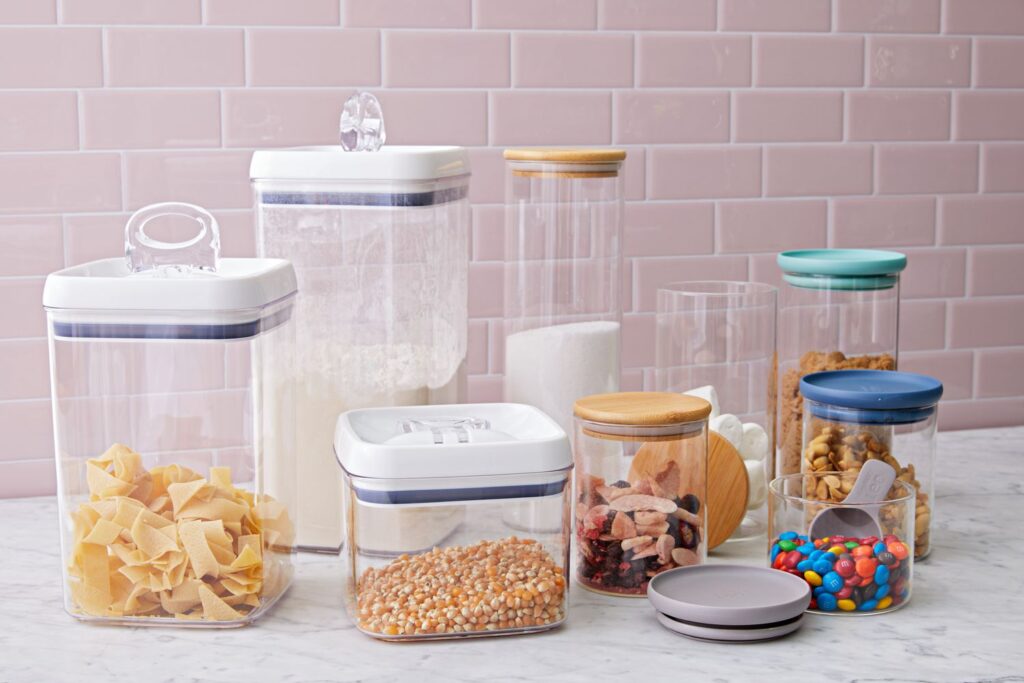
Vacuum-sealing technology removes air from the storage container, dramatically slowing oxidation and microbial growth. It’s particularly effective for preserving produce that spoils quickly.
Advantages
- Prevents Oxidation: Keeps produce crisp and prevents discoloration.
- Reduces Moisture Loss: Ideal for leafy greens and cut vegetables.
- Extends Shelf Life: Can increase freshness by up to five times compared to traditional storage.
Best Uses
- Perfect for chopped salad greens, beans, peas, corn, and herbs.
- Useful for freezing fruits like strawberries, mango slices, and bananas without freezer burn.
How It Works
Vacuum containers use a hand pump or electric sealer to remove air, creating a near-airless environment. This inhibits the growth of aerobic bacteria and molds.
Tip:
Always ensure the produce is completely dry before sealing, as trapped moisture can still cause spoilage.
5. Silicone Food Bags and Pouches – Flexible and Reusable
Silicone bags have gained popularity as sustainable, airtight alternatives to single-use plastic bags. Made from food-grade silicone, they are heat-resistant, flexible, and ideal for both refrigeration and freezing.
Benefits
- Airtight Seal: Keeps fruits and vegetables crisp.
- Refrigerator and Freezer Safe: Can handle temperature fluctuations without damage.
- Space-Saving: Flexible design fits easily into any space.
- Reusable: Washable and long-lasting.
Best Uses
- Storing herbs, leafy greens, sliced vegetables, and fruit pieces.
- Freezing chopped produce or pre-cut smoothie fruits.
- Ideal for travel or lunch storage.
Bonus Tip:
Label silicone bags with the date of storage using a marker — this helps track freshness and reduce waste.
6. Breathable Cotton or Mesh Bags – Perfect for Dry Storage
Not all produce needs refrigeration. Vegetables like onions, potatoes, and garlic actually last longer in cool, dry, and well-ventilated conditions. Breathable cotton or mesh bags are ideal for such items.
Advantages
- Allows Air Circulation: Prevents condensation and mold.
- Eco-Friendly: Made from natural fibers and fully compostable.
- No Plastic Odor: Keeps vegetables smelling fresh and natural.
Best Uses
- Store root vegetables (potatoes, beets, carrots).
- Keep garlic, shallots, and onions separate in breathable bags.
- Use mesh bags to store citrus fruits like oranges and lemons.
Tip:
Hang the bags in a dark, cool area — direct sunlight can trigger sprouting or spoilage.
7. Ceramic and Earthen Pots – Traditional but Effective
For centuries, earthenware containers have been used in rural homes to keep fruits and vegetables fresh naturally. The porous structure of clay allows gradual air and moisture exchange, keeping the produce cool and crisp.
Benefits
- Natural Temperature Control: The evaporative cooling effect keeps contents fresh.
- Chemical-Free Storage: 100% natural and biodegradable.
- Sustainable: Uses no electricity and lasts for years with care.
Best Uses
- Ideal for storing cucumbers, carrots, and leafy greens.
- Perfect for short-term fruit storage, especially bananas and apples.
Care Tip:
Rinse the pot weekly and let it dry completely to prevent mold buildup.
8. Plastic Containers – Convenient but Use with Caution
Plastic containers are widely used because they are lightweight and inexpensive. However, they must be BPA-free and food-grade to ensure safety.
Advantages
- Affordable and available in many sizes.
- Transparent options allow easy visibility.
- Airtight lids help prevent moisture loss.
Drawbacks
- May retain odors and stains over time.
- Non-biodegradable — less eco-friendly.
- Some plastics can leach chemicals if exposed to heat or sunlight.
Best Uses
- Store produce for short durations in the refrigerator.
- Use for dry produce like peas, beans, or lentils rather than juicy fruits.
Pro Tip:
Avoid heating or microwaving produce in plastic containers, as this can cause chemical migration into food.
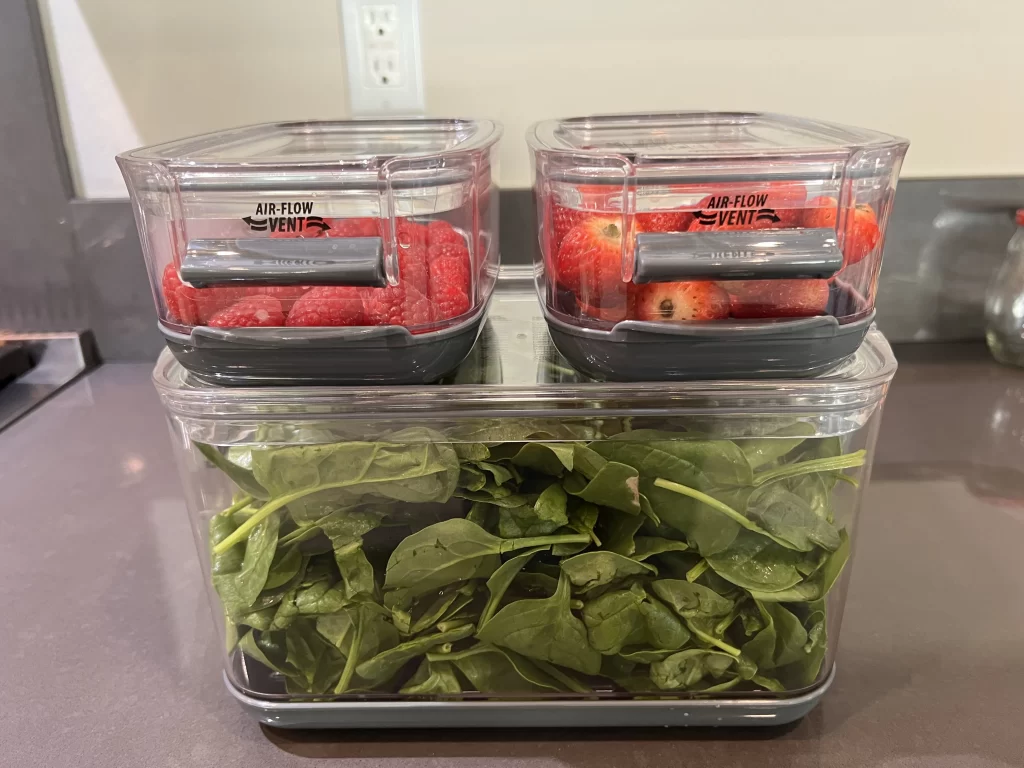
9. Specialized Produce Keepers – Modern Solutions
Modern produce storage containers are designed with built-in vents, humidity controls, and air filters to optimize freshness.
Features
- Adjustable Ventilation: Lets you control airflow depending on the produce type.
- Moisture Lock System: Keeps vegetables hydrated but not soggy.
- Odor Filters: Reduce the buildup of ethylene gas.
Best Uses
- Perfect for mixed produce drawers in refrigerators.
- Keeps lettuce, herbs, berries, and tomatoes fresh for up to two weeks.
Though these containers are more expensive, their efficiency and convenience make them a worthy investment for serious home cooks and vegetarians who value fresh ingredients.
10. Tips for Storing Different Types of Produce
Different fruits and vegetables have different storage needs. Here’s a quick guide:
| Type | Ideal Container | Storage Tip |
|---|---|---|
| Leafy Greens | Glass or vacuum containers | Wrap in damp paper towels. |
| Root Vegetables | Mesh or cotton bags | Store in cool, dark place. |
| Soft Fruits | Glass jars or silicone bags | Refrigerate and avoid stacking. |
| Citrus Fruits | Mesh bags or open bowls | Keep at room temperature. |
| Berries | Ventilated containers | Line with paper towel to absorb moisture. |
| Herbs | Glass jars with water | Cover loosely and refrigerate. |
Conclusion
Preserving produce isn’t just about convenience — it’s about sustainability, health, and minimizing waste. By choosing the right storage containers, you can maintain the flavor, texture, and nutritional value of your fruits and vegetables for much longer.
Whether you prefer glass jars for freshness, stainless steel for durability, silicone bags for flexibility, or traditional earthen pots for natural cooling, each option plays a role in eco-friendly and efficient preservation.
Combining proper container choice with mindful storage practices — like managing humidity, separating ethylene-producing fruits, and avoiding moisture buildup — ensures your produce stays as vibrant and nourishing as the day you brought it home.
In a world where reducing waste and eating healthy go hand in hand, selecting the best containers for preserving produce is a simple but powerful step toward sustainable living and conscious consumption.