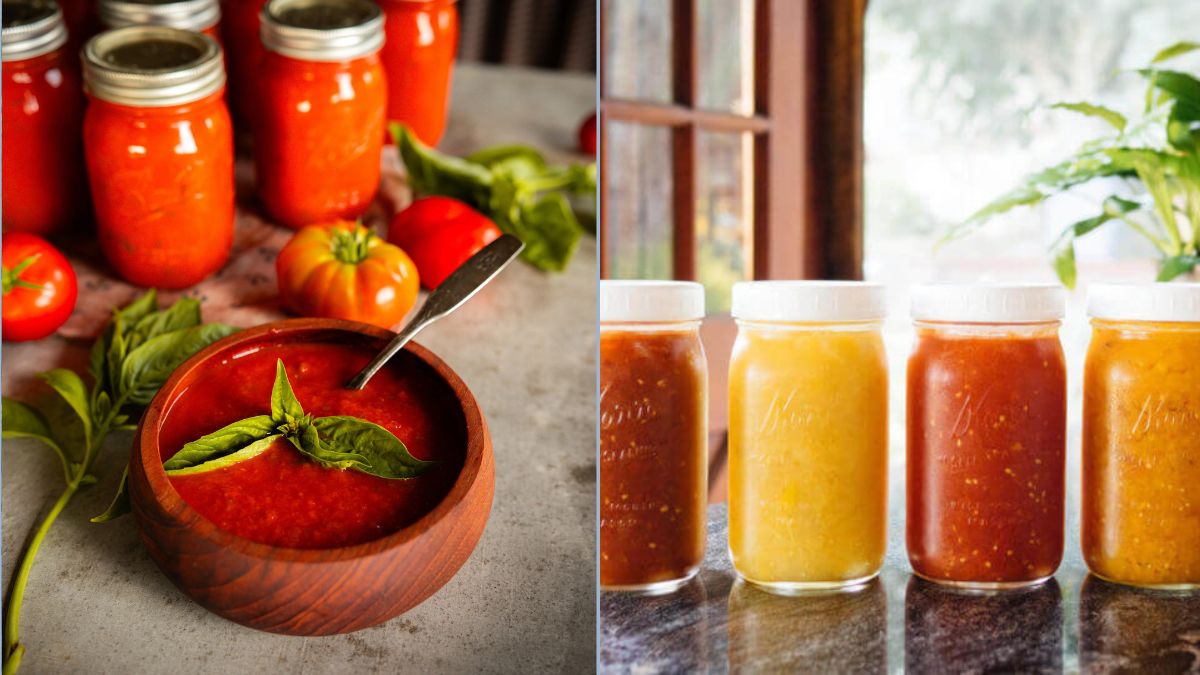
Tomato sauce is one of the most versatile ingredients in vegetarian cooking. Whether used for pasta, curries, soups, or casseroles, it adds vibrant color, rich flavor, and natural umami to countless dishes. Many people prefer preparing homemade tomato sauce because it allows complete control over ingredients — no artificial preservatives, excess salt, or added sugars. However, storing this homemade goodness properly is crucial to preserving its freshness, flavor, and nutritional value over time.
Without the chemical preservatives used in store-bought versions, homemade tomato sauce requires careful handling and storage to avoid spoilage. The good news is that, with a few effective techniques, you can safely keep your sauce fresh for weeks — or even months — without losing taste or texture.
This article explains the best homemade tomato sauce storage tips, the science behind spoilage prevention, and practical methods for long-term preservation — all fully vegetarian-friendly.
1. Understanding Why Tomato Sauce Spoils
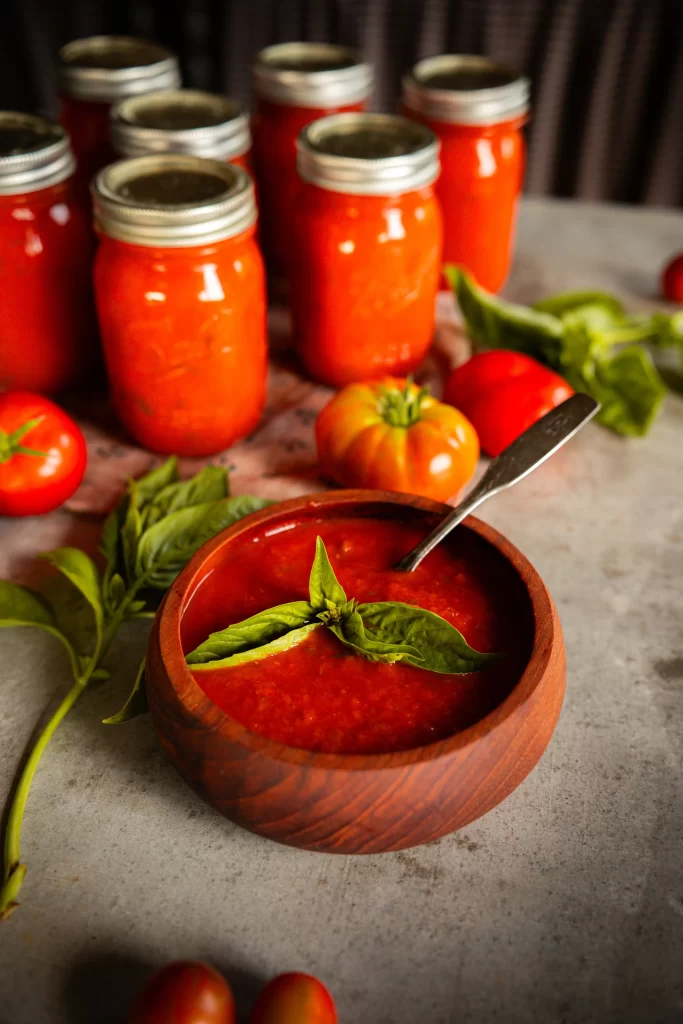
Tomatoes are naturally acidic, which makes them less prone to bacterial growth than many other vegetables. However, once blended or cooked into a sauce, their protective barriers are broken down. If not stored correctly, microorganisms such as mold, yeast, or bacteria can quickly grow, especially in warm environments.
Main Factors That Cause Spoilage
- Temperature Fluctuations: Warm conditions promote microbial activity.
- Air Exposure: Oxygen encourages oxidation, discoloration, and off-flavors.
- Contamination: Using unsterilized jars, utensils, or containers introduces bacteria.
- Moisture and Impurities: Water and leftover food particles can lead to fermentation.
To extend shelf life, the goal is to eliminate air exposure, control temperature, and use sterilized containers that keep the sauce sealed and protected.
2. Choosing the Right Containers
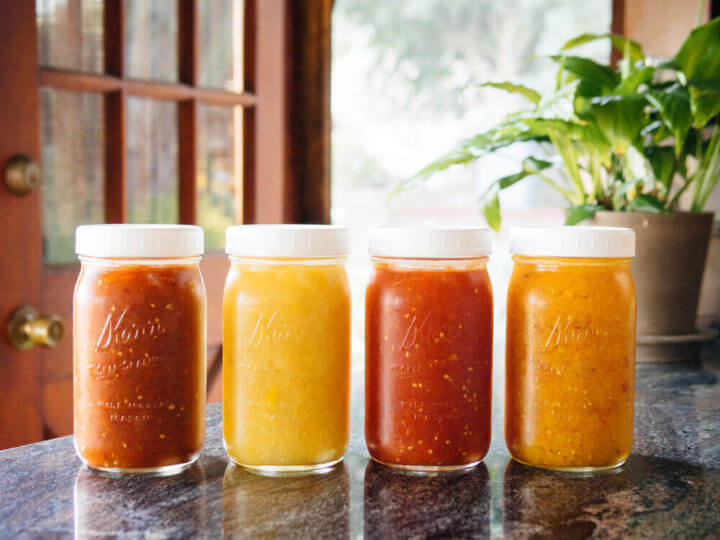
Selecting proper storage containers is the first step toward safe and long-lasting preservation.
A. Glass Jars
Glass jars are the most popular and effective option for storing homemade tomato sauce. They are non-reactive, meaning they don’t absorb odors or leach chemicals into food.
Tips:
- Use heat-resistant, airtight glass jars (mason jars or canning jars).
- Inspect for cracks or chips before use.
- Always sterilize jars by boiling them in hot water for 10–15 minutes before filling.
- Use new, tight-fitting lids for a proper seal.
B. Freezer-Safe Containers
If you plan to store tomato sauce for longer than a few weeks, freezer-safe containers or silicone bags are ideal.
Tips:
- Leave 1–2 cm of headspace at the top for expansion during freezing.
- Label containers with the date.
- Avoid overfilling to prevent cracking.
- Use BPA-free, food-grade containers only.
C. Stainless Steel or Ceramic
For short-term storage in the refrigerator (1–3 days), stainless steel or ceramic containers work well. They maintain temperature evenly and prevent flavor absorption.
3. Cooling the Sauce Properly Before Storage
Never store hot tomato sauce directly in containers. The sudden change in temperature can cause condensation inside the jar, leading to bacterial growth or spoilage.
Best Cooling Practice:
- After cooking, let the sauce cool at room temperature for about 30–45 minutes.
- Stir occasionally to release steam.
- Once the sauce is warm (not hot), transfer it to storage containers.
- Seal immediately after filling to prevent airborne contamination.
Avoid leaving tomato sauce out for more than two hours, as this gives bacteria time to multiply.
4. Refrigeration: Short-Term Storage
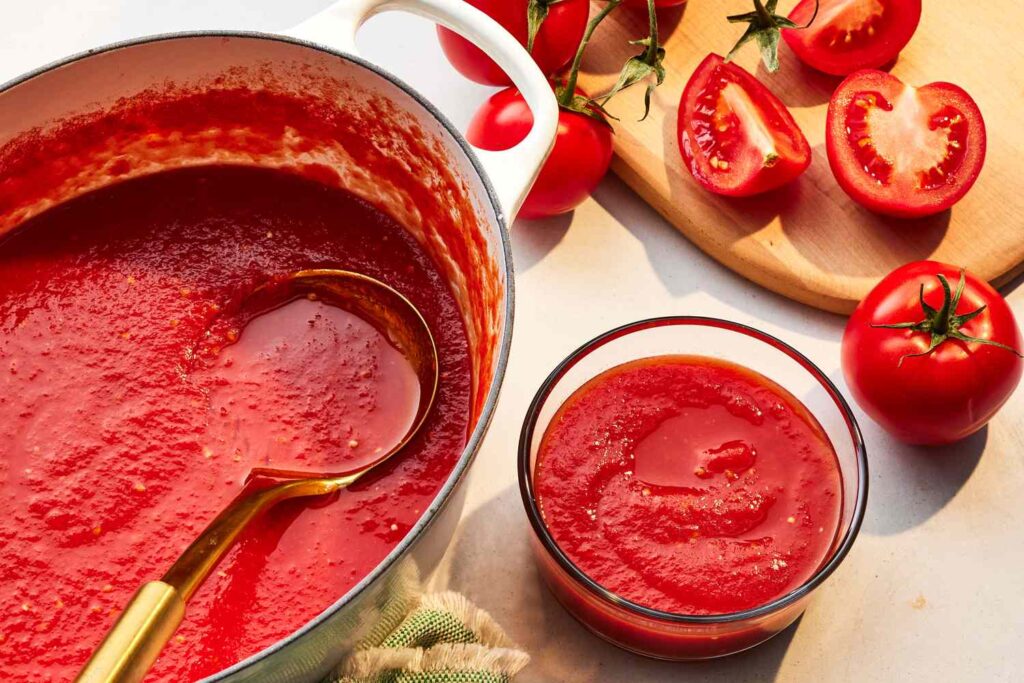
For short-term use, refrigeration is the simplest and most convenient option.
Steps:
- Transfer cooled sauce into airtight glass or stainless steel containers.
- Keep them in the refrigerator’s main compartment (not the door) to maintain a steady temperature.
- Always use clean, dry spoons when scooping out sauce to avoid contamination.
Shelf Life:
Homemade tomato sauce lasts up to 5–7 days in the refrigerator when properly sealed.
Tip for Longevity:
- Drizzle a thin layer of olive oil on top before sealing. This acts as a natural barrier against air and mold.
5. Freezing: Long-Term Storage Solution
Freezing is the most effective way to preserve homemade tomato sauce for months while maintaining flavor, texture, and nutrients. Freezing halts bacterial growth and enzymatic activity.
How to Freeze Tomato Sauce
- Cool Completely: Never freeze hot sauce.
- Portion the Sauce: Divide into small servings (½ to 1 cup each) so you can thaw only what you need.
- Use Freezer Bags or Containers: Remove excess air before sealing.
- Label and Date: Helps track freshness and avoid freezer burn.
- Freeze Flat (if using bags): Saves space and allows faster freezing.
Freezing Duration:
Homemade tomato sauce stays fresh for up to 3–4 months in the freezer.
Thawing Tips:
- Thaw in the refrigerator overnight for best results.
- Avoid microwaving directly from frozen to prevent uneven heating.
- After thawing, reheat thoroughly on low heat before serving.
6. Canning: Traditional Preservation for Long-Term Storage
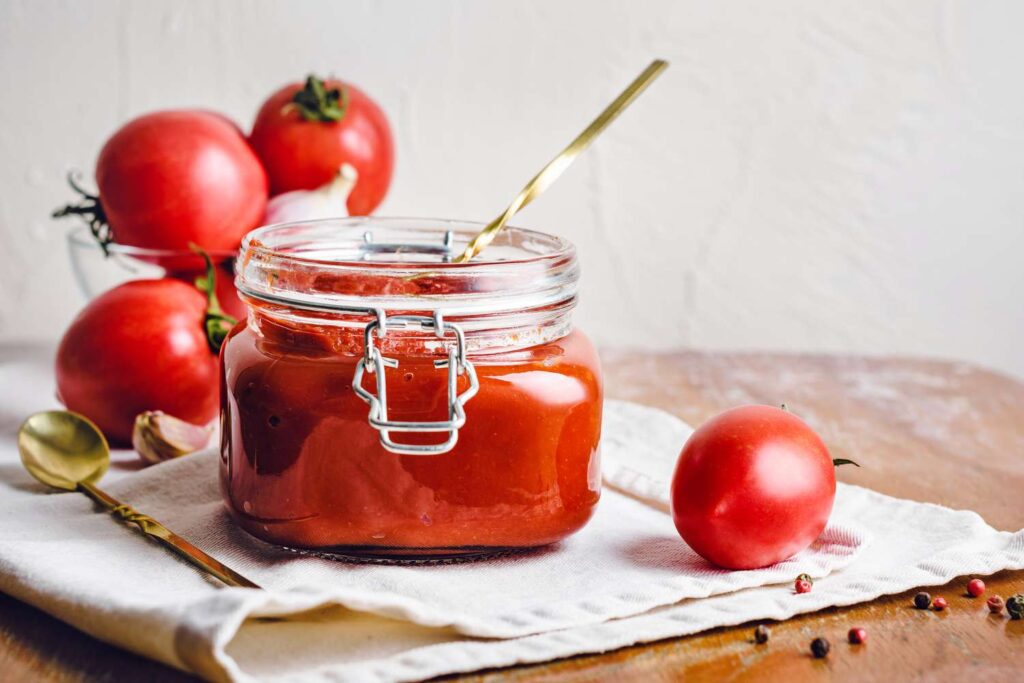
Canning is a traditional and effective way to store tomato sauce for up to one year without freezing. It involves sealing the sauce in sterilized glass jars and heat-processing them to destroy microorganisms.
Types of Canning:
A. Water Bath Canning:
Ideal for acidic tomato sauces.
Steps:
- Fill sterilized jars with hot tomato sauce, leaving 1 cm of headspace.
- Wipe rims clean and seal tightly with lids.
- Submerge jars in boiling water for 35–40 minutes.
- Remove and let cool at room temperature for 24 hours.
Once sealed, jars can be stored at room temperature in a cool, dark place.
B. Pressure Canning (Optional):
Useful for low-acid sauces or large batches, though water bath canning is sufficient for most vegetarian recipes.
Signs of Proper Seal:
- The lid should be concave (slightly indented inward).
- No leaks, bubbles, or bulging.
- Pressing the lid should not produce a clicking sound.
7. Avoiding Common Storage Mistakes
Many home cooks unintentionally shorten the life of their tomato sauce through simple mistakes. Avoid these pitfalls:
- Using Dirty or Wet Containers: Even a few water droplets can introduce bacteria.
- Not Cooling Before Storing: Heat causes condensation, which fosters mold.
- Overfilling Containers: Leaves no space for expansion and can cause leakage or cracking.
- Frequent Opening: Repeatedly opening containers introduces air and contaminants.
- Improper Labeling: Always record the date to ensure timely use.
8. Enhancing Shelf Life Naturally
Since artificial preservatives are not used in homemade sauces, natural preservation methods are key.
Natural Shelf-Life Boosters
- Salt: Acts as a mild preservative and flavor enhancer.
- Olive Oil: A protective oil layer prevents oxidation.
- Vinegar or Lemon Juice: Increases acidity and prevents bacterial growth.
- Fresh Herbs Added Later: Add herbs like basil or parsley when reheating rather than before storing; this maintains freshness and prevents bitterness.
Storage Environment:
- Keep jars away from direct sunlight.
- Maintain a stable temperature — around 10–20°C (50–68°F) for pantry storage.
- Ensure lids remain sealed tightly throughout storage.
9. Reheating and Using Stored Tomato Sauce
When you’re ready to use stored sauce, always handle it safely.
For Refrigerated Sauce:
- Reheat on low to medium heat until simmering.
- Stir occasionally to avoid burning.
- Use within two days of reheating — do not refreeze after thawing.
For Frozen Sauce:
- Thaw overnight in the refrigerator.
- Reheat gently and add a dash of olive oil to restore texture and shine.
For Canned Sauce:
- Check the lid before opening — if swollen or leaking, discard immediately.
- Once opened, store leftovers in the refrigerator and use within 5 days.
10. Sustainability and Zero-Waste Practices
Homemade tomato sauce storage can be part of a sustainable kitchen routine. Instead of relying on disposable packaging, use reusable materials and eco-friendly habits.
Eco Tips:
- Reuse glass jars and silicone pouches.
- Compost tomato peels and seeds instead of discarding them.
- Freeze sauce in measured portions to minimize leftovers.
- Label clearly to reduce forgotten or wasted batches.
These simple steps not only reduce environmental impact but also make your cooking process more organized and cost-effective.
Conclusion
Homemade tomato sauce is a wholesome and flavorful addition to vegetarian cooking, but proper storage determines how long its freshness and nutrition last. From choosing the right containers to mastering cooling, freezing, and canning techniques, every step plays an essential role in preservation.
By following these homemade tomato sauce storage tips, you can ensure that every batch you prepare remains safe, delicious, and ready for your next meal. Natural methods like refrigeration, freezing, and canning — combined with clean practices and airtight containers — offer safe, chemical-free solutions that align perfectly with sustainable, vegetarian living.
Homemade food isn’t just about taste; it’s about care, mindfulness, and making the most of what nature provides. With these techniques, your tomato sauce can stay as fresh and flavorful as the day it was made — naturally, healthily, and deliciously.