Onions are an essential ingredient in almost every kitchen around the world. Their versatility, affordability, and strong flavor make them indispensable in countless vegetarian dishes — from curries and soups to stir-fries and salads. However, one of the most common problems faced by home cooks and food preservers is that onions begin to sprout or rot long before they can be used.
Fortunately, there are simple and effective ways to store onions so they stay fresh, firm, and sprout-free for several months. With the right storage conditions and proper handling, onions can maintain their quality naturally — without any chemical preservatives or non-vegetarian substances.
This article explores the science of onion sprouting, practical methods to prevent it, and smart home storage solutions for long-term freshness.
1. Understanding Why Onions Sprout
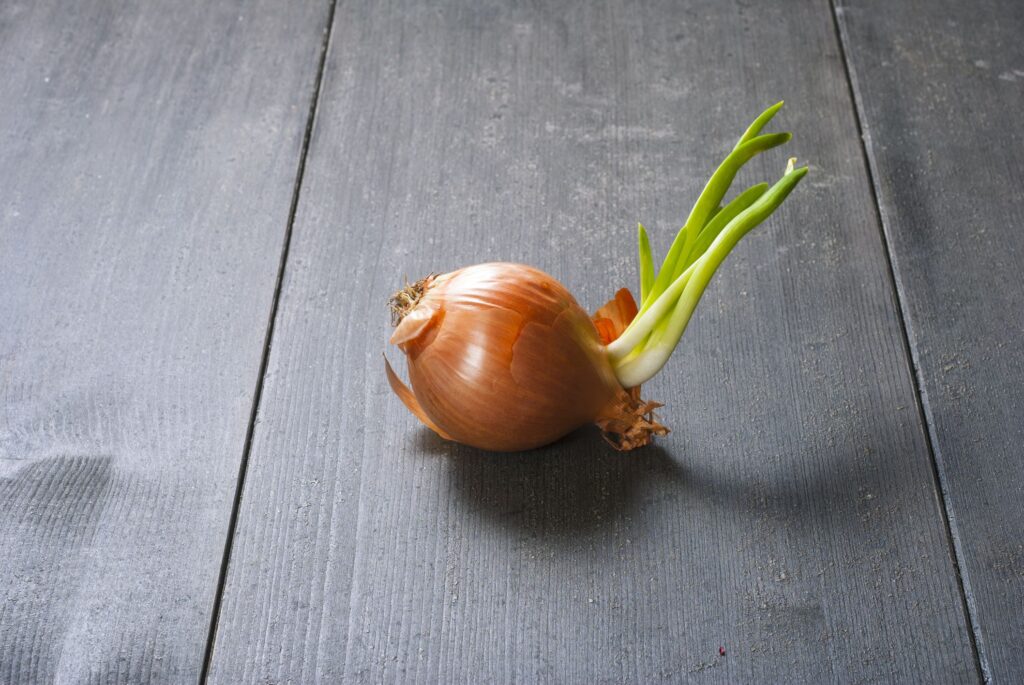
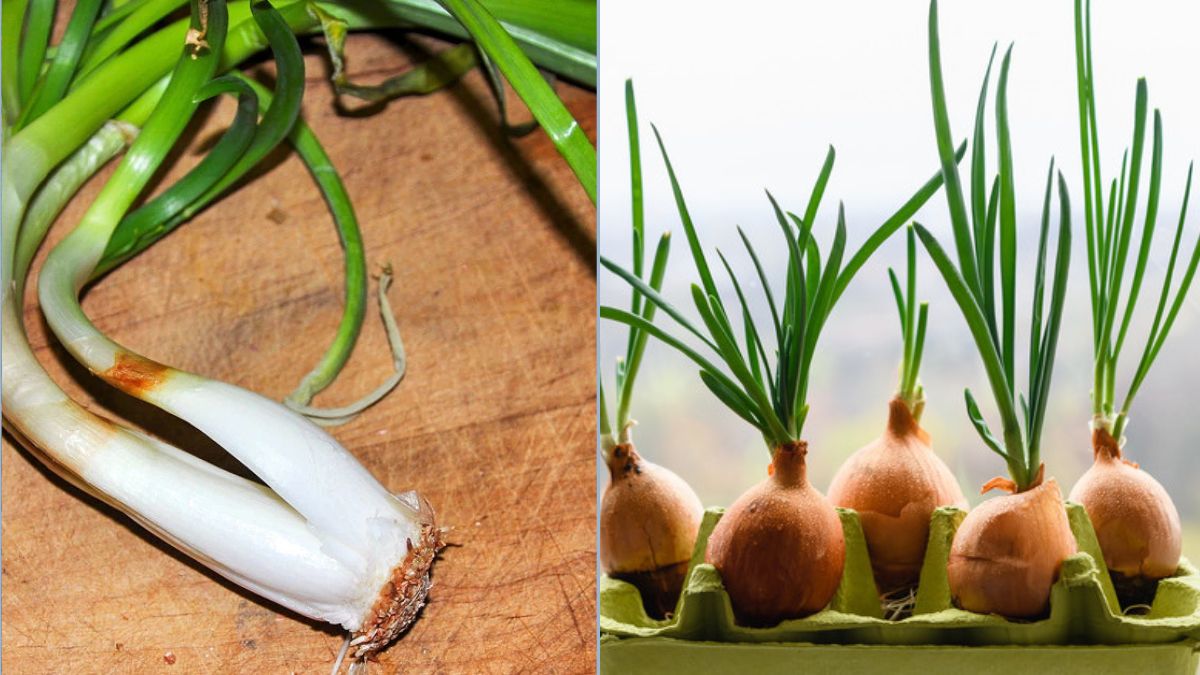
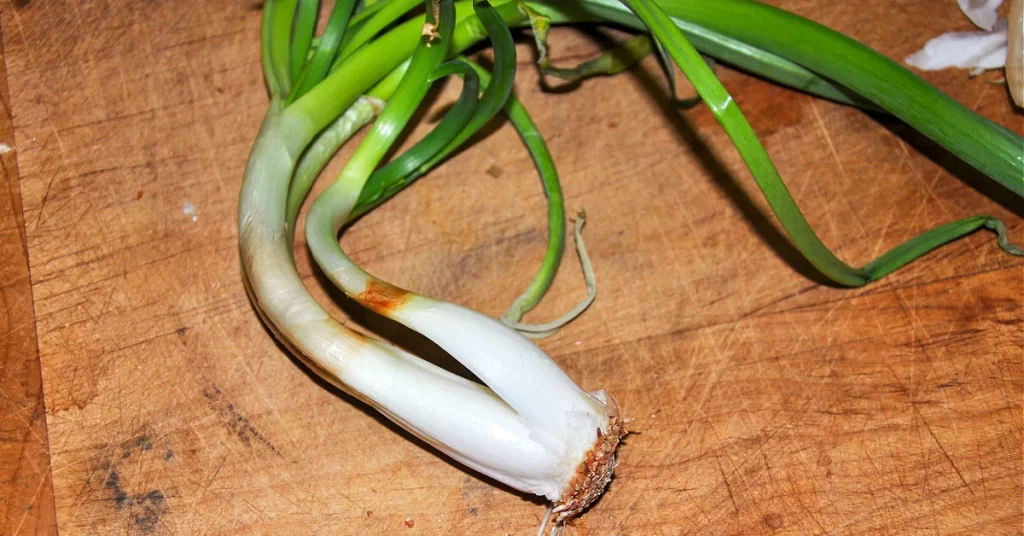
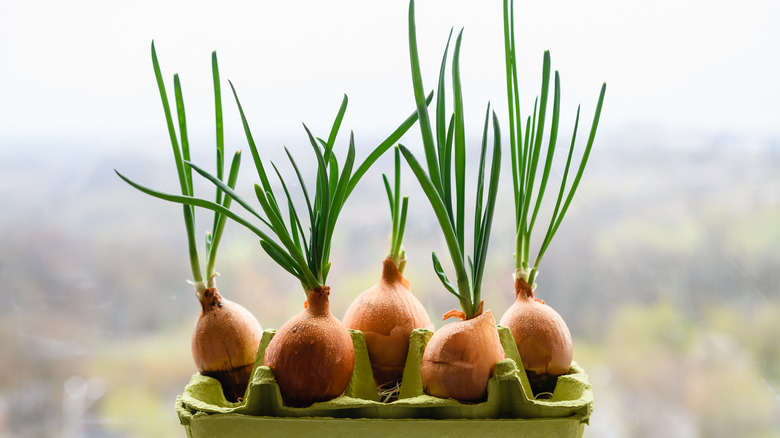
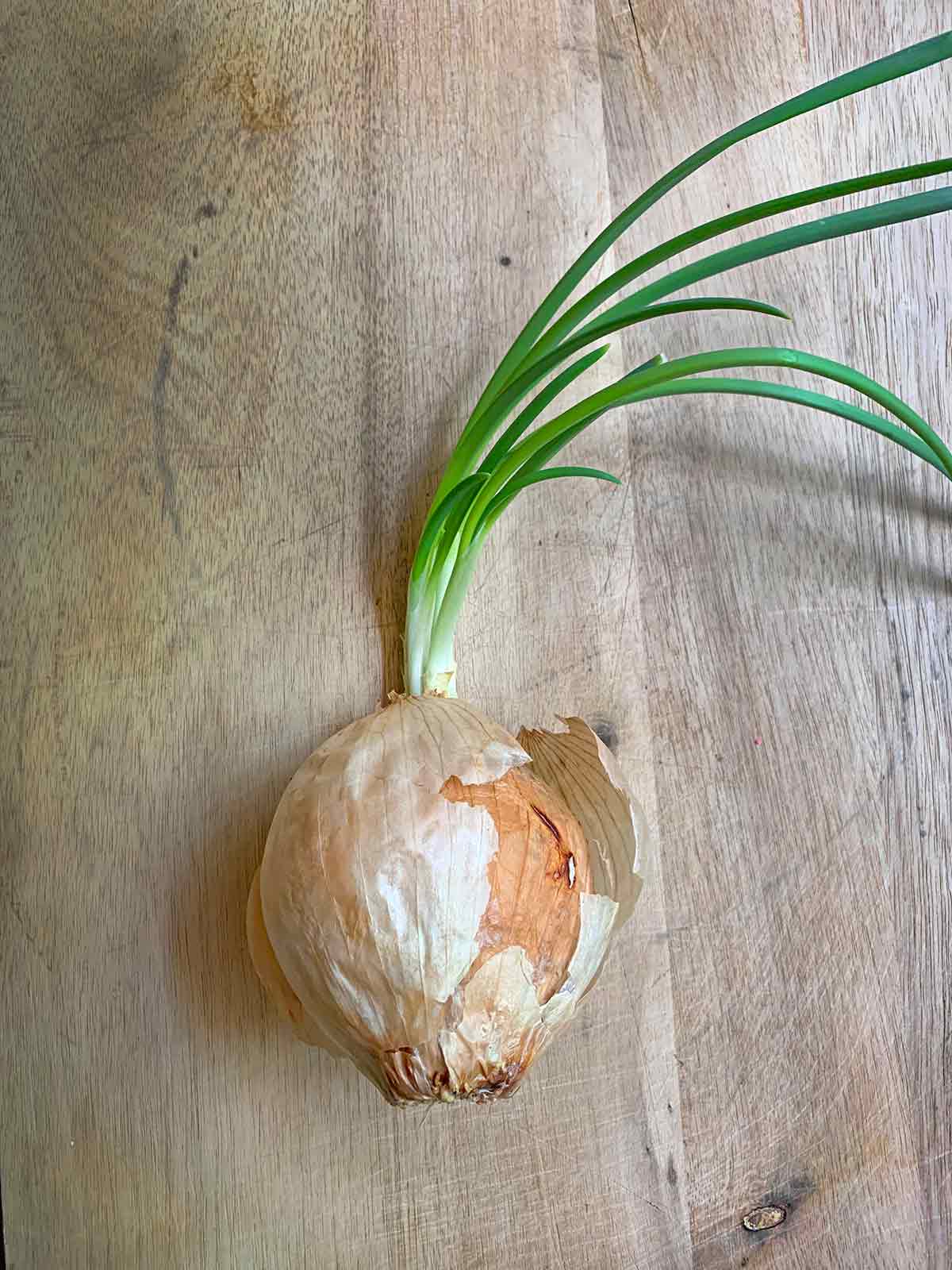
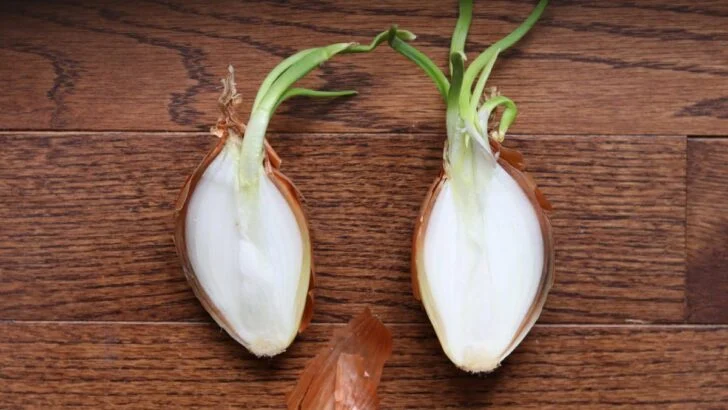
Sprouting is a natural process that occurs when an onion begins to regrow. Each onion is essentially a dormant plant bulb, containing the energy and nutrients needed to produce new shoots. When exposed to the right (or rather, wrong) environmental conditions — particularly moisture, warmth, and light — the onion “wakes up” and begins to sprout.
Main Causes of Onion Sprouting
- High Humidity: Moist environments trigger biological activity in the onion bulb, encouraging it to grow new green shoots.
- Warm Temperatures: Temperatures above 20°C (68°F) accelerate sprouting and spoilage.
- Exposure to Light: Onions exposed to light for extended periods often turn greenish and begin sprouting faster.
- Ethylene Gas: Onions stored near ethylene-producing fruits like apples, bananas, or tomatoes are more likely to sprout prematurely.
- Improper Airflow: Lack of ventilation traps moisture, creating a microclimate ideal for sprouting or rotting.
Understanding these causes is the foundation for preventing them. Once we control these factors, onions can remain firm and flavorful for months.
2. Choosing the Right Onions for Long-Term Storage
Not all onions have the same shelf life. Some varieties are naturally more suited for storage, while others are best used fresh.
Best Onion Varieties for Storage
- Yellow Onions: Thick-skinned and high in sulfur content, they resist decay longer than sweet or red varieties.
- Red Onions: Also store well, though slightly less durable than yellow types.
- White Onions: Mild in flavor but tend to have a shorter shelf life.
- Shallots: Closely related to onions, shallots have a long storage life and resist sprouting when kept dry.
Tips When Buying Onions
- Select firm, dry bulbs with papery outer skins.
- Avoid any with soft spots, bruises, or visible green shoots.
- Choose medium-sized onions — very large ones sprout faster due to higher moisture content.
A good batch of onions at the start significantly improves your storage results.
3. Preparing Onions for Storage
Before storing onions, proper preparation ensures they remain dry and protected.
Steps:
- Cure the Onions:
If you’ve harvested onions from your garden, allow them to cure for 10–14 days in a warm, well-ventilated, and shaded area. Spread them out in a single layer, turning occasionally until the outer skins become crisp and papery. - Clean Gently:
Brush off dirt but do not wash onions before storage. Moisture encourages rot. - Trim Tops and Roots:
Leave about 2–3 cm of the stem intact and clip off the roots. This prevents entry points for bacteria or mold. - Inspect Carefully:
Separate and use any damaged or partially soft bulbs first — only perfect onions should go into long-term storage.
4. Ideal Conditions for Onion Storage
To keep onions sprout-free for months, you must create the right environment. Onions prefer cool, dry, and dark spaces with consistent airflow.
Optimal Storage Conditions
- Temperature: 0–10°C (32–50°F). Avoid freezing temperatures.
- Humidity: 50–70% (too dry causes shriveling, too moist causes rot).
- Light: Store in total darkness to prevent sprouting.
- Air Circulation: Ensure continuous ventilation around each bulb.
Best Storage Locations
- A cellar, basement, or pantry is ideal.
- Avoid refrigerators — the humidity is too high and can make onions mushy.
- Keep them away from direct sunlight, heat sources, or fruits that release ethylene gas.
5. Best Containers and Storage Methods
The type of container you use for onions can make a big difference in preventing sprouting and rot. Onions need breathable containers that allow moisture to escape.
A. Mesh Bags or Net Bags
- Allow excellent air circulation.
- Prevent condensation buildup.
- Ideal for hanging storage.
Tip: Reuse old mesh produce bags or even pantyhose — place onions one by one, tying knots between them to separate and ventilate each bulb.
B. Wire Baskets or Crates
- Perfect for pantry or cellar shelves.
- Ensure the basket is lined with paper or straw to absorb excess moisture.
C. Paper Bags with Holes
- Punch small ventilation holes for airflow.
- Keep bags partially open and away from damp surfaces.
D. Wooden Boxes or Drawers
- Line with newspaper and avoid plastic coatings.
- Rotate onions occasionally to check for sprouting or spoilage.
Avoid Plastic Bags or Closed Containers
Plastic traps moisture and blocks airflow, which accelerates sprouting and decay. Always choose breathable materials.
6. Smart Home Techniques to Prevent Sprouting
Here are some practical, easy-to-apply techniques that extend the freshness of your onions naturally:
1. Use Onions and Potatoes Separately
Never store onions and potatoes together. Potatoes release moisture and gases that make onions sprout faster. Keep them in separate bins or rooms if possible.
2. Add Drying Agents
Place a handful of dry rice grains or baking soda packets near stored onions to absorb excess humidity.
3. Use Old Nylon Stockings
This age-old trick involves placing onions into stockings or pantyhose, tying a knot between each bulb. Hang them in a cool, airy place — this prevents touching, improves airflow, and minimizes rot.
4. Rotate Regularly
Check your stored onions every two to three weeks. Remove any that show signs of sprouting or softness to prevent them from affecting others.
5. Natural Anti-Sprouting Methods
- Sprinkle wood ash or dry sand at the bottom of storage crates — both absorb moisture.
- Use dried neem leaves or bay leaves between layers of onions to deter pests and mold naturally.
7. Storing Cut or Peeled Onions
If you’ve already cut or peeled onions, their shelf life drops significantly. Proper handling can still keep them fresh for a few days.
Refrigeration Method:
- Store chopped or sliced onions in airtight glass containers.
- Keep them in the refrigerator (not the freezer).
- Use within 3–4 days for best quality.
Avoid plastic containers — they absorb onion odor and promote condensation. A thin layer of olive oil on top can also help retain freshness for cooked sauces or bases.
8. Freezing Onions for Long-Term Use
If you have a large batch, freezing is an excellent way to preserve onions for up to 6–8 months without losing flavor.
How to Freeze Onions:
- Peel and Chop: Dice or slice onions based on your usual cooking style.
- Flash Freeze: Spread chopped onions on a baking tray and freeze for 2–3 hours.
- Transfer to Freezer Bags: Remove air before sealing to prevent freezer burn.
- Label and Store: Note the date and portion size.
Frozen onions are best used directly in cooking — sautéing, soups, or stews — as they may lose their raw crispness once thawed.
9. Common Mistakes to Avoid
Many people unknowingly store onions in ways that shorten their lifespan. Avoid these common errors:
- Storing in sealed plastic bags or containers.
- Leaving onions in direct sunlight or near stoves.
- Storing near potatoes or apples.
- Washing onions before storage.
- Neglecting to check for spoiled ones regularly.
By avoiding these mistakes, you can easily extend your onion’s shelf life and minimize waste.
10. Sustainable and Eco-Friendly Onion Storage
In addition to keeping onions fresh, adopting sustainable practices helps reduce food waste and supports eco-conscious living.
Eco Tips:
- Use natural materials like jute, cloth, or bamboo baskets instead of plastic.
- Reuse mesh bags from store-bought produce.
- Compost onion skins and trimmings — they enrich garden soil with nutrients.
- Plan your purchases to avoid overstocking.
Simple, mindful steps like these make your kitchen greener and more efficient.
Conclusion
Keeping onions sprout-free for months is not difficult once you understand the conditions that cause spoilage and sprouting. The key lies in proper selection, preparation, and storage — cool temperatures, low humidity, and plenty of airflow are your best allies.
By following these natural, chemical-free methods, you can enjoy firm, flavorful onions throughout the season. From using breathable containers to separating onions from moisture-producing foods and employing traditional drying tricks, every small step adds to the longevity of your produce.
Ultimately, onion preservation is not just about extending shelf life — it’s about sustainability, reducing food waste, and making the most of nature’s resources. With these techniques, you can keep your onions fresh, sprout-free, and ready for any delicious vegetarian recipe for months to come.