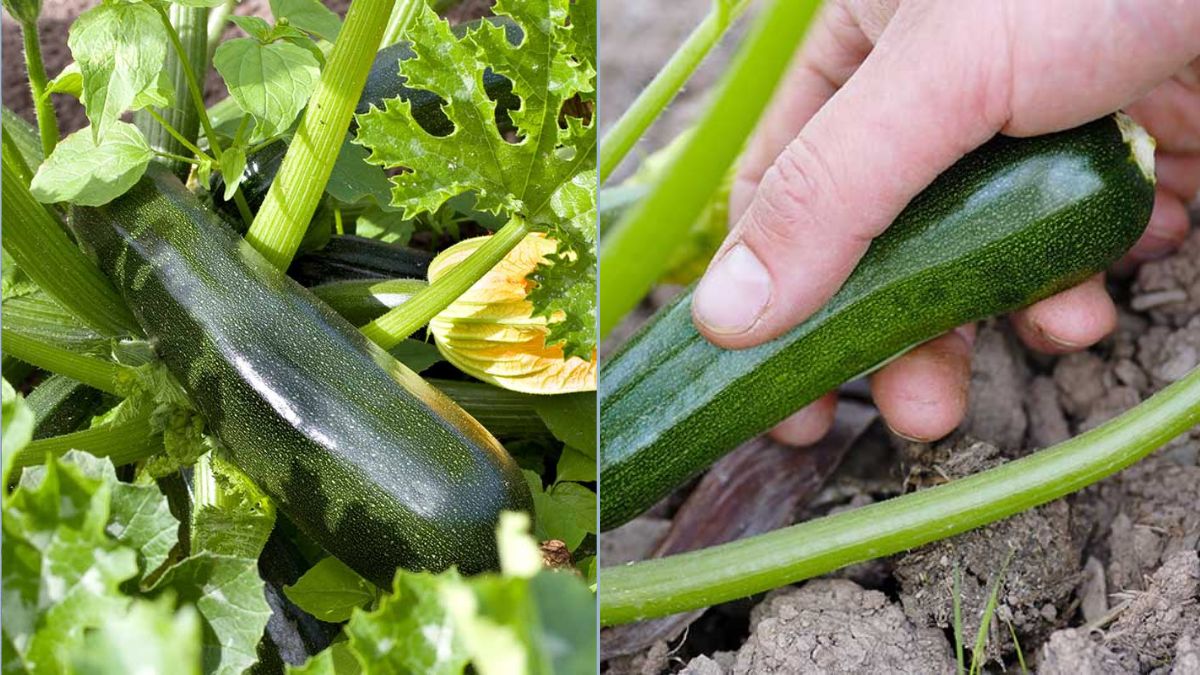
Zucchini, also known as courgette, is one of the most beloved vegetables in the home garden and kitchen. Its mild flavor, tender texture, and culinary versatility make it a favorite ingredient in vegetarian dishes ranging from stir-fries and soups to breads and pasta alternatives. However, the key to enjoying zucchini at its best lies in harvesting it at the right time — when it has the perfect size, taste, and texture.
Picking zucchini too early can result in small, underdeveloped fruits with limited yield, while allowing them to grow too large often leads to bland flavor, tough skin, and large seeds. Understanding how to identify and harvest zucchini at its ideal stage ensures both quality and productivity. This article explores how to pick zucchini at the perfect size every time, with detailed insights into plant growth stages, visual cues, harvesting techniques, and post-harvest storage — all with vegetarian-friendly, sustainable gardening practices.
1. Understanding the Growth Cycle of Zucchini
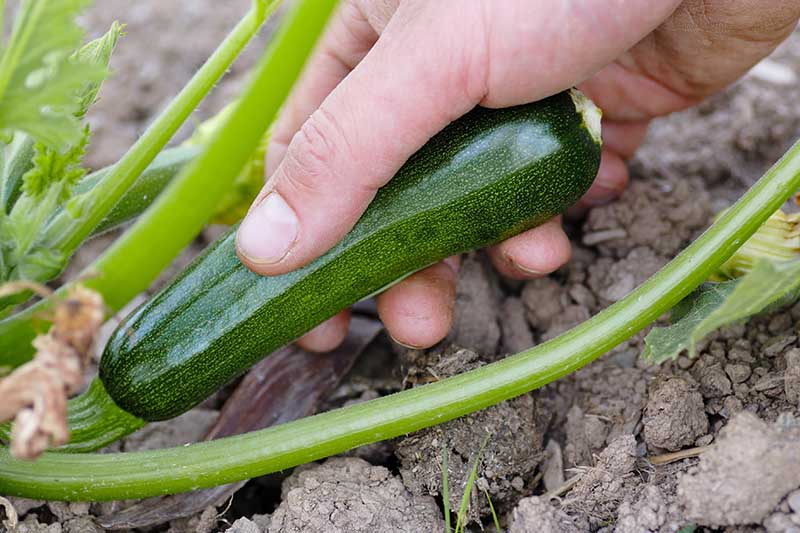
Zucchini belongs to the Cucurbita pepo family, a warm-season vegetable that thrives in full sun and nutrient-rich soil. From the time of planting, zucchini plants typically start producing harvestable fruits within 40 to 60 days.
Growth Stages
- Germination (1–2 Weeks): Seeds sprout and develop their first set of leaves.
- Vegetative Growth (2–4 Weeks): The plant forms broad, green leaves and vines, preparing for flowering.
- Flowering Stage (5–6 Weeks): Bright yellow flowers appear, signaling the onset of fruit production.
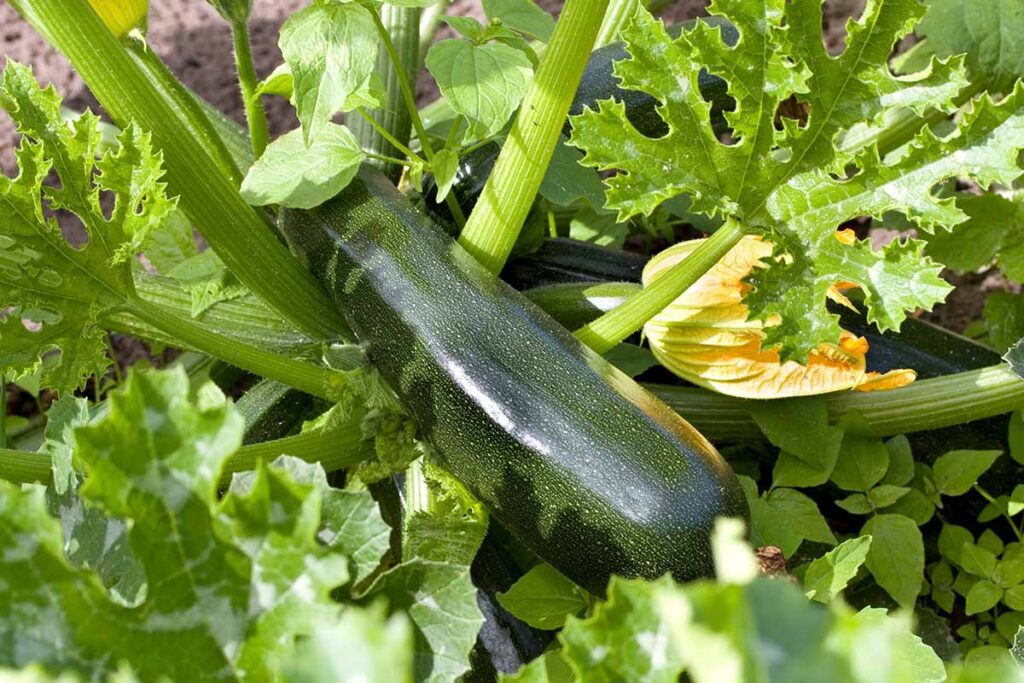
- Fruit Development (6–8 Weeks): After pollination, small zucchini fruits begin forming and grow rapidly — often doubling in size every 1–2 days under favorable conditions.
Because zucchini grows so quickly, daily observation during this stage is crucial. Missing the ideal picking window by just a few days can result in oversized fruits.
2. Why Size Matters in Zucchini Harvesting
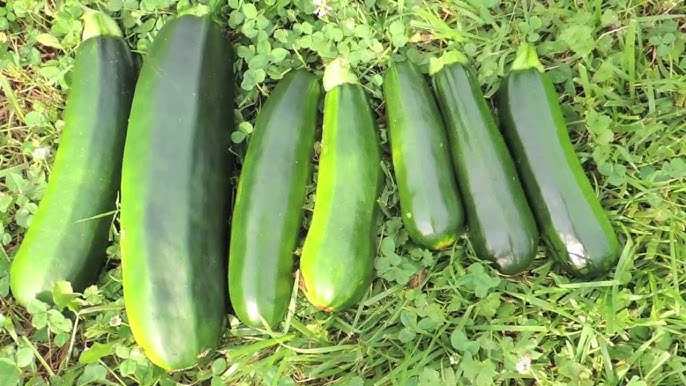
The size of zucchini greatly affects its texture, flavor, and culinary uses. Smaller zucchinis are more tender and flavorful, while larger ones often become fibrous and watery.
Ideal Size for Harvest
- Green or Yellow Zucchini: 15–20 cm (6–8 inches) in length.
- Round Varieties (e.g., Eight Ball): 7–10 cm (3–4 inches) in diameter.
- Baby Zucchini: Harvested at 10–12 cm (4–5 inches) for delicate flavor and soft texture.
At these sizes, the zucchini skin is thin and edible, seeds are small, and the flavor is mildly sweet — perfect for sautéing, grilling, or baking.
What Happens if You Wait Too Long
If left on the plant too long, zucchini can grow to over 40 cm (16 inches) in length, becoming overly large and heavy. Such fruits tend to have:
- Thick, tough skin.
- Spongy, watery flesh.
- Oversized seeds.
- Reduced flavor intensity.
While these larger zucchinis can still be used for recipes like zucchini bread, soups, or stuffing, they lack the tender freshness that defines a perfectly picked zucchini.
3. Visual and Physical Signs of a Perfectly Ripe Zucchini
Knowing when to pick zucchini requires close observation of several visual and tactile cues.
Key Indicators
- Size and Shape: Harvest when the zucchini reaches the ideal length (15–20 cm) and has a consistent, smooth shape.
- Color: The skin should be glossy and vibrant — whether dark green, yellow, or striped, depending on the variety. Dullness indicates overripeness.
- Firmness: The fruit should feel firm but not hard. Press gently — it should resist pressure without feeling mushy.
- Stem Texture: The stem connecting the fruit to the plant should still be tender and green, not woody or dry.
If you’re unsure, it’s better to harvest slightly early than late. Young zucchinis are always more desirable for culinary purposes.
4. The Best Time of Day to Harvest
Timing your harvest during the day can also affect freshness and storage life.
Morning Harvest Advantage
The best time to pick zucchini is early in the morning, after the dew has dried but before the day’s heat intensifies. At this time:
- The plant tissues are firm and hydrated.
- The zucchinis are cooler, reducing the risk of post-harvest wilting.
- The fruit retains better flavor and texture.
Avoid harvesting during the hottest part of the day, as high temperatures can cause faster moisture loss and shorten shelf life.
5. How to Harvest Zucchini Properly
Proper technique prevents damage to both the fruit and the plant, allowing continued production throughout the growing season.
Step-by-Step Harvesting Method
- Inspect the Plant Daily: Zucchinis grow fast — sometimes 2–5 cm in a single day. Check under large leaves, as fruits can hide there.
- Use a Sharp Tool: Cut the zucchini off the vine with a sharp knife or garden shears. Never twist or pull by hand, as this can damage the stem and reduce future yields.
- Leave a Small Stem: Keep about 2–3 cm (1 inch) of the stem attached to the fruit. This helps prolong freshness.
- Handle Gently: Avoid dropping or stacking zucchinis roughly; their skin is tender and easily bruised.
Continuous Harvesting Benefits
Regular harvesting encourages the plant to produce more fruits. Once a zucchini plant senses that fruits have matured, it reduces flowering. Frequent picking signals the plant to keep producing, ensuring a steady supply throughout the season.
6. Special Considerations for Different Varieties
Different zucchini varieties have unique characteristics that may affect the ideal picking time.
| Variety | Ideal Size for Harvest | Notes |
|---|---|---|
| Black Beauty | 15–20 cm | Deep green, glossy skin; great for sautéing. |
| Golden Zucchini | 12–18 cm | Slightly sweeter; best picked small for flavor. |
| Cocozelle | 15–20 cm | Striped Italian variety; firm texture for grilling. |
| Eight Ball (Round) | 7–10 cm | Perfect for stuffing or roasting. |
| Costata Romanesco | 15–25 cm | Ribbed skin; tender flesh even when slightly larger. |
Knowing your variety helps you identify the precise size and texture window for ideal harvesting.
7. Post-Harvest Handling and Storage
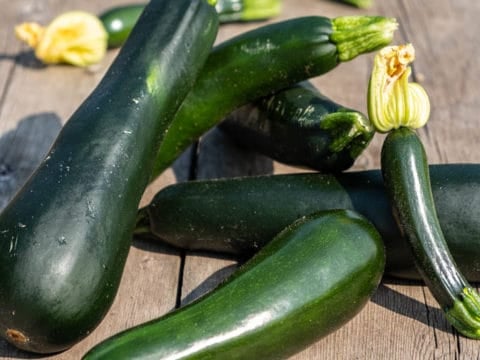
Once harvested, zucchinis are best consumed fresh but can be stored for short periods under proper conditions.
Short-Term Storage (Refrigeration)
- Store unwashed zucchini in the vegetable crisper drawer.
- Keep them in a paper or perforated plastic bag to allow airflow.
- Maintain temperature around 7–10°C (45–50°F).
- Avoid sealing in airtight plastic, as this traps moisture and promotes decay.
Shelf Life: 7–10 days.
Long-Term Storage Options
For longer preservation:
- Freezing:
- Slice or cube zucchinis.
- Blanch in boiling water for 2–3 minutes, then cool in ice water.
- Drain, dry, and freeze in portions.
- Use for soups, sauces, and stews.
- Dehydrating:
- Slice thinly and dry using a dehydrator or oven at low temperature (50–55°C).
- Store in airtight jars for up to 6 months.
- Pickling:
- Combine sliced zucchini with vinegar, salt, and herbs.
- Store in sterilized glass jars for several months.
These vegetarian-friendly preservation methods retain nutrition and flavor while minimizing waste.
8. Common Harvesting Mistakes to Avoid
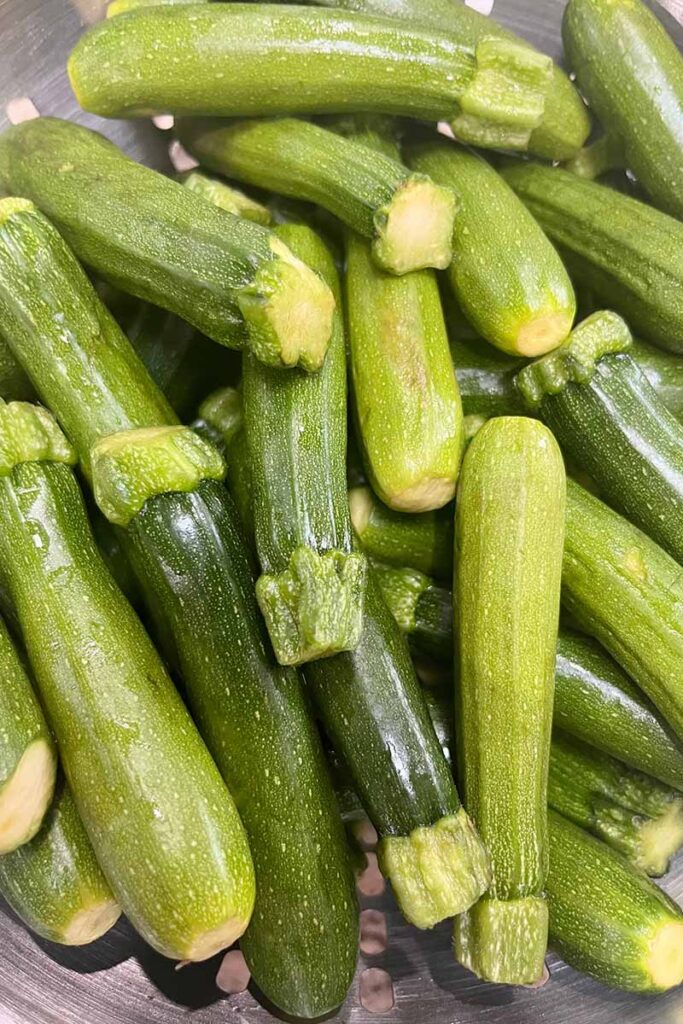
Even experienced gardeners make simple errors that can reduce zucchini quality. Here are key pitfalls to avoid:
- Waiting Too Long to Harvest: Overripe zucchinis become fibrous and flavorless.
- Using Dull Tools: Causes tearing and plant injury.
- Leaving Fruits on the Ground: Leads to rot due to soil moisture contact.
- Not Checking Under Leaves: Many zucchinis hide beneath large foliage and overgrow unnoticed.
- Neglecting Daily Inspections: A few missed days can mean oversized fruits and halted new growth.
Avoiding these mistakes ensures steady production and tastier vegetables throughout the season.
9. Sustainable and Organic Harvesting Practices
For those practicing sustainable or organic gardening, a few mindful habits enhance both yield and soil health:
- Mulching: Keeps soil cool and prevents water evaporation, maintaining even moisture for the plants.
- Crop Rotation: Avoid planting zucchini in the same spot each year to prevent soil depletion and pest buildup.
- Natural Pollination: Encourage bees by planting flowers nearby. Proper pollination improves fruit quality.
- Composting: Return old or overripe zucchinis to compost for nutrient recycling.
These eco-friendly approaches promote balance in the garden and lead to healthier, more resilient zucchini plants.
10. Culinary Tips for Perfectly Sized Zucchini
Once harvested at the right size, zucchini offers endless possibilities in vegetarian cooking.
Cooking Ideas
- Grilled: Brush small zucchini slices with olive oil and herbs, then grill until golden.
- Stuffed: Hollow out medium zucchinis and fill with grains, cheese, or vegetables.
- Zoodles (Zucchini Noodles): Spiralize tender young zucchini for a low-calorie pasta alternative.
- Baked Goods: Grate zucchini into breads, muffins, or pancakes for added moisture.
- Sautéed or Stir-Fried: Pair with garlic, onions, and bell peppers for quick, flavorful dishes.
Picking zucchini at its optimal size ensures maximum sweetness, color, and texture — elevating even the simplest vegetarian recipes.
Conclusion
Mastering the art of picking zucchini at the perfect size every time is both a science and a skill. By observing the right size, color, and firmness, harvesting at the right time of day, and using proper techniques, you can enjoy zucchinis that are flavorful, tender, and rich in nutrients.
A well-timed harvest not only improves taste but also encourages continuous production, ensuring a steady supply throughout the growing season. Combined with sustainable gardening and proper post-harvest care, you can enjoy fresh zucchini from your garden or local market all year round.
In the end, the secret to great zucchini dishes begins not in the kitchen — but in knowing when to pick them perfectly.