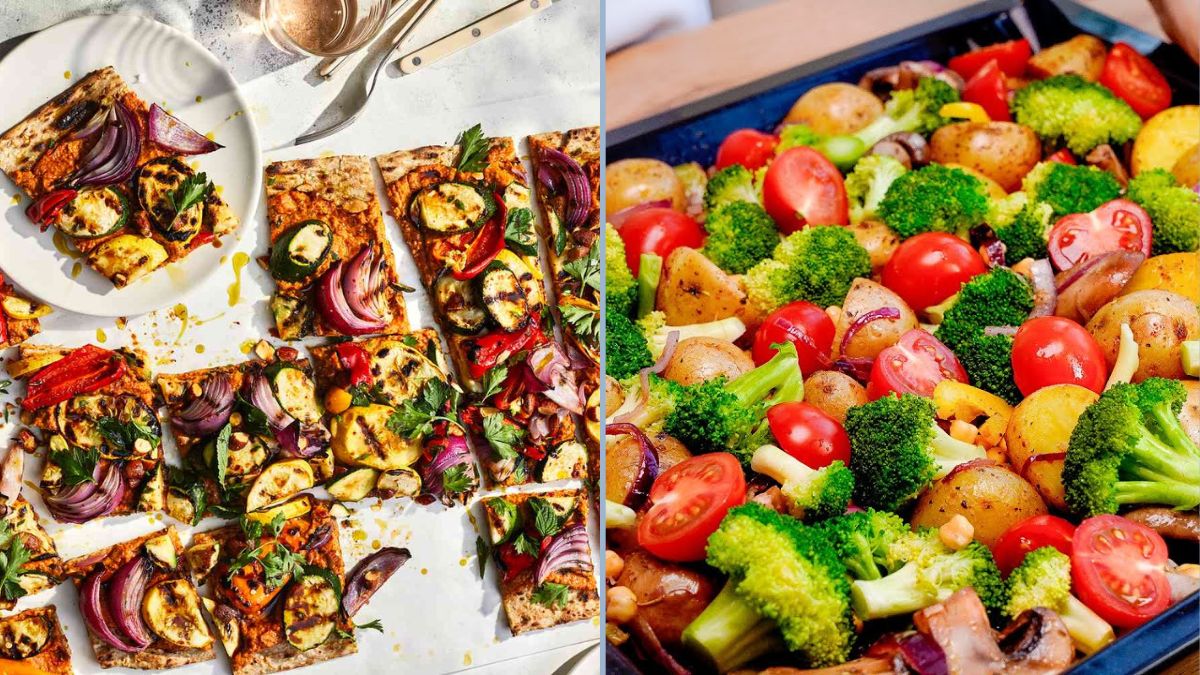
In the modern era, the fast pace of life has led to a growing demand for quick, healthy, and sustainable meal options. Vegetables, often available fresh from home gardens or local markets, provide a rich source of essential nutrients while promoting environmental sustainability. This paper explores ten quick, nutritious, and purely vegetarian meals that can be easily prepared using fresh vegetables from home. Each meal emphasizes convenience, taste, and the preservation of nutrients, making them ideal for individuals seeking a balance between health and efficiency.
Introduction
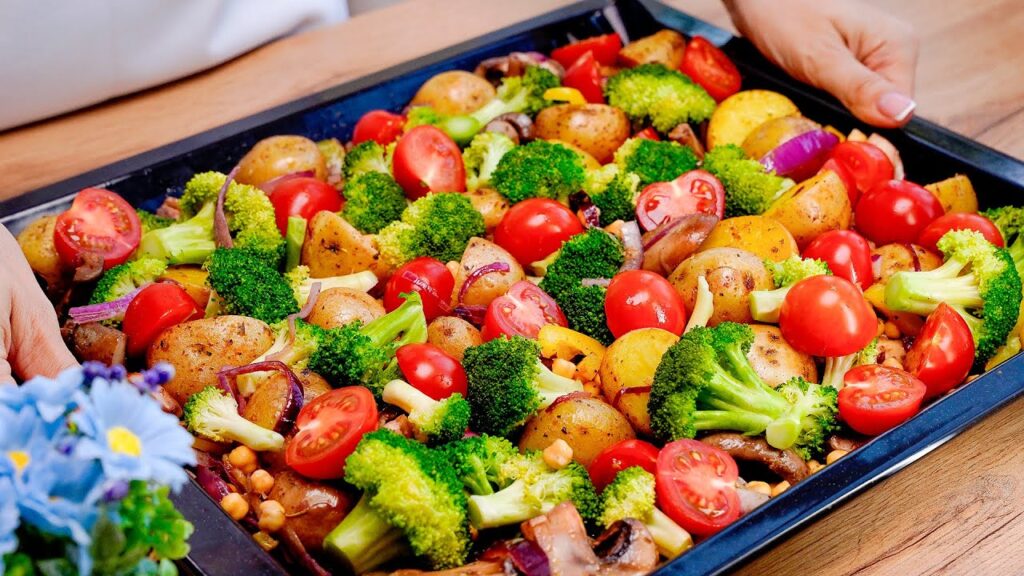
The importance of consuming fresh vegetables has been widely acknowledged for decades. Vegetables are a primary source of vitamins, minerals, dietary fiber, and antioxidants, which are essential for maintaining good health and preventing chronic diseases. However, many people struggle to incorporate vegetables into their daily meals due to time constraints and the misconception that healthy meals require long preparation times.
This study highlights ten quick vegetarian recipes that utilize fresh home-grown or market-fresh vegetables, ensuring both nutrition and convenience. These recipes are not only easy to prepare but also promote sustainability by minimizing food waste and encouraging the use of locally available ingredients.
1. Stir-Fried Mixed Vegetables with Garlic and Herbs

A classic yet quick dish, stir-fried mixed vegetables combine simplicity with flavor.
Ingredients: Bell peppers, carrots, broccoli, beans, zucchini, garlic, olive oil, and mixed herbs.
Preparation: Heat olive oil in a pan, sauté garlic, and toss in chopped vegetables. Stir-fry for 5–7 minutes on medium heat until the vegetables remain crisp yet tender. Sprinkle mixed herbs and salt to taste.
Nutritional Value: Rich in antioxidants, vitamin C, and fiber, this dish supports digestion and boosts immunity.
2. Vegetable Upma (Savory Semolina Porridge)
A popular South Indian breakfast, vegetable upma is both filling and nutritious.
Ingredients: Semolina (rava), mustard seeds, onions, carrots, peas, beans, curry leaves, and green chilies.
Preparation: Roast semolina until golden. In another pan, heat oil, add mustard seeds, curry leaves, and vegetables. Sauté until soft, then add water and salt. Gradually add roasted semolina while stirring continuously to avoid lumps.
Cooking Time: 15 minutes.
Nutritional Value: High in carbohydrates for energy, with added fiber and vitamins from vegetables.
3. Fresh Veggie Sandwich
This quick snack or light meal requires no cooking and is ideal for busy mornings.
Ingredients: Whole-grain bread, cucumber, tomato, lettuce, bell pepper, and a spread of choice (e.g., hummus or yogurt dressing).
Preparation: Layer sliced vegetables between bread slices and spread the dressing. Serve fresh or lightly toasted.
Nutritional Value: Provides dietary fiber, vitamins A and C, and healthy plant-based fats depending on the chosen spread.
4. Veggie Fried Rice
A simple yet satisfying one-pan meal, perfect for lunch or dinner.
Ingredients: Cooked rice, onions, bell peppers, carrots, peas, soy sauce, and sesame oil.
Preparation: Sauté onions and vegetables in sesame oil. Add rice, soy sauce, and optional chili flakes. Stir-fry on high heat for 5–6 minutes.
Nutritional Value: Balanced in carbohydrates and fiber, it provides a wholesome alternative to takeout fried rice without excess oil.
5. Vegetable Omelette (Besan Chilla)
A vegan alternative to the traditional omelette, this dish uses chickpea flour instead of eggs.
Ingredients: Chickpea flour (besan), onions, tomatoes, spinach, coriander, green chili, and spices.
Preparation: Mix all ingredients with water into a smooth batter. Pour onto a heated non-stick pan and cook both sides until golden brown.
Nutritional Value: High in plant protein and iron, suitable for vegetarians and vegans alike.
6. Fresh Garden Salad with Lemon Dressing
Refreshing, raw, and ready in minutes, a garden salad enhances digestion and detoxification.
Ingredients: Lettuce, cucumber, tomato, beetroot, carrot, and lemon juice.
Preparation: Chop vegetables finely, mix in a bowl, and drizzle with lemon juice and a touch of olive oil.
Nutritional Value: Low in calories but high in vitamins, particularly vitamin C and folate.
7. Veggie Wraps with Hummus
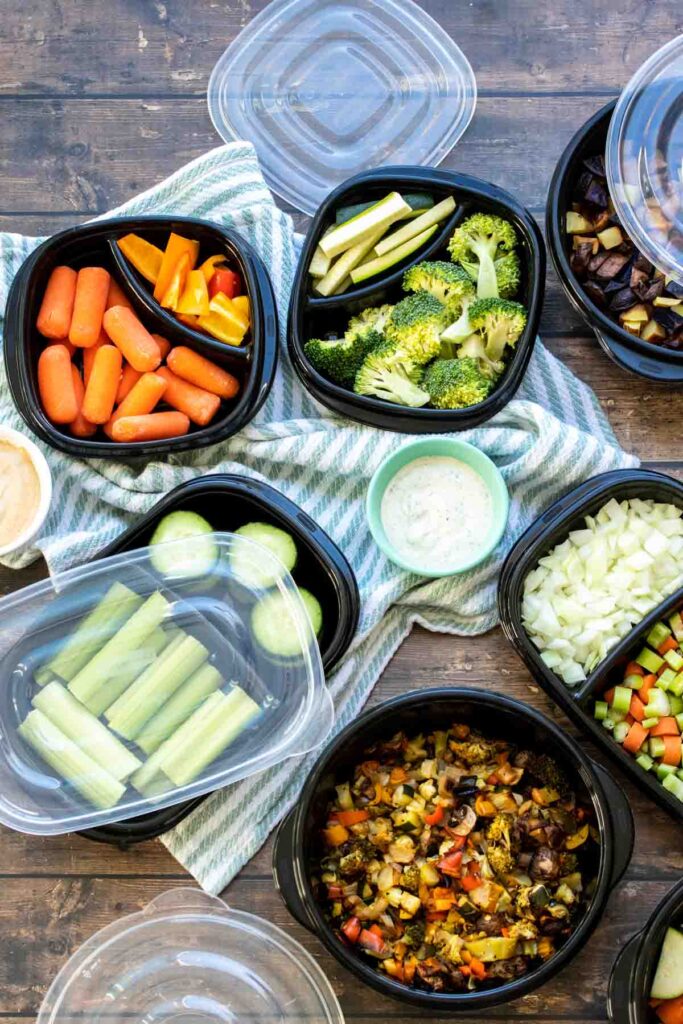
These wraps are excellent for a quick lunch or a portable meal option.
Ingredients: Whole-wheat tortillas, bell peppers, carrots, spinach, lettuce, and hummus.
Preparation: Spread hummus on the tortilla, add chopped vegetables, and roll tightly. Can be served cold or lightly toasted.
Nutritional Value: Provides fiber, plant-based protein, and healthy fats, supporting satiety and sustained energy.
8. Vegetable Soup with Fresh Herbs
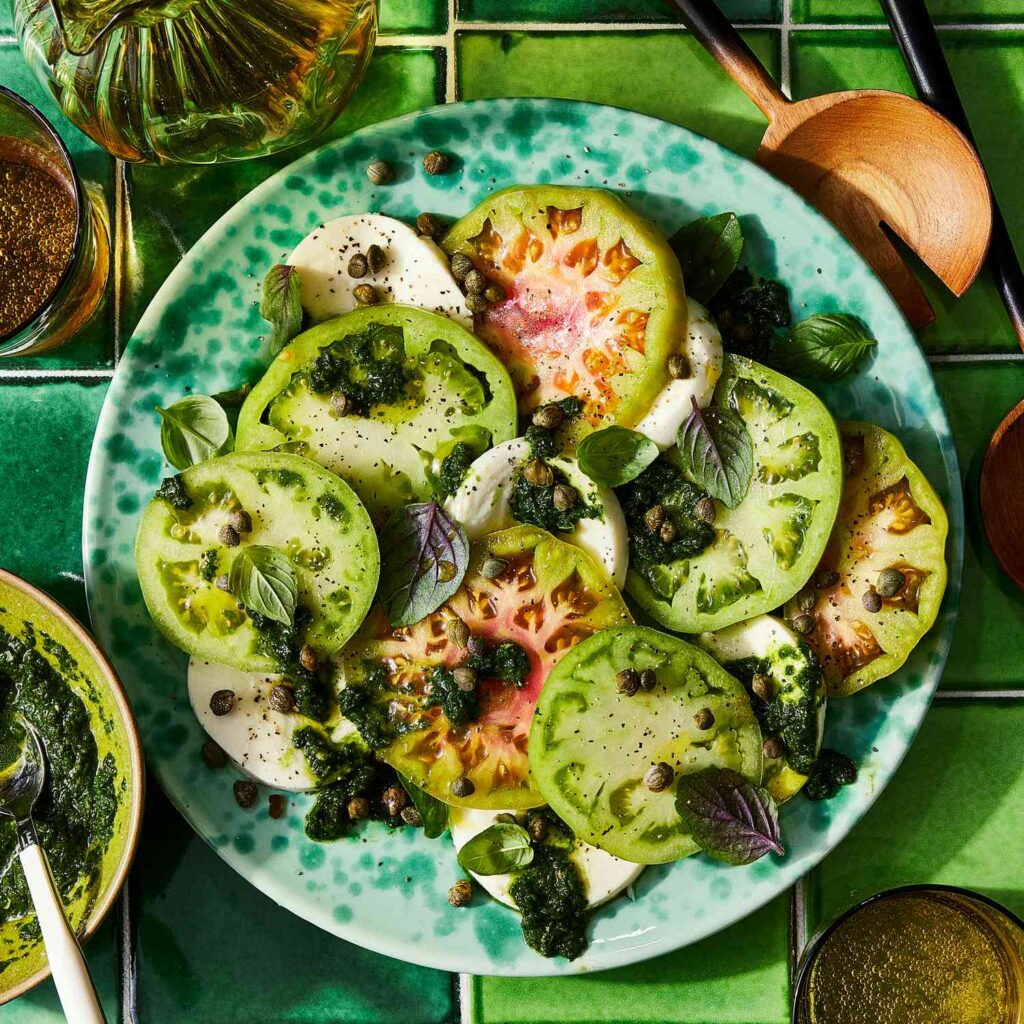
A hearty and warm meal that requires minimal effort and can be customized based on available vegetables.
Ingredients: Carrots, beans, celery, onions, tomatoes, garlic, herbs, and vegetable stock.
Preparation: Boil all vegetables in stock until tender. Blend partially for a thicker texture, season with herbs and pepper.
Nutritional Value: Low in fat but dense in nutrients, aiding hydration and immunity.
9. Grilled Vegetable Pasta
A fusion dish combining Italian flavors with home-grown veggies.
Ingredients: Whole-grain pasta, zucchini, tomatoes, bell peppers, spinach, olive oil, and oregano.
Preparation: Grill or sauté vegetables, then toss with boiled pasta and olive oil. Add herbs and cheese (optional).
Nutritional Value: Provides complex carbohydrates, vitamins, and plant fiber for long-lasting energy.
10. Vegetable Stuffed Paratha
A traditional Indian flatbread stuffed with spiced vegetables — both comforting and quick.
Ingredients: Whole-wheat flour, boiled potatoes, spinach, carrots, and spices.
Preparation: Prepare dough and vegetable filling separately. Stuff, roll out, and cook on a skillet with minimal oil.
Nutritional Value: Rich in carbohydrates, iron, and fiber, making it an excellent balanced meal.
Discussion
These ten recipes highlight the versatility of fresh vegetables and the possibility of creating nutritious meals within 10–20 minutes. Home-grown vegetables offer not only superior flavor but also ensure reduced pesticide exposure and minimal food miles, contributing to environmental sustainability.
Moreover, preparing quick vegetable-based meals encourages mindful eating habits and supports local agricultural systems. The inclusion of diverse vegetables ensures a wide range of nutrients—vitamins (A, C, K, and folate), minerals (iron, potassium, and magnesium), and phytochemicals that act as antioxidants.
From an economic perspective, utilizing vegetables from home gardens reduces grocery expenses while minimizing food waste. Socially, these meals foster a culture of healthy eating within families, particularly for children and the elderly.
Conclusion
Quick vegetable-based meals represent an ideal balance of health, sustainability, and convenience. With minimal preparation time and easy availability of ingredients, these ten recipes demonstrate that nutritious eating need not be time-consuming or costly. Promoting the consumption of home-grown vegetables can significantly impact health outcomes, reduce environmental footprints, and enhance culinary creativity.
In conclusion, integrating quick vegetarian meals into daily routines is a practical and sustainable approach to achieving holistic well-being in today’s fast-paced world.