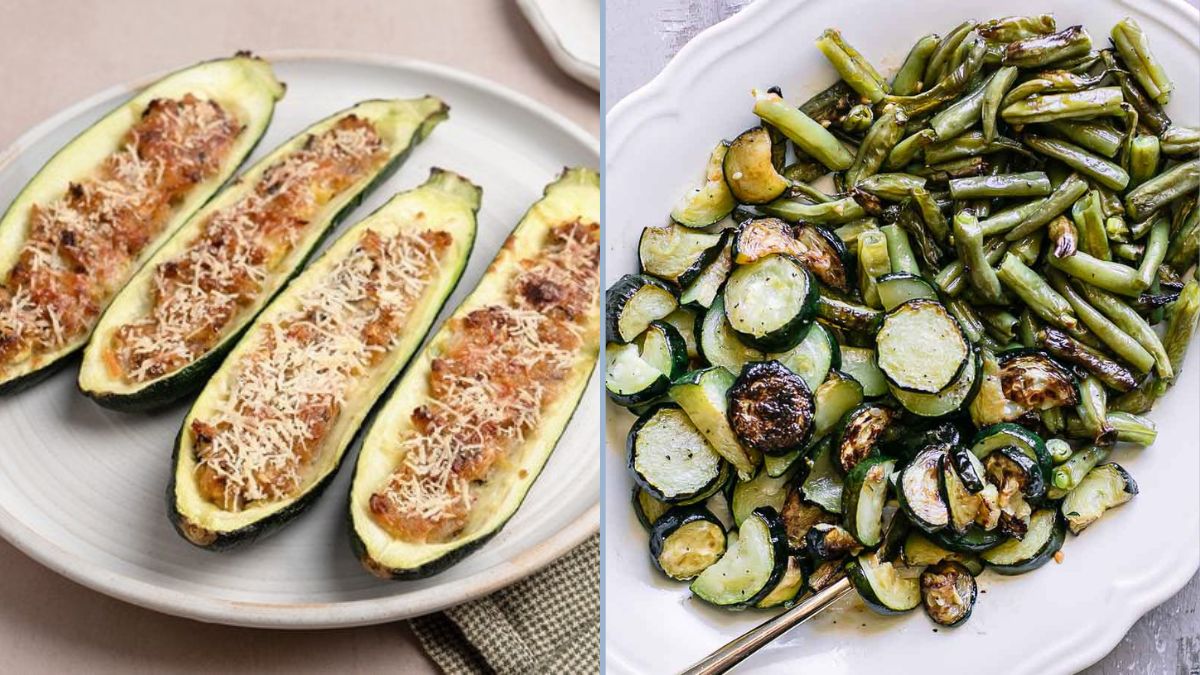
Zucchini (Cucurbita pepo), also known as courgette, is one of the most versatile vegetables in the culinary world. Its mild flavor, tender texture, and high water content make it suitable for a variety of dishes, from main courses to snacks. This paper explores seven creative, entirely vegetarian methods for preparing zucchini, emphasizing both nutritional value and culinary innovation. These recipes highlight the adaptability of zucchini in different cooking styles—roasting, baking, sautéing, spiralizing, and blending—while promoting healthy and sustainable eating practices. The article concludes with insights into the nutritional significance of zucchini and its role in modern vegetarian cuisine.
Introduction
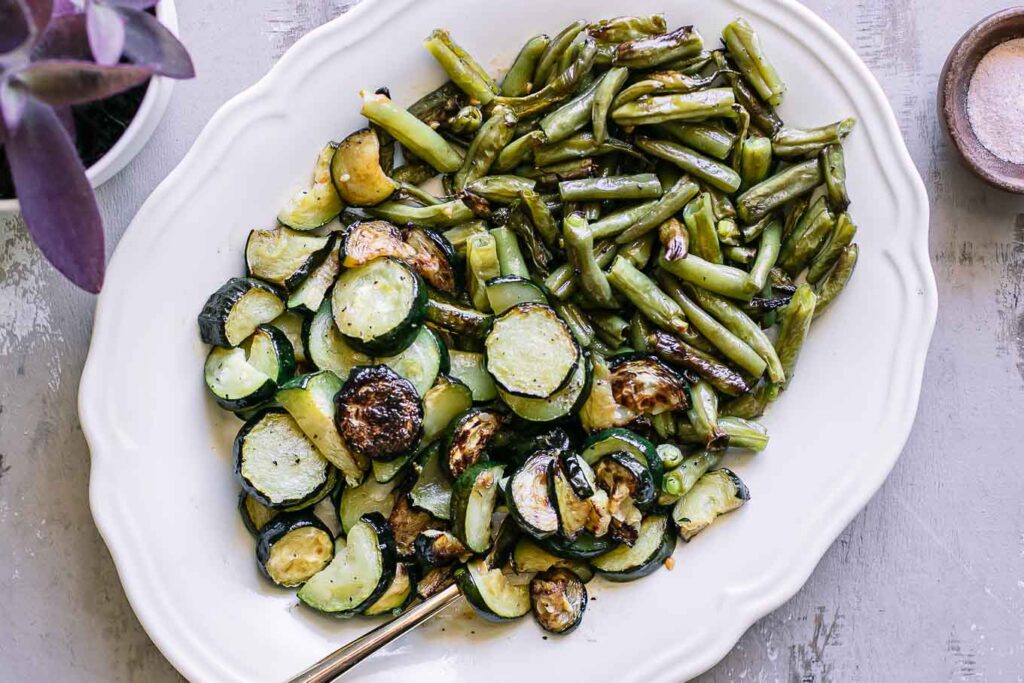
Zucchini, a member of the gourd family, has gained immense popularity due to its mild taste, quick cooking time, and nutritional benefits. It is rich in water (over 90%), low in calories, and packed with essential nutrients such as vitamins A, C, and B6, potassium, and dietary fiber. Because of these qualities, zucchini is often recommended for healthy, plant-based diets and is a staple ingredient in vegetarian and vegan cooking.
Cooking creatively with zucchini allows individuals to experiment with flavors and textures while maintaining a nutritious diet. From crisp chips to soft noodles and savory bakes, the vegetable adapts to multiple cooking techniques without the need for animal-based ingredients.
This paper presents seven innovative vegetarian recipes that showcase zucchini’s flexibility in everyday cooking, aiming to inspire both home cooks and culinary students to explore the potential of this humble vegetable.
Nutritional Profile and Health Benefits of Zucchini
Zucchini is celebrated for its light texture and high nutritional density. A 100-gram serving provides roughly 17 calories, making it a diet-friendly option.
Nutritional highlights include:
- Vitamin A: Supports vision and skin health.
- Vitamin C: Boosts immunity and aids collagen formation.
- Potassium: Regulates fluid balance and blood pressure.
- Folate and Fiber: Support digestion and heart health.
- Antioxidants: Including lutein and zeaxanthin, which protect against cellular damage.
Zucchini’s low carbohydrate content makes it ideal for health-conscious and diabetic-friendly diets. Its mild flavor allows it to blend seamlessly with herbs, spices, and other vegetables, making it a perfect candidate for creative vegetarian dishes.
1. Zucchini Noodles (“Zoodles”) with Basil Pesto
One of the most popular modern alternatives to pasta, zucchini noodles provide a light and gluten-free option.
Ingredients: Fresh zucchini, olive oil, garlic, salt, and homemade basil pesto (basil, olive oil, cashews, and lemon).
Preparation: Use a spiralizer or julienne peeler to create noodle-like strands. Lightly sauté in olive oil for 2–3 minutes. Toss with pesto and garnish with roasted nuts.
Nutritional Value: Low in carbohydrates and calories, rich in antioxidants and healthy fats.
Creative Element: The substitution of pasta with vegetable spirals retains the comfort of Italian cuisine while supporting healthy eating.
2. Baked Zucchini Fries
A healthier alternative to traditional deep-fried snacks, baked zucchini fries are crispy, flavorful, and completely vegetarian.
Ingredients: Zucchini sticks, olive oil, breadcrumbs, and mixed herbs (oregano, thyme, paprika).
Preparation: Dip zucchini sticks in a light olive oil coating, roll in seasoned breadcrumbs, and bake at 200°C for 20–25 minutes until golden.
Serving Suggestion: Serve with yogurt dip or tomato salsa.
Nutritional Benefit: Lower in fat than potato fries, with added fiber and vitamins.
Creative Element: This recipe transforms zucchini into a satisfying, crunchy snack while maintaining its nutritional integrity.
3. Stuffed Zucchini Boats
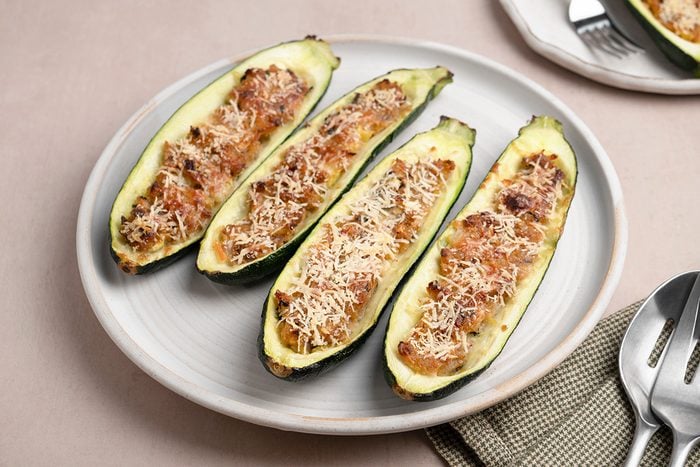
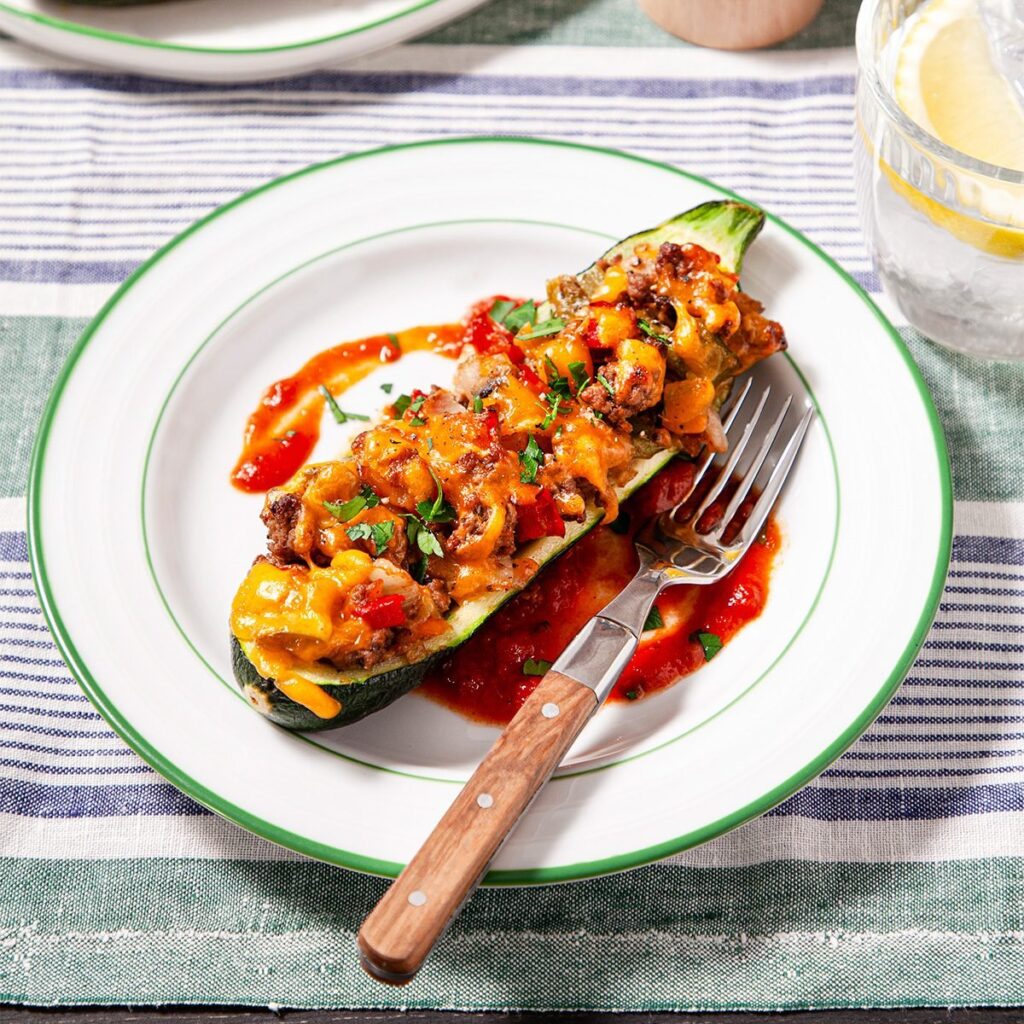
Stuffed zucchini boats offer a wholesome, visually appealing main dish.
Ingredients: Medium zucchinis, cooked quinoa or rice, bell peppers, onions, corn, and herbs.
Preparation: Slice zucchinis lengthwise and scoop out the center. Prepare a filling with sautéed vegetables and cooked grains. Fill the zucchini shells, drizzle with olive oil, and bake for 25–30 minutes at 180°C.
Flavor Profile: Lightly savory, earthy, and aromatic.
Nutritional Value: Rich in fiber, protein (from quinoa), and complex carbohydrates.
Creative Element: The zucchini itself acts as both a vessel and ingredient, minimizing waste.
4. Zucchini Pancakes (Savory Chilla or Fritters)

Perfect for breakfast or snacks, zucchini pancakes are a simple and protein-rich dish.
Ingredients: Grated zucchini, chickpea flour (besan), onion, green chili, coriander, salt, and turmeric.
Preparation: Mix all ingredients with water to form a thick batter. Cook on a non-stick pan until golden on both sides.
Serving Suggestion: Serve with mint chutney or tomato relish.
Nutritional Value: High in plant-based protein and fiber, gluten-free, and rich in antioxidants.
Creative Element: Combines traditional Indian cooking with a global twist using zucchini as the star vegetable.
5. Zucchini Soup with Fresh Herbs
A comforting and nutritious soup that can be enjoyed year-round.
Ingredients: Zucchini, onion, garlic, vegetable broth, olive oil, and herbs (parsley, basil, or thyme).
Preparation: Sauté onions and garlic, add chopped zucchini and broth, and simmer for 15 minutes. Blend until smooth and garnish with herbs.
Taste and Texture: Creamy without dairy, light yet flavorful.
Nutritional Value: Low in calories, high in hydration and antioxidants.
Creative Element: The soup’s smooth texture mimics cream-based versions without adding any animal fats.
6. Zucchini and Tomato Gratin
This French-inspired baked dish highlights the harmony between zucchini and tomatoes.
Ingredients: Sliced zucchini, tomatoes, breadcrumbs, olive oil, garlic, and Italian herbs.
Preparation: Layer zucchini and tomato slices in a baking dish, sprinkle with herbs and breadcrumbs, drizzle with olive oil, and bake for 25 minutes at 190°C.
Serving Suggestion: Ideal as a side dish or light dinner.
Nutritional Value: Rich in antioxidants, particularly lycopene from tomatoes and beta-carotene from zucchini.
Creative Element: Combines simplicity with elegance, turning basic vegetables into a gourmet experience.
7. Zucchini Chocolate Cake
A surprisingly delightful dessert that uses grated zucchini to add moisture and nutrients.
Ingredients: Whole-wheat flour, cocoa powder, grated zucchini, olive oil, honey or jaggery, and baking powder.
Preparation: Mix dry ingredients, add wet components, fold in grated zucchini, and bake at 180°C for 35 minutes.
Flavor: Moist, rich, and subtly sweet with no taste of vegetables.
Nutritional Benefit: Contains less fat and sugar than traditional cakes, with added fiber and minerals.
Creative Element: Demonstrates how vegetables can enhance desserts without compromising taste.
Culinary Tips for Cooking with Zucchini
To maximize flavor and nutrition:
- Do not overcook: Overcooking causes zucchini to become mushy and lose nutrients.
- Pair with herbs: Zucchini blends well with basil, thyme, rosemary, and dill.
- Control moisture: Lightly salt grated zucchini and squeeze out excess water before cooking.
- Use minimal oil: The vegetable absorbs oil quickly, so use sparingly for a lighter dish.
- Experiment with textures: Combine raw, sautéed, or roasted forms for variety.
Environmental and Sustainability Perspective
Zucchini is an eco-friendly vegetable that grows rapidly and requires minimal resources. It thrives in home gardens, making it ideal for sustainable living and reducing dependence on industrial agriculture. Using fresh, homegrown zucchini also eliminates packaging waste and ensures chemical-free produce.
From an ecological standpoint, incorporating seasonal vegetables like zucchini into daily cooking supports local food systems, lowers carbon emissions, and encourages biodiversity. Thus, creative zucchini recipes not only nourish individuals but also benefit the environment.
Discussion
Cooking creatively with zucchini illustrates the harmony between nutrition, sustainability, and culinary art. Each of the seven methods demonstrates a unique approach to using this vegetable — from light and refreshing dishes like salads and soups to indulgent treats like cakes.
These recipes encourage experimentation with flavors and textures without relying on animal-based ingredients. They cater to diverse cultural preferences, integrating Mediterranean, Indian, and global influences.
Furthermore, by focusing on freshness and minimal processing, these dishes preserve the natural taste of zucchini and align with health-conscious eating trends. Such creativity in vegetarian cooking can make plant-based diets more appealing, accessible, and enjoyable.
Conclusion
Zucchini’s adaptability makes it an invaluable ingredient in vegetarian cooking. Through simple techniques and imaginative combinations, it can be transformed into noodles, fries, pancakes, soups, and even desserts. Each recipe explored in this study highlights how a single vegetable can inspire numerous healthy, sustainable, and delicious dishes.
Cooking creatively with zucchini is not only about flavor—it represents an appreciation for natural ingredients, minimal waste, and mindful eating. In the broader context of modern dietary habits, zucchini serves as a model for how plant-based foods can be both nourishing and exciting.
By reimagining traditional cooking methods and embracing freshness, home cooks and culinary enthusiasts can elevate everyday meals into delightful, healthful experiences centered around one of nature’s simplest gifts — the zucchini.