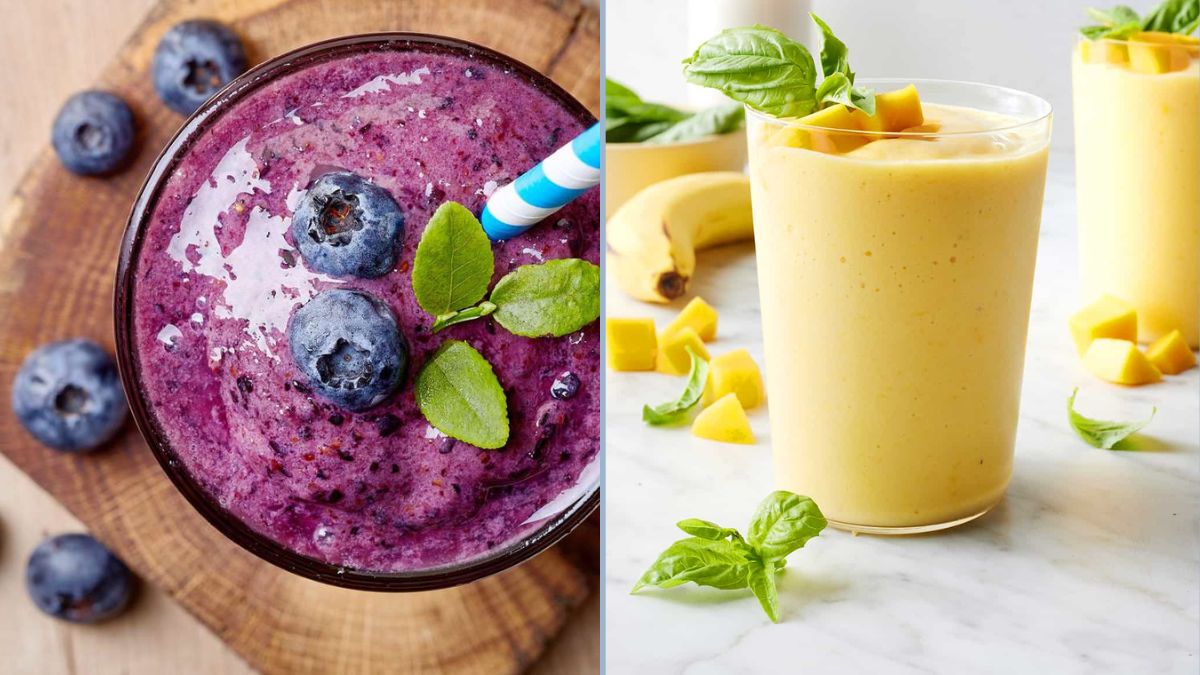
Fruit smoothies have become a cornerstone of modern health-conscious diets due to their ease of preparation, nutritional density, and natural sweetness. Blending fresh fruits with everyday kitchen ingredients offers a convenient and delicious way to meet daily vitamin and mineral requirements. This paper explores the concept of creating wholesome, vegetarian fruit smoothies using commonly available household items such as milk, yogurt, oats, nuts, and seeds. The study emphasizes the nutritional value, preparation methods, and creative flavor combinations that enhance both taste and health benefits. By using readily accessible and fresh ingredients, these smoothies contribute to sustainable, cost-effective, and nourishing dietary practices.
Introduction
In the fast-paced world of today, maintaining a balanced diet can be challenging. People increasingly turn to convenient options that support health and energy without requiring extensive preparation. Fruit smoothies perfectly meet this need by combining the nutritional richness of fruits with the versatility of simple kitchen ingredients.
Smoothies originated as a health beverage trend in the mid-20th century and have since evolved into a global phenomenon. Unlike fruit juices, which often remove fiber, smoothies retain all parts of the fruit, ensuring that essential nutrients and roughage remain intact. Furthermore, smoothies can be customized according to individual preferences—sweet, tangy, creamy, or tropical—without relying on artificial additives or animal-based ingredients.
This article explores the process of making fresh fruit smoothies using ingredients commonly found in home kitchens. The focus remains on vegetarian options that emphasize freshness, nutrition, and sustainability.
Nutritional Importance of Fruit Smoothies
Fruits are natural sources of vitamins, minerals, antioxidants, and dietary fiber. When blended into smoothies, they retain their nutritional integrity while offering a refreshing and filling meal alternative. Some key benefits include:
- Hydration: Most fruits, such as watermelon and orange, have high water content, helping to maintain hydration levels.
- Energy Boost: Natural sugars from fruits provide a quick and sustained energy source.
- Fiber Content: Smoothies preserve fiber that aids digestion and helps regulate blood sugar levels.
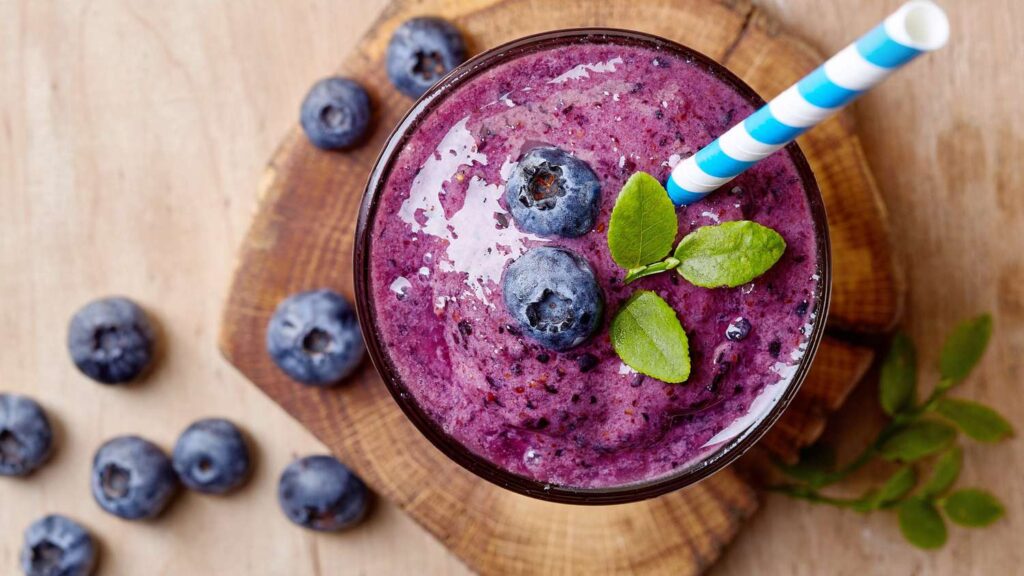
- Antioxidant Properties: Fruits like berries, mangoes, and bananas contain phytonutrients that combat oxidative stress.
- Versatility: By adding ingredients like oats, yogurt, seeds, and nuts, smoothies can be adapted for breakfast, snacks, or post-workout recovery.
Using homegrown or locally sourced fruits enhances freshness while minimizing environmental impact and promoting sustainability.
Essential Kitchen Ingredients for Healthy Smoothies
Most kitchens already contain ingredients that elevate the taste and nutritional value of smoothies:
- Milk or Plant-Based Milk (Almond, Soy, or Oat): Provides creaminess and protein.
- Yogurt or Curd: Adds probiotics that promote gut health.
- Oats: Serve as a natural thickener and source of soluble fiber.
- Honey or Dates: Offer natural sweetness without refined sugar.
- Seeds (Chia, Flax, Sunflower): Enhance omega-3 and protein content.
- Nuts (Almonds, Cashews): Provide healthy fats and a nutty flavor.
- Ice Cubes or Frozen Fruit: Create a chilled, refreshing texture.
Using these common items, one can prepare nutrient-dense smoothies in minutes without relying on processed or animal-derived ingredients.
1. Banana-Oat Breakfast Smoothie
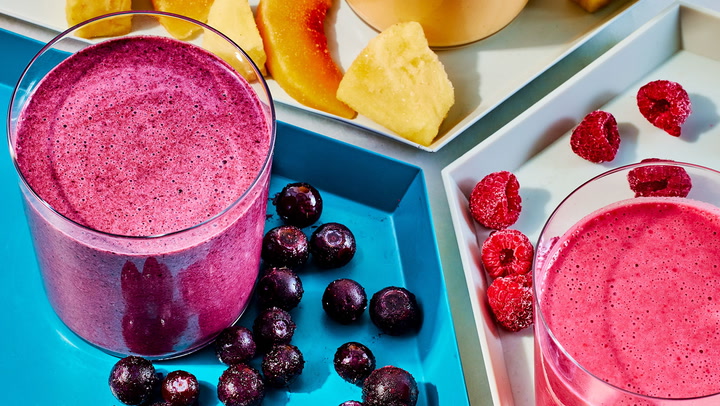
A simple, hearty smoothie perfect for mornings.
Ingredients: 1 banana, 3 tablespoons oats, 1 cup milk (or almond milk), 1 teaspoon honey, and a pinch of cinnamon.
Preparation: Blend all ingredients until smooth and creamy. Serve chilled.
Nutritional Value: Provides energy, potassium, and dietary fiber; keeps you full for longer.
Creative Twist: Add a few soaked raisins or peanut butter for richer flavor.
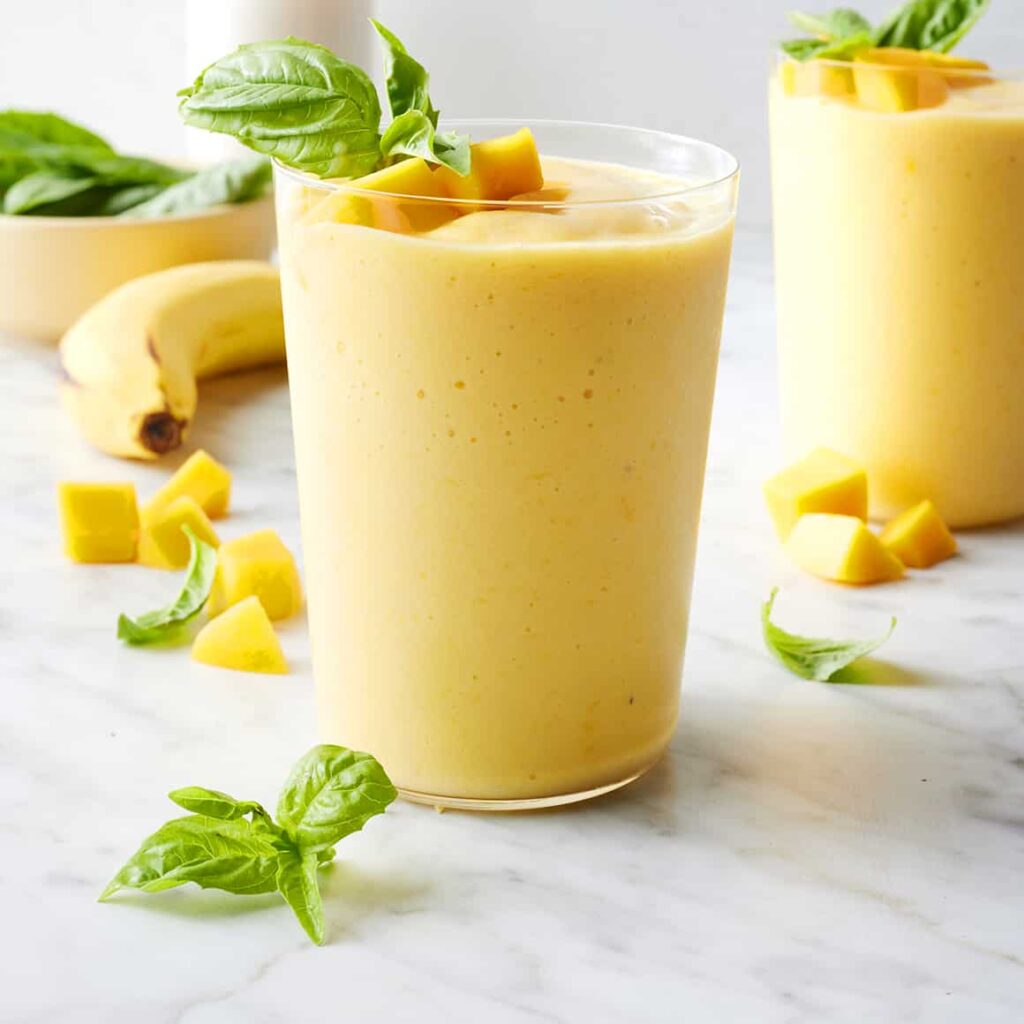
2. Mango-Yogurt Delight
A tropical favorite, especially during summer.
Ingredients: 1 ripe mango, ½ cup yogurt, ½ cup milk, and 1 teaspoon honey.
Preparation: Blend until thick and smooth. Garnish with mint leaves.
Nutritional Value: Rich in vitamin A, calcium, and probiotics.
Creative Twist: Add a pinch of cardamom or saffron for aroma and traditional flair.
3. Green Energy Smoothie
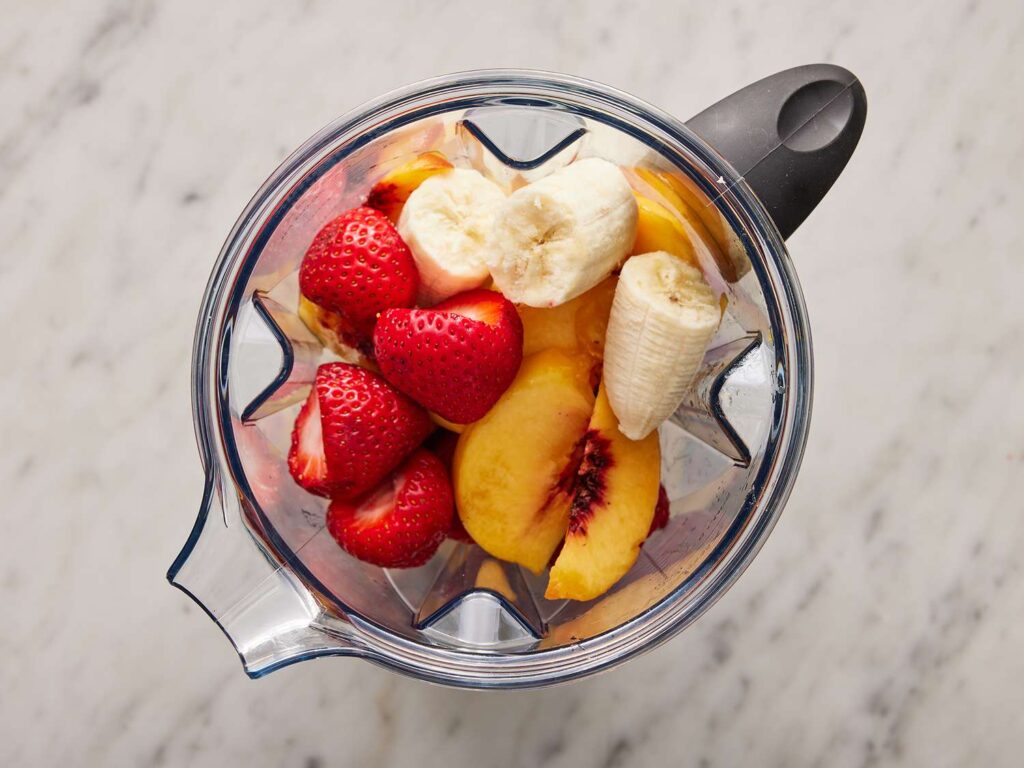
Perfect for detoxification and rejuvenation.
Ingredients: 1 green apple, a handful of spinach, ½ cucumber, 1 teaspoon lemon juice, and ½ cup coconut water.
Preparation: Blend until smooth. Serve immediately for best nutrient retention.
Nutritional Value: High in iron, vitamin C, and hydration-promoting electrolytes.
Creative Twist: Add a few mint leaves for freshness or a small piece of ginger for zing.
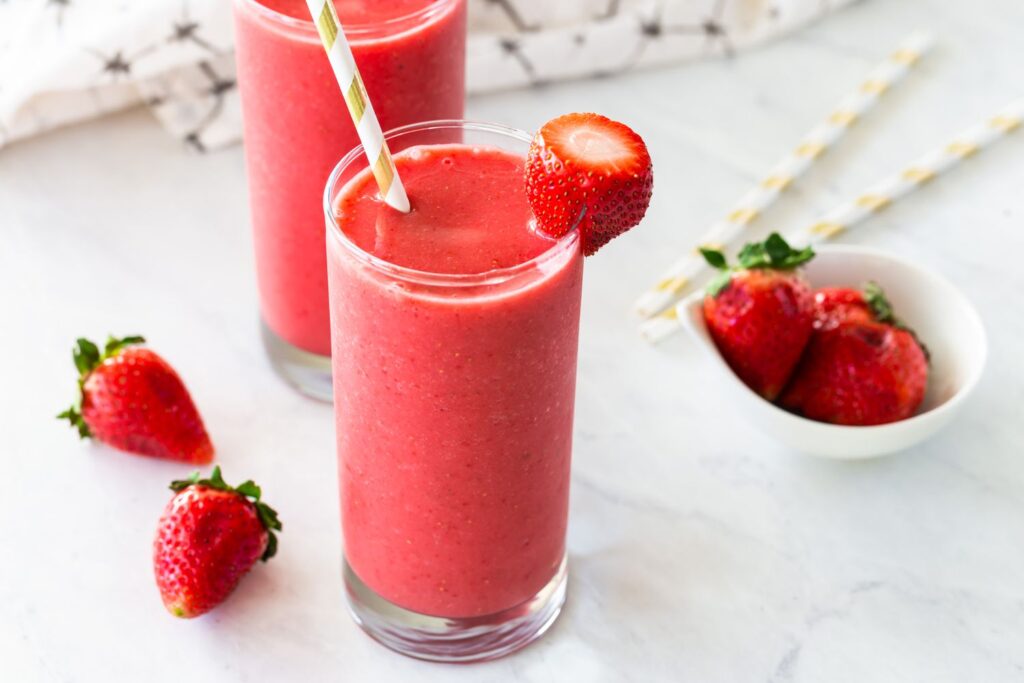
4. Strawberry-Almond Smoothie
A sweet and nutty combination that’s rich in antioxidants.
Ingredients: 1 cup strawberries, 1 tablespoon almonds, ½ cup yogurt, and ½ cup milk.
Preparation: Blend all ingredients until smooth and creamy.
Nutritional Value: Packed with vitamin C, calcium, and healthy fats.
Creative Twist: Add a drizzle of honey or a sprinkle of crushed nuts before serving.
5. Tropical Paradise Smoothie
A refreshing blend of tropical fruits for summer days.
Ingredients: ½ cup pineapple, ½ cup papaya, ½ cup orange juice, and ½ banana.
Preparation: Blend all fruits with ice cubes until smooth.
Nutritional Value: Rich in vitamin C, digestive enzymes, and natural electrolytes.
Creative Twist: Add coconut water instead of orange juice for a lighter taste.
6. Apple-Cinnamon Smoothie
A comforting and mildly sweet drink suitable for any time of day.
Ingredients: 1 apple, ½ banana, ½ cup milk, 2 tablespoons oats, and a dash of cinnamon.
Preparation: Blend all ingredients until velvety. Serve chilled.
Nutritional Value: Offers dietary fiber, antioxidants, and healthy carbohydrates.
Creative Twist: Use warm milk for a winter-friendly smoothie bowl version.
7. Watermelon-Mint Cooler
Ideal for hot days when hydration is key.
Ingredients: 2 cups watermelon cubes, ½ teaspoon lemon juice, and a few mint leaves.
Preparation: Blend until smooth and strain if desired. Serve over ice.
Nutritional Value: Hydrating, detoxifying, and low in calories.
Creative Twist: Add a pinch of black salt or chia seeds for a refreshing twist.
Creative Tips for Perfect Smoothies
- Balance Flavors: Combine sweet, tangy, and creamy components for a satisfying profile.
- Use Frozen Fruits: They act as natural ice cubes without diluting flavor.
- Layer Nutrients: Add greens, seeds, and oats to increase nutritional complexity.
- Avoid Refined Sugar: Opt for natural sweeteners like dates or honey.
- Experiment with Textures: For thicker smoothies, reduce liquid or add nut butter or oats.
- Consume Fresh: Smoothies lose nutrients over time; prepare just before serving.
These principles ensure that each smoothie remains wholesome, tasty, and visually appealing.
Health and Sustainability Perspective
Making smoothies at home using fresh fruits not only benefits personal health but also supports sustainability. By using locally sourced or homegrown ingredients, one reduces packaging waste and transportation emissions. Moreover, homemade smoothies eliminate the need for artificial additives, preservatives, and excess sugar commonly found in store-bought varieties.
From a health perspective, daily consumption of fresh fruit smoothies improves digestion, skin health, and overall energy levels. Regular inclusion of plant-based ingredients supports a balanced vegetarian diet, helping to maintain long-term wellness.
Discussion
The integration of fruit smoothies into daily routines signifies a shift toward natural, plant-based nutrition. Each recipe outlined above demonstrates the adaptability of fruits when combined with basic kitchen ingredients. The smoothies not only satisfy the palate but also serve as functional foods — offering hydration, detoxification, and nutrient enrichment.
From an academic standpoint, the process of creating smoothies can be seen as both scientific and creative. The right proportion of fruit, liquid, and texture modifiers determines not only the taste but also the absorption of nutrients. Furthermore, this approach encourages mindful eating — focusing on freshness, seasonality, and minimal processing.
Such dietary habits align with current global trends emphasizing sustainability, wellness, and preventive nutrition. Smoothies thus represent an accessible and affordable pathway to better health for people of all ages.
Conclusion
Fruit smoothies made from fresh kitchen ingredients embody the essence of healthy, sustainable, and convenient living. They combine the best of nature’s produce with everyday pantry staples to create nutrient-packed beverages suitable for all occasions.
By avoiding artificial flavors and non-vegetarian additives, these smoothies remain true to natural, plant-based nutrition. Each blend — whether a banana-oat breakfast smoothie or a watermelon-mint cooler — offers a unique combination of taste, color, and nourishment.
In conclusion, homemade fruit smoothies are more than just beverages; they are a celebration of freshness, creativity, and mindful eating. Incorporating them into daily diets can enhance energy, boost immunity, and promote a balanced lifestyle — all starting with simple ingredients from one’s own kitchen.