
The use of herbs in cooking dates back thousands of years and plays a crucial role in both enhancing flavor and improving nutritional quality. Herbs not only provide taste and aroma but also contribute significantly to health through their antioxidant, anti-inflammatory, and antimicrobial properties. This paper explores the integration of fresh and dried herbs into vegetarian dishes to create healthier meals without compromising taste. By highlighting the nutritional benefits and culinary applications of various herbs, such as basil, mint, cilantro, parsley, rosemary, and thyme, this study emphasizes the importance of herbs as natural flavor enhancers and wellness-promoting ingredients in everyday cooking.
Introduction

Herbs are nature’s gift to culinary and medicinal practices. They transform simple meals into aromatic and flavorful dishes while offering profound health benefits. In recent years, there has been a growing shift toward natural, plant-based diets and reduced reliance on processed additives. Herbs perfectly align with this movement as they enhance taste naturally, eliminate the need for excessive salt or fat, and provide valuable phytonutrients.
Cooking with herbs bridges the gap between nutrition and gastronomy. Whether added fresh, dried, or infused, herbs can elevate vegetarian dishes by enriching color, aroma, and overall sensory appeal. From basil in pasta to cilantro in curries, herbs form the backbone of global vegetarian cuisine. This paper focuses on how incorporating herbs into daily cooking can lead to healthier, more flavorful meals, particularly for vegetarian diets that prioritize natural and sustainable ingredients.
The Nutritional and Medicinal Power of Herbs

Herbs contain concentrated amounts of vitamins, minerals, and bioactive compounds that support overall health. Unlike artificial flavorings, herbs offer both taste and therapeutic value. Key nutritional highlights include:
- Antioxidants: Neutralize harmful free radicals that cause cellular damage.
- Anti-inflammatory Agents: Compounds such as eugenol (in basil) and rosmarinic acid (in rosemary) reduce inflammation.
- Digestive Benefits: Herbs like mint and coriander stimulate digestion and reduce bloating.
- Antimicrobial Properties: Garlic, thyme, and oregano inhibit bacterial and fungal growth.
- Micronutrients: Many herbs contain iron, calcium, vitamin K, and vitamin C.
Using herbs regularly in cooking can improve heart health, strengthen the immune system, and enhance metabolism, contributing to long-term wellness.
Common Herbs for Healthier Vegetarian Dishes
1. Basil (Tulsi or Sweet Basil)
Flavor Profile: Sweet, aromatic, and slightly peppery.
Culinary Uses: Common in Italian and Mediterranean cuisines; pairs well with tomatoes, pasta, and soups.
Health Benefits: Contains antioxidants like beta-carotene and lutein; supports heart health and reduces oxidative stress.
Example Dish: Tomato Basil Soup — fresh basil blended with ripe tomatoes creates a tangy, heart-healthy dish without artificial seasonings.
2. Mint (Pudina)
Flavor Profile: Cool, refreshing, and slightly sweet.
Culinary Uses: Adds freshness to drinks, chutneys, raitas, and salads.
Health Benefits: Promotes digestion, relieves nausea, and cools the body naturally.
Example Dish: Mint Yogurt Dip — combines yogurt, mint, and cucumber for a probiotic-rich, digestion-friendly accompaniment.
3. Coriander (Cilantro/Dhania)

Flavor Profile: Citrusy and mildly spicy.
Culinary Uses: Widely used in Indian, Mexican, and Middle Eastern dishes for garnishing and blending.
Health Benefits: Aids detoxification, improves digestion, and helps regulate blood sugar levels.
Example Dish: Coriander-Lime Rice — cooked rice tossed with coriander, lime juice, and olive oil for a refreshing, aromatic side dish.
4. Parsley
Flavor Profile: Mild, slightly peppery, and fresh.
Culinary Uses: Common in soups, salads, and sauces.
Health Benefits: High in vitamin K, iron, and folate; supports bone and cardiovascular health.
Example Dish: Tabbouleh Salad — a Middle Eastern grain salad combining parsley, bulgur, tomato, and lemon for a fiber-rich, nutrient-dense meal.
5. Rosemary

Flavor Profile: Woody and fragrant with a pine-like aroma.
Culinary Uses: Ideal for roasting vegetables, potatoes, and soups.
Health Benefits: Contains carnosic acid, which supports brain function and combats inflammation.
Example Dish: Rosemary Roasted Vegetables — a simple bake of carrots, potatoes, and zucchini seasoned with olive oil and fresh rosemary sprigs.
6. Thyme
Flavor Profile: Earthy, slightly minty, and aromatic.
Culinary Uses: Adds depth to soups, stews, and baked vegetables.
Health Benefits: Rich in vitamin C and manganese; strengthens immunity and respiratory health.
Example Dish: Thyme and Mushroom Soup — sautéed mushrooms with thyme and garlic in vegetable broth for a wholesome, immune-boosting meal.
7. Oregano
Flavor Profile: Warm and slightly bitter, with strong aroma.
Culinary Uses: Used in pizzas, sauces, and Mediterranean salads.
Health Benefits: Contains thymol and carvacrol, known for antibacterial and antioxidant properties.
Example Dish: Zucchini-Oregano Stir Fry — sautéed zucchini and bell peppers with oregano and olive oil for a quick, flavorful side dish.
8. Dill
Flavor Profile: Slightly tangy and grassy.
Culinary Uses: Enhances soups, stews, and yogurt dips.
Health Benefits: Improves digestion and reduces bloating; rich in vitamin A.
Example Dish: Dill-Flavored Cucumber Salad — sliced cucumbers with lemon juice, dill, and yogurt for a refreshing summer dish.
Culinary Techniques for Using Herbs Effectively
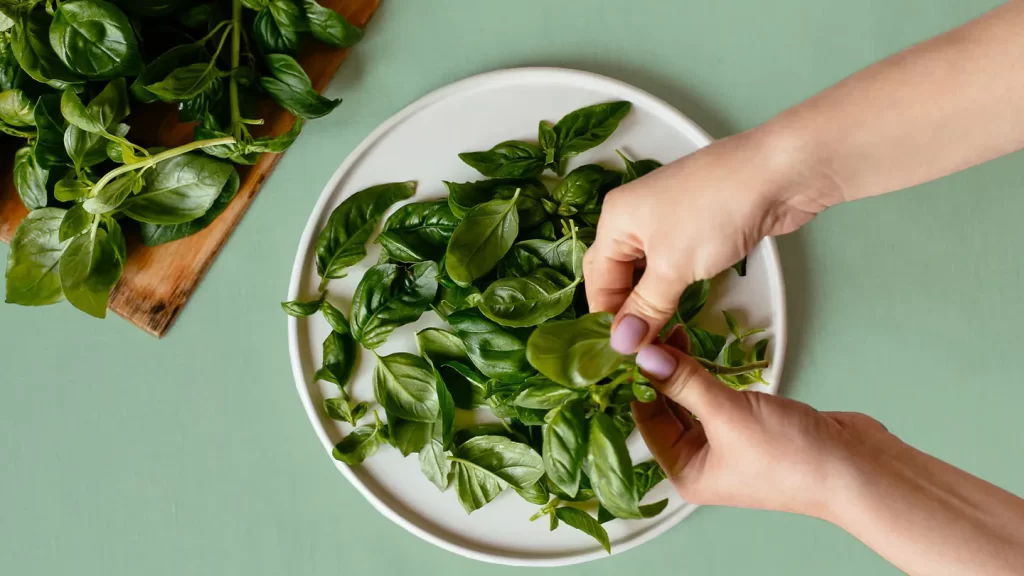
- Use Fresh Whenever Possible: Fresh herbs provide stronger aroma and more nutrients than dried versions.
- Add at the Right Time:
- Add hard herbs (like rosemary and thyme) early in cooking to infuse flavor.
- Add soft herbs (like basil and parsley) toward the end to retain fragrance and color.
- Pair Herbs with the Right Ingredients: Basil complements tomatoes, while mint enhances yogurt and citrus-based dishes.
- Preserve Flavor Naturally: Avoid overcooking herbs as heat can destroy their essential oils.
- Create Herbal Blends: Mix herbs like parsley, thyme, and rosemary to make versatile seasoning blends for vegetables, grains, and soups.
These methods ensure that herbs maintain their natural potency, enhancing both taste and nutrition.
Health Advantages of Cooking with Herbs
Integrating herbs into vegetarian cooking provides both preventive and therapeutic health benefits:
- Reduced Salt and Fat Usage: Herbs add flavor naturally, decreasing the need for excess salt or butter.
- Improved Digestion: Herbs like mint and coriander promote gut health and reduce acidity.
- Immune System Support: Antioxidant compounds strengthen resistance against infections.
- Heart Health: Many herbs contain plant compounds that reduce cholesterol and improve blood circulation.
- Mental Well-being: The aroma of herbs such as rosemary and basil has calming and cognitive-enhancing effects.
Incorporating herbs into everyday meals transforms ordinary vegetarian food into nutrient-rich, functional cuisine that supports holistic health.
Environmental and Sustainability Perspective
Herbs are easy to grow at home, requiring minimal space and water. Growing herbs in kitchen gardens reduces dependence on store-bought, packaged products and minimizes carbon footprint. Moreover, using locally grown herbs promotes sustainable cooking practices and reduces food waste.
By cultivating herbs such as basil, mint, or coriander, households can ensure access to fresh, pesticide-free flavoring agents year-round. This not only promotes health but also contributes to a self-sufficient and eco-friendly lifestyle.
Discussion
Cooking with herbs represents the perfect blend of tradition, science, and sustainability. Herbs have long been integral to vegetarian cuisines across cultures — from Indian curries with coriander to Italian pasta with basil. Their medicinal significance, recognized in Ayurveda and modern nutrition alike, makes them invaluable in health-oriented diets.
Incorporating herbs into everyday vegetarian dishes enhances both the sensory and nutritional experience. They serve as natural antioxidants, digestive aids, and detoxifiers. From a culinary standpoint, they allow chefs and home cooks to innovate with flavors while maintaining a clean, wholesome ingredient list.
Moreover, the trend of “farm-to-table” and home gardening reinforces the importance of herbs as both functional and sustainable ingredients. They connect people to nature and encourage mindful cooking practices.
Conclusion
Cooking with herbs is more than a culinary practice—it is a lifestyle choice that promotes health, sustainability, and creativity in the kitchen. Herbs transform simple vegetarian dishes into nutrient-rich meals bursting with flavor, aroma, and vitality.
Whether it’s the freshness of basil in a tomato sauce, the coolness of mint in a drink, or the earthiness of rosemary in roasted vegetables, herbs offer infinite possibilities for enhancing vegetarian cuisine. They help reduce the dependence on salt, sugar, and artificial additives, making meals naturally healthier.
In conclusion, incorporating fresh and dried herbs into daily vegetarian cooking not only improves taste and nutrition but also fosters a sustainable, mindful approach to food. Through their flavor, fragrance, and healing power, herbs remain indispensable companions in the journey toward healthier and more wholesome living.