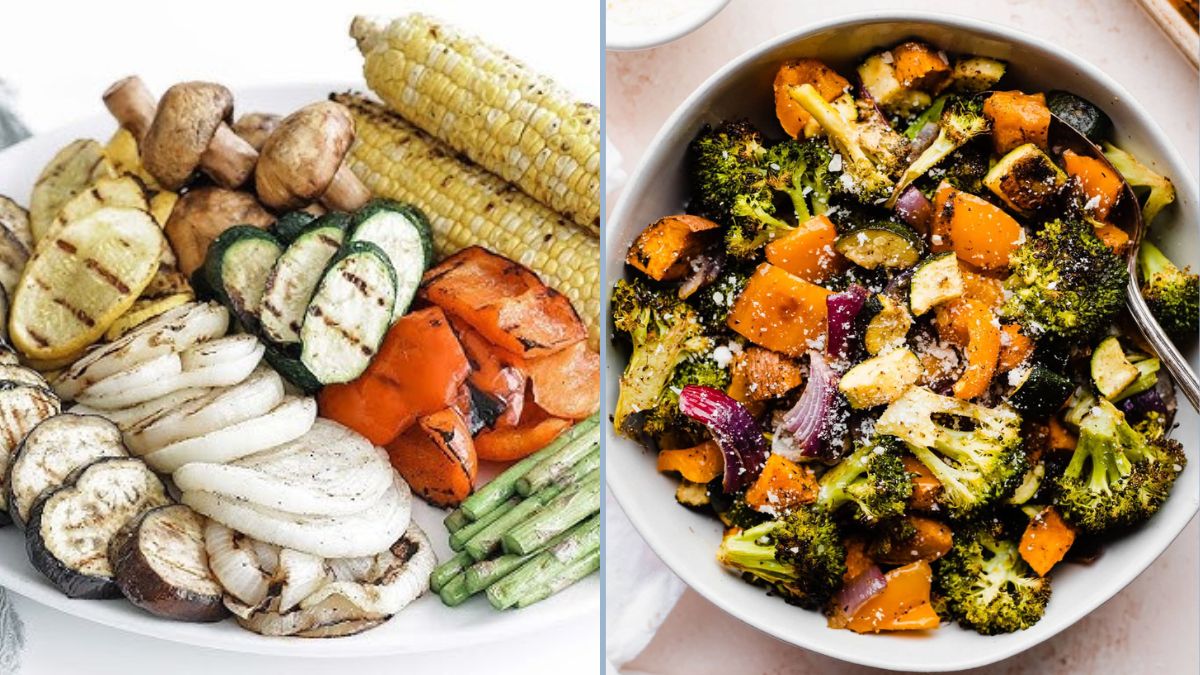
Grilling vegetables is a simple yet transformative cooking method that enhances natural flavors while preserving vital nutrients. Unlike boiling or frying, grilling uses dry heat to caramelize the natural sugars in vegetables, creating smoky, sweet, and savory notes without adding excess fat or calories. This paper explores the art and science of grilling vegetables correctly, emphasizing vegetarian options only. It discusses preparation techniques, the impact of grilling on nutrition, the chemistry of flavor development, and a selection of recipes that highlight different combinations of vegetables and herbs. The aim is to showcase how proper grilling techniques can elevate simple garden vegetables into gourmet dishes that are both healthy and sustainable.
Introduction
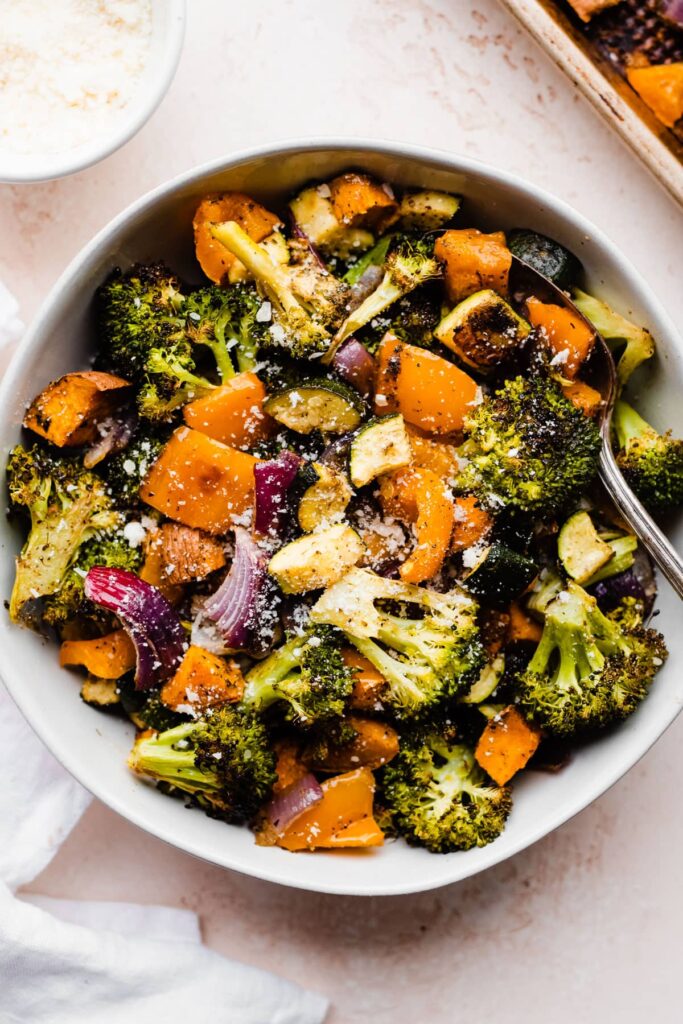
Grilling is one of humanity’s oldest cooking methods, rooted in the primal act of cooking over an open flame. In modern kitchens, grilling remains a favorite because it combines minimalism with maximum flavor. The process intensifies natural sweetness, introduces smokiness, and enhances texture.
While grilling is often associated with meats, vegetables can be equally — if not more — rewarding when prepared correctly. Grilled vegetables are not only delicious but also nutrient-dense, plant-based alternatives suitable for vegetarians and health-conscious individuals. When done right, they provide a balance of flavor, texture, and visual appeal, transforming ordinary produce into extraordinary meals.
This paper explores techniques, flavor science, and best practices for achieving perfectly grilled vegetables at home. It also offers a variety of vegetarian recipes ideal for summer barbecues, healthy lunches, or light dinners.
Nutritional and Health Benefits of Grilled Vegetables
Vegetables are a powerhouse of nutrients including vitamins, minerals, fiber, and antioxidants. Grilling, when done properly, preserves most of these nutrients while adding depth to the flavor profile.
Key health benefits include:
- Retention of Nutrients: Grilling minimizes nutrient loss compared to boiling, as water-soluble vitamins like C and B remain intact.
- Low in Fat: Minimal oil is used in grilling, reducing calorie intake.
- Rich in Antioxidants: The heat activates beneficial compounds like lycopene in tomatoes and beta-carotene in carrots.
- Promotes Digestion: The gentle charring helps break down fibrous vegetables, making them easier to digest.
- Encourages Mindful Eating: Fresh, colorful grilled vegetables promote satisfaction and mindful food choices.
Grilled vegetables thus combine nutrition and taste in one of the simplest, most eco-friendly cooking methods.
Choosing the Right Vegetables for Grilling
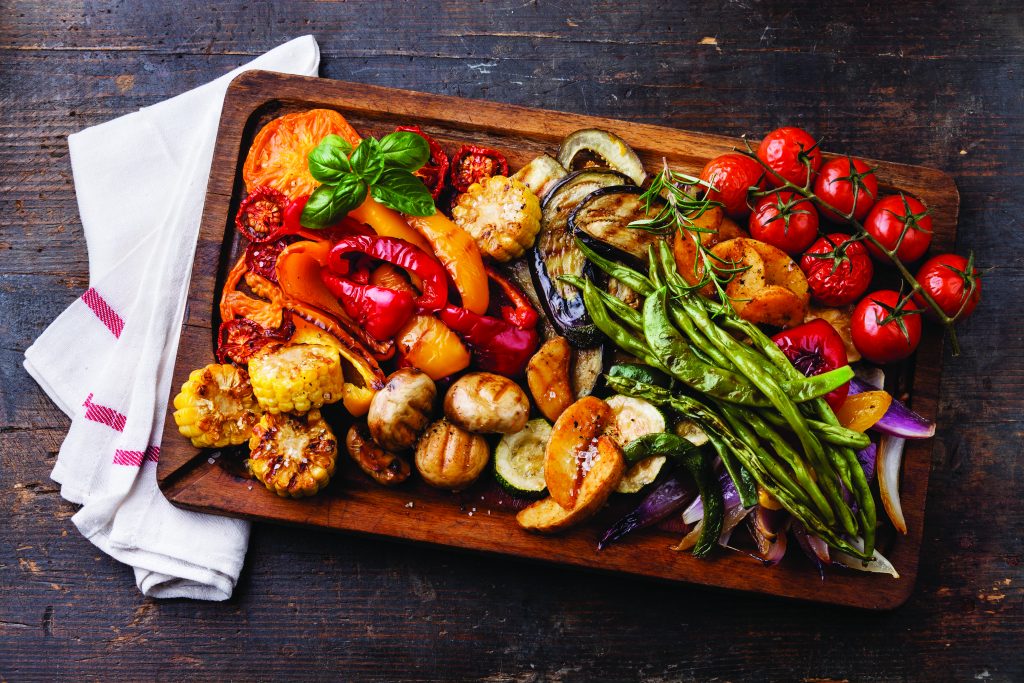
Not all vegetables respond to heat in the same way. For successful grilling, texture and moisture content are crucial considerations.
Best vegetables for grilling include:
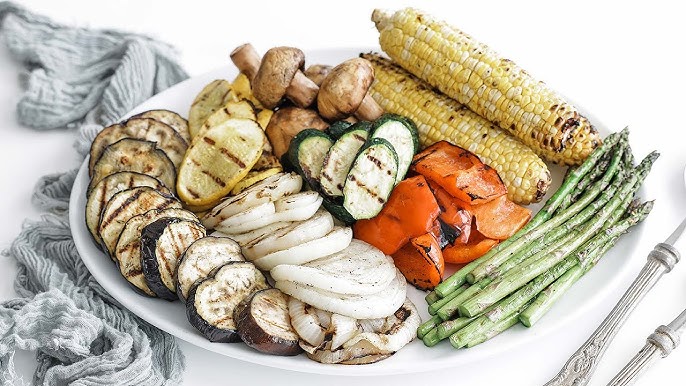
- Bell Peppers: Their natural sweetness intensifies when charred.
- Zucchini and Eggplant: Soft texture and high moisture content make them ideal for absorbing marinades.
- Corn on the Cob: Naturally sweet and smoky when grilled with husks on.
- Mushrooms: Absorb flavors beautifully and gain meaty texture when grilled.
- Asparagus: Quick to cook and develops a crisp yet tender bite.
- Carrots, Onions, and Tomatoes: Gain caramelized sweetness when exposed to heat.
Selecting seasonal and locally sourced vegetables ensures the best flavor and sustainability.
Preparation Techniques for Perfect Grilling
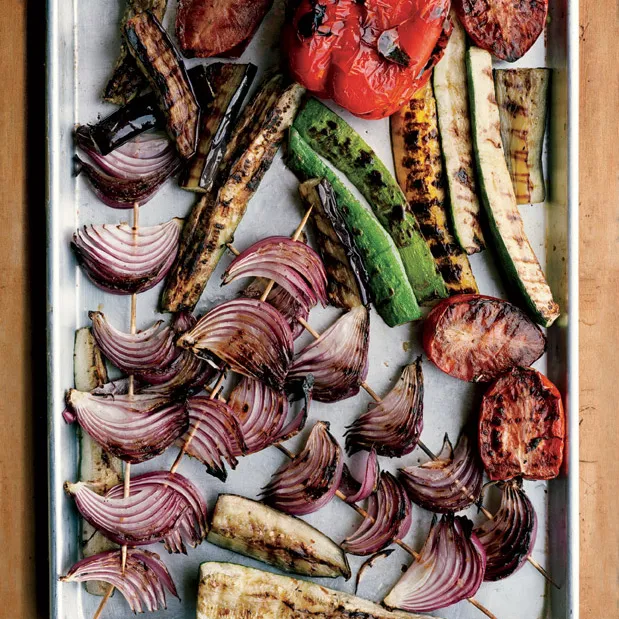
Proper preparation determines the outcome of grilled vegetables. From cutting shapes to marinating, every step contributes to taste and texture.
- Uniform Cutting: Slice vegetables evenly to ensure consistent cooking. Thicker pieces take longer, while thinner slices may burn quickly.
- Marination: Combine olive oil, salt, lemon juice, herbs, and spices. Let vegetables rest for 15–30 minutes before grilling. This enhances moisture retention and flavor absorption.
- Oil Coating: A light brush of oil prevents vegetables from sticking to the grill and helps achieve beautiful grill marks.
- Preheating the Grill: Ensures even heat distribution and faster caramelization.
- Use of Skewers or Grill Baskets: Ideal for small vegetables like cherry tomatoes, mushrooms, or baby corn.
- Avoid Overcrowding: Proper spacing allows heat to circulate and prevents steaming.
Attention to these details transforms simple vegetables into gourmet-quality grilled dishes.
The Science Behind Grilling Flavor
Grilling enhances flavor through two key processes: the Maillard reaction and caramelization.
- Maillard Reaction: Occurs when amino acids and sugars in vegetables react under heat, forming complex, savory flavors and brown coloration.
- Caramelization: Natural sugars break down into sweet, nutty compounds that enrich the taste.
These processes give grilled vegetables their signature smoky-sweet aroma and appealing golden-brown finish. Proper heat control—medium to high, but not scorching—is crucial to achieve this balance without burning.
1. Grilled Zucchini and Bell Pepper Medley
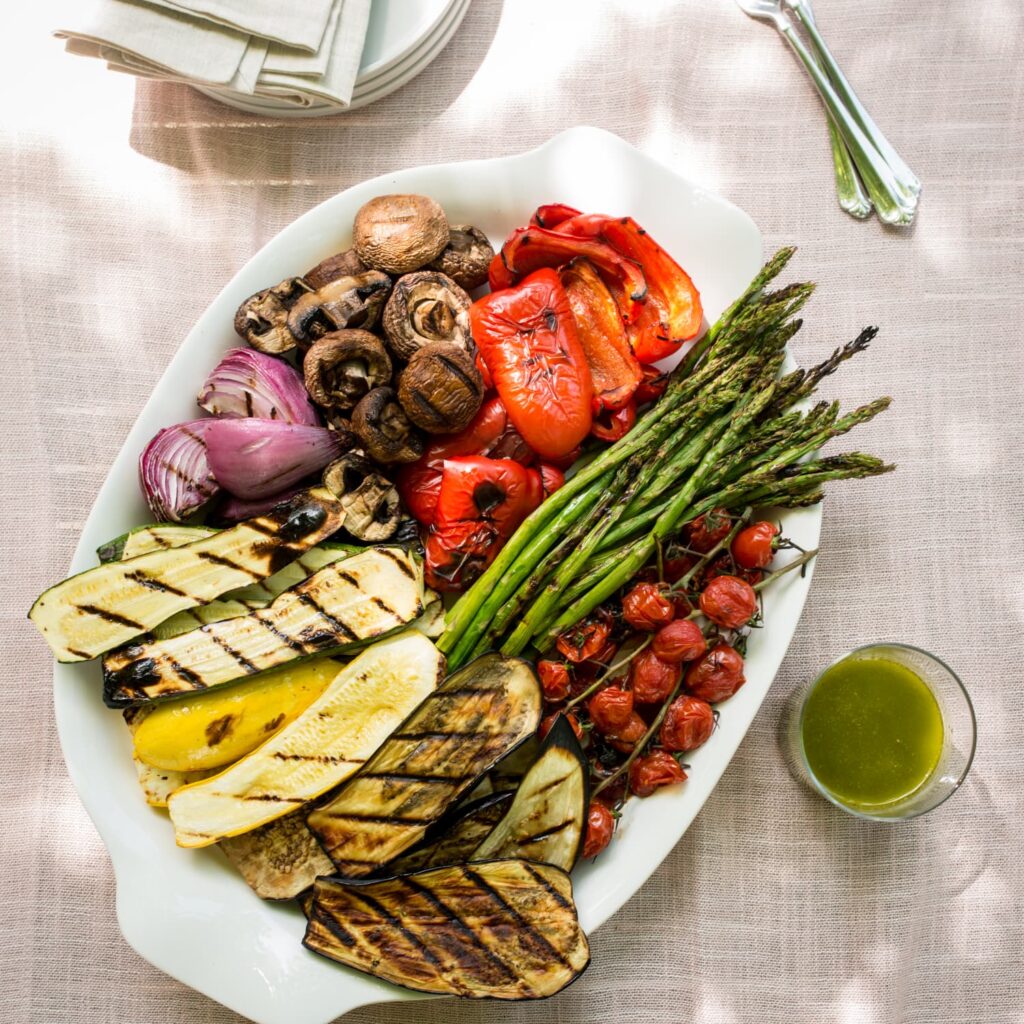
Ingredients: Zucchini, red and yellow bell peppers, olive oil, salt, pepper, and basil leaves.
Preparation: Slice vegetables, toss in olive oil, and grill for 3–4 minutes per side. Garnish with chopped basil.
Nutritional Value: Rich in vitamins A and C, low in calories, and full of fiber.
Tip: Add a squeeze of lemon juice before serving for brightness.
2. Grilled Corn with Chili-Lime Butter (Vegan)
Ingredients: Corn on the cob, lime juice, olive oil, chili powder, and salt.
Preparation: Grill corn with husks partially closed to retain moisture. Once slightly charred, brush with chili-lime mixture.
Benefits: Provides fiber and antioxidants; ideal for summer picnics.
3. Grilled Eggplant with Garlic and Herbs
Ingredients: Sliced eggplant, garlic paste, olive oil, oregano, and parsley.
Preparation: Marinate eggplant slices for 30 minutes and grill until soft and smoky.
Taste Profile: Deep, earthy, and aromatic — pairs well with flatbreads or rice.
4. Mixed Veggie Skewers
Ingredients: Mushrooms, cherry tomatoes, zucchini, and onions on skewers.
Preparation: Alternate vegetables on skewers, brush with olive oil and herbs, and grill until lightly charred.
Creative Twist: Add pineapple cubes for a sweet-savory combination.
5. Grilled Asparagus with Lemon Dressing
Ingredients: Asparagus stalks, olive oil, salt, pepper, and lemon zest.
Preparation: Grill asparagus for 2–3 minutes until tender-crisp. Drizzle with lemon zest and olive oil.
Benefits: High in folate and fiber; supports digestion and hydration.
6. Smoky Grilled Paneer and Veggies
Ingredients: Paneer cubes, bell peppers, onions, and a marinade of yogurt, turmeric, and cumin (optional for vegetarians who consume dairy).
Preparation: Marinate and grill on skewers until golden.
Nutritional Value: High in protein and calcium; perfect as a hearty vegetarian main dish.
7. Grilled Tomatoes with Basil Dressing
Ingredients: Halved tomatoes, olive oil, salt, and fresh basil.
Preparation: Grill until slightly blistered; drizzle with basil dressing before serving.
Flavor Profile: Sweet, tangy, and refreshing — complements other grilled dishes beautifully.
Serving Ideas and Pairings
Grilled vegetables are versatile and can be served in various ways:
- As a side dish with whole grains or legumes.
- Tossed into salads or wraps for extra flavor.
- Blended into smoky dips like baba ganoush or roasted pepper hummus.
- Layered on sandwiches and pizzas for added nutrition.
- Served as a main course platter with grains like quinoa or couscous.
Combining textures and colors not only enhances presentation but also ensures a range of nutrients in each serving.
Health and Environmental Impact
Cooking with vegetables aligns with sustainable and ethical eating practices. Grilling requires less energy and oil compared to frying or baking, making it an environmentally friendly choice. Moreover:
- Local and Seasonal Eating: Encourages support for local farmers and reduces carbon emissions from transport.
- Zero-Waste Cooking: Grilled vegetable scraps can be repurposed into soups, broths, or compost.
- Plant-Based Nutrition: Contributes to lower cholesterol, improved digestion, and overall wellness.
By emphasizing freshness, balance, and minimal processing, grilled vegetables embody the principles of both health and sustainability.
Discussion
The art of grilling vegetables lies in the balance between heat, time, and flavoring. Over-grilling can lead to nutrient loss or bitterness, while under-grilling results in raw textures. Mastering this balance creates dishes that are not only flavorful but also nutritionally sound.
This study demonstrates that vegetarian grilling is more than a cooking method — it is a lifestyle that values freshness, creativity, and ecological responsibility. Through marination and seasoning, even humble vegetables can achieve gourmet appeal. The combination of smoky aroma and crisp tenderness delivers a sensory experience unmatched by other cooking techniques.
Moreover, with the rise of plant-based diets, grilling offers a satisfying and healthy alternative that promotes mindful, sustainable eating habits.
Conclusion
Grilling vegetables, when done correctly, transforms simple ingredients into extraordinary culinary experiences. It enhances natural sweetness, texture, and color while preserving essential nutrients. The process encourages a connection with nature — from growing or sourcing fresh produce to preparing it with care and creativity.
Through the proper use of heat, seasoning, and presentation, grilled vegetables can serve as a complete, balanced meal or an elegant accompaniment. In a world increasingly leaning toward healthier and more sustainable food choices, mastering the art of grilling vegetables is both a culinary skill and a step toward conscious living.
Ultimately, grilled vegetables represent the harmony between taste, nutrition, and sustainability — proving that simple, plant-based cooking can indeed be done right.