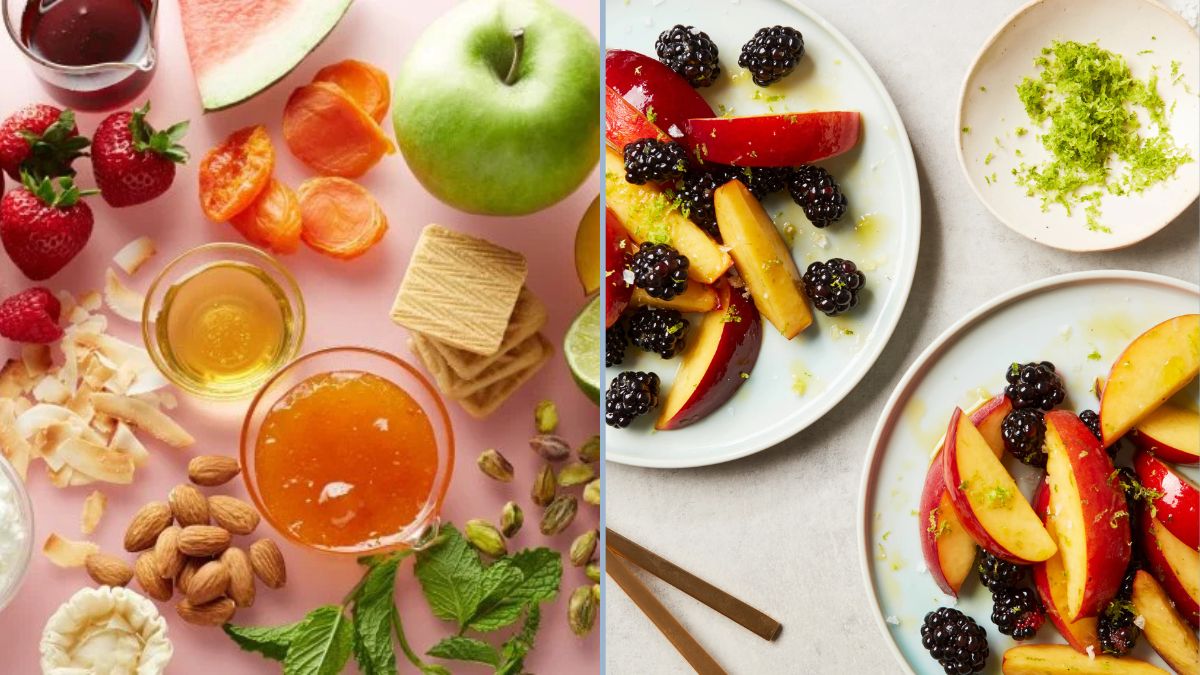
Fruits are naturally nutrient-dense, versatile, and flavorful, making them ideal components for healthy snacking. Combining different fruits in creative ways enhances taste, texture, and nutritional value while promoting balanced dietary habits. This paper explores the concept of fruit pairing for snacks, emphasizing fresh, seasonal, and vegetarian options. By examining flavor profiles, nutritional synergies, and preparation techniques, the study demonstrates how simple fruit combinations can transform everyday snacking into a delicious and health-promoting experience. The findings highlight both the culinary potential and the wellness benefits of thoughtfully pairing fruits for snacks.
Introduction
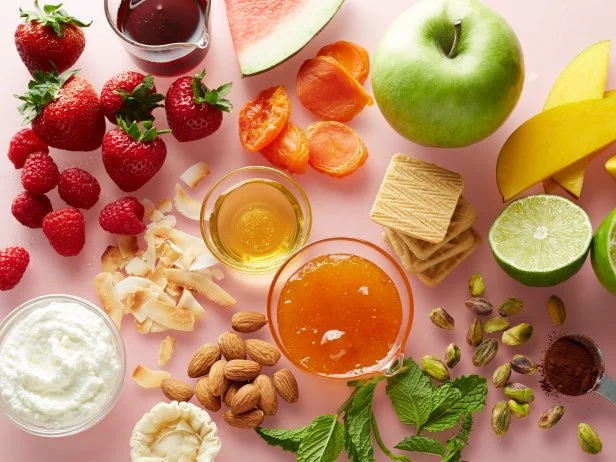
Fruits are a cornerstone of healthy diets due to their high content of vitamins, minerals, fiber, and antioxidants. While individual fruits are already nutritious, pairing them strategically can create snacks that are more satisfying, balanced, and flavorful. Fruit pairing involves combining complementary flavors, textures, and colors to enhance the eating experience and maximize nutritional benefits.
In recent years, there has been increasing awareness of plant-based diets and the importance of snacking for energy, weight management, and overall health. Fruit-based snacks address these needs by providing natural sweetness, hydration, and fiber without added sugars or processed ingredients. Additionally, pairing fruits introduces variety, stimulates the palate, and encourages mindful eating.
This paper explores practical methods for pairing fruits to create healthy, delicious, and visually appealing snacks. Emphasis is placed on fresh, homegrown, and seasonal produce to ensure maximum nutrient retention, taste, and sustainability.
Nutritional and Health Benefits of Fruits
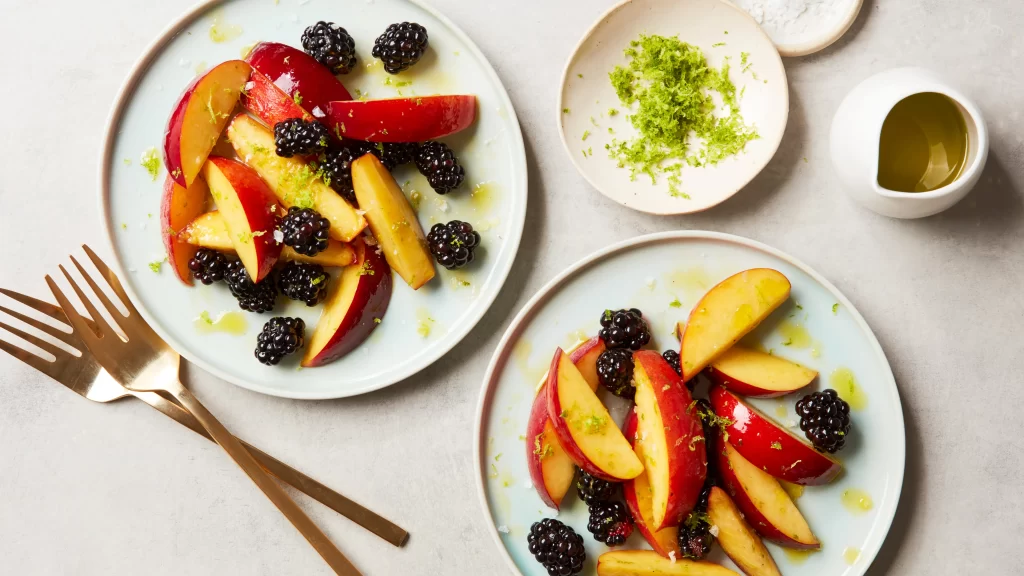
Fruits are rich sources of essential nutrients that support general health and disease prevention. When paired thoughtfully, they can amplify benefits through complementary nutrient profiles:
- Vitamins and Minerals: Citrus fruits provide vitamin C; bananas and mangoes offer potassium; berries contribute antioxidants and folate.
- Dietary Fiber: Fruits like apples, pears, and berries promote digestion, satiety, and gut health.
- Phytonutrients and Antioxidants: Carotenoids, flavonoids, and polyphenols help combat oxidative stress and inflammation.
- Natural Sugars: Fruits supply glucose and fructose for sustained energy without added sugars.
- Hydration: Many fruits, such as watermelon, oranges, and grapes, have high water content that helps maintain hydration.
Combining fruits with complementary nutrients and textures ensures snacks are not only delicious but also supportive of balanced nutrition.
Principles of Fruit Pairing for Snacks
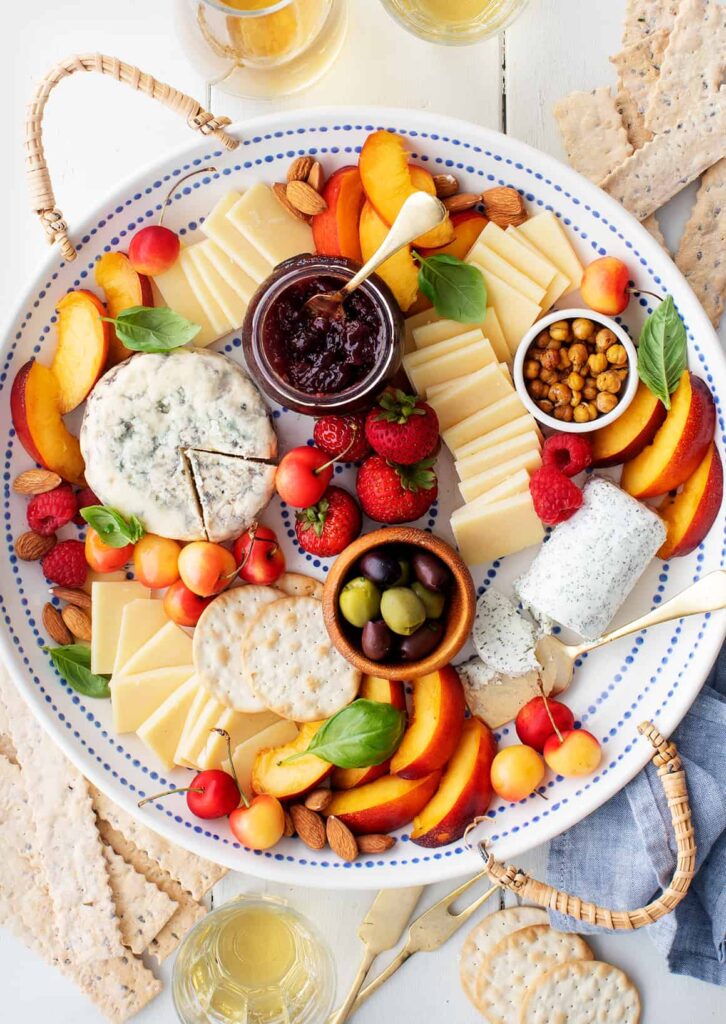
Successful fruit pairing involves several key considerations:
- Flavor Harmony: Balance sweet, tart, bitter, and acidic elements. For example, pairing tart kiwi with sweet mango creates contrast and harmony.
- Textural Variety: Combine soft, juicy fruits with crisp or firm fruits for a satisfying mouthfeel. Example: crisp apple with creamy banana.
- Color Appeal: Visually vibrant snacks encourage appetite and aesthetic enjoyment. Mixing red strawberries, green grapes, and orange papaya creates a colorful plate.
- Seasonality: Use fruits that are in season for maximum flavor, nutrient density, and cost-effectiveness.
- Complementary Nutrients: Pair fruits that enhance absorption of nutrients, such as vitamin C-rich oranges with iron-rich raisins or prunes.
- Portion Control: Small, balanced portions prevent overconsumption of natural sugars while maximizing variety.
Following these principles ensures that fruit-based snacks are both healthful and appealing.
1. Tropical Fruit Medley
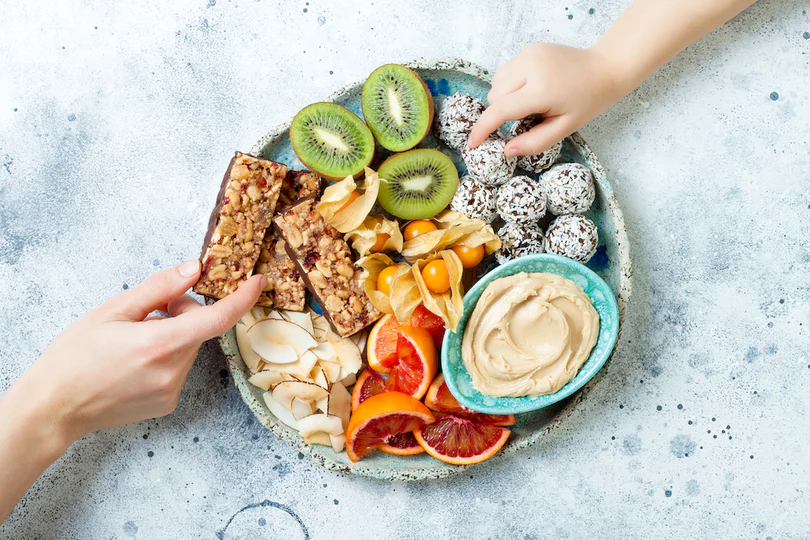
Ingredients: Mango, pineapple, papaya, and banana.
Preparation: Cube all fruits and gently toss together. Optionally, add a drizzle of fresh lime juice to enhance flavor.
Flavor Profile: Sweet and tangy with a tropical aroma.
Nutritional Value: Rich in vitamin C, potassium, and carotenoids; supports hydration and immunity.
Creative Twist: Sprinkle with chia seeds or coconut flakes for added fiber and texture.
2. Berry Citrus Combination
Ingredients: Strawberries, blueberries, blackberries, and orange segments.
Preparation: Slice strawberries and orange segments; mix with other berries. Serve chilled.
Flavor Profile: Balanced sweet-tart notes with refreshing acidity.
Nutritional Value: High in antioxidants, vitamin C, and dietary fiber; promotes cardiovascular and immune health.
Creative Twist: Add a few mint leaves or a light honey drizzle for enhanced aroma.
3. Apple-Pear Delight
Ingredients: Crisp apples, ripe pears, and a sprinkle of cinnamon.
Preparation: Slice fruits evenly and mix gently; dust with cinnamon if desired.
Flavor Profile: Sweet, crunchy, and slightly spiced.
Nutritional Value: Excellent source of dietary fiber, vitamin C, and potassium.
Creative Twist: Serve with a dollop of plain yogurt for a creamy texture and probiotics.
4. Melon and Grapes Refresh
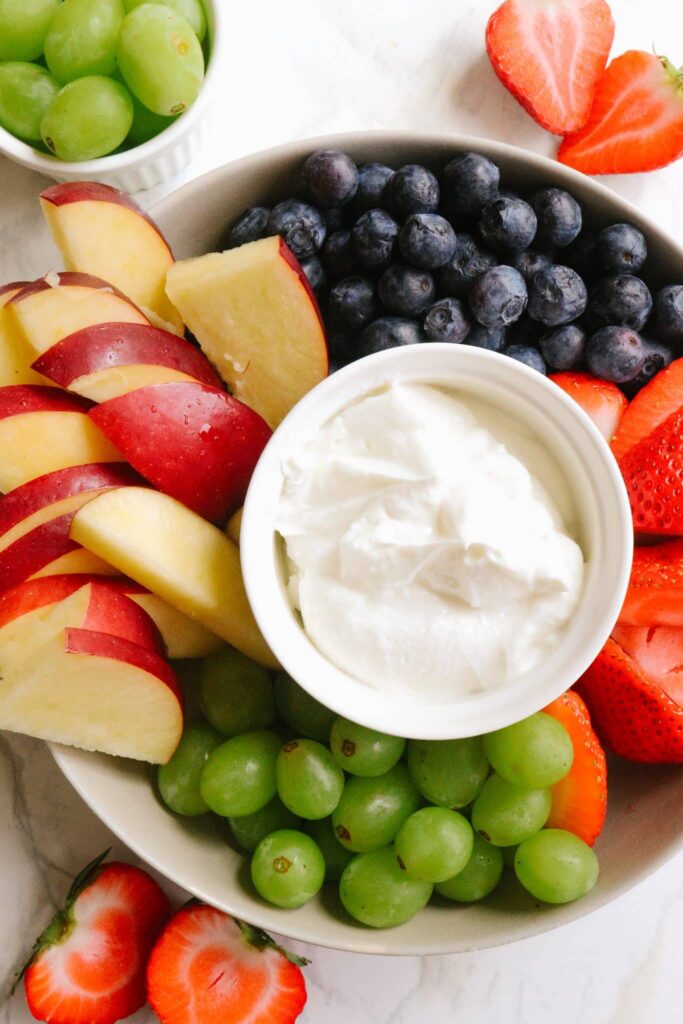
Ingredients: Watermelon, cantaloupe, and green or red grapes.
Preparation: Cube melon pieces and combine with grapes; chill before serving.
Flavor Profile: Light, hydrating, and mildly sweet.
Nutritional Value: High water content, vitamin A, vitamin C, and antioxidants; supports hydration and skin health.
Creative Twist: Add finely chopped fresh basil or mint leaves for aromatic enhancement.
5. Kiwi and Pineapple Fusion
Ingredients: Kiwi, pineapple, and sliced strawberries.
Preparation: Peel and slice kiwi and pineapple; combine with strawberries. Serve immediately.
Flavor Profile: Tangy, sweet, and refreshing; citrusy undertones enhance appetite.
Nutritional Value: Excellent source of vitamin C, vitamin K, and antioxidants.
Creative Twist: Drizzle lightly with lime juice or a natural yogurt-based dressing.
6. Banana and Date Energy Snack
Ingredients: Banana slices, chopped dates, and a sprinkle of crushed almonds.
Preparation: Layer banana slices with chopped dates; garnish with crushed almonds.
Flavor Profile: Naturally sweet, soft, and nutty.
Nutritional Value: Provides potassium, natural sugars for energy, fiber, and healthy fats from almonds.
Creative Twist: Refrigerate for a few minutes to firm texture; can be served as a mini dessert or energy bite.
7. Mixed Tropical-Temperate Plate
Ingredients: Strawberries, mango, kiwi, apple, and grapes.
Preparation: Cut all fruits into bite-sized pieces and mix evenly; chill before serving.
Flavor Profile: Sweet, tart, and juicy; multiple textures create satisfaction.
Nutritional Value: Provides a wide spectrum of vitamins, minerals, antioxidants, and fiber.
Creative Twist: Top with a small spoon of natural yogurt and a sprinkle of seeds for protein and crunch.
Tips for Enhancing Fruit-Based Snacks
- Serve Fresh: Prepare fruit snacks just before eating to preserve nutrients and flavor.
- Incorporate Herbs: Mint, basil, or lemon zest add aroma and subtle flavor complexity.
- Add Healthy Fats or Proteins: Nuts, seeds, or a dollop of yogurt improve satiety and nutrient absorption.
- Mindful Presentation: Colorful arrangements encourage consumption and appreciation of fresh produce.
- Experiment with Combinations: Pair tropical with temperate fruits for contrast; pair tart with sweet for balance.
These strategies ensure that fruit-based snacks are both nutritious and visually appealing.
Health and Sustainability Considerations
Choosing fresh, seasonal, and homegrown fruits maximizes both nutritional value and environmental sustainability. Fruits are low-energy foods that require minimal processing, reducing ecological impact. Using locally sourced produce also reduces carbon footprint and supports community agriculture.
Regular consumption of fruit-based snacks contributes to:
- Improved digestion due to fiber content.
- Better hydration from high water content fruits.
- Reduced reliance on processed sugary snacks, aiding weight management.
- Enhanced immunity and antioxidant intake for disease prevention.
Fruit pairing, therefore, not only elevates culinary enjoyment but also promotes long-term health and environmental responsibility.
Discussion
Pairing fruits strategically transforms simple snacking into an engaging culinary and nutritional experience. Each combination offers diverse flavors, textures, and colors that encourage increased fruit consumption. The approach promotes mindful eating and dietary diversity while leveraging natural sweetness to reduce cravings for processed sugars.
From a nutritional science perspective, combining fruits enhances the overall spectrum of vitamins, minerals, and phytonutrients consumed in a single snack. For example, pairing vitamin C-rich fruits with iron-containing fruits like dried apricots improves iron absorption, demonstrating a practical synergy between flavor and nutrition.
Additionally, the sustainability of fruit-based snacks underscores their relevance in modern diets. By utilizing seasonal and homegrown produce, households can reduce waste, support local agriculture, and promote healthier eating patterns.
Conclusion
Pairing fruits for delicious snacks is both an art and a science. Carefully selected combinations enhance flavor, texture, and nutritional content, transforming simple produce into satisfying and healthful snacks. From tropical medleys to berry-citrus mixes, fruit pairings encourage variety, creativity, and mindful consumption.
By prioritizing freshness, seasonality, and homegrown ingredients, fruit-based snacks support personal health, environmental sustainability, and culinary enjoyment. They offer an accessible, low-cost, and versatile way to integrate plant-based nutrition into daily routines.
Ultimately, pairing fruits thoughtfully turns everyday snacking into a wholesome, vibrant, and delicious experience — nourishing both body and mind while promoting a sustainable approach to food.