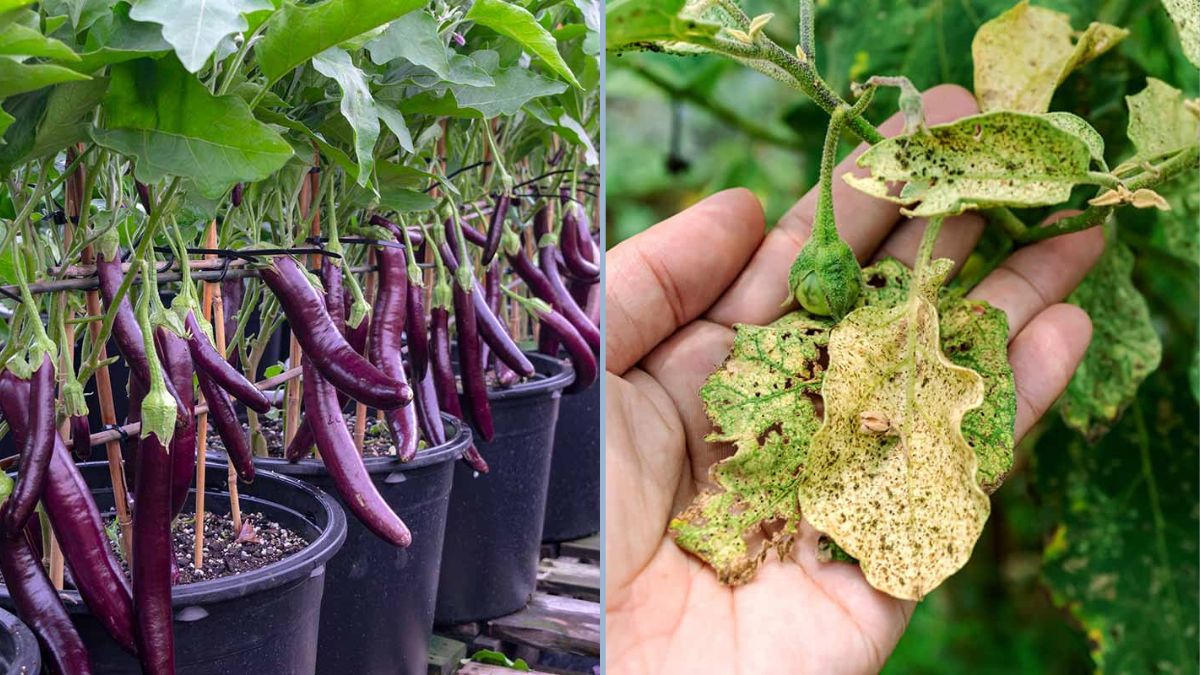
Eggplants (Solanum melongena), also known as aubergines or brinjals, are a popular warm-season vegetable cultivated in home gardens and farms around the world. Despite their resilience, they are highly susceptible to pest attacks at every stage of growth. Garden bugs such as flea beetles, aphids, spider mites, whiteflies, and leaf miners can cause significant damage to the foliage, stems, and fruits of eggplant crops. Left uncontrolled, these pests can reduce yields, weaken plant vitality, and even kill young seedlings. This article explores sustainable, plant-based methods of protecting eggplants from garden bugs without using any non-vegetarian options or animal-derived products. The goal is to present detailed, eco-friendly, and effective techniques suitable for organic gardens and environmentally conscious growers.
1. Understanding Common Pests of Eggplant
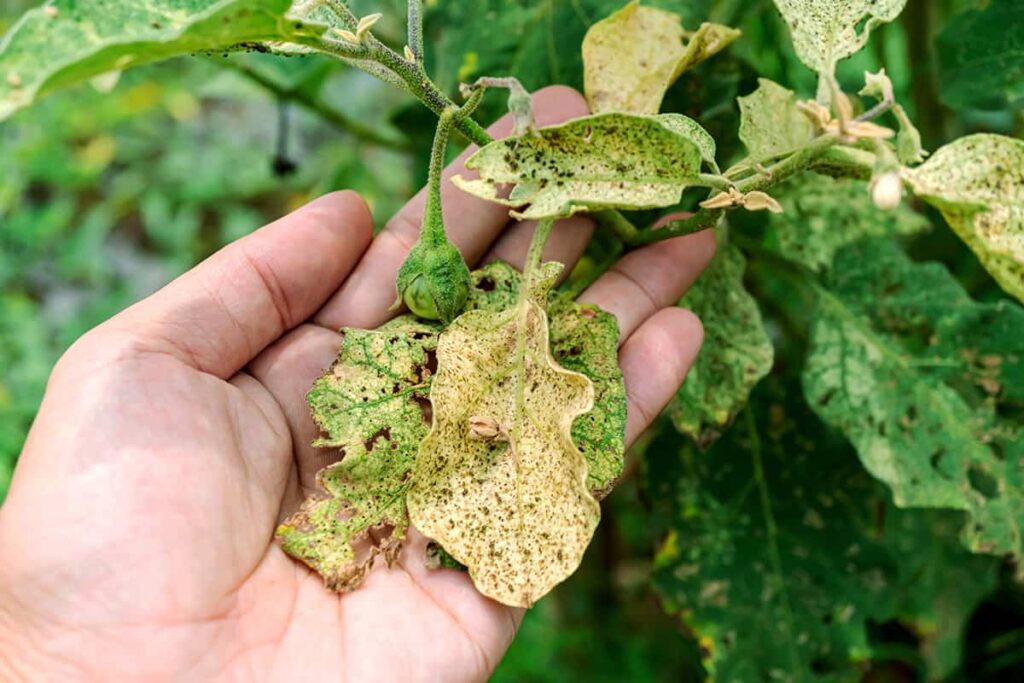
A foundational step in protecting eggplants is correctly identifying the pests that attack them. Different insects leave distinct symptoms, and recognizing these can guide targeted, natural solutions.
Flea Beetles
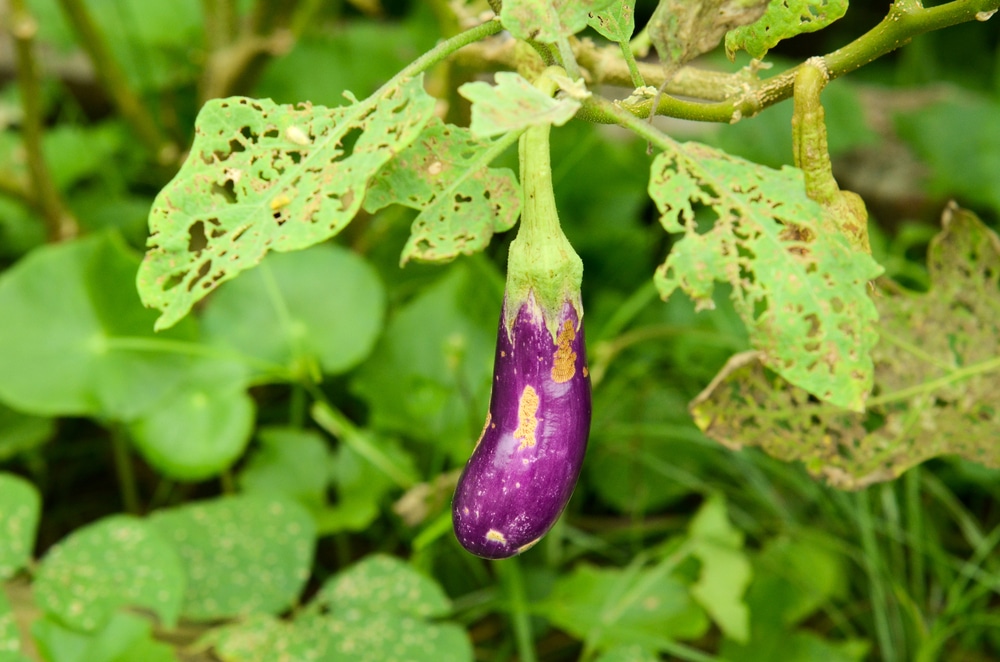
These tiny, dark insects chew numerous small holes across the leaves, giving them a “shot-hole” appearance. Seedlings are especially vulnerable and may struggle to recover.
Aphids
Aphids are soft-bodied insects that cluster on stems, buds, and leaf undersides. They suck sap, causing curling leaves and sticky honeydew residue that attracts ants and fosters mold.
Spider Mites
These microscopic pests cause stippling and yellowing of leaves. Fine webbing may be visible on heavily infested plants.
Whiteflies
Whiteflies feed on the underside of leaves and disperse in clouds when the plant is disturbed. They weaken plants by draining their sap.
Leaf Miners
Leaf miners burrow between leaf layers, leaving squiggly or translucent trails that reduce photosynthetic capacity.
Understanding the behavior and signs of each pest helps in applying the right preventive measures early.
2. Prevention Through Crop Management
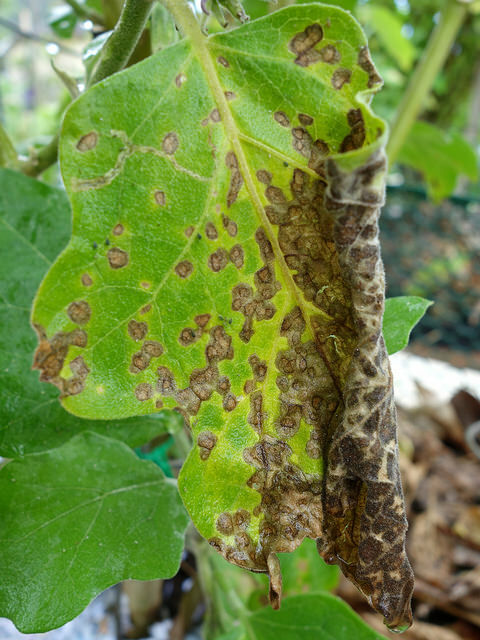
Preventing bugs begins even before planting. Sound cultivation practices significantly reduce pest pressure and help plants grow strong enough to resist damage.
Soil Preparation and Composting
Well-drained, fertile soil enriched with plant-based compost improves root health and overall plant vigor. Avoid animal manure; instead, use compost made from kitchen scraps, shredded leaves, vegetable waste, and plant residues.
Crop Rotation
Avoid planting eggplants in the same soil where other solanaceous crops like tomatoes, peppers, or potatoes were recently grown. Rotating with legumes, leafy greens, or onions breaks pest life cycles and reduces soil-borne infestations.
Raised Beds and Mulching
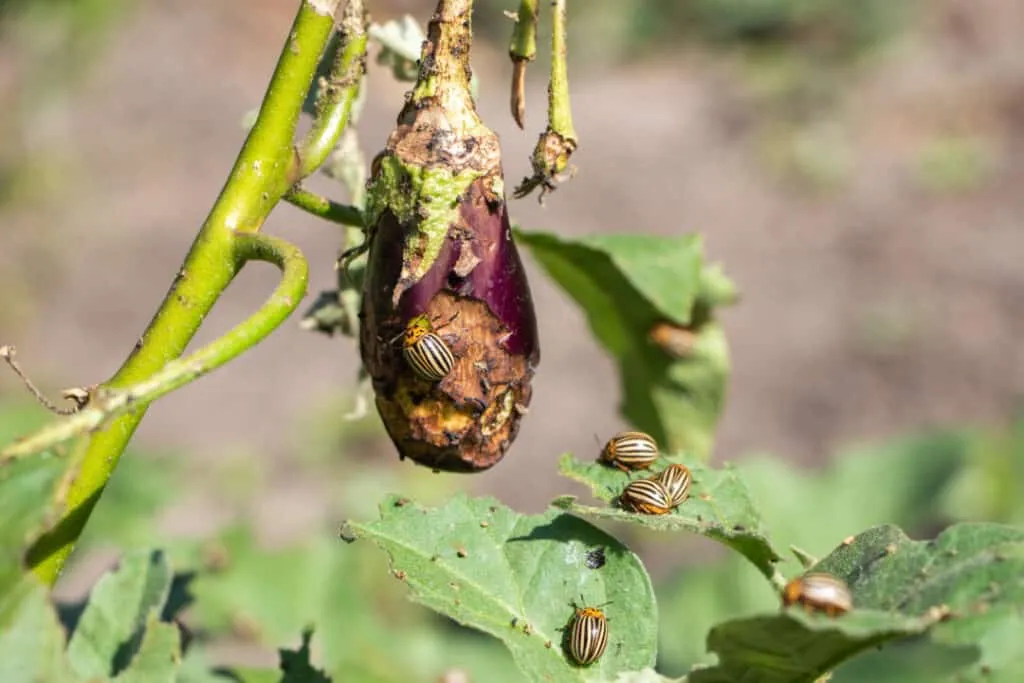
Raised beds improve drainage and reduce pest access. Mulching with straw, dried leaves, wood chips, or coconut coir helps suppress weeds, regulate soil temperature, and limit the hiding places of soil-dwelling insects like flea beetles.
3. Physical Barriers and Traps
Physical protection is one of the most effective vegan-friendly approaches to pest control.
Row Covers
Lightweight, breathable fabric row covers can be placed over young plants. These covers allow sunlight, water, and air to pass through while blocking entry by beetles, aphids, or whiteflies. They should be secured along the edges to create a full barrier.
Sticky Traps
Yellow sticky cards capture flying pests such as whiteflies and aphids. Placing several traps around the eggplant bed reduces adult populations and helps monitor infestation levels.
Handpicking and Leaf Inspection
Daily or weekly inspection of leaves, especially the underside, allows early detection. Damaged or infested leaves can be removed and destroyed. Handpicking visible pests like beetles is a direct and chemical-free method.
4. Botanical Sprays and Natural Repellents
Plant-based pest deterrents are ideal for gardeners who avoid non-veg options. Several botanical solutions can be made at home or purchased from organic suppliers.
Neem Oil Spray
Derived from the seeds of the neem tree, neem oil is one of the most respected organic pesticides. It works as an insect growth regulator and repellent. Dilute neem oil with water and a mild plant-based liquid soap to emulsify, then spray on leaves, stems, and soil around plants. Neem disrupts feeding and reproduction of aphids, whiteflies, flea beetles, and more.
Garlic–Chili Spray
Crushed garlic and chili peppers soaked in water and strained create a potent spray that deters many leaf-chewing insects. A few drops of vegetable-based liquid soap can help the mixture adhere to leaves. This spray should be applied in early mornings or evenings to avoid leaf burn.
Onion and Ginger Root Infusions
An infusion made by soaking onion skins or ginger slices in water for 24 hours can serve as a mild repellent. Regular application is necessary for continuous effect.
Plant-Based Insecticidal Soaps
Soaps made from coconut, castile, or olive-based ingredients can control soft-bodied insects. Mix soap with water and lightly coat the pests directly, ensuring coverage beneath the leaves. Rinse after a few hours if the temperature is high.
5. Companion Planting
Companion plants can either attract beneficial insects or repel harmful bugs. Only plant-based and vegan-friendly strategies are used here.
Strong-Scented Herbs
Basil, dill, marigold, oregano, and mint are very effective companions. Their strong fragrances confuse and repel pests such as aphids, whiteflies, and beetles. For example:
- Marigolds release compounds from their roots and flowers that deter nematodes and many flying insects.
- Basil improves the growth of eggplants and wards off mosquitoes and flies in the vicinity.
Trap Crops
Interplanting sacrificial crops that attract pests away from eggplants is another tactic. Radishes, for instance, can draw flea beetles, letting eggplants remain safer. These sacrificial crops can be periodically removed or treated with sprays.
6. Beneficial Insects Without Animal Products
While animal-derived solutions like fish emulsions are avoided, encouraging naturally occurring beneficial insects can still be done without harming or exploiting them.
Habitat Support
Grow diverse flowering plants like cosmos, chamomile, alyssum, and calendula that provide nectar for ladybugs and lacewings. These insects feed on aphids and mites. Creating flowering borders around the eggplant bed invites these allies in a non-invasive way.
Avoid Broad-Spectrum Chemicals
Avoiding synthetic or animal-derived pesticides protects both the target plant and beneficial insect populations. Healthy ecosystems naturally regulate pest levels.
7. Water Management and Sanitation
Good cultural practices significantly limit pest activity.
Proper Watering
Overwatering can lead to fungal issues and create ideal conditions for pests. Watering at the base in the early morning helps the foliage stay dry and discourages insects.
Weed Control
Weeds often host pests and compete for nutrients. Regularly remove weeds by hand or use vegetable-based mulches to suppress their growth.
Removing Crop Debris
Dead leaves, fallen fruits, and plant litter invite pests to hide and reproduce. Clean around the plants regularly to interrupt pest life cycles.
8. Strengthening Plants Naturally
Healthy, vigorous plants are more resilient to pest damage.
Plant-Based Fertilizers
Use compost teas made from banana peels, green leaves, or kelp-based (seaweed) extracts to feed plants. These provide nutrients without involving any animal-based inputs.
Spacing and Airflow
Plant eggplants with adequate spacing to allow air circulation. Crowded plants are more prone to pest and disease buildup.
Sunlight and Temperature
Eggplants need at least 6 to 8 hours of direct sunlight. Strong, sun-grown plants tolerate pest pressure better than weak, shaded plants.
9. Seasonal Timing and Variety Selection
A smart approach to planting dates and seed variety selection can significantly reduce pest damage.
Early or Staggered Planting
Starting seeds indoors and transplanting sturdy seedlings can help young plants avoid the initial surge of flea beetles in spring. Alternatively, staggering plantings ensures that at least some plants escape peak pest times.
Resistant Varieties
Some eggplant varieties possess tougher leaf structures or chemical defenses that naturally deter pests. Choosing varieties known for pest resistance minimizes the need for additional control measures.
10. Monitoring and Persistence
Effective pest management requires vigilance, observation, and long-term commitment.
Regular Inspection
Inspecting plants every few days allows for early detection. A magnifying lens helps spot tiny pests like spider mites. Early treatment is more successful and less labor-intensive.
Garden Journaling
Keeping notes on pest appearance, treatment application, weather patterns, and plant responses is invaluable. Over time, gardeners can anticipate seasonal pests and prepare plant-based solutions in advance.
Conclusion
Protecting eggplants from garden bugs without using any non-vegetarian or animal-derived options is fully achievable through an integrated strategy rooted in ecology, prevention, and sustainability. By understanding pest biology, nurturing soil health, using physical barriers, applying botanical repellents, practicing companion planting, and maintaining strong plant growth, gardeners can sustain thriving eggplant crops naturally. Regular monitoring and patience are essential, but over time, these plant-based methods build a resilient, self-regulating garden environment.