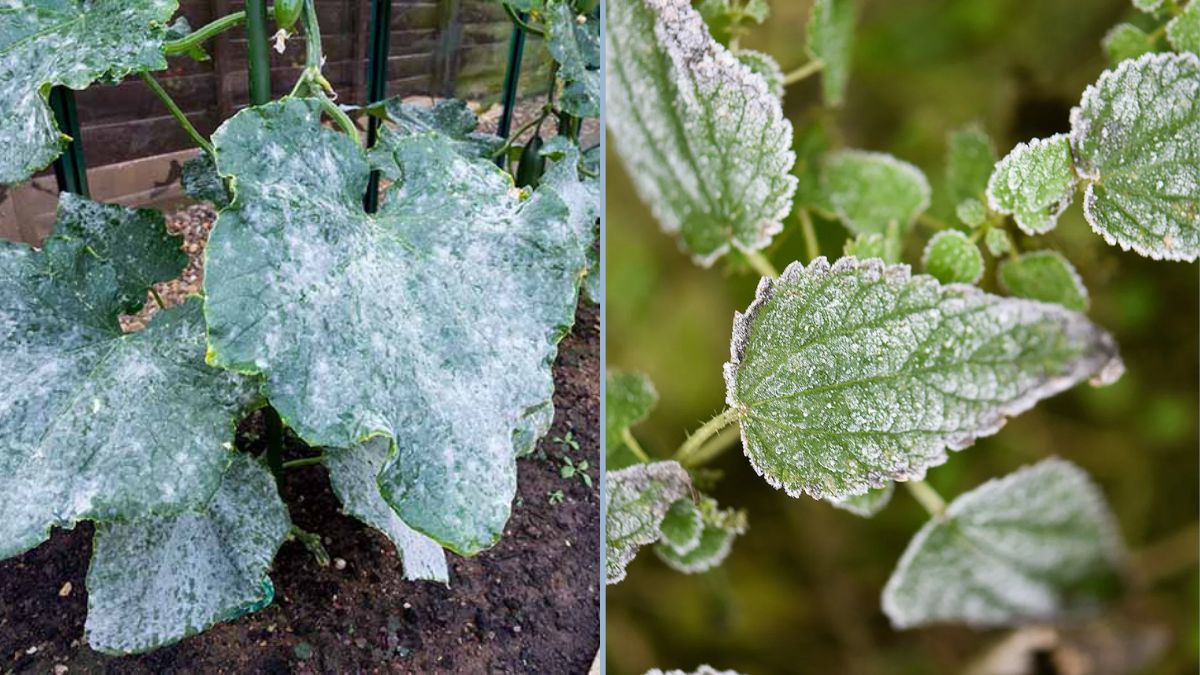
Powdery mildew is one of the most common and persistent fungal diseases affecting indoor and outdoor plants alike. It is caused by a variety of fungi in the order Erysiphales and is characterized by white or gray powdery spots on leaves, stems, and sometimes flowers. Though it rarely kills plants outright, it can significantly weaken them, reduce photosynthesis, and diminish aesthetic appeal. Treating powdery mildew naturally is both environmentally friendly and safe for humans, pets, and beneficial insects. This article explores the causes, symptoms, and detailed natural treatment strategies for powdery mildew, offering a comprehensive guide for plant enthusiasts and researchers.
Understanding Powdery Mildew
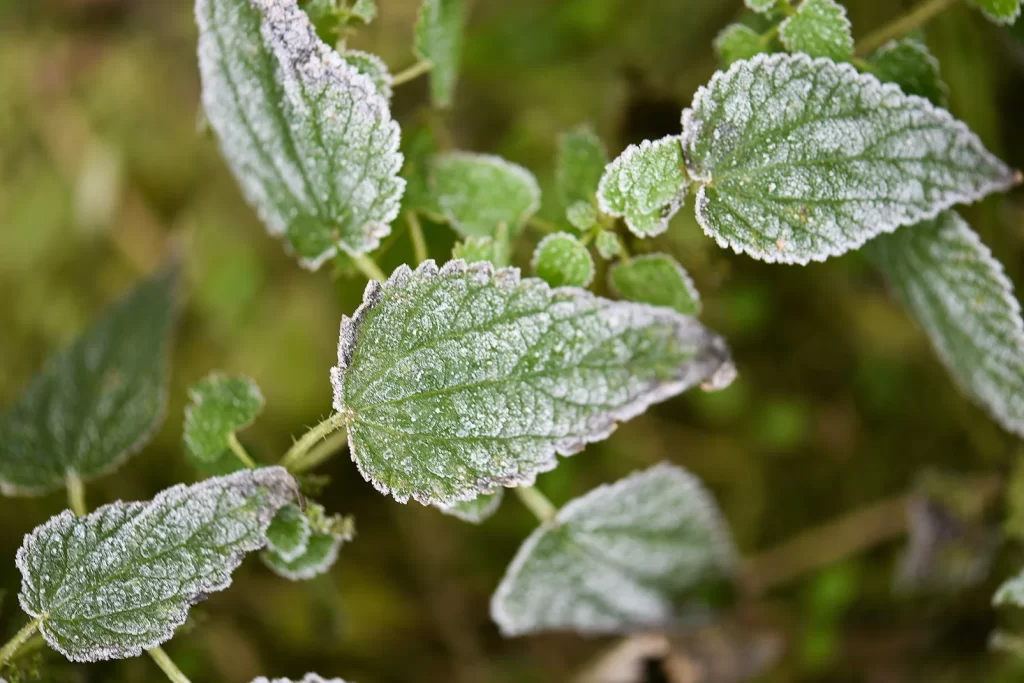
Powdery mildew thrives in environments with high humidity but moderate temperatures, often occurring on plants grown in shaded or poorly ventilated areas. Unlike many other fungal pathogens, it does not require free water on the leaf surface to infect plants. Instead, it extracts nutrients directly from the plant tissue, creating the characteristic powdery coating. Common host plants include cucumbers, roses, squash, grapes, and a variety of indoor ornamental plants such as ficus and spider plants.
Key Symptoms of Powdery Mildew
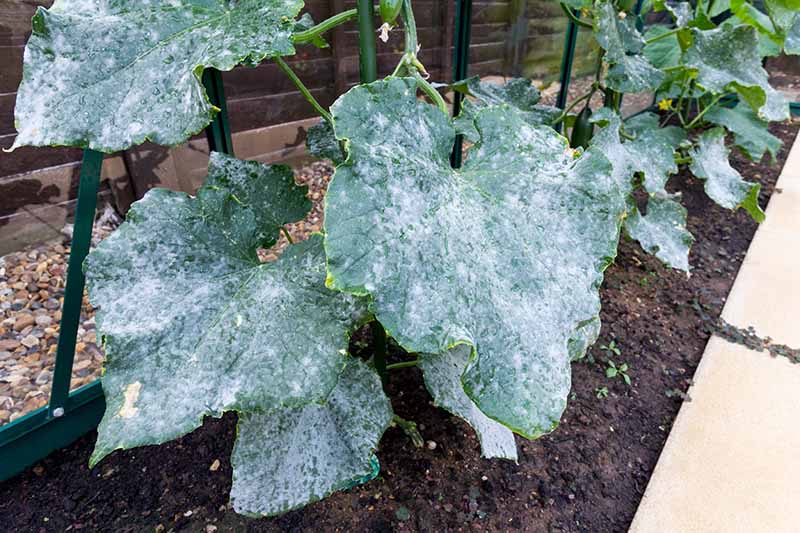
Recognizing powdery mildew early is essential for effective treatment:
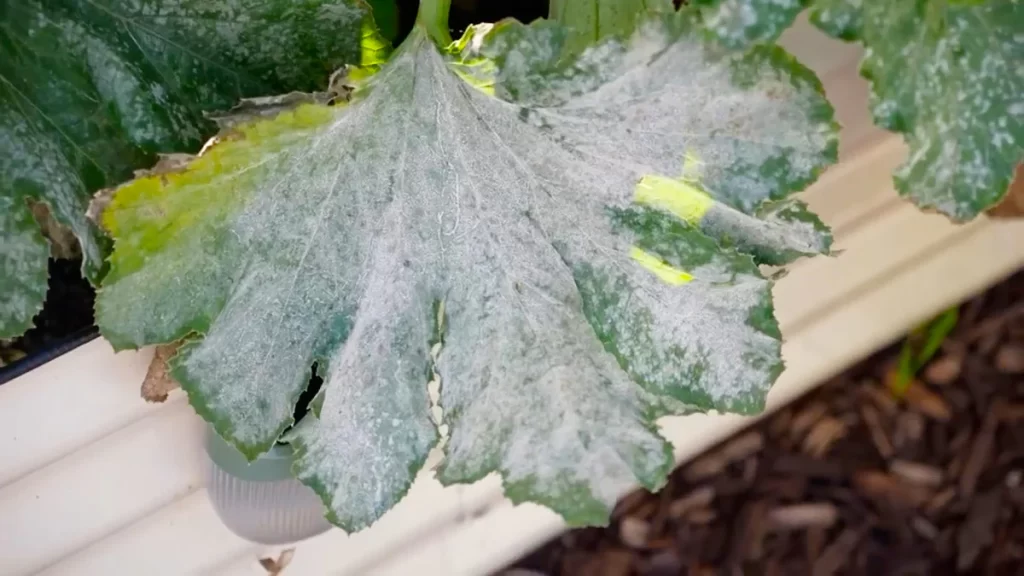
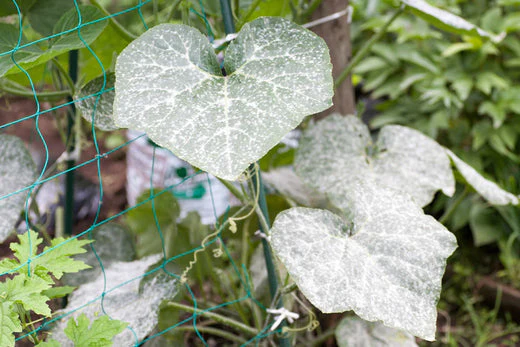
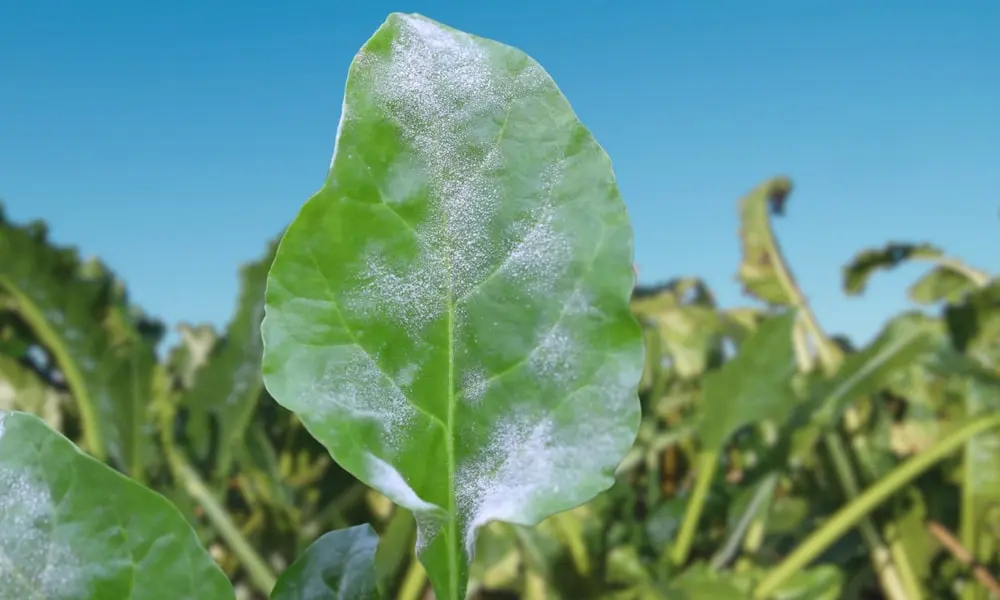
- White or Gray Powdery Coating: The most obvious sign is a fine, powder-like layer on the upper and sometimes lower surfaces of leaves. Over time, the powder can spread to stems and flowers.
- Leaf Distortion: Infected leaves may curl, twist, or become distorted. This is often accompanied by stunted growth.
- Yellowing and Premature Leaf Drop: The areas affected by powdery mildew may turn yellow or brown, leading to early leaf shedding.
- Reduced Flowering and Fruit Production: Infected plants may have fewer blooms and smaller or less abundant fruits, as the fungus interferes with normal plant physiology.
Causes and Contributing Factors
Several environmental and cultural factors contribute to powdery mildew outbreaks:
- High Humidity with Poor Air Circulation: Stagnant air promotes fungal spore germination.
- Shaded or Crowded Planting: Lack of sunlight weakens plants and encourages fungal growth.
- Excess Nitrogen Fertilization: Overuse of nitrogen-rich fertilizers can produce soft, lush growth, which is more susceptible to powdery mildew.
- Susceptible Plant Varieties: Some plant species and cultivars are naturally more vulnerable to infection.
Understanding these factors helps in both prevention and treatment.
Natural Treatments for Powdery Mildew
Treating powdery mildew naturally involves methods that suppress fungal growth, improve plant immunity, and create an environment less favorable for spores. Here are the most effective strategies:
1. Neem Oil
Neem oil, derived from the seeds of the neem tree (Azadirachta indica), is a powerful natural antifungal agent. It works by disrupting the life cycle of the fungus and preventing spore germination.
Application:
- Mix 2–3 tablespoons of neem oil with 1 gallon of water and a few drops of mild liquid soap to act as an emulsifier.
- Spray the mixture thoroughly on all plant surfaces, including the undersides of leaves.
- Repeat every 7–10 days until symptoms disappear.
Neem oil is safe for most indoor and outdoor plants and also repels insects, providing dual benefits.
2. Baking Soda Solution
Baking soda (sodium bicarbonate) creates an alkaline environment on the leaf surface that inhibits fungal growth.
Application:
- Mix 1 tablespoon of baking soda, 1 teaspoon of vegetable oil, and 1 teaspoon of liquid soap in 1 quart of water.
- Spray the solution on affected leaves, ensuring full coverage.
- Repeat every 7 days until mildew diminishes.
This solution is gentle, non-toxic, and effective as both a preventive and curative treatment.
3. Milk Spray
Milk contains natural proteins that, when exposed to sunlight, produce fungicidal compounds that inhibit powdery mildew.
Application:
- Dilute milk with water in a 1:2 ratio (one part milk, two parts water).
- Spray the mixture on leaves in the early morning or late afternoon to avoid sunburn.
- Apply weekly for best results.
Milk sprays are particularly effective for vegetables and ornamental plants, enhancing plant health without harmful residues.
4. Garlic and Onion Extracts
Both garlic and onion contain sulfur compounds with natural antifungal properties.
Application:
- Blend a few garlic cloves or onion bulbs with water and strain the mixture.
- Dilute the extract with additional water and spray onto infected plants.
- Repeat every 5–7 days until the infection subsides.
This method is especially useful in gardens where synthetic fungicides are undesirable.
5. Pruning and Proper Hygiene
Physical management of powdery mildew is as important as chemical or natural sprays.
- Remove heavily infected leaves and dispose of them away from healthy plants.
- Avoid composting diseased material, as spores can survive and reinfect plants.
- Maintain adequate spacing between plants to improve air circulation.
- Regularly clean gardening tools with alcohol or a mild bleach solution to prevent cross-contamination.
6. Environmental Control
Adjusting the growing environment reduces the likelihood of powdery mildew:
- Increase Sunlight Exposure: Place indoor plants near windows or provide artificial light to reduce humidity around foliage.
- Improve Air Circulation: Use fans indoors or space plants apart outdoors to minimize stagnant air.
- Avoid Overhead Watering: Water at the soil level to prevent creating a moist surface that encourages fungal growth.
Preventive Measures
Preventing powdery mildew is often more effective than treating it after infection:
- Choose Resistant Varieties: Some plant cultivars are bred for powdery mildew resistance.
- Regular Monitoring: Inspect leaves weekly for early signs of infection. Early detection allows prompt treatment.
- Balanced Fertilization: Avoid excessive nitrogen; use balanced fertilizers to promote healthy growth.
- Sanitize Growing Media: Sterilize soil or use fresh potting mix to reduce the risk of introducing fungal spores.
Conclusion
Powdery mildew, though common, is highly manageable with natural, plant-based treatments. By combining neem oil, baking soda, milk sprays, garlic extracts, and good horticultural practices, plant enthusiasts can effectively control this fungal disease without resorting to harmful chemicals. Preventive measures such as proper spacing, airflow, and resistant varieties further reduce the risk of infection. Understanding the environmental conditions that favor powdery mildew and recognizing early symptoms are crucial for maintaining healthy, vibrant indoor and outdoor plants.
Adopting natural methods not only protects plant health but also supports environmental sustainability, making it an ideal choice for gardeners, researchers, and anyone passionate about nurturing greenery responsibly.