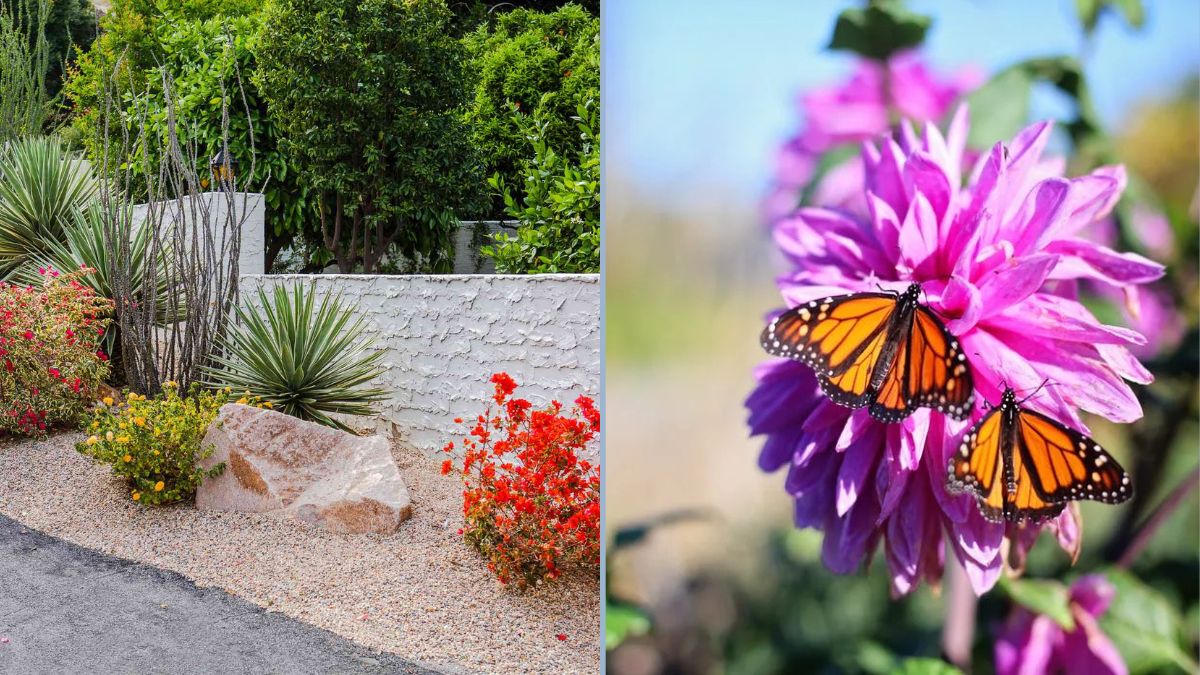
Small gardens, whether urban balconies, patios, or compact backyard plots, offer a perfect opportunity to grow greenery, vegetables, and ornamental plants. However, maintaining a healthy garden in a limited space often comes with challenges, particularly pest management. In small gardens, pests such as aphids, caterpillars, whiteflies, and mites can quickly spread from one plant to another due to close proximity. Choosing pest-resistant plants is a strategic and environmentally friendly way to minimize pest problems, reduce chemical use, and maintain a thriving garden ecosystem. This article explores the concept of pest-resistant plants, their benefits, examples suitable for small gardens, and practical strategies for integrating them into your garden design.
Understanding Pest Resistance in Plants
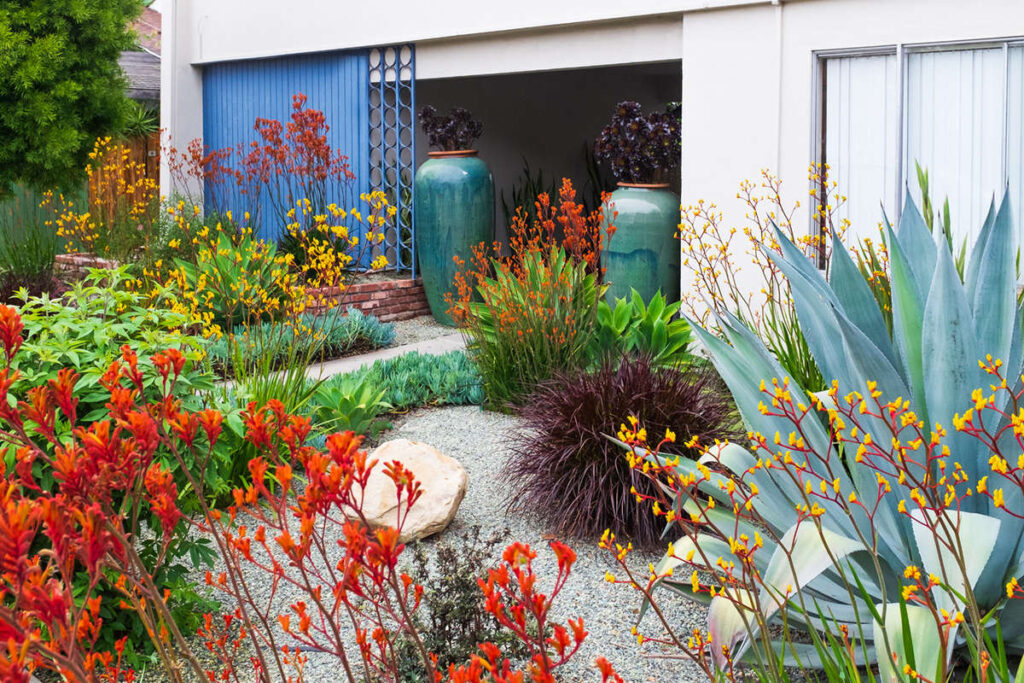
Pest-resistant plants possess natural characteristics that reduce the likelihood of insect or pathogen damage. These characteristics can include:
- Physical Traits: Thick, tough, or hairy leaves can prevent pests from feeding or laying eggs.
- Chemical Defenses: Certain plants produce compounds such as essential oils, alkaloids, or tannins that repel pests.
- Rapid Growth and Regeneration: Plants that grow quickly or replace damaged tissue efficiently can tolerate minor pest attacks.
- Aroma and Coloration: Strong scents or specific colors can deter insects from settling or feeding.
It is important to note that pest-resistant plants are not completely immune to pests; rather, they are less attractive or more difficult for pests to infest. Integrating these plants into small gardens helps reduce pest pressure naturally.
Benefits of Pest-Resistant Plants
Incorporating pest-resistant plants into a small garden offers several advantages:
- Reduced Chemical Use: Fewer pesticides are needed, promoting organic and eco-friendly gardening.
- Lower Maintenance: Resistant plants require less frequent intervention, saving time and effort.
- Healthy Plant Growth: Stronger plants with natural defenses grow more vigorously and produce higher yields.
- Biodiversity Support: Pest-resistant plants attract beneficial insects and pollinators, enhancing the ecological balance of the garden.
- Aesthetic Appeal: Many pest-resistant plants are also ornamental, providing beauty alongside functionality.
By selecting the right species, gardeners can create a sustainable and low-maintenance small garden.
Examples of Pest-Resistant Plants for Small Gardens
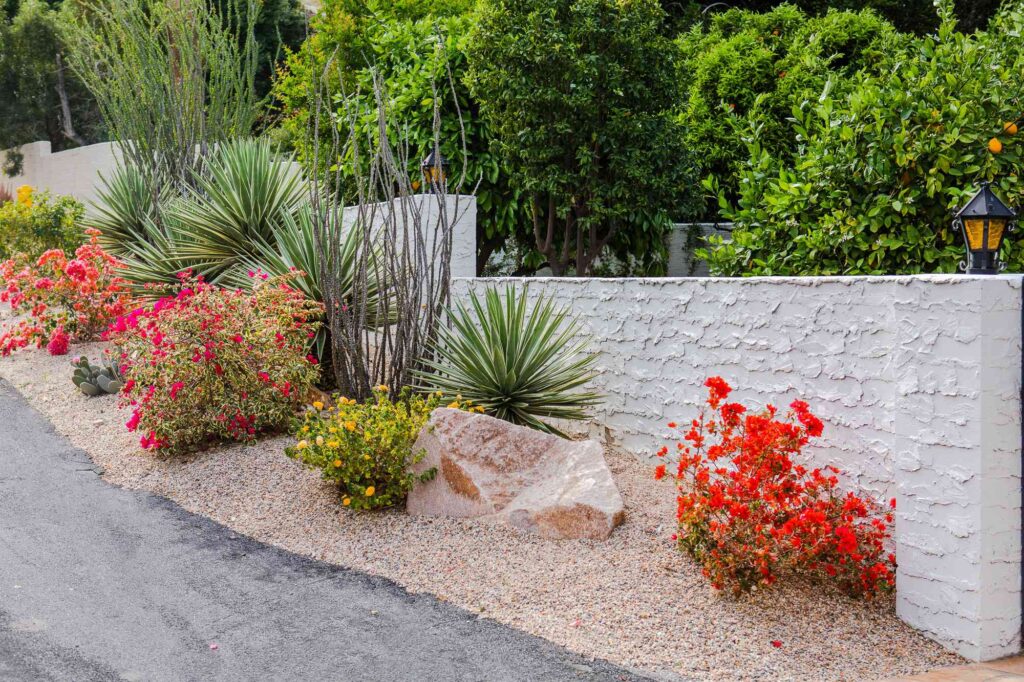
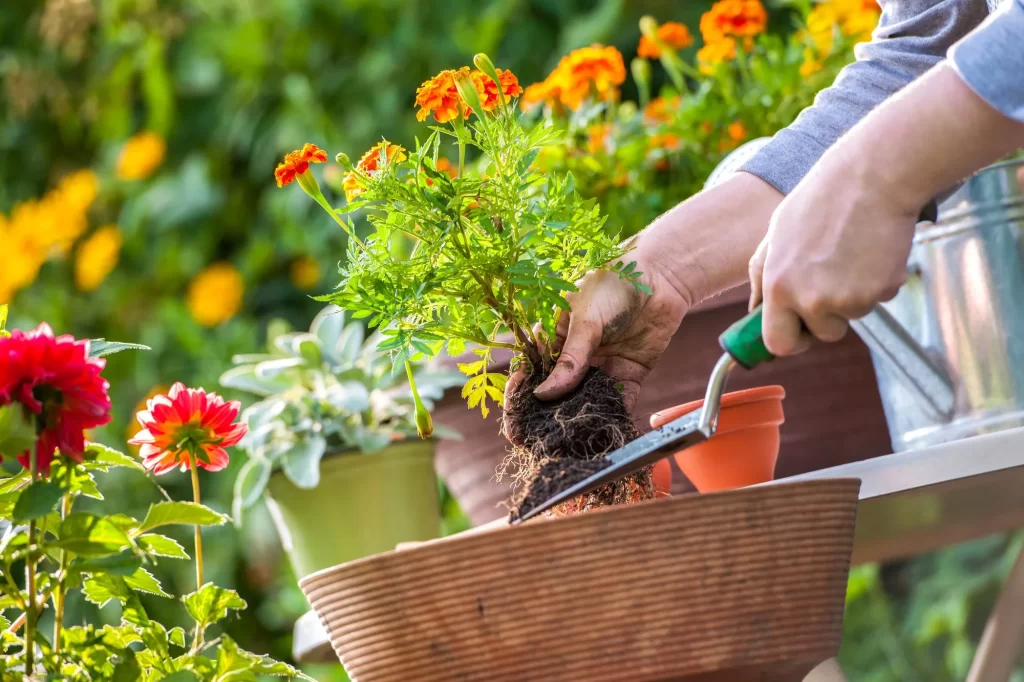
1. Marigolds (Tagetes spp.)
Marigolds are widely known for their pest-repelling properties, particularly against nematodes, aphids, and whiteflies. The strong fragrance of marigolds masks the scent of nearby plants, making it harder for pests to locate their preferred hosts.
Benefits in Small Gardens:
- Compact growth suitable for pots or borders.
- Bright flowers add visual appeal.
- Can be interplanted with vegetables to protect crops naturally.
2. Basil (Ocimum basilicum)
Basil is an aromatic herb that repels flies, mosquitoes, and aphids. Its strong scent deters insects while also attracting pollinators.
Benefits:
- Ideal for container gardening.
- Provides fresh leaves for culinary use.
- Fast-growing and easy to maintain.
3. Lavender (Lavandula spp.)
Lavender produces essential oils that repel moths, fleas, and mosquitoes. Its fragrant flowers also attract bees and butterflies, supporting pollination.
Benefits:
- Drought-tolerant and hardy.
- Small, bushy growth fits well in compact spaces.
- Adds aesthetic beauty with purple blooms.
4. Rosemary (Rosmarinus officinalis)
Rosemary is an evergreen herb with needle-like leaves containing aromatic oils that repel cabbage moths, carrot flies, and other pests.
Benefits:
- Thrives in small pots or raised beds.
- Low maintenance and drought-tolerant.
- Can be pruned to maintain compact shape.
5. Chrysanthemums (Chrysanthemum spp.)
Chrysanthemums contain pyrethrins, natural compounds used in insect repellents. They help deter aphids, leaf miners, and mites.
Benefits:
- Colorful blooms enhance garden aesthetics.
- Can be planted in small borders or containers.
- Supports integrated pest management naturally.
6. Tomatoes (Solanum lycopersicum) – Certain Varieties
Some tomato varieties are bred for resistance against common pests like aphids, whiteflies, and leaf miners. Companion planting with basil or marigolds can enhance protection.
Benefits:
- Compact determinate varieties are suitable for small gardens.
- Provide fresh produce for household consumption.
- Pest-resistant varieties reduce the need for pesticides.
7. Nasturtiums (Tropaeolum majus)
Nasturtiums are edible flowering plants that act as trap crops, attracting aphids and caterpillars away from more valuable plants.
Benefits:
- Rapid growth and trailing habit suitable for small spaces.
- Edible flowers and leaves for salads.
- Bright, colorful flowers enhance visual appeal.
8. Mint (Mentha spp.)
Mint produces strong aromatic oils that repel ants, aphids, and flea beetles. It is best grown in containers to prevent aggressive spreading.
Benefits:
- Compact container growth prevents garden overcrowding.
- Provides fresh leaves for teas and culinary use.
- Helps in companion planting to deter pests naturally.
Integrating Pest-Resistant Plants in Small Gardens
1. Companion Planting
Companion planting is the strategic placement of pest-resistant plants near vulnerable species to reduce pest pressure. Examples include:
- Planting marigolds near tomatoes or peppers to deter nematodes and aphids.
- Interplanting basil with leafy greens to repel whiteflies.
- Using nasturtiums as a trap crop near brassicas.
2. Layering and Vertical Gardening
In small gardens, vertical gardening techniques such as trellises or stacked planters maximize space while incorporating pest-resistant plants. For instance, rosemary or lavender can be grown in pots along walls, while tomatoes or cucumbers climb trellises nearby.
3. Herb Borders and Edging
Creating herb borders using basil, mint, or rosemary along garden edges can form a natural barrier, keeping pests away from more delicate or high-value plants.
4. Rotation and Diversity
Rotating crops and maintaining a diversity of pest-resistant plants reduces pest buildup over time. Diverse plantings attract beneficial insects, which contribute to natural pest suppression.
5. Maintenance and Monitoring
Even pest-resistant plants require regular monitoring. Pruning, removing damaged leaves, and maintaining healthy soil support the plants’ natural defenses. Mulching and proper irrigation reduce stress, making plants less vulnerable to pests.
Environmental Benefits of Pest-Resistant Gardening
Using pest-resistant plants aligns with sustainable gardening practices:
- Reduces chemical pesticide use, protecting soil and water quality.
- Supports pollinators such as bees and butterflies.
- Enhances biodiversity in urban and small garden ecosystems.
- Promotes healthy soil microbiota, which contributes to plant immunity.
Conclusion
Pest-resistant plants are an essential component of small garden design, offering a practical and environmentally friendly approach to pest management. By selecting plants with natural defenses such as marigolds, basil, lavender, rosemary, chrysanthemums, tomatoes, nasturtiums, and mint, gardeners can reduce pest infestations, lower maintenance requirements, and promote healthy plant growth.
Integrating these plants through companion planting, vertical gardening, borders, and crop rotation maximizes the benefits of pest resistance in limited spaces. Beyond pest control, these plants enhance aesthetic appeal, provide culinary or ornamental value, and support pollinators and other beneficial organisms.
By understanding plant-pest interactions and adopting natural strategies, gardeners can cultivate thriving, sustainable, and resilient small gardens. Pest-resistant plants not only reduce dependence on chemical interventions but also foster ecological balance, ensuring a productive and beautiful garden environment year-round.