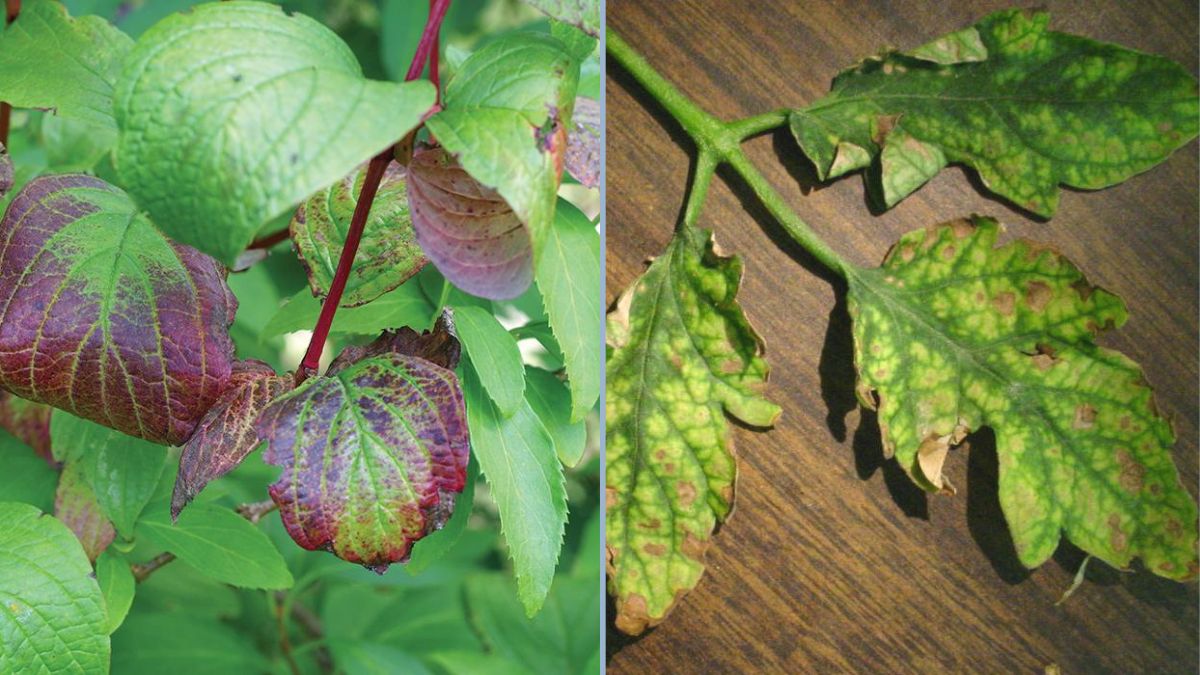
Vegetables are essential for global food security, human nutrition, and sustainable agriculture. However, their productivity and quality greatly depend on the availability of nutrients in the soil. When plants do not receive adequate nutrients, they exhibit visible symptoms that can reduce yield, alter flavor, and compromise their nutritional value. Identifying nutrient deficiencies early is a crucial step in maintaining healthy vegetable crops. This article discusses the main nutrient deficiencies that occur in vegetables, the visual indicators of each deficiency, and corrective strategies based entirely on plant-based or mineral sources.
Understanding Plant Nutrient Requirements
Vegetables require two categories of nutrients:
- Macronutrients (needed in large amounts):
- Nitrogen (N)
- Phosphorus (P)
- Potassium (K)
- Calcium (Ca)
- Magnesium (Mg)
- Sulfur (S)
- Micronutrients (needed in smaller amounts):
- Iron (Fe)
- Zinc (Zn)
- Manganese (Mn)
- Boron (B)
- Copper (Cu)
- Molybdenum (Mo)
Each nutrient supports a specific physiological function such as chlorophyll production, root development, flower formation, or enzyme activity. When one or more nutrients are insufficient, plants show distinct physical symptoms.
Common Nutrient Deficiencies and Their Symptoms
1. Nitrogen (N) Deficiency
Role: Promotes leaf growth and chlorophyll production.
Visual Signs:
- Older leaves turn pale green or yellow (chlorosis).
- Plant growth becomes stunted.
- Leaves may drop prematurely.
Correction:
- Use plant-based compost, legume-based green manure (e.g., cowpea, alfalfa), or mineral-based nitrogen sources such as urea or ammonium sulfate.
2. Phosphorus (P) Deficiency
Role: Supports root growth and energy transfer.
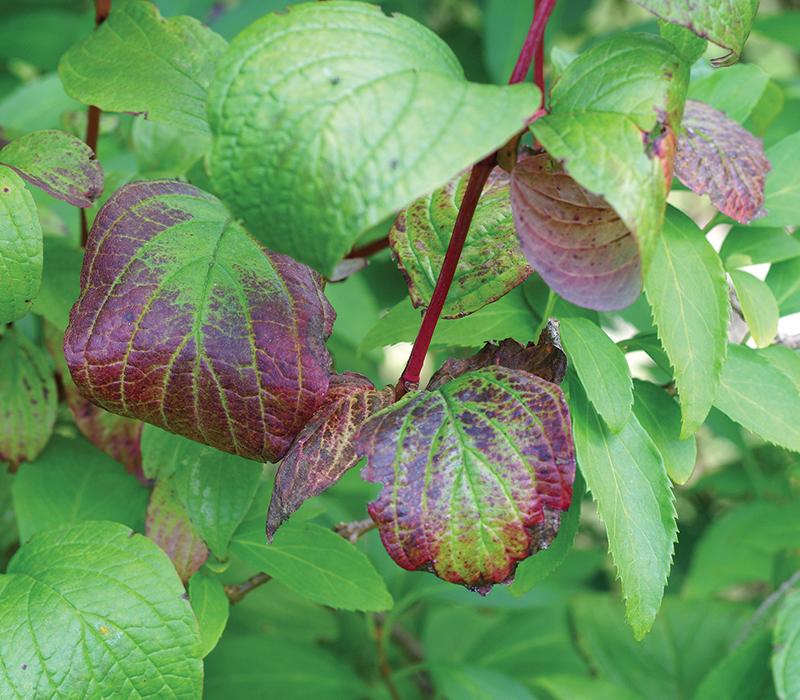
Visual Signs:
- Leaves may appear dark green with purplish or reddish hues.
- Slow growth and weak roots.
- Poor flowering and fruit setting.
Correction:
- Apply rock phosphate or bone-meal alternatives derived from plant-based phosphate minerals.
- Incorporate compost rich in decomposed plant residues.
3. Potassium (K) Deficiency
Role: Regulates water uptake, disease resistance, and stomatal function.
Visual Signs:
- Leaf edges turn yellow or brown (scorching).
- Curling of older leaves.
- Weak stems and poor fruit development.
Correction:
- Use sulfate of potash, wood ash (in moderation), or mineral-based potash fertilizers.
- Incorporate banana peel compost or potassium-rich plant composts.
4. Calcium (Ca) Deficiency
Role: Strengthens cell walls and supports root and shoot growth.
Visual Signs:
- Blossom-end rot in tomatoes, peppers, and squash.
- New leaves appear distorted or curled.
- Root tips may die.
Correction:
- Add agricultural lime, gypsum, or crushed eggshell alternatives (only plant-based if available).
- Use compost from leafy greens to enhance calcium content.
5. Magnesium (Mg) Deficiency
Role: Central element in chlorophyll molecule.
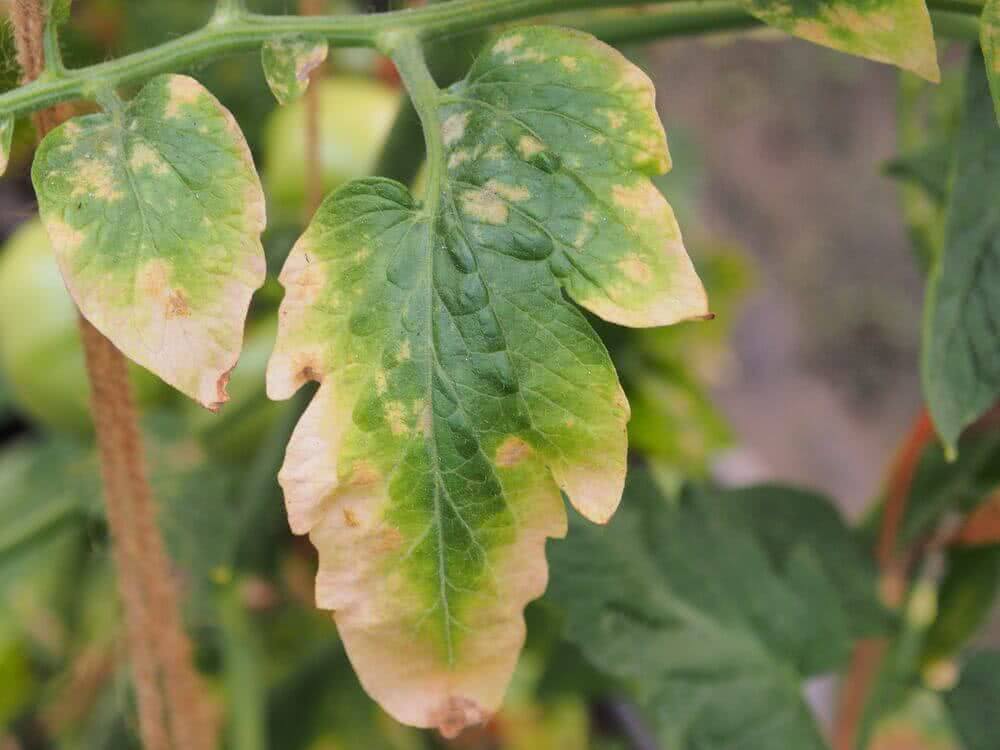
Visual Signs:
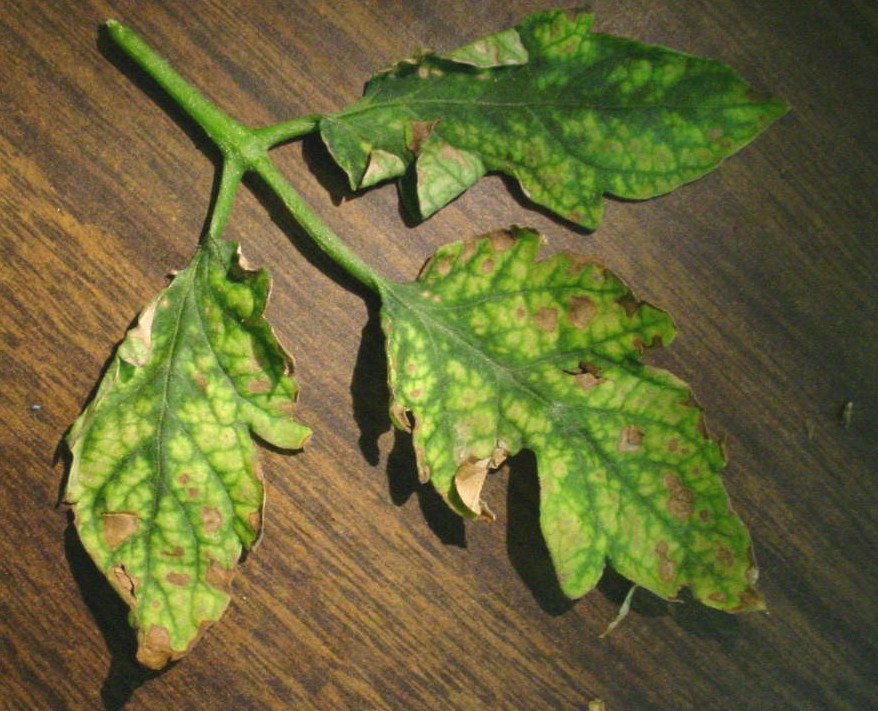
- Interveinal chlorosis (yellowing between veins) in older leaves.
- Leaves may curl upward or show reddish hues.
Correction:
- Apply Epsom salt (magnesium sulfate).
- Use compost from leguminous plants and leafy residues.
6. Sulfur (S) Deficiency
Role: Necessary for amino acids and vitamins.
Visual Signs:
- Young leaves turn light yellow.
- Uniform chlorosis across the plant.
- Thin stems and reduced growth.
Correction:
- Use gypsum or elemental sulfur.
- Add composted brassica residues or onion-peel compost.
Micronutrient Deficiencies
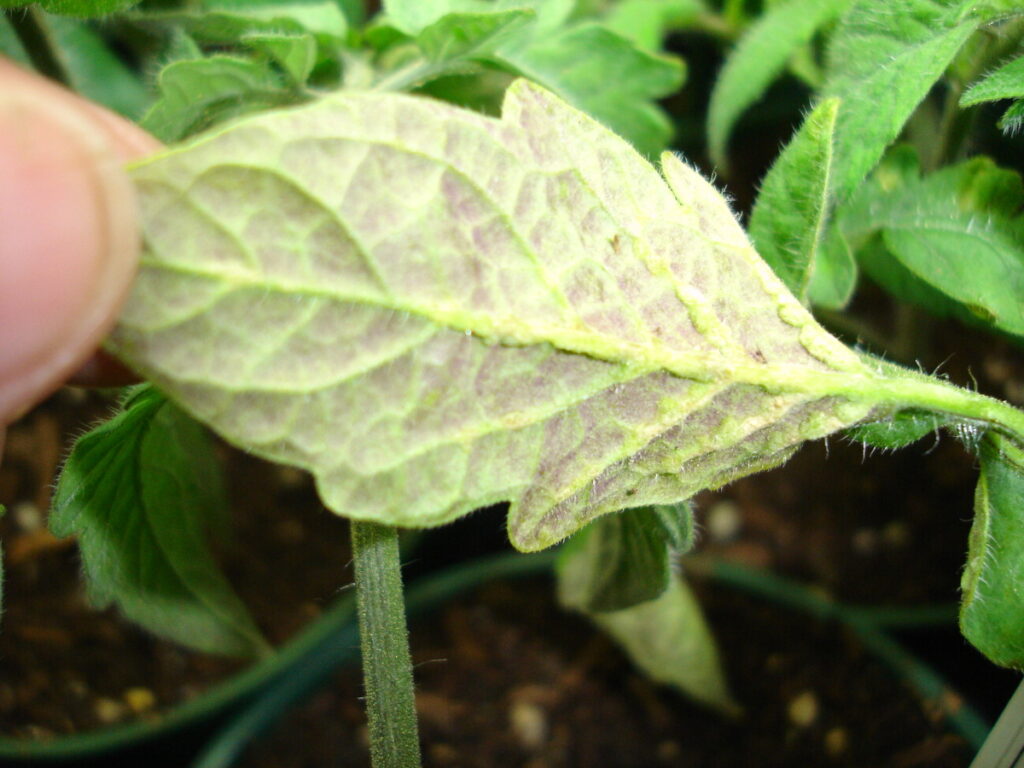
7. Iron (Fe) Deficiency
Role: Supports chlorophyll formation and respiration.
Visual Signs:
- Interveinal chlorosis in young leaves.
- Veins remain green while the area between them turns yellow.
Correction:
- Apply iron chelates or iron sulfate.
- Compost from spinach and other iron-rich plant residues may help improve availability.
8. Zinc (Zn) Deficiency
Role: Aids in hormone production and enzyme function.
Visual Signs:
- Shortened internodes (rosetting).
- Mottling or bronzing of leaves.
- Reduced leaf size.
Correction:
- Use zinc sulfate or kelp-based foliar sprays.
- Apply compost made with seaweed or leafy material.
9. Manganese (Mn) Deficiency
Role: Supports photosynthesis and nitrogen metabolism.
Visual Signs:
- Interveinal chlorosis similar to iron deficiency.
- Brown spotting on older leaves.
Correction:
- Treat with manganese sulfate.
- Enrich soil with composted plant matter from crops like green beans.
10. Boron (B) Deficiency
Role: Important for cell division and fruit formation.
Visual Signs:
- Brittle, thick, or cracked leaves.
- Hollow stems and deformed fruits (e.g., root vegetables).
Correction:
- Apply borax sparingly.
- Use compost containing beet, carrot, and other boron-rich residues.
11. Copper (Cu) Deficiency
Role: Aids enzyme function and lignin synthesis.
Visual Signs:
- Wilting of young leaves.
- Pale leaves with necrotic spots.
- Weak stems.
Correction:
- Use copper sulfate or copper chelates.
- Add compost enriched with leafy greens.
12. Molybdenum (Mo) Deficiency
Role: Assists nitrogen metabolism.
Visual Signs:
- Pale and twisted older leaves.
- Leaf margins may scorch.
- Reduced flowering in legumes and leafy crops.
Correction:
- Treat with sodium molybdate in small quantities.
- Use legume compost to increase availability naturally.
Diagnostic Techniques
1. Visual Observation
Regularly inspecting leaves, stems, and roots helps catch deficiencies before major damage occurs. Keeping a record of symptoms over time improves diagnosis accuracy.
2. Soil Testing
Laboratory soil testing reveals pH and nutrient levels. Many deficiencies, such as iron or phosphorus, are linked to imbalanced pH rather than actual absence.
3. Tissue Analysis
Leaf tissue tests give precise insights into nutrient uptake. Farmers and researchers use these tests to adjust fertilization strategies.
Preventive and Corrective Strategies
Soil pH Management
Most vegetables grow best in soil with a pH of 6.0–7.0.
- To raise pH: Use agricultural lime, crushed limestone, or dolomitic lime.
- To lower pH: Apply elemental sulfur or peat-based plant compost.
Adjusting pH improves nutrient uptake even without adding new fertilizers.
Organic and Mineral Fertilizers (Vegetarian Sources Only)
Avoiding non-vegetarian amendments like fish meal or manure is entirely possible with alternatives such as:
- Compost from leaves, fruit peels, vegetable waste
- Green manures (e.g., clover, mustard)
- Vermicompost from plant-based scraps
- Mineral-based rock powders (e.g., rock phosphate, greensand)
- Seaweed extracts and kelp meal
Crop Rotation and Intercropping
Growing legumes before leafy vegetables helps enrich nitrogen naturally. Alternating deep-rooted and shallow-rooted crops improves nutrient distribution and reduces depletion.
Mulching
Plant-based mulches such as straw, dried leaves, or grass clippings conserve moisture, reduce erosion, and slowly release nutrients.
Conclusion
Identifying nutrient deficiencies in vegetables is essential for maintaining healthy plants and achieving high yields. Each nutrient plays a specific role in plant growth, and deficiencies express themselves through characteristic leaf discoloration, deformity, stunted growth, or fruit abnormalities. By learning to recognize these signs early, growers can take corrective actions using plant-based compost, mineral fertilizers, or soil management techniques.
Adopting preventive strategies like crop rotation, mulching, and pH regulation not only resolves nutrient deficiencies but also fosters long-term soil health. With mindful, non-animal-based approaches, it is entirely possible to sustain productive vegetable cultivation that aligns with both ecological and ethical values.