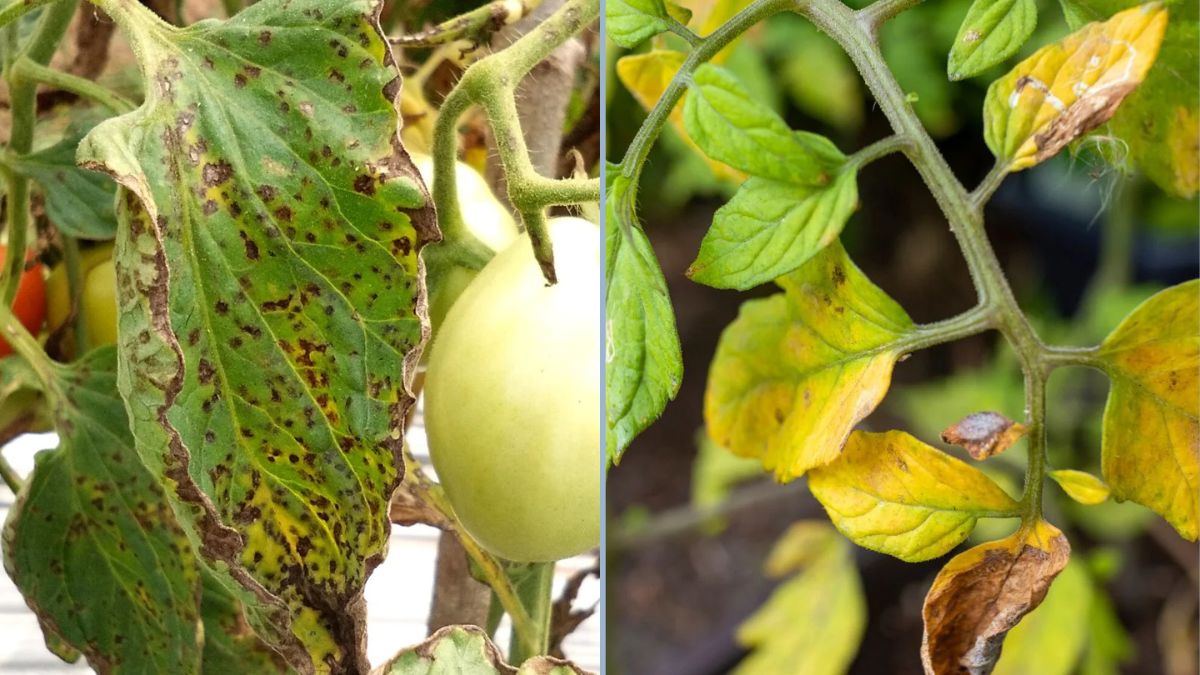
Growing tomatoes in containers is a rewarding endeavor, especially for those with limited space, but it also presents unique challenges. Among the most common threats to healthy tomato plants is leaf spot, a group of diseases caused primarily by fungi and bacteria that attack foliage, reduce yield, and weaken plant vigor. Preventing leaf spot in container-grown tomatoes requires a combination of careful planning, sanitation, proper cultural practices, and organic treatment methods—all achievable without the use of non-veg options such as animal-based fertilizers.
This article offers detailed guidance on preventing leaf spot in container tomatoes through eco-friendly, plant-based strategies suitable for home gardeners, researchers, and urban cultivators.
Understanding Leaf Spot in Tomatoes
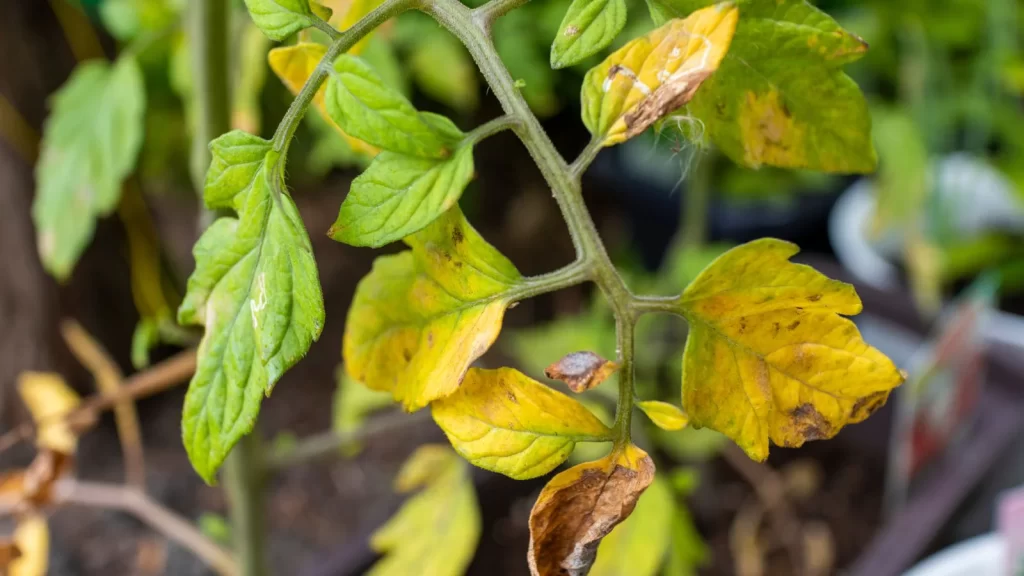
Leaf spot is not a single disease but a category of foliage disorders caused by pathogens like:
- Alternaria solani (Early blight)
- Septoria lycopersici (Septoria leaf spot)
- Cladosporium fulvum (Leaf mold)
- Xanthomonas spp. and Pseudomonas syringae (bacterial leaf spots)
These pathogens thrive in warm, humid environments and spread through contaminated soil, water splash, garden tools, or infected plant debris. In container gardening, where air circulation and soil volume are limited, preventive measures become even more critical.
Symptoms to Watch For
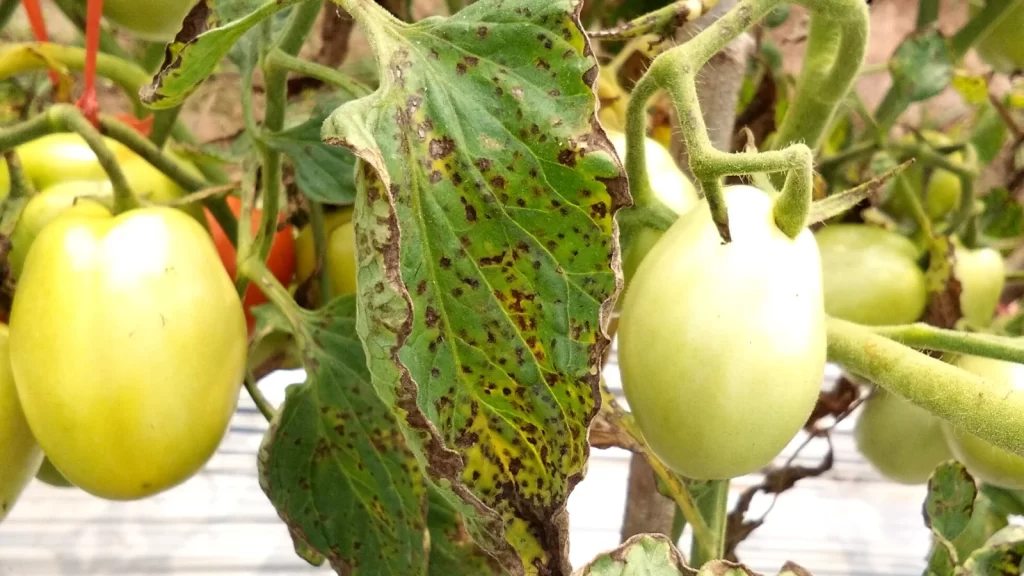
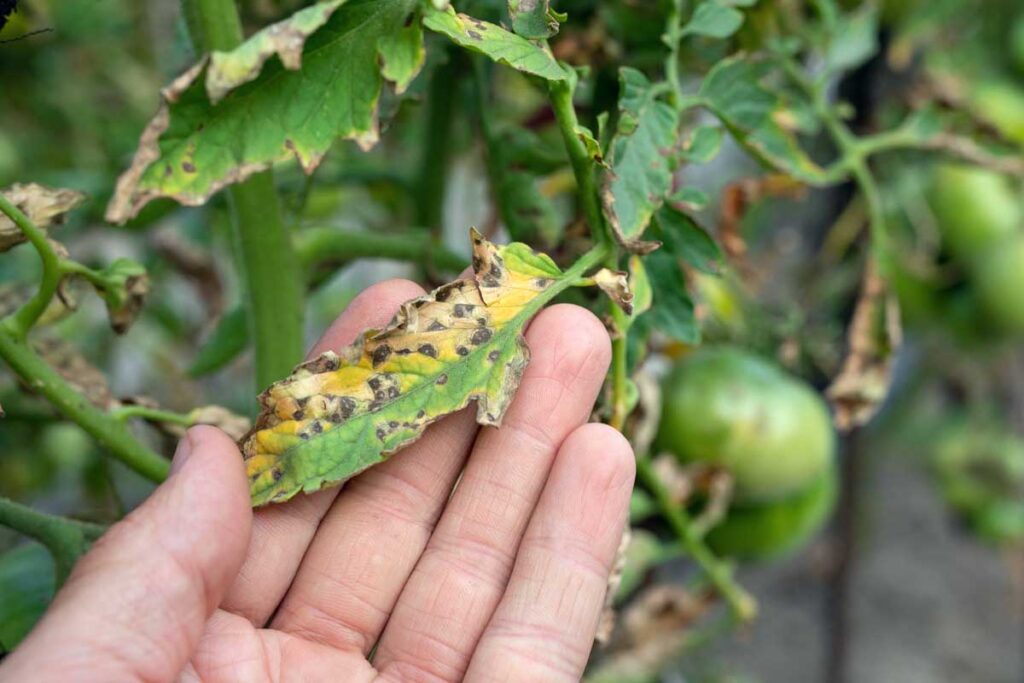
Early diagnosis increases the chance of saving your plants. Common signs of leaf spot include:
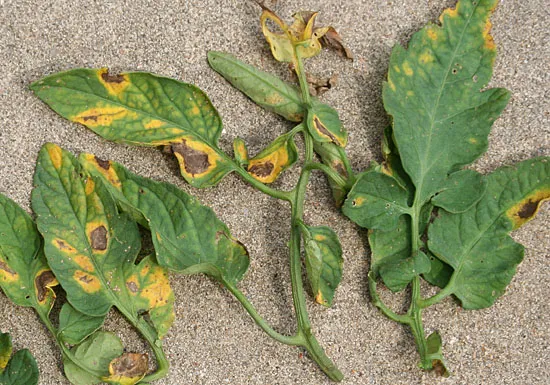
- Small, circular brown or black lesions on older leaves
- Yellowing around the spots
- Enlarged spots with concentric rings (target-like appearance)
- Blackened or dead tissue without defined edges
- Defoliation beginning from lower leaves upward
- Reduced flowering and fruit set
While container plants may seem isolated from soil-borne diseases, spores can still arrive via wind, rain, insects, or contaminated supplies.
Importance of Prevention in Container Gardening
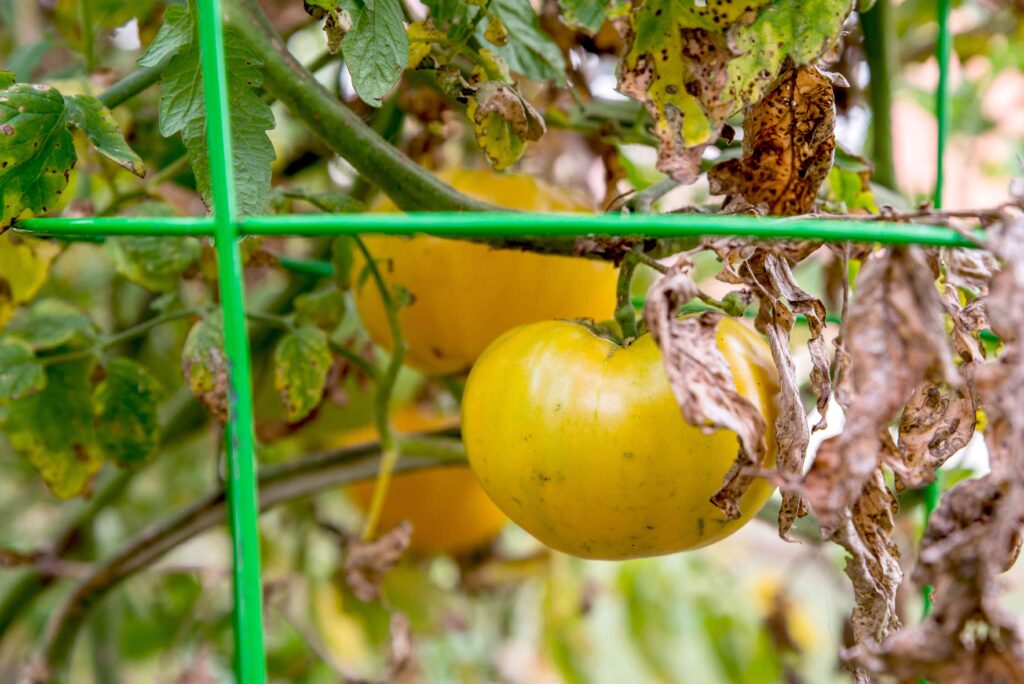
Because container-grown tomatoes rely entirely on the environment you create, preventive strategies are more effective than curative ones. Unlike garden soil, containers are easier to manage and disinfect, but mistakes such as poor watering, incorrect plant spacing, and reuse of infected potting mix can quickly lead to disease outbreaks.
Advantages of prevention include:
- Higher yield from limited plants
- Better plant immunity
- Reduced need for synthetic chemicals
- Longevity of containers and soil media
- Healthier indoor or balcony environments
Preventive Strategies
1. Choose Disease-Resistant Varieties
Select tomato cultivars labeled as resistant to early blight, leaf mold, and other leaf spot pathogens. Some container-friendly, disease-resistant varieties include:
- ‘Celebrity’
- ‘Mountain Magic’
- ‘Defiant’
- ‘Juliet’
- ‘Iron Lady’
Using resistant varieties reduces the likelihood of infection and minimizes the need for intervention later.
2. Use Sterile, High-Quality Potting Mix
Avoid using garden soil in containers. Instead, use sterilized potting mix made from:
- Coco peat or coir
- Perlite or vermiculite
- Composted leaf mold or worm castings (vegan options)
- Rice hulls or neem cake powder for added nutrition
These plant-based growing media improve drainage, reduce fungal load, and support healthy root growth.
3. Select the Right Container
Container size and drainage significantly affect leaf spot development. Choose:
- Minimum 15–20 liters (4–5 gallons) per plant
- Containers with multiple drainage holes
- Materials like fabric grow bags, clay pots, or food-grade buckets
- Elevated stands or pot feet to prevent waterlogging
Overly small containers lead to stress and susceptibility to disease.
4. Optimize Watering Practices
Leaf spot pathogens love moisture, so watering habits must be strategic:
- Water at the base of the plant — avoid wetting foliage
- Use drip irrigation or long-spout watering cans
- Water early in the morning
- Ensure excess water drains out quickly
A layer of mulch—such as straw, dried leaves, or shredded coconut husk—helps reduce soil splash and maintains hydration without fostering disease.
5. Ensure Proper Air Circulation
Poor ventilation encourages humidity and spore growth. To promote airflow:
- Space plants at least 45–60 cm (18–24 inches) apart
- Prune lower leaves that touch the soil
- Stake or cage plants to lift foliage
- Avoid overcrowding multiple plants in one pot
Balconies, terraces, or windowsills should allow breeze movement around plants.
6. Maintain Good Hygiene
Cleanliness is a powerful defense against leaf spot:
- Disinfect pots with mild soap and hot water before use
- Remove fallen leaves immediately
- Sterilize pruning shears with diluted vinegar or hydrogen peroxide
- Avoid reusing contaminated soil
- Do not compost heavily diseased foliage
Mulching also serves as a barrier between leaves and soil splash.
7. Support Plant Nutrition Naturally
Healthy plants resist infection better. Instead of non-veg fertilizer options, use vegan and plant-derived amendments like:
- Vermicompost from plant-based feed
- Comfrey or nettle tea
- Coco peat-based slow-release compost
- Seaweed extract (marine-plant origin)
- Neem cake, mustard cake, or groundnut cake powder
- Rock phosphate and wood ash for mineral balance
Feed lightly but consistently throughout the growing season.
8. Prune and Train the Plants
Pruning helps manage humidity and improves sunlight penetration:
- Remove yellow or spotted leaves immediately
- Pinch out suckers to reduce foliage density
- Keep lower 10–15 cm (4–6 inches) of stem leaf-free
- Dispose of pruned material safely
Training tomatoes upward with cages or stakes minimizes leaf contact and enhances ventilation.
9. Monitor Regularly
Inspect the plant twice a week. Early responses stop outbreaks from spreading. Check:
- Leaf undersides
- Lower canopy
- Soil moisture
- Stem joints and suckers
Keep a gardening journal to track progression, watering, and treatment routines.
Organic and Vegan-Friendly Control Measures
Even with strong prevention, occasional intervention may be needed.
1. Neem Oil Spray
Dilute 5 ml of cold-pressed neem oil in 1 liter of water with a mild plant-based emulsifier. Spray undersides and tops of leaves once a week, preferably in the evening.
2. Baking Soda Solution
Mix:
- 1 teaspoon of baking soda
- 1 liter of water
- Few drops of plant-based liquid soap
Spray lightly once every 7–10 days to alter leaf surface pH and inhibit fungal activity.
3. Garlic or Ginger Extract
Fermented or boiled garlic and ginger act as natural antifungals. Strain and dilute before spraying.
4. Aloe Vera Solution
Blend aloe gel with water and spray gently to reduce bacterial infection and promote leaf healing.
5. Compost Tea (Plant-Based)
Soak vegan compost or leaf mold in water for 24–48 hours, strain, and mist foliage or soil surface to boost beneficial microbes.
Post-Season Care
End-of-season management is vital to prevent recurrence:
- Remove and destroy all plant material
- Wash and store plant supports and tools
- Replace or pasteurize soil by heating or solarizing
- Rotate plant placement next season
- Store containers in dry areas
Conclusion
Preventing leaf spot in container tomatoes is entirely achievable through attentive care, early intervention, and ecologically responsible practices. Rather than relying on chemical treatments or animal-derived products, gardeners can adopt plant-based fertilizers, organic sprays, and strict hygiene measures to maintain plant health. Combining disease-resistant varieties, balanced watering, smart pruning, and sterilized growing media creates a robust system where leaf spot struggles to thrive.
Container tomatoes, when protected proactively, reward growers with vibrant foliage, abundant fruit, and extended harvest seasons. With knowledge-driven strategies and mindful maintenance, leaf spot becomes a manageable challenge instead of a recurring problem—making your container garden both productive and sustainable.