Soil pests pose a serious threat to sustainable agriculture, horticulture, and ecosystem health. Nematodes, white grubs, termites, root maggots, wireworms, and soil-dwelling beetles commonly damage crop roots, reduce plant vigor, and lower yield quality. Conventional responses rely heavily on synthetic pesticides, but these solutions can harm biodiversity, degrade soil structure, contaminate water sources, and leave toxic residues in farm produce. As the shift toward eco-friendly and organic agriculture gains momentum, managing soil pests without chemical inputs is now both a research priority and a practical necessity. This article explores a detailed, plant-based and non-chemical framework for preventing and controlling soil pests effectively, using only non-animal inputs.
1. Understanding Soil Pests and Their Impact
Soil pests live at or below the root zone and feed on plant tissues, seeds, or organic matter. Their effects include:
- Root damage, leading to nutrient and water uptake stress
- Reduced germination, when pests attack seeds or seedlings
- Stunted growth, due to compromised plant metabolism
- Yield loss and plant death, in severe infestations
Nematodes weaken root systems, while grubs and wireworms chew on underground stems. Termites can attack plant residues and roots, disrupting soil porosity. Recognizing pest types and their life cycles is the first step in building an effective non-chemical management plan.
2. Cultural and Agronomic Practices
a. Crop Rotation
Rotating crops with different root structures and pest associations breaks pest life cycles. Grain–legume or cereal–vegetable rotations disrupt host availability. Deep-rooted crops can reduce nematode populations by disturbing their habitat. Non-host cover crops such as marigold or mustard suppress soilborne pests naturally.
b. Intercropping
Strategic planting of pest-repellent species alongside main crops disperses pest pressure. For example:
- Marigold intercropping reduces nematode populations through natural compounds like alpha-terthienyl.
- Mustard or radish intercrops release bio-fumigant compounds that deter soil insects.
c. Sanitation and Field Hygiene
Removing infected plant debris, tilling post-harvest residues, and cleaning tools can stop pest carryover. Exposed larvae often die when turned up to the surface by tillage or solarization.
d. Trap Cropping
Certain plants attract pests away from valuable crops. Once infested, trap plants can be uprooted and destroyed, containing the pest population without chemicals.
3. Soil Solarization
Solarization is a powerful, chemical-free disinfestation approach. The process involves:
- Moistening the soil to improve heat conduction
- Covering with transparent polyethylene sheets
- Allowing 4–6 weeks of sun exposure during hot months
This raises soil temperatures to 45–60°C, causing mortality in nematodes, soil insects, weed seeds, and disease pathogens. Solarization is compatible with vegetable nurseries, orchards, and open fields.
4. Botanical Extracts and Plant-Based Soil Amendments
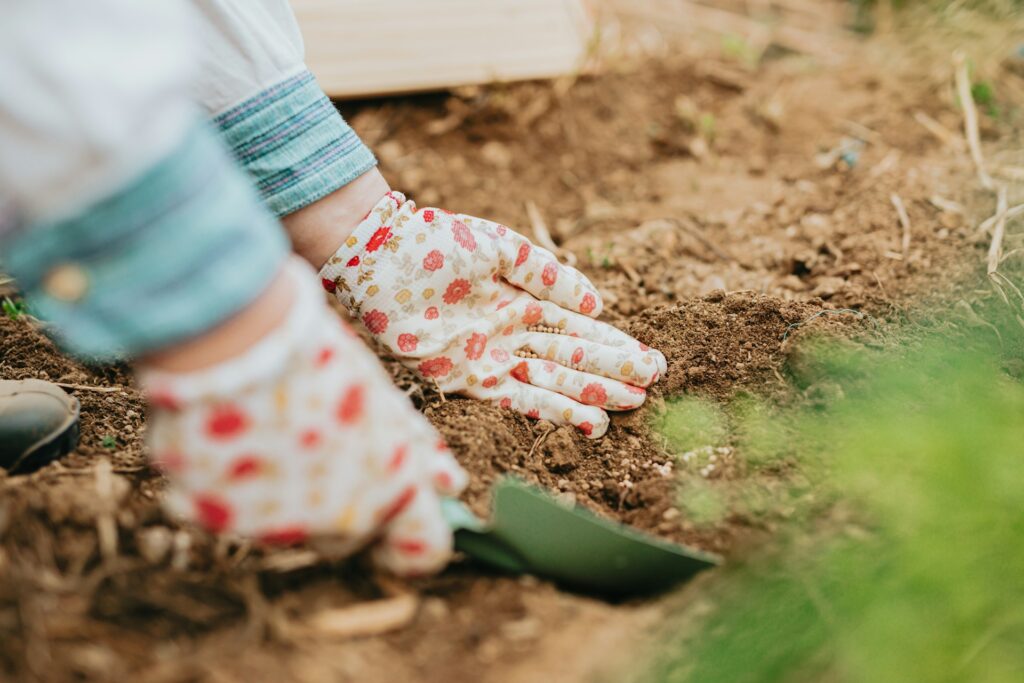
Botanical solutions derived from plants offer eco-safe pest management without animal-based inputs.
a. Neem (Azadirachta indica)
Neem cake, neem leaf manure, and aqueous neem extracts contain azadirachtin, which disrupts pest feeding, growth, and reproduction. They deter root grubs and nematodes effectively.
b. Pongamia (Karanja)
Karanja seed extracts offer similar pest-suppressive benefits. When combined with neem cake, the effect on soil insects and nematodes is enhanced.
c. Mustard Cake and Green Manure
Mustard contains glucosinolates that release natural bio-fumigants after decomposition. Incorporating mustard green manure helps control nematodes and wireworms.
d. Garlic, Chili, and Ginger Extracts
Fermented plant extracts from garlic, chili, or ginger deter pests through their volatile compounds. Spraying these extracts around crop bases helps reduce soil insect movement.
e. Compost and Vermicompost (Plant-Based Only)
Vegetable-waste compost introduces beneficial microbes that improve soil structure and suppress pest populations. Vermicompost can also be used if derived from plant material only, excluding manure or animal waste.
5. Soil Biological Management
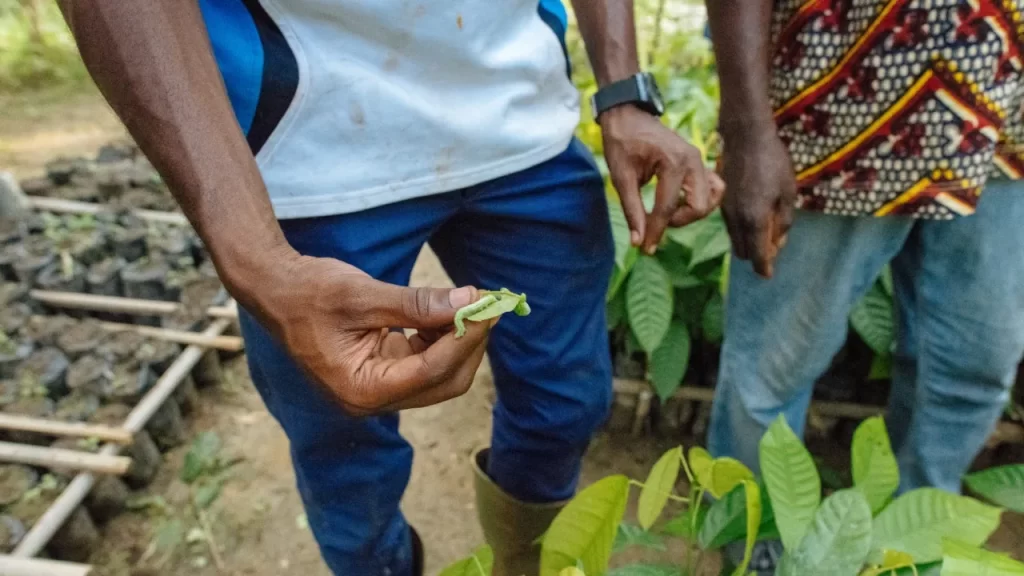
Biological control encourages the use of beneficial microorganisms and natural soil allies to suppress pests.
a. Trichoderma spp.
These fungi colonize roots and compete with or inhibit soil pathogens. They improve root health and reduce nematode egg hatch rates.
b. Pseudomonas fluorescens
This beneficial bacterium inhibits harmful soil organisms through antibiotic production and enhances plant defense systems.
c. Metarhizium and Beauveria (Insect-Targeting Fungi)
These entomopathogenic fungi infect pest larvae and adults directly in the soil, reducing white grub and termite populations without chemicals.
d. Mycorrhizal Fungi
By enhancing root absorption and resilience, arbuscular mycorrhizae strengthen plants against pest attacks and improve soil nutrient cycling.
6. Organic Soil Enhancements (Non-Animal Sources)
a. Green Manuring
Incorporating green biomass into soil improves fertility and supports microbial communities that target pests. Plants like sunn hemp, cowpea, and dhaincha are ideal for this purpose.
b. Compost Teas
Aerated compost teas (made only from plant-based compost) contain microbes that outcompete soil pests and pathogens.
c. Biochar
Adding biochar improves soil structure, increases water retention, and creates habitats for beneficial microbes that suppress soil pests.
7. Mechanical and Physical Techniques
a. Deep Plowing and Soil Tillage
Turning the soil in winter or early summer exposes larvae and pupae to predators and harsh weather, lowering pest numbers.
b. Flooding or Stagnation (Crop-Specific)
In paddy fields or where feasible, short-term flooding disrupts pest life cycles and suffocates eggs and larvae.
c. Mulching
Organic mulches made from straw, leaves, or shredded bark discourage pest colonization and enhance microbial activity. Some cover materials also physically hinder larval movement.
8. Resistant and Tolerant Crop Varieties
Selecting or breeding crop cultivars that naturally resist soil pest damage reduces reliance on interventions. Some varieties produce chemicals in roots that deter nematodes or withstand moderate infestation. Farmers adopting resistant varieties can integrate them with crop rotation and organic soil amendments for maximum impact.
9. Monitoring, Early Detection, and Decision-Making
Effective pest control without chemicals requires continuous vigilance:
- Soil sampling and trap sets can identify pest hot spots early.
- Yellow or light traps positioned above ground monitor flying stages of soil insects.
- Root inspections during early growth stages help detect problems before major damage occurs.
Based on monitoring, farmers can select culturally appropriate interventions instead of using broad chemical applications.
10. Integrated Non-Chemical Pest Management (INCPM)
Rather than depending on one technique, integrating multiple non-chemical strategies provides long-term protection.
A successful INCPM plan includes:
- Crop rotation with pest-repellent intercrops
- Soil solarization in high-risk zones
- Botanical amendments (e.g., neem, mustard, garlic extracts)
- Biological agents like Trichoderma or Beauveria
- Regular sanitation and timely tillage
- Resistant crop varieties
- Organic mulching and compost application
This integrated approach balances soil ecology, improves fertility, and prevents pest resurgence.
Conclusion
Managing soil pests without chemicals is not only feasible but also essential for sustainable and healthy agriculture. The shift away from pesticides protects beneficial soil organisms, maintains fertility, and ensures food safety. Strategies such as crop rotation, plant-based soil amendments, biological agents, solarization, sanitation, and mulching create a resilient, pest-suppressive environment. These corrective and preventive practices work collectively to reduce pest populations while promoting sustainable crop production.
By relying exclusively on non-chemical, plant-based, and non-animal methods, farmers and researchers can align with ecological principles and meet the growing demands of organic agriculture. The future of soil pest management lies in understanding nature’s balance, working with soil biology, and integrating diverse eco-friendly practices that sustain both crops and the environment.