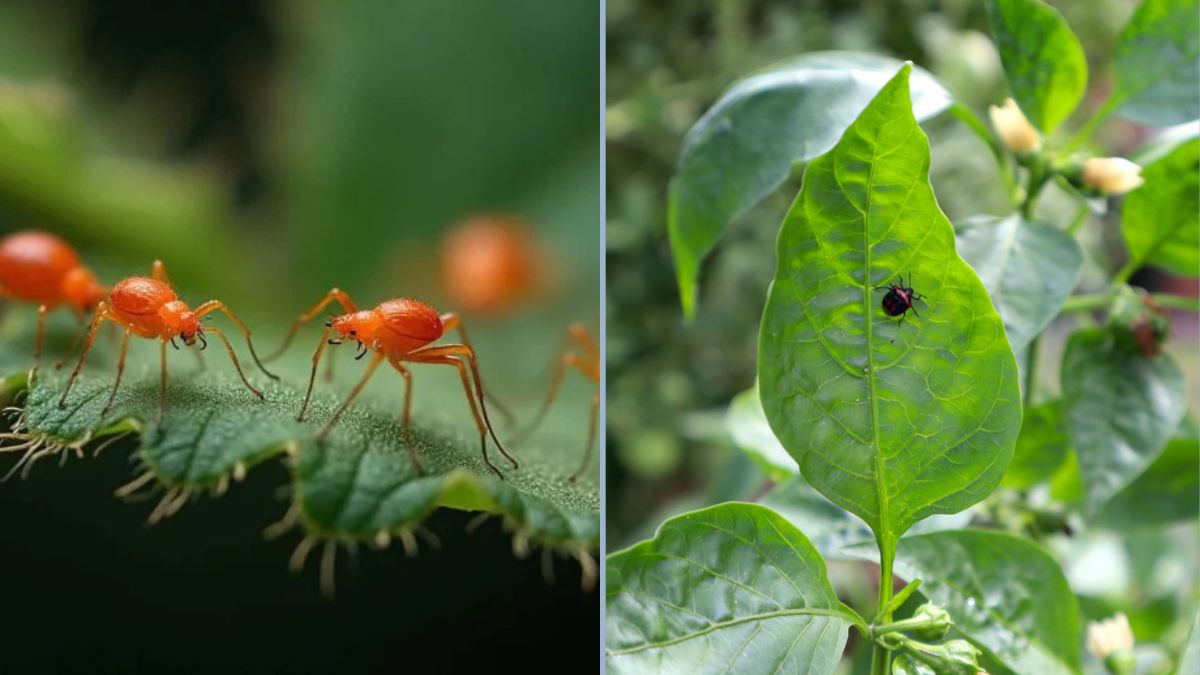
Insects are a natural part of any ecosystem, but some can cause significant damage to cultivated plants. Leaf-chewing caterpillars, sap-sucking aphids, whiteflies, thrips, and root-feeding grubs disrupt plant growth, reduce yield, and compromise the aesthetic value of ornamental plants. While chemical pesticides offer quick relief, they pose health risks, contaminate soil and water, and harm beneficial insects such as pollinators. For gardeners, farmers, and horticulturists seeking sustainable solutions, it is essential to adopt plant-based and eco-friendly approaches to rescue plants from insect damage.
This article explores preventive measures, intervention techniques, and recovery strategies that rely entirely on non-chemical, non-animal methods, providing a comprehensive framework for managing insect damage effectively.
1. Understanding Insect Damage
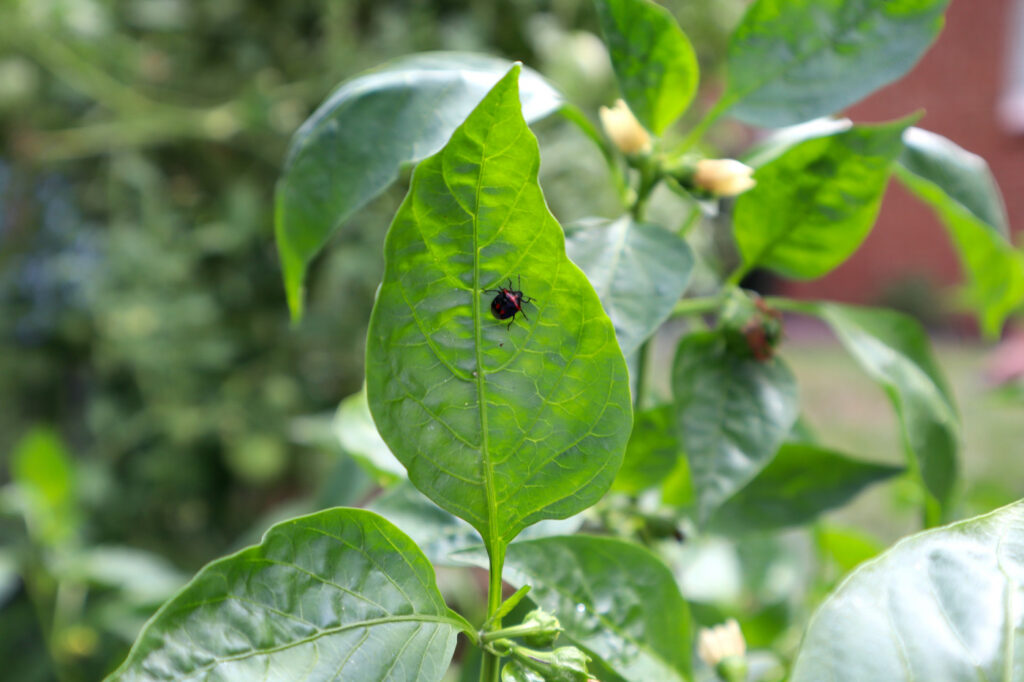
To rescue plants effectively, it is crucial to identify the type of insect damage:
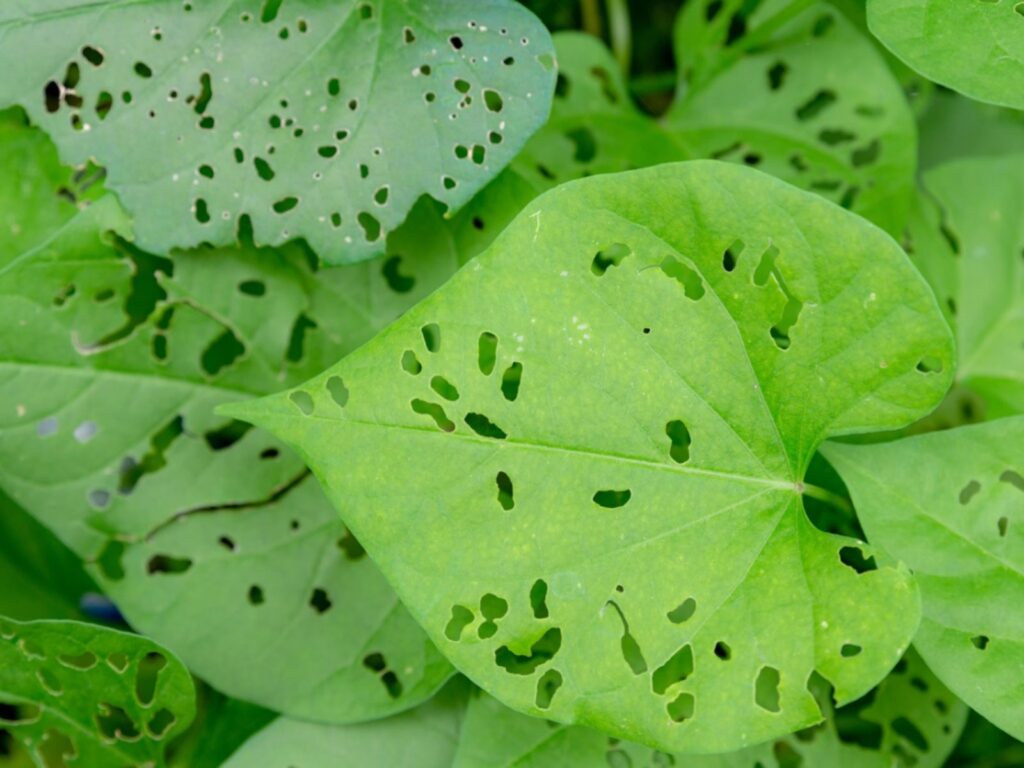
- Chewing Damage: Caterpillars, beetles, and grasshoppers consume leaves and stems, leaving holes or ragged edges.
- Sucking Damage: Aphids, whiteflies, and scale insects feed on sap, causing yellowing, curling, and stunted growth.
- Mining Damage: Leaf miners tunnel within leaves, leaving visible trails and reducing photosynthetic efficiency.
- Root Damage: Root maggots, grubs, and wireworms disrupt nutrient and water uptake, causing wilting and plant collapse.
- Egg-laying Damage: Some insects lay eggs in plant tissues, which can weaken stems and cause deformities.
Recognizing these patterns early enables targeted intervention and improves recovery success.
2. Early Detection and Monitoring
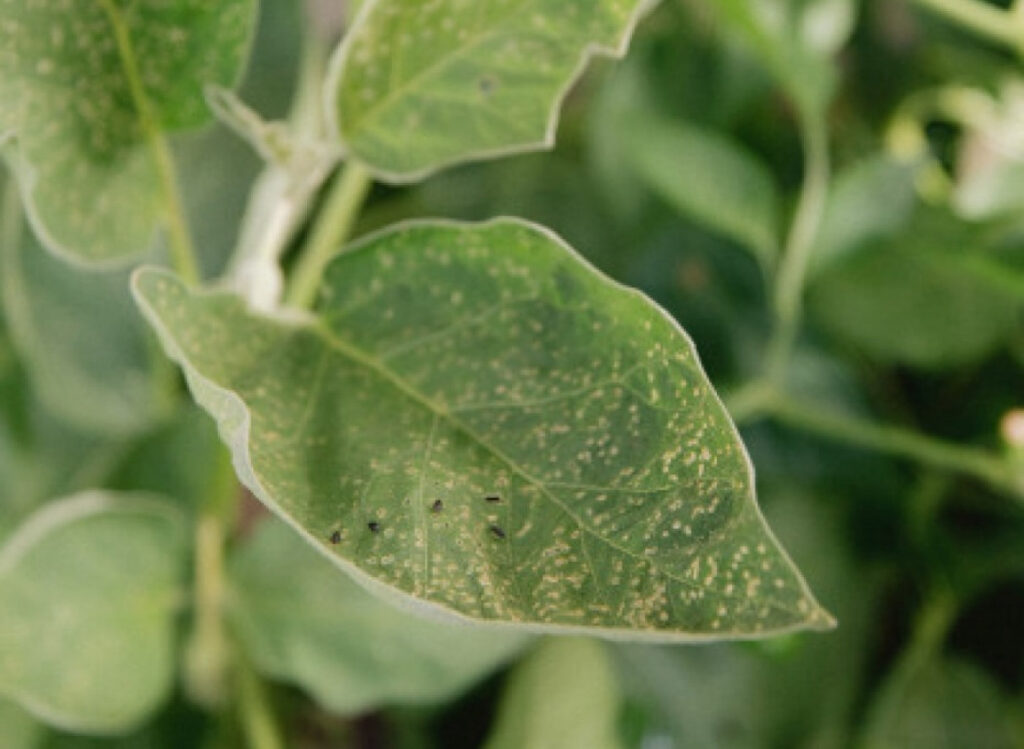
Frequent inspection is the first step in rescuing affected plants.
- Examine leaves (top and underside), stems, and soil for eggs, larvae, and adult insects.
- Look for discoloration, wilting, holes, webbing, or sticky residues.
- Use simple tools like magnifying glasses, yellow sticky traps, or pheromone traps to detect small pests such as thrips or whiteflies.
Early detection allows intervention before damage becomes severe, preserving plant health and reducing stress.
3. Preventive Cultural Practices
a. Proper Sanitation
Cleanliness limits pest infestations. Remove dead leaves, prune damaged stems, and sterilize pots and trays before reuse. This prevents pests from using decaying plant matter as breeding sites.
b. Quarantine New Plants
Isolate newly acquired plants for 1–2 weeks, monitoring them for signs of pests. Treat any detected infestation using non-chemical, plant-based methods before introducing them into the main garden.
c. Adequate Spacing
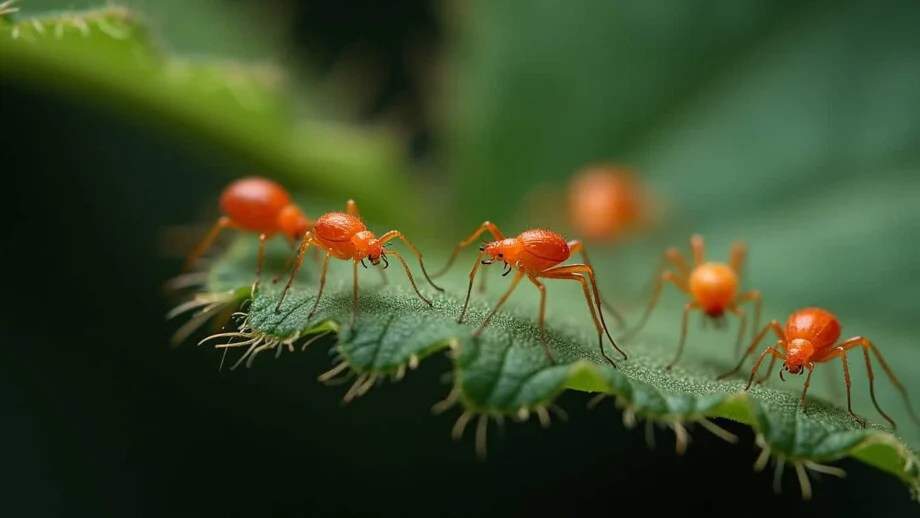
Maintain space between plants to promote airflow, reduce humidity, and prevent rapid pest spread. Crowded plants create microenvironments favorable to aphids, spider mites, and fungal diseases.
d. Environmental Control
Ensure appropriate light, temperature, and ventilation. Healthy plants resist insect attacks better than stressed ones. Overcrowded, shaded, or overly moist conditions increase susceptibility to pest damage.
4. Mechanical and Physical Controls
a. Handpicking
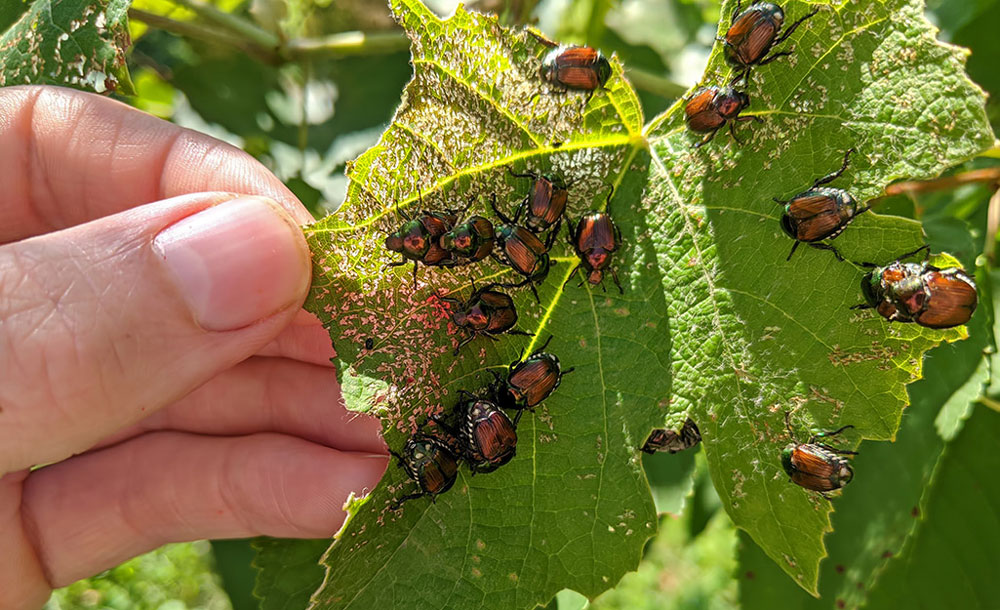
For visible pests such as caterpillars, beetles, and larger insects, manually remove and dispose of them. This immediate action minimizes damage while avoiding chemical use.
b. Water Sprays
A strong, targeted spray of water can dislodge aphids, spider mites, and thrips from leaves. Repeat as needed, particularly in early morning to allow leaves to dry.
c. Sticky Traps
Yellow or blue sticky traps capture flying pests like whiteflies and fungus gnats, reducing adult populations and preventing reproduction.
d. Protective Barriers
Use row covers, netting, or mesh to protect young or vulnerable plants from insect oviposition. Barriers are particularly useful for seedlings or herb gardens indoors.
e. Pruning
Trim heavily infested leaves or stems to prevent pest migration. Dispose of pruned material away from other plants to avoid reinfestation.
5. Botanical and Plant-Based Treatments
Plant-derived remedies are highly effective for rescuing plants from insect damage:
a. Neem (Azadirachta indica)
Neem oil contains azadirachtin, which interferes with insect feeding, growth, and reproduction. Spray diluted neem oil on leaves, stems, and soil to control aphids, caterpillars, whiteflies, and scale insects.
b. Garlic Extract
Garlic’s sulfur compounds repel insects and inhibit feeding. Crush garlic cloves, soak in water for 24 hours, strain, and spray on affected plants to reduce pest pressure.
c. Chili or Pepper Sprays
Capsaicin-based sprays deter insects from chewing leaves. Blend fresh chili peppers with water, strain, and apply to foliage carefully to avoid burning sensitive plants.
d. Soap Solutions
Mild, plant-based soaps or castile soap solutions suffocate soft-bodied pests like aphids and mites. Spray affected areas thoroughly, ensuring coverage of undersides of leaves.
e. Herbal Infusions
Infusions from plants such as mint, rosemary, or basil can repel certain insects when sprayed lightly. These act as preventive measures for ongoing infestations.
6. Soil and Root Management
Healthy roots support plant recovery from insect damage:
a. Well-Draining Soil
Use high-quality, well-aerated potting mixes. Avoid waterlogged soil that attracts root-feeding pests like fungus gnats or grubs.
b. Controlled Watering
Overwatering increases susceptibility to root pests. Water only when the top inch of soil is dry, reducing larvae survival.
c. Organic Soil Amendments
Incorporate plant-based compost, vermicompost (from plant matter), or green manure to enhance soil microbial diversity. Beneficial microbes outcompete pest populations and improve plant vigor.
7. Encouraging Beneficial Insects
Even indoors, you can promote non-animal-based biological pest suppression:
- Predatory mites (plant-compatible) can target spider mites and thrips.
- Microbial inoculants derived from plant composts enhance natural soil defenses against root-feeding pests.
- Companion planting attracts beneficial insects that naturally prey on harmful pests.
For indoor setups, focus on strategies that do not involve introducing animal-based organisms while still fostering a balanced micro-ecosystem.
8. Companion Planting and Repellents
Certain plants naturally repel pests:
- Basil near tomatoes or herbs: Deterrent for whiteflies and aphids.
- Chives or garlic near leafy greens: Reduces infestation by aphids and thrips.
- Marigold: Releases bio-fumigant compounds that deter nematodes and soil pests.
Companion planting creates a natural defense network while maintaining plant health and biodiversity.
9. Recovery Strategies for Damaged Plants
a. Nutritional Support
Apply plant-based fertilizers or compost teas to encourage rapid recovery. Well-fed plants can replace damaged tissues and resist secondary infections.
b. Pruning and Training
Remove severely damaged leaves to redirect energy toward healthy growth. Support branches that were weakened by chewing insects to prevent breakage.
c. Stress Reduction
Provide stable light, temperature, and moisture conditions. Avoid sudden environmental changes that can stress plants further.
d. Mulching
Organic mulches made from straw, shredded leaves, or bark protect roots and discourage soil-dwelling pests. Mulching also improves soil moisture retention and microbial activity.
10. Integrated Non-Chemical Pest Rescue Approach
An integrated approach combines multiple strategies for maximum effectiveness:
- Prevention: Sanitation, quarantine, proper spacing, and environmental control.
- Mechanical Measures: Handpicking, water sprays, sticky traps, and barriers.
- Botanical Treatments: Neem, garlic, chili, soap sprays, and herbal infusions.
- Soil and Root Health: Plant-based composts, proper watering, and green manures.
- Companion Planting: Using repellent plants to reduce pest pressure.
- Monitoring: Regular inspections to detect pests early and respond promptly.
This holistic approach ensures that plants recover efficiently while preventing future infestations, without relying on chemical pesticides or animal-based solutions.
Conclusion
Rescuing plants from insect damage is achievable with careful planning, consistent monitoring, and non-chemical, plant-based interventions. By understanding insect behavior, identifying damage early, and implementing preventive, mechanical, botanical, and soil-health strategies, gardeners can restore plant vigor, maintain productivity, and protect their green spaces.
Non-toxic, plant-based pest management is not only safer for humans and the environment but also aligns with sustainable and organic gardening practices. Healthy, well-cared-for plants recover faster and become less susceptible to recurrent infestations. The integration of preventive measures, botanical sprays, companion planting, and soil enhancement forms a robust, eco-friendly framework for rescuing plants from insect damage effectively and sustainably.