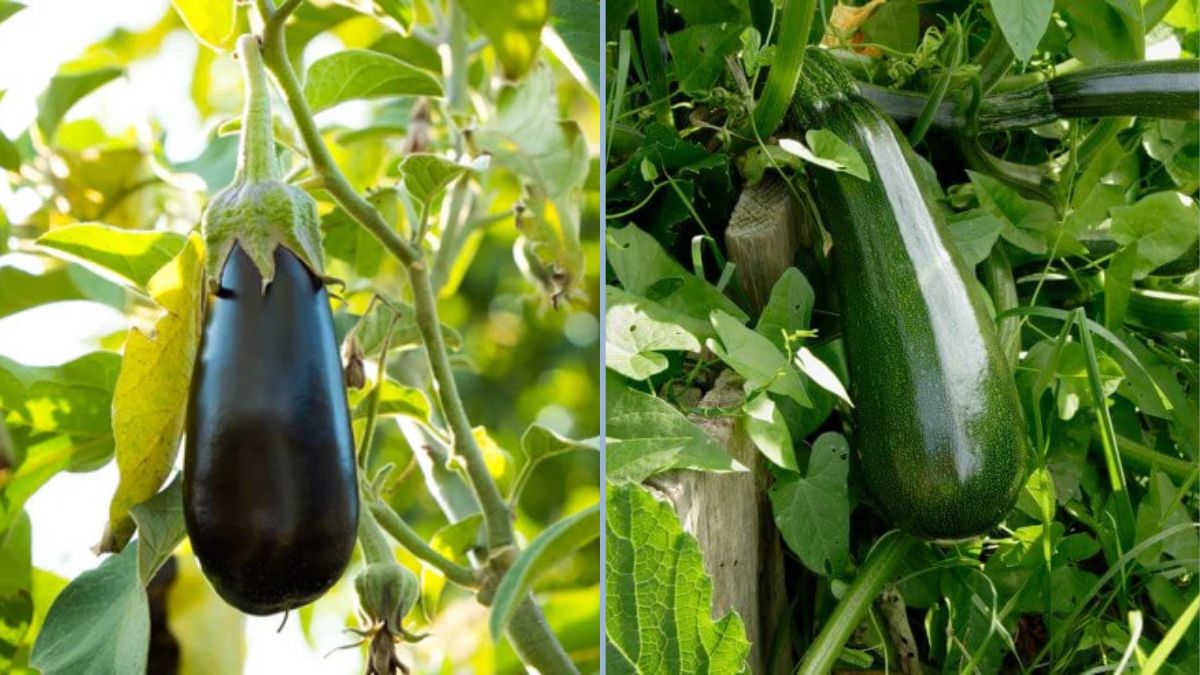
Water scarcity is becoming a growing concern in many parts of the world, and sustainable agriculture is no longer just an environmental choice—it’s a necessity. As temperatures rise and rainfall becomes less predictable, gardeners, farmers, and researchers are increasingly interested in crops that can thrive with minimal water. Summer, in particular, poses challenges due to heat stress, evaporation, and dry soil conditions. However, there are several vegetables that flourish in arid or semi-arid climates and require only limited irrigation. This article explores summer vegetables that grow with minimal water, offering cultivation tips, environmental benefits, and practical insights for both home gardeners and agricultural planners.
1. Okra (Lady’s Finger)
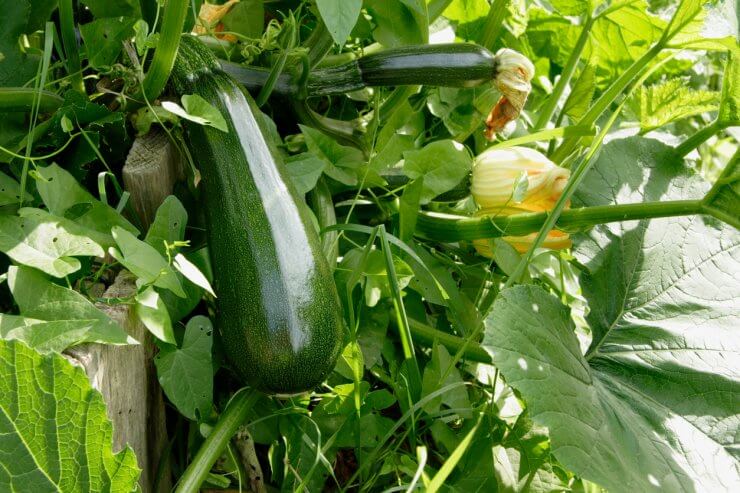
Okra is one of the most drought-resistant summer vegetables. Native to warm regions of Africa and South Asia, okra thrives in high temperatures and tolerates dry soil conditions.
Water Needs:
Once established, okra needs minimal watering—around once a week or even less in regions with moderate humidity.
Growing Tips:
- Sow seeds directly into the soil.
- Use compost-rich but well-drained soil.
- Mulch around the base to reduce evaporation.
- Harvest regularly to encourage continuous fruiting.
Nutritional Benefits:
Okra is rich in fiber, vitamin C, folate, and antioxidants. It is an excellent option for vegetarian and vegan diets.
2. Eggplant (Brinjal/Aubergine)
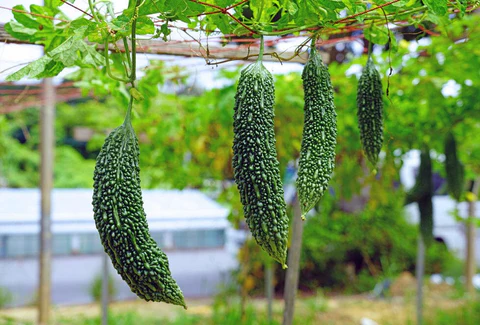
Eggplants are heat-loving plants that perform well with limited water after the initial growth phase.
Water Needs:
After seedlings are established, deep but infrequent irrigation—once every 7–10 days—is often enough.
Growing Tips:
- Start seeds indoors or in nursery beds.
- Transplant to sunny locations with loamy soil.
- Apply mulch and prune excess leaves to retain moisture.
Nutritional Benefits:
Eggplants offer dietary fiber, potassium, and antioxidants like nasunin, supporting heart health and digestion.
3. Cowpea (Black-Eyed Pea/Long Bean)
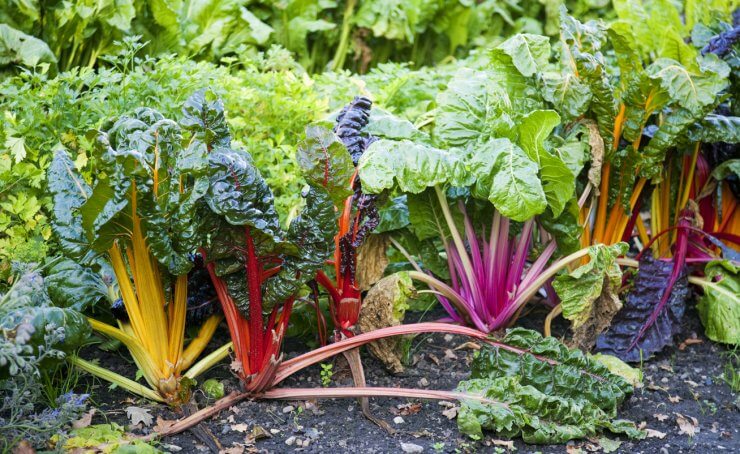
Cowpeas are excellent for hot, dry environments and are often grown in regions with poor rainfall.
Water Needs:
Minimal supplemental water is needed once plants take root.
Growing Tips:
- Direct sow in slightly sandy soil.
- Avoid overwatering; roots adapt to dry conditions naturally.
- Trellis climbing varieties to increase yield.
Nutritional Benefits:
High in plant-based protein, fiber, iron, and B vitamins, cowpeas support sustainable vegetarian nutrition.
4. Amaranth (Chaulai)
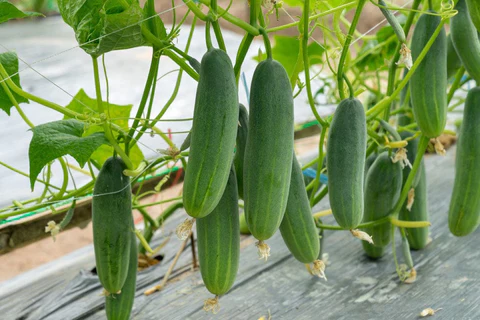
Often used as both a leafy vegetable and a grain, amaranth is highly drought tolerant.
Water Needs:
Requires moderate moisture only during germination; afterward, it grows well in dry soil.
Growing Tips:
- Sow seeds lightly on the surface and cover with mulch.
- Avoid waterlogged conditions.
- Harvest leaves frequently to promote regrowth.
Nutritional Benefits:
Rich in iron, calcium, vitamins A and C, and protein, amaranth is an excellent non-animal source of micronutrients.
5. Cluster Beans (Guar)
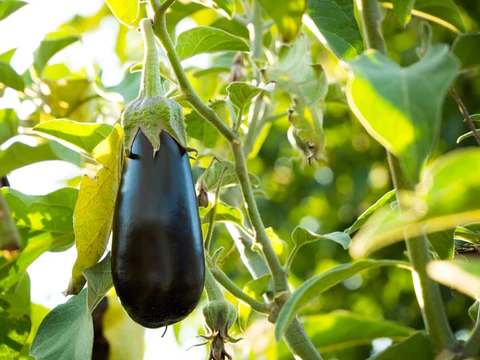
Cluster beans are traditional summer vegetables grown in arid regions like Rajasthan and Gujarat.
Water Needs:
Very low; plants survive on minimal irrigation and light rainfall.
Growing Tips:
- Sow seeds directly in well-drained sandy or loamy soil.
- Minimal fertilizer is needed due to nitrogen-fixing properties.
- Mulching helps reduce evaporation.
Nutritional Benefits:
High in fiber, protein, folate, and low in calories, cluster beans fit well into plant-based diets.
6. Bottle Gourd (Lauki/Doodhi)
Though gourds are often associated with higher water needs, bottle gourd adapts well to water scarcity when mulching and soil moisture retention techniques are used.
Water Needs:
Moderate during flowering and fruit set, but low overall if soil retains moisture.
Growing Tips:
- Use drip irrigation or deep watering once a week.
- Train the plant on a trellis to prevent rot and save space.
- Apply a thick layer of organic mulch.
Nutritional Benefits:
Light, cooling, and rich in water, fiber, and vitamins, bottle gourd is ideal for hot summers.
7. Ridge Gourd (Turai)
Ridge gourd tolerates high temperatures and can manage in soils with low moisture when mulch is applied.
Water Needs:
Minimal irrigation—deep watering at longer intervals works well.
Growing Tips:
- Plant in raised beds or edges of fields.
- Train on fences or trellises.
- Compost application improves moisture retention.
Nutritional Benefits:
Low in calories and rich in vitamin C, zinc, and dietary fiber.
8. Purslane (Kulfa/Santhi)
Often considered a weed, purslane is a highly nutritious leafy vegetable that thrives in hot and dry conditions.
Water Needs:
Can grow with negligible irrigation once established.
Growing Tips:
- Scatter seeds on dry but fertile soil.
- Little to no maintenance required.
- Harvest leaves regularly to prevent seeding.
Nutritional Benefits:
Contains omega-3 fatty acids—rare in plant sources—along with vitamins A and E.
9. Tindora (Ivy Gourd)
Ivy gourd is a hardy climber commonly grown in dry tropical and subtropical climates.
Water Needs:
After the early growth stage, it needs minimal water due to its deep roots.
Growing Tips:
- Grow on trellises to support vines.
- Use organic mulch to retain moisture.
- Prune regularly to improve fruiting.
Nutritional Benefits:
Rich in fiber, vitamins A and C, and antioxidants, making it ideal for vegetarian cooking.
10. Yardlong Beans (Asparagus Bean)
These beans produce long pods and are tolerant of drought once they begin climbing.
Water Needs:
Low to moderate; deep watering once a week is often sufficient.
Growing Tips:
- Plant in warm soil with organic matter.
- Provide support for vertical growth.
- Apply mulch to hold soil moisture.
Nutritional Benefits:
Rich in protein, fiber, and minerals like calcium and iron.
Water-Saving Techniques for Summer Vegetables
While selecting drought-resistant vegetables is important, using effective water-conservation techniques significantly enhances growth and yield. Here are some widely used methods:
1. Mulching
Applying straw, leaves, or compost around plants prevents moisture evaporation, cools soil, and reduces watering frequency.
2. Drip Irrigation
Drip systems deliver water directly to the root zone, reducing water waste and improving absorption.
3. Rainwater Harvesting
Collecting and storing rainwater in tanks or pits provides an emergency reservoir during dry spells.
4. Companion Planting
Pairing deeper-rooted and shallow-rooted plants maximizes use of water and soil nutrients.
5. Soil Enrichment
Adding compost or biochar increases the soil’s water-holding capacity.
6. Shade Netting or Partial Cover
Preventing direct sunlight at peak hours reduces transpiration and moisture loss.
Environmental and Economic Benefits
Growing vegetables that require minimal water offers multiple advantages:
1. Sustainability
Using less water supports conservation efforts and reduces strain on natural resources.
2. Reduced Costs
Lower water usage decreases irrigation expenses and dependence on infrastructure.
3. Climate Adaptation
Drought-tolerant crops help communities adapt to rising temperatures and unpredictable weather.
4. Food Security
Even in low-rainfall areas, families can produce nutrient-dense vegetables affordably.
5. Soil Health
Many drought-tolerant vegetables, especially legumes, enrich the soil and prevent erosion.
Conclusion
Vegetables such as okra, eggplant, cowpea, amaranth, cluster beans, gourds, and purslane prove that sustainable cultivation is possible even in the harshest summer conditions. With thoughtful planting, strategic mulching, and efficient irrigation methods, farmers and home gardeners can harvest nutritious crops while conserving water. These plant-based options not only support environmental resilience but also align with vegetarian and vegan lifestyles.
In the face of growing climate challenges, choosing summer vegetables that grow with minimal water is both a practical and responsible approach—benefiting ecosystems, communities, and food systems for generations to come.