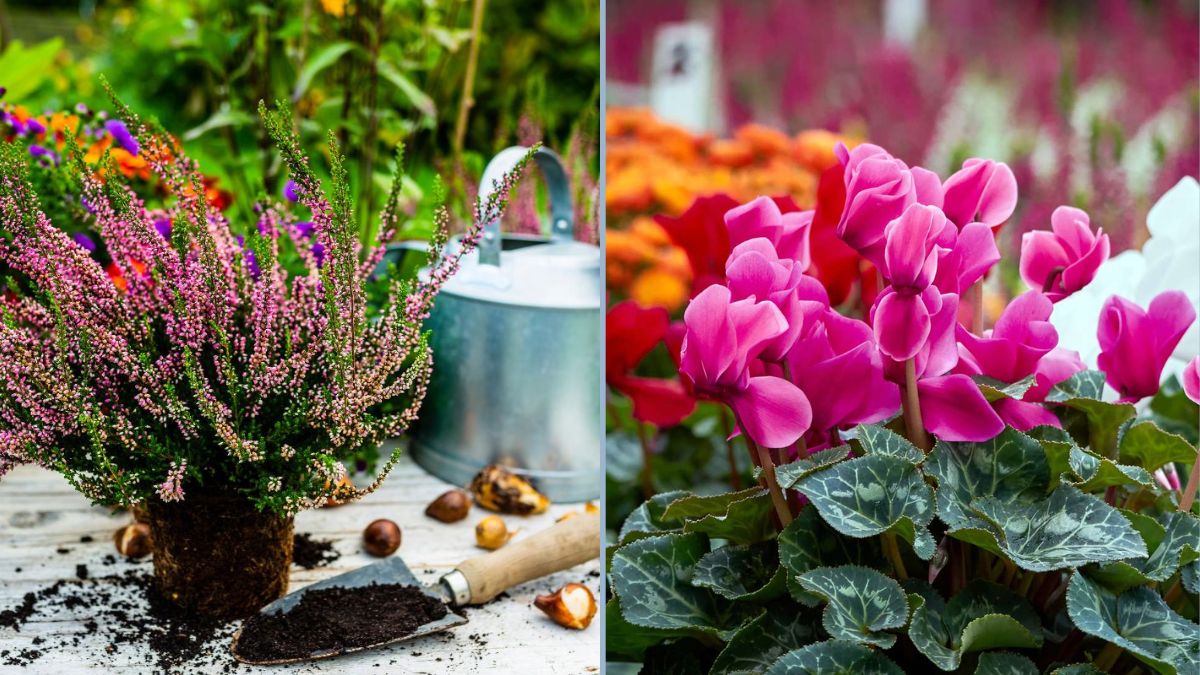
As the vibrant days of summer fade into the cool embrace of autumn, many outdoor plants begin to slow their growth or enter dormancy. However, the gardening journey does not need to pause. Indoor plants offer a rewarding way to maintain greenery, improve air quality, and uplift indoor living spaces during the autumn season. With shorter days, cooler temperatures, and reduced natural light, choosing species that thrive indoors during autumn is essential. This article explores a range of indoor plants particularly suited to autumn conditions, examines their care requirements in detail, and highlights their aesthetic and environmental benefits—all without any non-vegetarian elements.
Why Autumn is Ideal for Indoor Gardening
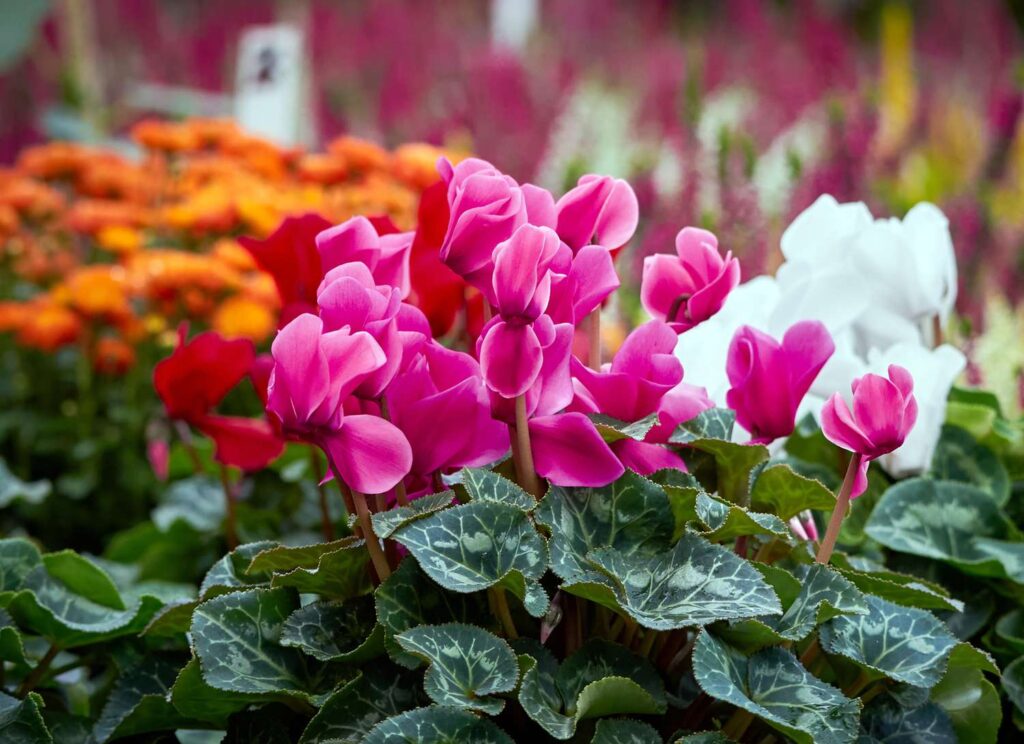
Autumn brings several environmental changes that create favorable conditions for indoor plant care:
1. Moderate Temperatures
Outdoor temperatures decline while indoor climates stabilize, reducing stress on plants sensitive to heat.
2. Reduced Pest Activity
Common plant pests such as mites, aphids, and gnats become less active, making autumn a lower-risk season for infestations.
3. Improved Humidity Control
Despite drier outdoor air in some regions, indoor environments often maintain comfortable humidity levels, especially when supported with simple methods like misting or water trays.
4. Emotional and Aesthetic Appeal
Indoor greenery enhances mood, counters autumn blues, and adds life to homes when outdoor foliage fades.
Top Indoor Plants That Thrive During Autumn
**1. Snake Plant (Sansevieria trifasciata)
Snake plant is one of the most resilient indoor plants, making it ideal for autumn.
- Light Requirements: Tolerates low to medium light.
- Watering Needs: Minimal; allow the soil to dry between waterings.
- Autumn Advantage: Cooler indoor temperatures slow growth, reducing the need for frequent care.
**2. ZZ Plant (Zamioculcas zamiifolia)
This hardy plant thrives with minimal attention.
- Light: Prefers indirect light but adapts to low light.
- Watering: Needs watering only when soil is dry.
- Air Quality: Excellent toxin absorber, especially during closed-window seasons.
**3. Spider Plant (Chlorophytum comosum)
Known for its arching leaves and air-cleaning qualities.
- Light: Medium to bright indirect light.
- Humidity: Benefits from mild autumn humidity.
- Propagation: Produces “pups” easily for new plant growth.
**4. Pothos (Epipremnum aureum)
This trailing vine is aesthetically pleasing and adaptable.
- Light: Low to bright indirect light.
- Watering: Low maintenance; occasional watering is sufficient.
- Autumn Strength: Handles temperature drops gracefully.
**5. Peace Lily (Spathiphyllum)
An elegant plant that blooms indoors.
- Light: Low to medium indirect light.
- Watering: Appreciates moderate, consistent watering.
- Benefit: Helps increase indoor humidity naturally.
**6. Aloe Vera
A functional and attractive succulent.
- Light: Prefers bright, indirect light near windows.
- Watering: Minimal watering required.
- Autumn Care: Less evaporation means fewer watering sessions.
**7. Chinese Evergreen (Aglaonema)
Ideal for darker autumn days.
- Light: Low light tolerant.
- Watering: Requires only occasional moisture.
- Foliage: Adds color with patterned leaves.
**8. Philodendron
A classic indoor plant family with many varieties like Heartleaf Philodendron.
- Light: Indirect light.
- Watering: Moderate but forgiving if skipped occasionally.
- Autumn Benefit: Steady growth even in reduced daylight.
**9. Areca Palm
A humidity-friendly plant that adapts well indoors.
- Light: Bright indirect light.
- Watering: Slightly more water than succulents but not heavy.
- Air Quality: Filters toxins and adds moisture to indoor air.
**10. Rubber Plant (Ficus elastica)
A statement plant with glossy leaves.
- Light: Medium to bright indirect light.
- Watering: Allow upper soil to dry before watering.
- Autumn Growth: Slows down, making care simpler.
Care Adjustments for Autumn Growth Indoors
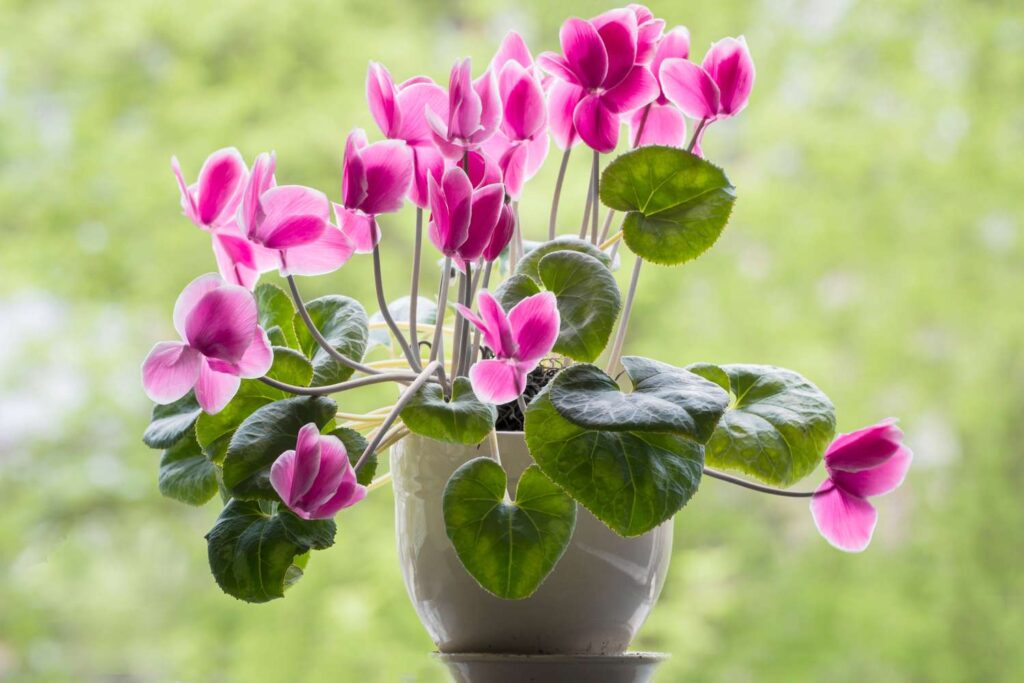
As the season changes, so should plant care strategies. The following practices ensure healthy indoor plants through autumn:
1. Watering Adjustments
Lower temperatures and reduced sunlight slow water absorption. Overwatering can lead to root decay. Water only when soil feels dry at the top.
2. Light Optimization
Shorter days require prioritizing window placement, rotating pots, or using LED grow lights to supplement natural light.
3. Humidity Maintenance
Indoor heating systems can dry the air. Methods to manage humidity include:
- Misting leaves lightly
- Using pebble trays with water
- Grouping plants together
4. Fertilization Strategy
Reduce or pause fertilization during autumn as most plants enter a semi-dormant phase.
5. Cleaning Leaves
Dust accumulation blocks limited sunlight. Wipe leaves gently with a damp cloth to support photosynthesis.
Soil Selection and Repotting Considerations
Healthy roots are essential for plant survival through cooler months.
1. Choose Well-Draining Soil
Succulents like Aloe Vera and Snake Plant do best in sandy or cactus mix soils. Foliage plants thrive in peat-based mixes with added compost.
2. Avoid Autumn Repotting
Repotting can stress plants. If necessary, repot only species showing root-bound conditions.
3. Use Organic Mulch Indoors
Coconut coir, dried leaves, or wood chips help retain moisture without introducing non-vegetarian by-products.
Natural Air Purification and Wellbeing
Indoor plants are not only decorative; they also improve air quality—especially helpful during autumn when windows stay closed.
Best Air-Purifying Plants:
- Peace Lily
- Snake Plant
- Spider Plant
- Rubber Plant
- Areca Palm
- Pothos
These species absorb indoor pollutants like formaldehyde, benzene, and carbon monoxide while releasing oxygen.
Energy Efficiency Benefits
Plants increase humidity and may reduce the need for artificial humidifiers. Some species also naturally cool or insulate indoor spaces, making them passive contributors to environmental control.
Autumn Styling and Arrangement Ideas
Indoor plants can elevate interior design during autumn:
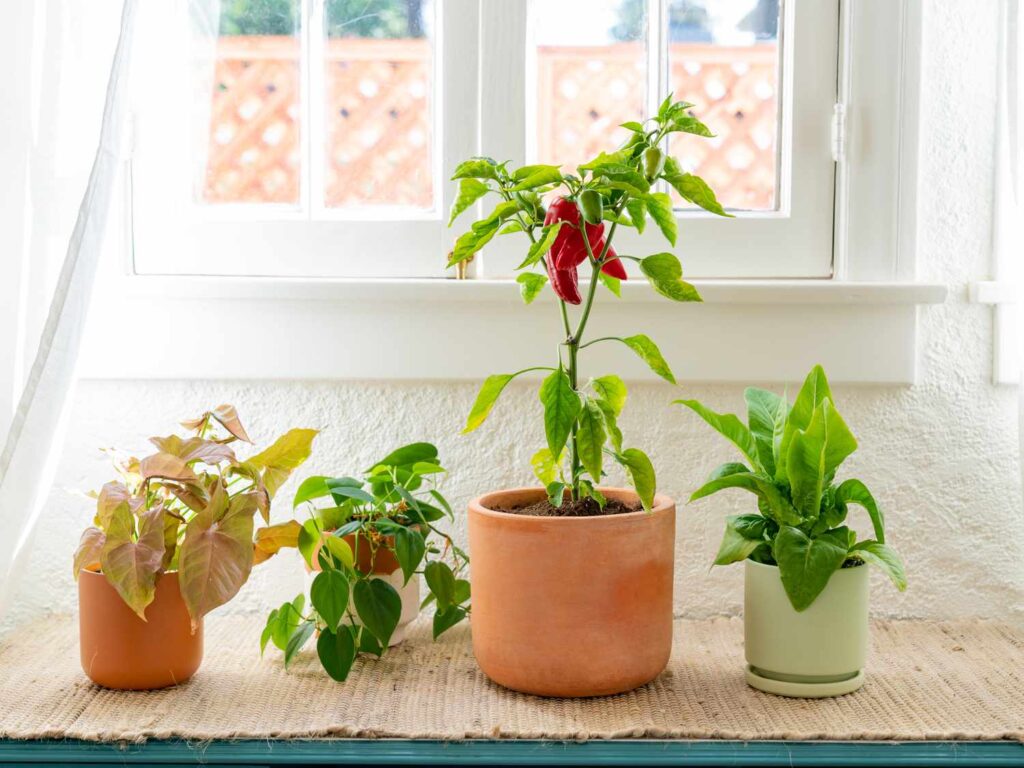
1. Window Cluster Displays
Position low-light plants slightly away from windows and light-loving ones closer.
2. Vertical Plant Stands
Save floor space and maximize exposure with tiered shelving.
3. Hanging Planters
Trailing plants like Pothos or Spider Plant add layered visual interest.
4. Corner Foliage Accents
Use Areca Palm or Rubber Plant in empty corners for balance.
Organic, Plant-Based Support Materials
To avoid any non-vegetarian content, rely exclusively on plant-derived resources:
- Fertilizers: Compost, vermicompost (optional if user accepts worm-based), seaweed extracts.
- Mulch: Coconut husk, dried leaves, bark chips.
- Pest Prevention: Neem oil sprays and soap-water mists.
- Cleaning: Soft cloth with plain water or diluted baking soda.
No animal-based additives like bone meal, fish emulsion, or dairy compost are required for autumn indoor plant care.
Common Autumn Challenges and Solutions
1. Yellowing Leaves
Caused by overwatering. Reduce frequency and ensure pot drainage.
2. Leaf Drop
Lower humidity or temperature shock can trigger this. Gradually acclimate plants to indoor spots.
3. Fungus Gnats
Let soil dry out between waterings and use neem soil drenches.
4. Poor Light Exposure
Rotate pots weekly and clean windows to maximize natural light.
Conclusion
Autumn is one of the most rewarding seasons for cultivating indoor gardens. With thoughtful plant selection and simple care adjustments, a thriving indoor oasis can flourish despite fading outdoor growth. Drought-tolerant species like Snake Plant and ZZ Plant, humidity-loving varieties like Peace Lily and Areca Palm, and low-maintenance vines like Pothos and Philodendron offer beauty, resilience, and sustainability.
By using only plant-based materials and avoiding any non-vegetarian elements, indoor gardening during autumn becomes an eco-friendly, ethical, and aesthetically enriching pursuit. Whether for academic study, home decor, or wellness enhancement, these indoor garden plants provide lasting value throughout the season and beyond.