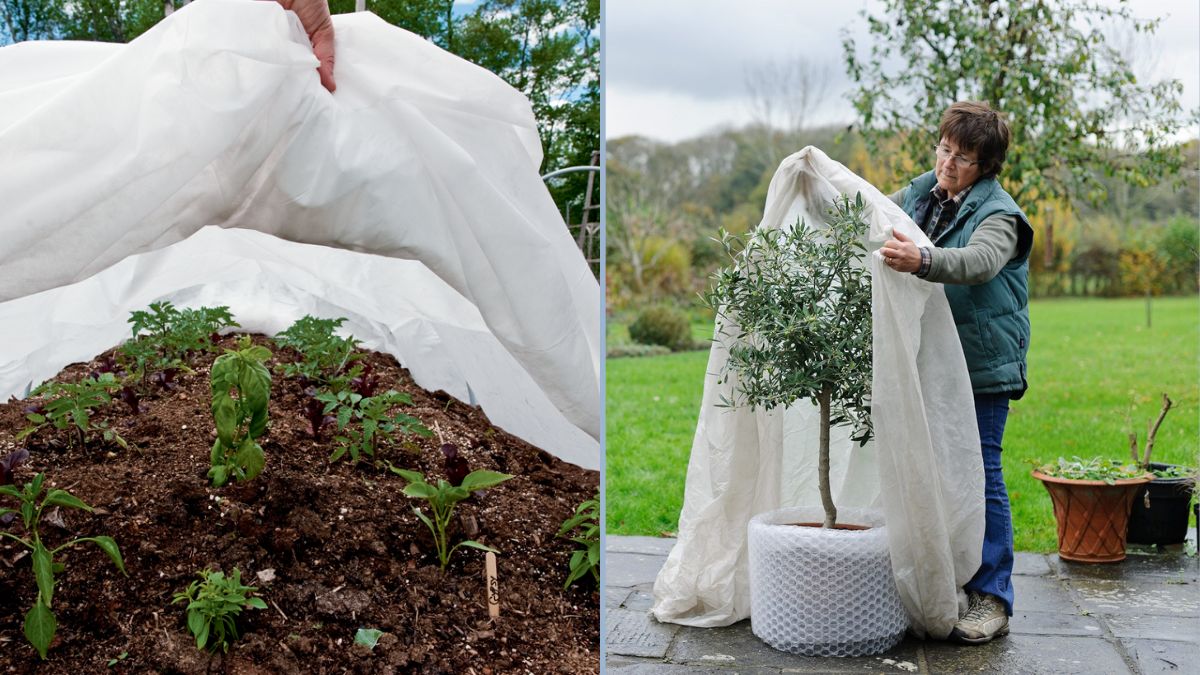
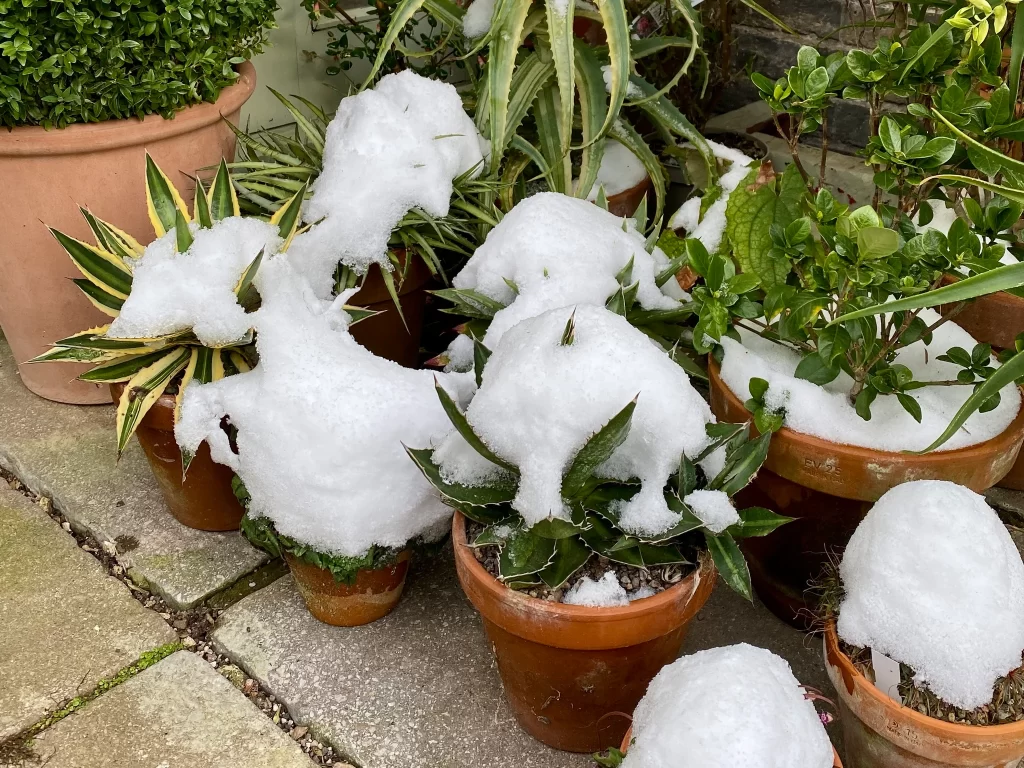
Tender plants bring life, color, and freshness to indoor and outdoor spaces, but when temperatures drop and frost sets in, their survival is at risk. Frost damage occurs when ice crystals form in plant tissues, blocking the flow of water and nutrients, ultimately leading to cell death and plant decline. For individuals living in regions with harsh or unpredictable winters, protecting tender plants indoors becomes an effective strategy to ensure their longevity and health.
This article explores detailed, plant-friendly, and non-animal-based methods to protect tender plants indoors during frost conditions. It covers ideal preparation techniques, environmental adjustments, frostproofing strategies, and long-term maintenance—all while maintaining a sustainable, vegetarian-friendly approach.
Understanding Frost and Its Impact on Plants
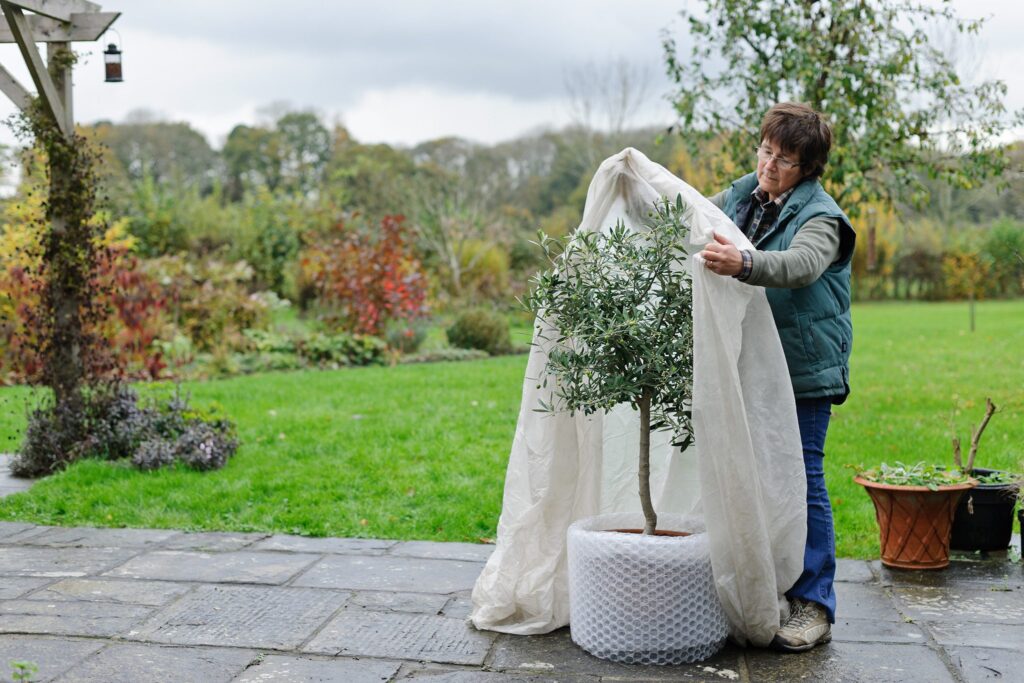
Frost forms when temperatures fall to 0°C (32°F) or below, causing moisture in the air and soil to freeze. Tender or tropical plants are especially vulnerable because they lack natural cold-hardiness.
Common Effects of Frost Damage
- Leaf discoloration: Yellowing, browning, or wilting of foliage
- Stem collapse: Loss of firmness or blackened stalks
- Restricted growth: Dormancy or slowed cellular activity
- Root shock: Reduced water uptake from cold soil
Bringing plants indoors before frost arrives is one of the safest and most effective preventive strategies.
Identifying Tender Plants That Need Indoor Protection
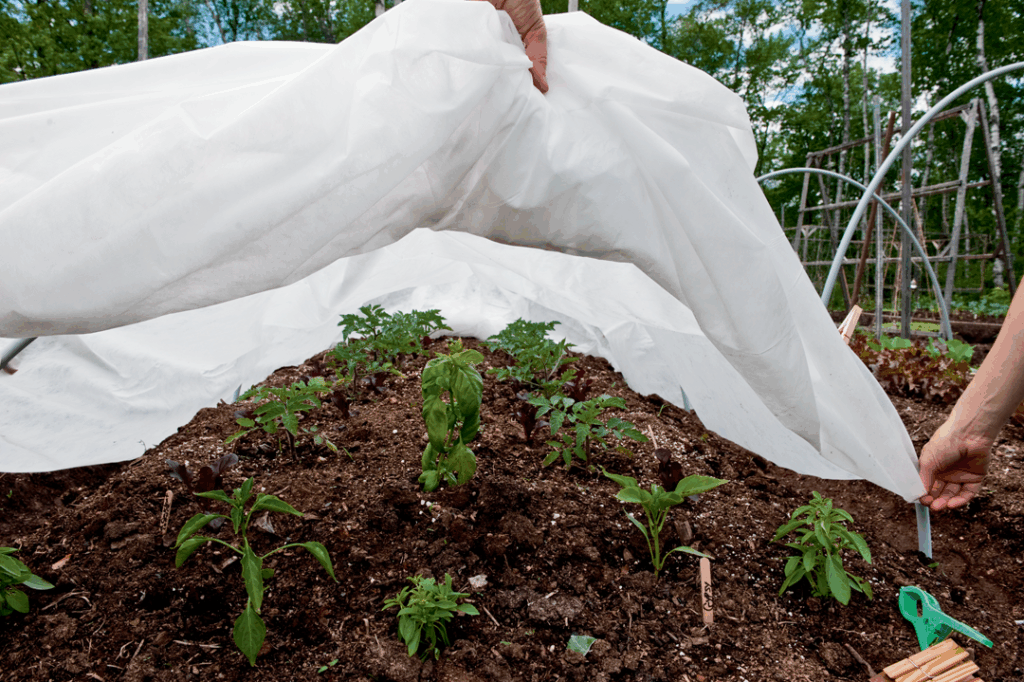
Not all plants react to frost equally. Some species require extra care, especially those native to warm climates or with soft, delicate tissues.
Common Tender Plants Vulnerable to Frost
- Herbs: Basil, mint, lemongrass
- Indoor ornamentals: Peace lily, pothos, philodendron
- Flowering plants: Begonias, geraniums, fuchsias
- Tropical foliage: Calatheas, dracaenas, palms
- Succulents: Aloe vera, echeveria, jade plant
Understanding which plants need protection makes it easier to prioritize indoor placement and care strategies.
Preparing Plants Before Moving Indoors
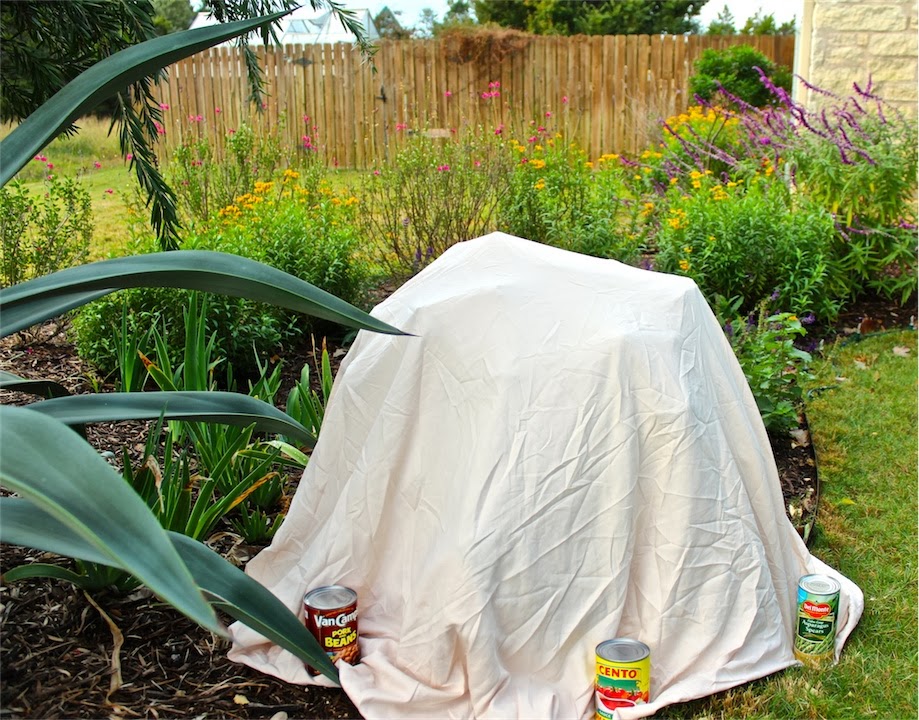
Effective protection starts before winter arrives. Moving tender plants indoors requires thoughtful preparation.
1. Inspection and Cleaning
Before transferring plants indoors:
- Remove dead or yellowing leaves
- Rinse dust and pollutants from foliage
- Inspect for pests like aphids or mites
- Use plant-based sprays such as neem solution or mild, natural soap if needed
Avoid synthetic chemicals or animal-derived pest solutions.
2. Gentle Pruning
Trimming unhealthy or excess growth helps plants adjust better to indoor conditions and reduces stress.
3. Soil Refreshing
Top-dress soil with plant-based compost, dried leaves, coconut coir, or bark chips to enhance moisture retention.
Ideal Indoor Conditions for Frost-Sensitive Plants
Once indoors, maintaining the right environment ensures plants not only survive but continue to thrive.
1. Temperature Management
Tender plants generally prefer temperatures between:
- Daytime: 18–24°C (65–75°F)
- Nighttime: 12–18°C (55–65°F)
Avoid placing plants near drafty windows, uninsulated floors, or cold walls. If outdoor temperatures drop suddenly, insulated curtains and window sealing help maintain warmth.
2. Light Adjustment
During autumn and winter, natural sunlight decreases. To compensate:
- Place plants near south- or east-facing windows
- Rotate pots to ensure even light exposure
- Use LED grow lights when natural light is insufficient
Avoid harsh, direct midday sun through cold glass surfaces.
3. Humidity Support
Indoor air becomes dry due to heaters and low moisture. Increase humidity using:
- Pebble trays with water
- Grouping plants together
- Regular misting with room-temperature water
- Humidifiers (optional)
Maintaining 40–60% humidity helps prevent leaf dryness and curling.
Watering Wisely During Frost Season
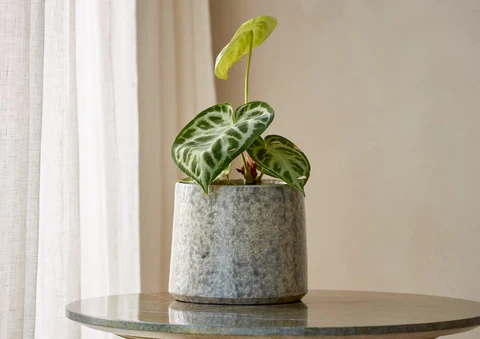
Plants use less water in colder months because growth slows. Overwatering can lead to fungal infections, root rot, or oxygen deprivation.
Watering Tips
- Check soil moisture 1–2 inches below the surface before watering
- Use room-temperature water
- Avoid letting pots sit in stagnant water
- Ensure proper drainage using clay, ceramic, or breathable pots
For succulents and semi-dormant species, watering every 2–3 weeks may be sufficient.
Soil and Container Considerations
Healthy roots are crucial for frost resistance indoors.
Best Soil Mixes
Use plant-safe, animal-free mediums such as:
- Coconut coir
- Peat-free compost
- Bark fines
- Perlite and sand mixtures
- Dried leaf mulch
Avoid bone meal, fish emulsion, or manure-based fertilizers.
Container Choice
Opt for pots with adequate drainage. Terracotta, ceramic, and bamboo fiber planters are natural, breathable, and eco-friendly.
Insulation and Frostproofing Techniques Indoors
Even indoors, certain rooms or windows can allow cold drafts. The following protective measures help prevent frost shock:
1. Double Layering
Use plant-safe fabric covers, cotton sheets, or muslin cloth to create a light frost shield during extreme cold nights.
2. Mulching Indoors
Add a layer of plant-derived mulch—coconut husk, straw, dried leaves, or shredded bark—on top of the soil to insulate roots.
3. Elevated Placement
Keep pots off cold floors by placing them on stools, wooden planks, or insulated mats.
4. Room Selection
Choose warmer, consistent-temperature rooms such as living areas, study nooks, or heated sunrooms. Avoid unheated basements or garages.
Lighting Accessories for the Cold Months
Reduced daylight affects photosynthesis. To support growth:
- Use full-spectrum LED grow lights
- Keep lights 12–18 inches above plant tops
- Run lights for 10–12 hours daily, depending on species
Avoid incandescent bulbs which generate excess heat and consume more energy.
Monitoring and Maintenance
Regular attention ensures long-term success.
1. Leaf Care
Dusty leaves reduce light absorption. Wipe gently with a damp cloth every few weeks.
2. Pest Watch
Indoor environments are not entirely pest-free. Check for:
- Whiteflies
- Spider mites
- Fungus gnats
Use neem oil spray or garlic-pepper plant-based solutions if needed.
3. Growth Observation
Look for signs like:
- Drooping leaves (cold stress)
- Brown edges (low humidity)
- Soft stems (overwatering)
Early detection prevents lasting damage.
4. Controlled Fertilization
During winter, most plants slow their growth. Apply diluted, plant-based liquid fertilizers like seaweed extract or compost tea only once every 6–8 weeks, if necessary.
Extra Tips for Specialized Plant Groups
Succulents and Cacti
- Minimal watering
- Lots of indirect light
- Avoid humid corners
Flowering Houseplants
- Peace lilies, begonias, and African violets need moderate light
- Keep away from direct heater airflow
Herbs Indoors
- Basil, parsley, and mint need sunlight and proper drainage
- Trim regularly to encourage growth and prevent legginess
Common Mistakes to Avoid
- Placing plants too close to cold windows
- Overwatering during low-light days
- Using heavy clay soil indoors
- Neglecting humidity needs
- Sudden shifts between indoor and outdoor temperatures
Preventing these errors significantly increases plant survival and vitality.
Conclusion
Protecting tender plants from frost indoors is both an eco-friendly and rewarding practice. With careful planning, temperature control, strategic lighting, sustainable materials, and thoughtful maintenance, fragile plants can survive winter conditions without stress. By avoiding animal-based products and focusing on plant-centered solutions, this approach supports ethical gardening while promoting resilience and sustainability.
Whether caring for herbs, ornamentals, indoor palms, or succulents, a frost-safe indoor environment ensures that plants remain healthy and vibrant throughout the cold months. With proper attention and plant-based practices, gardeners can enjoy greenery and growth all winter long—safely sheltered from frost.