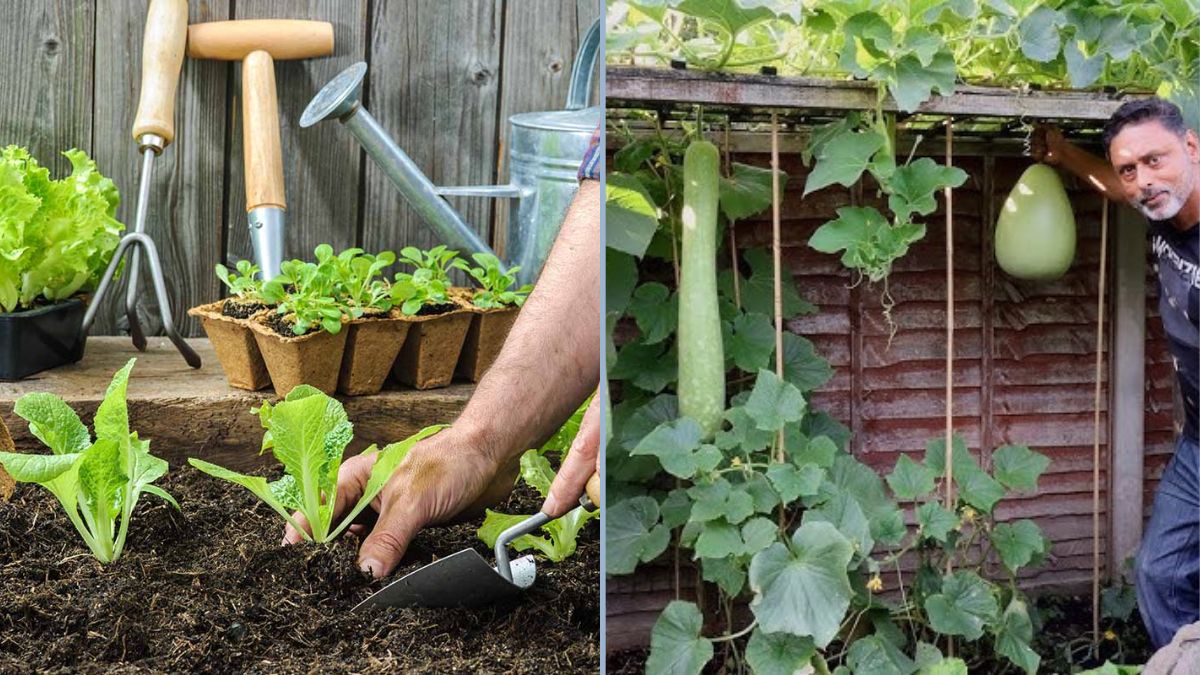
Maximizing harvests throughout the year is a key goal for home gardeners, urban farmers, and small-scale growers. Seasonal variations in temperature, daylight, humidity, and pest activity significantly influence plant growth, yield, and quality. By understanding these seasonal dynamics and adopting strategic planting, watering, soil management, and crop rotation practices, gardeners can optimize productivity year-round.
This article provides a detailed, plant-focused guide to maximizing harvests in each season, with tips on crop selection, environmental adjustments, soil and container management, water and nutrient strategies, and pest control—all while maintaining fully vegetarian and sustainable practices.
1. Understanding Seasonal Growth Patterns
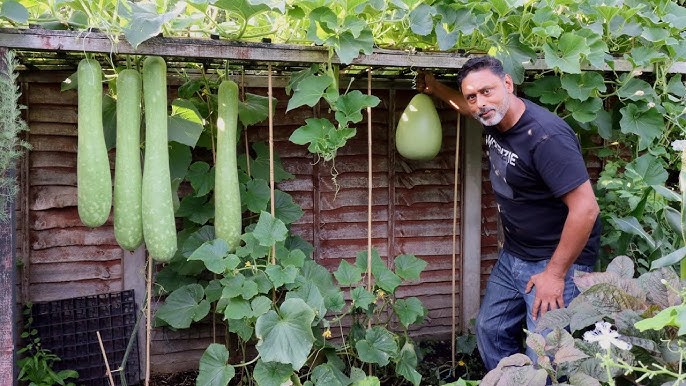
Plants grow differently depending on environmental conditions. Successful gardeners plan their planting schedules according to seasonal growth patterns to prevent stress and optimize yields.
Seasonal Considerations
- Temperature: Determines which crops thrive in a particular season. Cold-tolerant crops perform well in winter, while heat-loving species excel in summer.
- Daylight Duration: Affects photosynthesis, flowering, and fruiting. Shorter days can slow growth, requiring supplemental light for indoor setups.
- Humidity: Influences transpiration, leaf health, and pest activity. Adjust watering and air circulation accordingly.
- Pest and Disease Cycles: Warm, humid seasons favor certain pests and fungal infections; cold seasons reduce insect activity but may increase fungal risks indoors.
Planning around these factors allows gardeners to maximize harvest potential for each crop in every season.
2. Crop Selection for Each Season
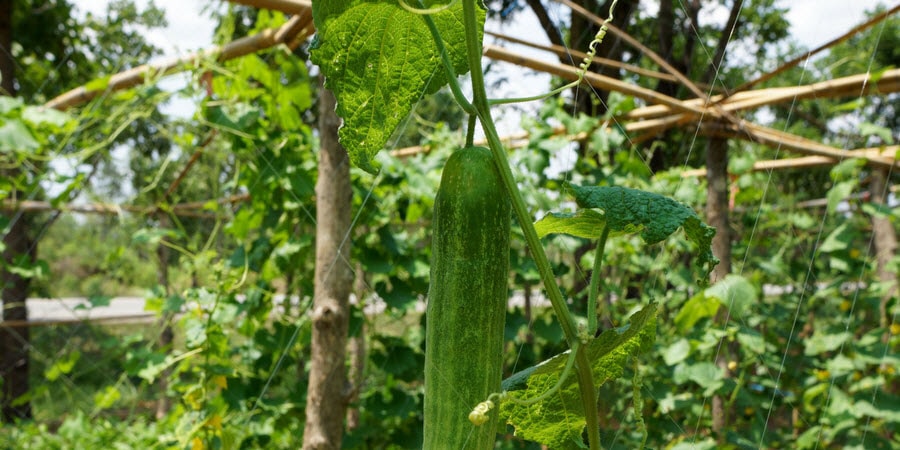
Choosing crops adapted to seasonal conditions is the first step in maximizing yield.
Spring
- Leafy Greens: Lettuce, spinach, arugula, kale
- Herbs: Basil, parsley, cilantro
- Root Vegetables: Radish, spring onions, carrots
- Tips: Mild temperatures and increasing sunlight favor fast-growing greens. Early sowing ensures full growth before the heat of summer.
Summer
- Heat-Tolerant Greens: Swiss chard, Malabar spinach, amaranth
- Vegetables: Tomatoes, cucumbers, beans, bell peppers
- Herbs: Rosemary, oregano, thyme
- Tips: Provide partial shade during peak sunlight hours. Increase watering frequency to compensate for high evaporation.
Autumn
- Leafy Greens: Kale, mustard greens, lettuce
- Root Vegetables: Beets, radish, carrots
- Herbs: Cilantro, mint
- Tips: Cooler temperatures slow growth, reducing stress on tender greens. Succession planting ensures a continuous harvest.
Winter
- Cold-Tolerant Greens: Spinach, kale, Swiss chard
- Brassicas: Broccoli, cabbage (for balcony gardens)
- Herbs: Parsley, chives, thyme
- Tips: Protect crops indoors or in sheltered areas. Supplemental light may be needed for indoor or balcony gardens.
3. Succession Planting for Continuous Yield
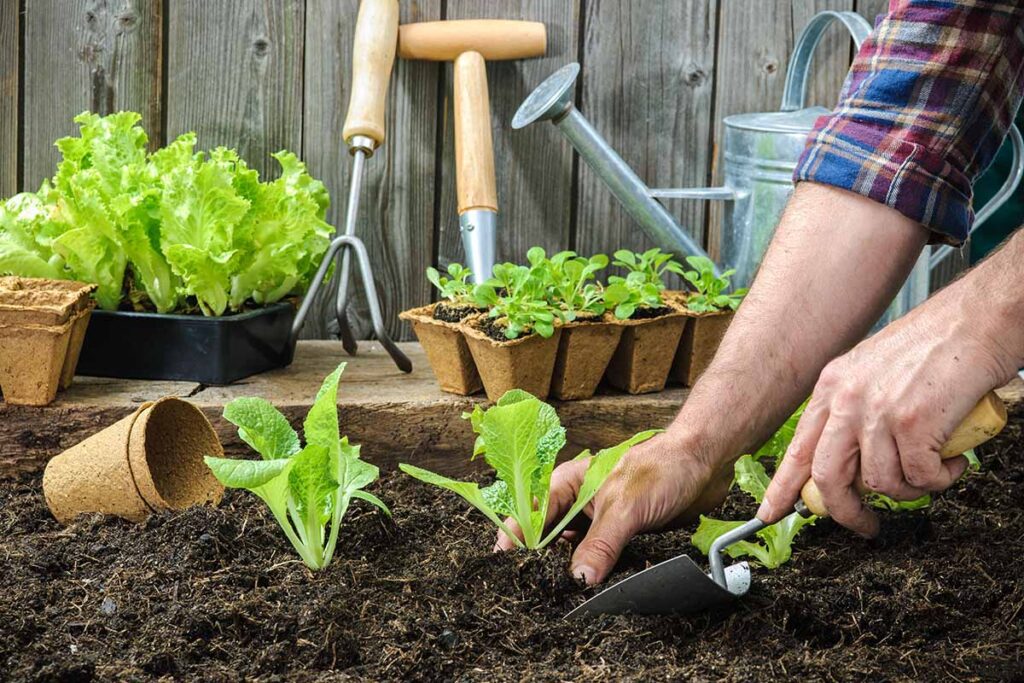
Succession planting is essential for continuous harvests, especially in small spaces.
Techniques
- Sow seeds every 1–2 weeks for fast-growing crops like lettuce and radish.
- Stagger planting for slower-growing crops like tomatoes and peppers.
- Use separate containers for each stage to avoid overcrowding.
This approach prevents gaps in production and ensures a steady supply of fresh produce throughout the year.
4. Container and Soil Management
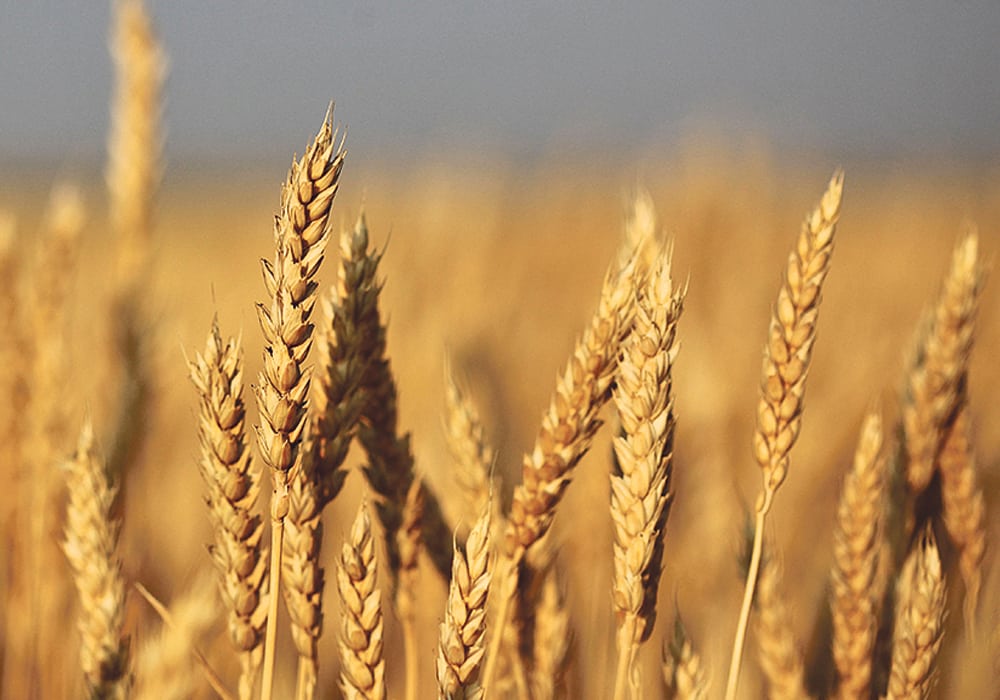
Proper container and soil selection enhances plant health and yield, particularly for indoor or balcony gardens.
Containers
- Shallow trays for leafy greens and microgreens
- Medium pots for herbs and root vegetables
- Deep containers for tomatoes, peppers, and bush beans
- Self-watering containers help regulate moisture and prevent water stress
Soil
- Use plant-based, organic potting mixes with coconut coir, peat-free compost, perlite, and vermiculite.
- Top-dress soil with dried leaves or compost to replenish nutrients between plantings.
- Avoid animal-based fertilizers like bone meal or fish emulsion.
Healthy soil promotes strong root systems, nutrient absorption, and high-quality yields.
5. Watering Strategies Across Seasons
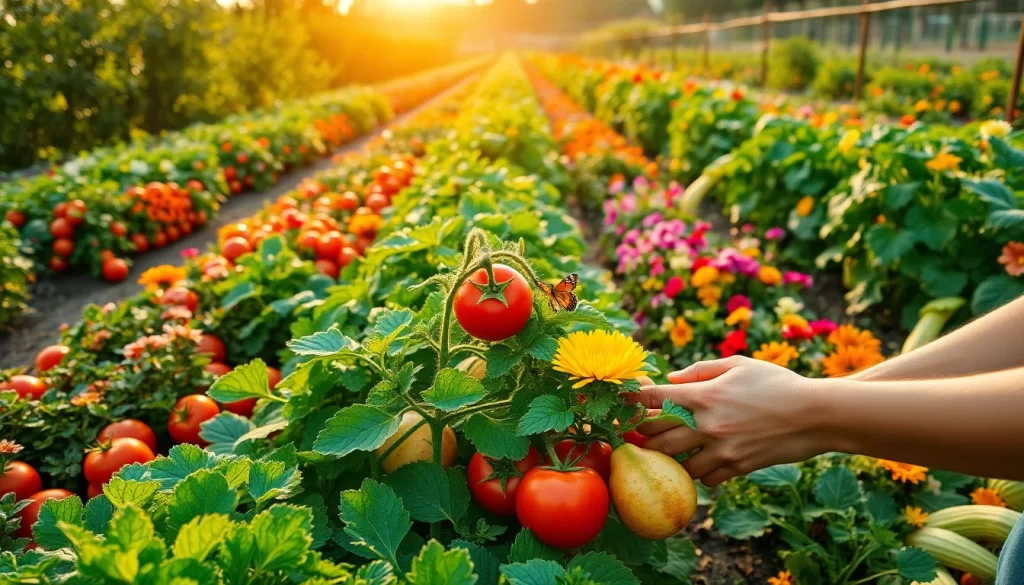
Water management is critical for maximizing harvests. Each season requires adjustments in watering frequency and technique.
Spring and Autumn
- Moderate watering is usually sufficient.
- Ensure soil drains well to prevent root rot.
Summer
- Increase watering to compensate for higher temperatures and faster evaporation.
- Mulch containers with coconut coir or dried leaves to retain moisture.
Winter
- Reduce watering as plant growth slows.
- Avoid letting water sit in pots, especially in cold indoor conditions, to prevent fungal issues.
Bottom watering is ideal for small trays and microgreens, promoting strong root systems and preventing leaf wetting.
6. Light Management for Year-Round Productivity
Light is essential for photosynthesis, flowering, and fruiting. Seasonal changes affect light intensity and duration.
Guidelines
- Place plants near south- or east-facing windows for natural sunlight.
- Supplement with full-spectrum LED grow lights during short daylight months.
- Rotate containers weekly for even light exposure.
- Maintain 10–14 hours of light daily for leafy greens; fruiting crops may need longer periods.
Proper lighting ensures consistent growth and maximizes harvests regardless of season.
7. Fertilization Practices for Continuous Growth
Nutrient management supports healthy plants and high yields.
Plant-Based Fertilizers
- Compost teas: Provide nitrogen, potassium, and micronutrients.
- Seaweed extract: Enhances leaf color, growth, and resilience.
- Legume-based liquid fertilizers: Promote steady development without animal products.
Apply every 2–3 weeks, adjusting for growth stage and plant type. Avoid over-fertilization, which can cause leaf burn or reduce taste quality.
8. Pest and Disease Management Across Seasons
Pests and diseases affect harvest potential if not managed proactively.
Common Indoor and Outdoor Challenges
- Aphids, whiteflies, spider mites
- Fungal infections such as powdery mildew
- Soil-borne pathogens
Vegetarian-Friendly Solutions
- Inspect plants regularly.
- Use neem oil sprays or garlic-chili water solutions.
- Maintain good airflow around plants.
- Keep containers and trays clean.
Early detection and plant-friendly interventions prevent significant crop loss.
9. Seasonal Adjustments for Optimized Yield
Maximizing harvests requires adjusting practices according to seasonal changes.
Winter
- Reduce watering and fertilization as growth slows.
- Extend artificial lighting for indoor crops.
- Maintain moderate humidity with pebble trays or misting.
Summer
- Increase watering and use mulching to retain soil moisture.
- Provide partial shading for heat-sensitive crops.
- Monitor for pests, which are more active in warm conditions.
Autumn and Spring
- Moderate watering and fertilization.
- Transition crops gradually between temperatures.
- Maintain light exposure as day length changes.
10. Space Optimization for Small Gardens
Efficient use of space is essential for maximizing harvests in small areas.
Techniques
- Vertical gardening: Use shelves or stacked trays.
- Hanging planters: Ideal for herbs and small greens.
- Succession planting: Maintain continuous production.
- Companion planting: Pair crops that support each other and deter pests naturally.
Effective spatial planning allows gardeners to harvest more from limited areas.
11. Benefits of Seasonal Planning and Harvest Maximization
- Nutritional: Fresh, vitamin-rich produce year-round.
- Sustainability: Reduces reliance on store-bought crops and transportation.
- Aesthetic: Adds greenery and visual appeal indoors and outdoors.
- Educational: Provides hands-on experience with plant biology and seasonal cycles.
- Ethical: Fully vegetarian and environmentally responsible gardening practices.
Maximizing harvests across seasons enhances food security, health, and sustainability.
12. Common Mistakes to Avoid
- Ignoring seasonal suitability of crops
- Overcrowding pots and containers
- Overwatering during low-light conditions
- Neglecting light supplementation in winter
- Using animal-based fertilizers in vegetarian gardens
Avoiding these mistakes ensures healthier plants and higher yields.
Conclusion
Maximizing harvests in each season requires strategic planning, careful crop selection, environmental management, and consistent maintenance. By choosing crops suited to seasonal conditions, managing light, temperature, humidity, and soil nutrients, and implementing succession planting and space optimization, gardeners can enjoy continuous, high-quality yields year-round.
Plant-based fertilizers, sustainable watering practices, and vegetarian-friendly pest control methods ensure ethical and environmentally responsible cultivation. With proper seasonal planning, even small indoor or balcony gardens can produce abundant, nutritious, and aesthetically pleasing crops throughout the year.
By understanding seasonal cycles and adapting practices accordingly, gardeners can transform their home spaces into productive, sustainable, and resilient food systems, contributing to better health, nutrition, and ecological awareness.