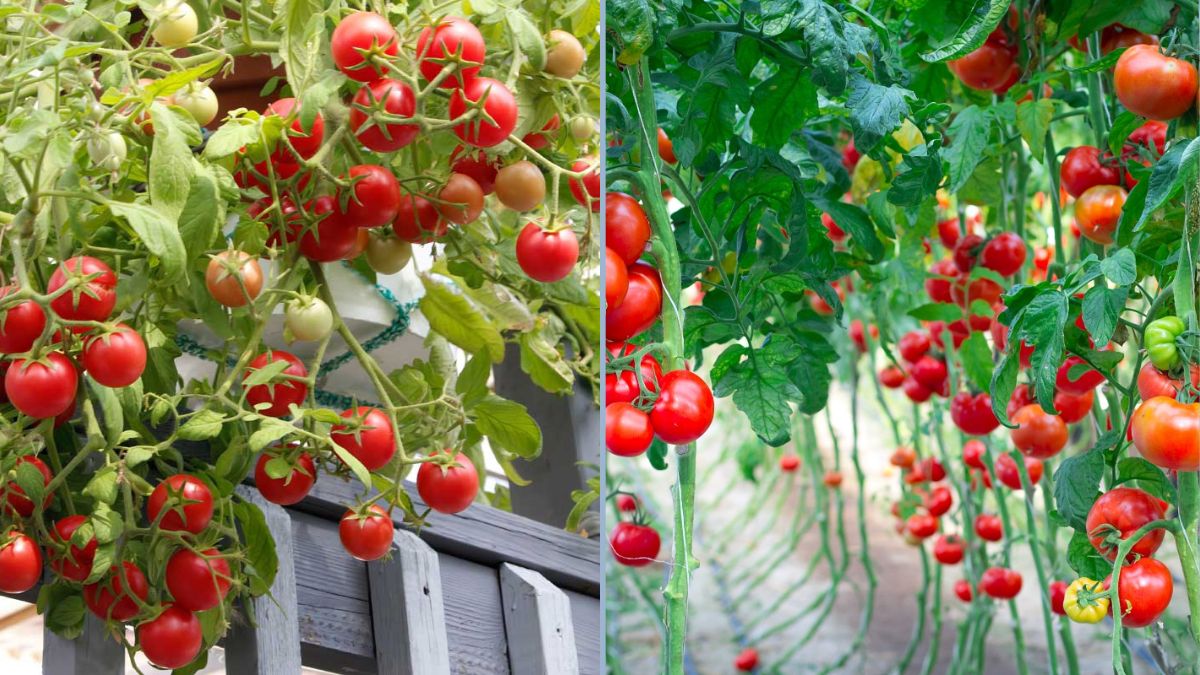
Growing tomatoes is one of the most satisfying gardening experiences, yet many gardeners struggle to achieve the juicy, flavorful fruits they dream of. Whether you are a beginner or an experienced gardener, discovering a simple and effective method can completely transform your tomato-growing journey. If you’ve ever wished for a better approach that produces more fruit, fewer problems, and less stress, this guide is for you. Here’s everything you need to know about the method that will make you say, “I wish I knew this sooner.”
Why Tomatoes Are Challenging to Grow
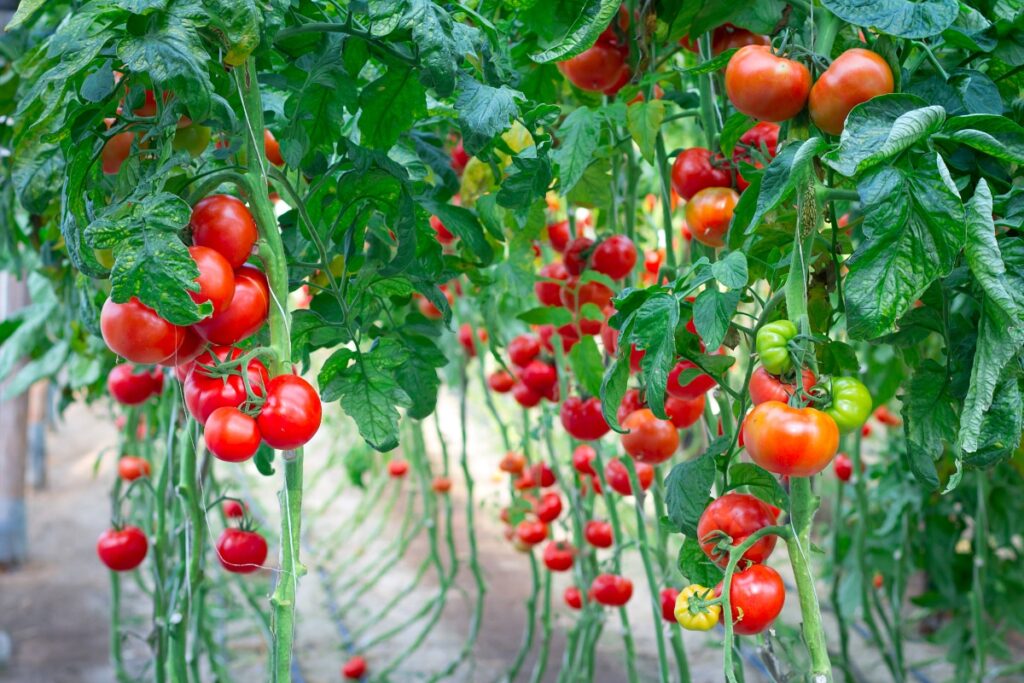
Tomatoes are notoriously tricky plants. They require the right balance of sunlight, water, nutrients, and support. Common challenges gardeners face include:
- Blossom end rot: A calcium deficiency that causes black, sunken spots on the bottom of the fruit.
- Overwatering or underwatering: Both can stress plants, reduce fruit quality, and encourage diseases.
- Pests and diseases: Aphids, whiteflies, and fungal infections can wreak havoc.
- Poor fruit set: Even healthy plants sometimes fail to produce enough flowers or fruit.
The good news is that with the right method, most of these problems can be minimized or even avoided.
Introducing the Game-Changing Tomato Growing Method
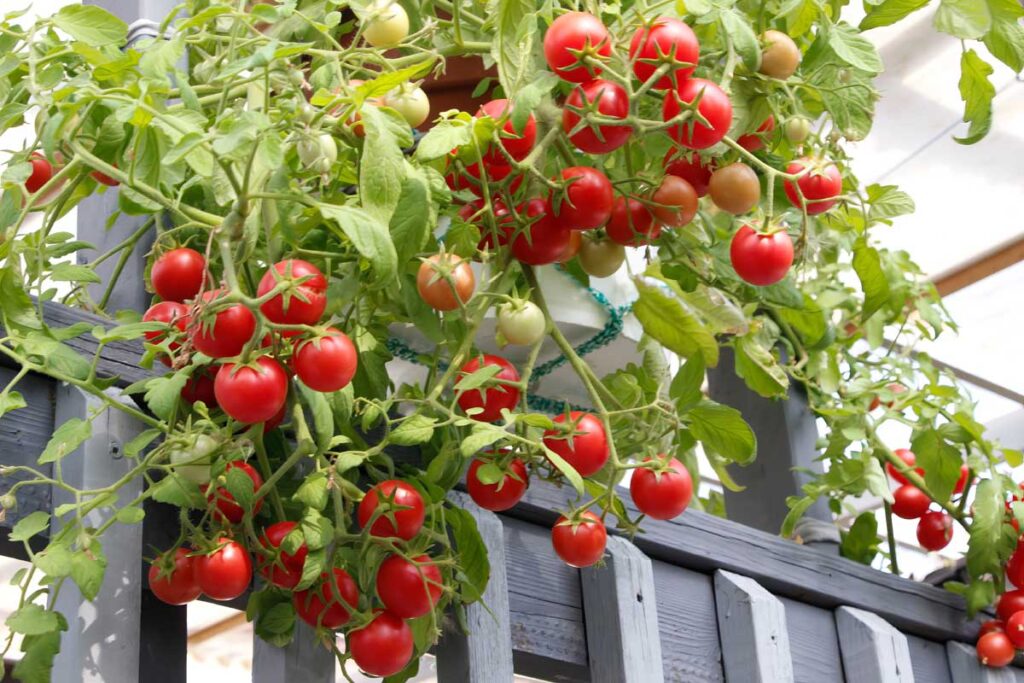
The method that transforms tomato gardening focuses on container growing with vertical support and optimal soil preparation. It’s perfect for small spaces, balconies, or even traditional garden beds. This approach maximizes yield, keeps plants healthy, and makes harvesting easier.
Step 1: Choosing the Right Tomato Variety
Not all tomatoes are created equal, and the first step to success is selecting the right variety for your method:
- Determinate varieties: Grow to a certain height and produce fruit all at once. Good for container growing. Examples: ‘Roma,’ ‘Celebrity.’
- Indeterminate varieties: Continue to grow and produce fruit throughout the season. Examples: ‘Cherry,’ ‘Beefsteak.’
Indeterminate varieties work best for vertical support systems, while determinate types are ideal for limited-space containers.
Step 2: Preparing Your Containers
The secret to healthier tomatoes often starts with the container. Key factors:
- Size: A minimum of 5 gallons per plant is ideal for indeterminate varieties.
- Drainage: Drill multiple holes in the bottom to prevent root rot.
- Material: Plastic, ceramic, or fabric pots all work. Fabric pots improve aeration.
This method emphasizes using deep, well-draining containers, which allows roots to grow extensively and absorb nutrients effectively.
Step 3: Creating the Perfect Soil Mix
Tomatoes thrive in nutrient-rich, well-draining soil. A poor soil mix is one of the main reasons tomato plants fail.
Recommended soil recipe for maximum growth:
- 40% high-quality potting soil
- 30% compost or aged manure
- 20% perlite or vermiculite for drainage
- 10% organic fertilizer or slow-release granular fertilizer
Mix these thoroughly and fill your containers, leaving 2–3 inches from the top for watering.
Step 4: Planting the Tomatoes
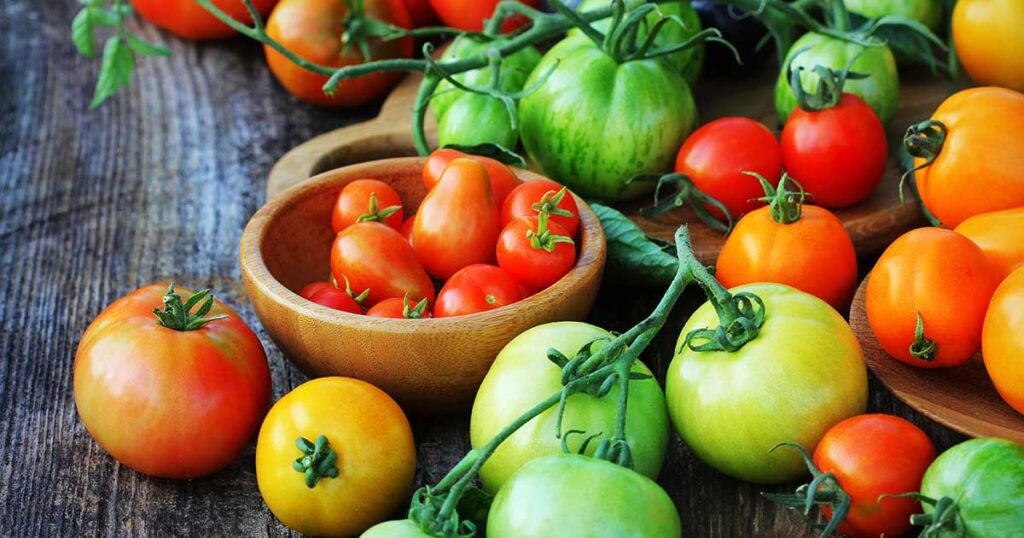
Here’s a trick many gardeners wish they knew sooner: bury tomato seedlings deeper than they come in their original pots.
Why this works:
Tomato stems can grow roots along buried portions, leading to stronger plants and increased nutrient absorption.
Planting steps:
- Remove lower leaves from the seedling.
- Dig a hole deep enough to bury 2/3 of the plant, leaving only the top leaves exposed.
- Water thoroughly to help roots settle.
This small adjustment dramatically strengthens the plant, making it more resistant to wind, pests, and drought.
Step 5: Supporting Your Plants Vertically
Vertical support is the cornerstone of this method. It keeps fruit off the ground, reduces disease, and makes harvesting easier.
Options for vertical support:
- Tomato cages: Classic and effective for both determinate and indeterminate varieties.
- Stakes and ties: Insert stakes and gently tie the main stem as it grows.
- Trellises or vertical poles: Perfect for limited spaces or balcony gardening.
Pro tip: Use soft ties or strips of cloth to avoid damaging the plant stems.
Step 6: Watering Wisely
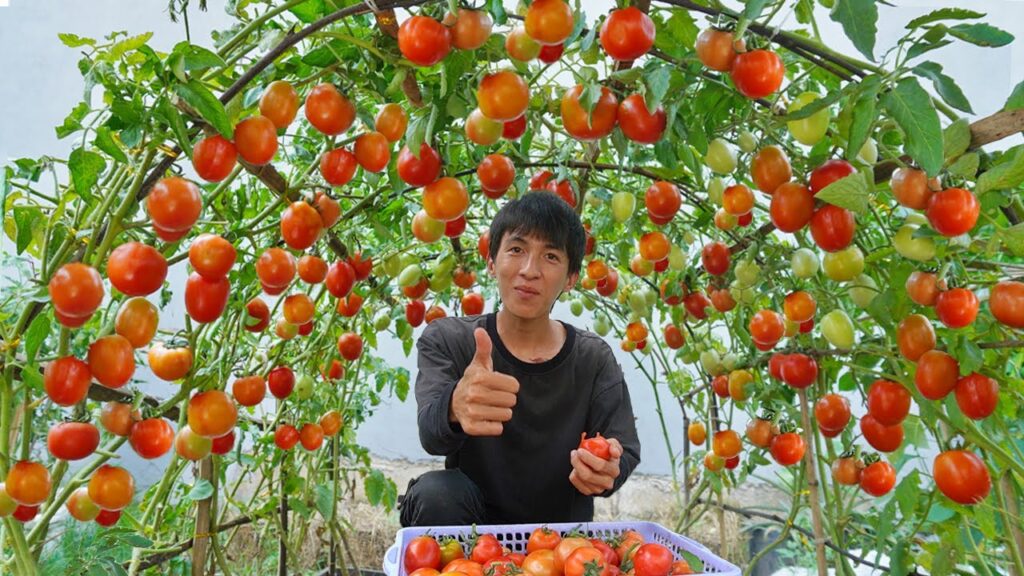
Tomatoes need consistent moisture but do not like soggy roots. The “wish I knew this sooner” tip is deep, infrequent watering:
- Water slowly until soil is moist 6–8 inches deep.
- Avoid wetting leaves, which can cause fungal diseases.
- Mulch around the base with straw, leaves, or coconut coir to retain moisture and regulate temperature.
This approach encourages deep root growth and reduces stress during hot summer months.
Step 7: Feeding Your Plants
Tomatoes are heavy feeders. The key is to feed regularly but not excessively:
- Use a liquid tomato fertilizer every 2 weeks.
- Ensure it contains nitrogen (for growth), phosphorus (for flowers and fruit), and potassium (for overall plant health).
- Add calcium periodically to prevent blossom end rot.
Over-fertilizing is a common mistake that leads to lush leaves but fewer tomatoes.
Step 8: Pruning for Maximum Yield
Many gardeners miss out on big harvests because they don’t prune properly. Here’s the simple rule:
- Remove suckers (small shoots growing in leaf axils) on indeterminate varieties to focus energy on main stems and fruit.
- For determinate varieties, minimal pruning is needed; only remove dead or yellowing leaves.
Pruning improves airflow, reduces disease, and encourages bigger, better-quality fruits.
Step 9: Pollination Tips
Tomatoes are self-pollinating, but hand-pollination can boost yields.
- Shake flower clusters gently or use an electric toothbrush near blooms to vibrate pollen.
- If growing indoors, fans or manual shaking help simulate wind and encourage fruit set.
Better pollination means more flowers develop into tomatoes, which is especially important for container-grown plants.
Step 10: Harvesting and Storage
Patience pays off—tomatoes taste best when fully ripe.
Harvesting tips:
- Pick fruit when fully colored and slightly soft to the touch.
- Cut stems rather than pulling fruit to prevent damage.
- Regular harvesting encourages the plant to produce more.
Storage tips:
- Keep tomatoes at room temperature for optimal flavor.
- Avoid refrigeration unless overripe; cold can damage taste and texture.
Common Mistakes to Avoid
Even with this method, beginners often make simple mistakes:
- Overcrowding plants – Each tomato needs space for air circulation.
- Ignoring sunlight – Tomatoes need at least 6–8 hours of sun per day.
- Neglecting pruning – Leads to tangled plants and reduced fruit quality.
- Improper watering – Too much or too little can stress plants.
- Skipping fertilizer – Nutrient-deficient soil produces weak plants and fewer tomatoes.
Correcting these mistakes early ensures healthier plants and higher yields.
Why This Method Works So Well
This approach combines several principles that many gardeners overlook:
- Strong root development from deep planting
- Optimal soil nutrition for healthy growth and fruiting
- Vertical support to reduce disease and improve airflow
- Consistent watering and feeding to prevent stress
By addressing all these factors, this method guarantees more robust plants, higher yields, and tastier tomatoes.
Final Thoughts
Tomatoes are rewarding to grow when done right. Using containers, vertical support, deep planting, and proper feeding, you can transform even a small balcony into a tomato haven. The beauty of this method is that it works for beginners and experts alike. After implementing it, you’ll understand why so many gardeners wish they had discovered it sooner.
The next time you bite into a juicy, sun-ripened tomato, you’ll know that a little knowledge and a few smart techniques can make all the difference. By following this guide, you’re not just growing tomatoes—you’re cultivating success, flavor, and a gardening method that will pay off season after season.