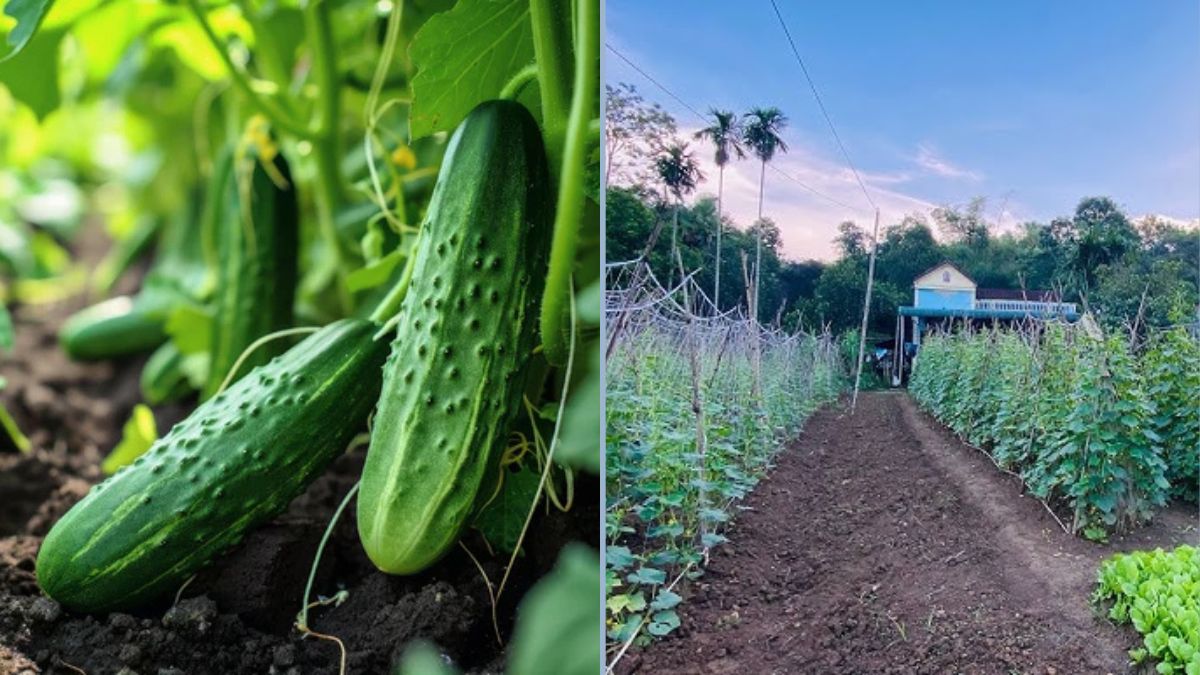
Gardening is more than just planting seeds—it’s a journey of patience, learning, and connection to nature. Two months ago, my parents decided to cultivate a vegetable and cucumber garden, dedicating time, care, and attention to every plant. Today, the garden is a vibrant, lush haven brimming with life, and the progress after just two months is remarkable. In this blog post, I’ll share the journey, the techniques used, and what we learned along the way about growing a thriving garden. Whether you’re a beginner or an experienced gardener, this story offers insights into achieving healthy, abundant crops.
Why Start a Vegetable and Cucumber Garden
Growing your own vegetables comes with numerous benefits, including:
- Freshness and flavor: Homegrown produce often tastes better than store-bought varieties.
- Health benefits: Vegetables and cucumbers are rich in vitamins, minerals, and fiber, essential for a healthy diet.
- Cost savings: Cultivating your own garden reduces grocery bills.
- Sustainability: Growing food at home reduces packaging waste and transportation emissions.
- Family bonding and education: Gardening teaches children and adults alike about nature, responsibility, and patience.
My parents’ garden was started not only to provide fresh produce but also to create a shared family activity that everyone could enjoy.
Step 1: Planning the Garden
A well-planned garden lays the foundation for success. My parents considered several factors before planting:
- Space: They allocated a plot in our backyard with good sunlight and drainage.
- Crop selection: We focused on cucumbers as a high-yield vine vegetable and included other vegetables such as tomatoes, peppers, and leafy greens for variety.
- Soil quality: They tested the soil to ensure it was fertile, slightly acidic to neutral (pH 6.0–7.0), and rich in organic matter.
- Irrigation: A simple drip irrigation system was planned to ensure consistent watering.
By taking the time to plan carefully, we set the stage for a garden capable of producing abundant and healthy crops.
Step 2: Preparing the Soil
Healthy plants begin with healthy soil. The soil preparation process involved:
- Clearing the plot: Removing weeds, rocks, and debris to prevent competition for nutrients.
- Loosening the soil: Using a spade and hoe to aerate the soil and improve root penetration.
- Adding compost and manure: Enriching the soil with organic matter to provide essential nutrients.
- Leveling the soil: Ensuring even planting beds for consistent water distribution.
This preparation not only improved soil fertility but also created an ideal environment for seeds and seedlings to thrive.
Step 3: Choosing Seeds and Seedlings
Selecting the right varieties of vegetables and cucumbers was crucial. My parents focused on varieties that are known for:
- Disease resistance: Reducing the need for chemical interventions.
- High yield: Ensuring multiple harvests within the growing season.
- Adaptability: Performing well in our local climate.
For cucumbers, we chose a fast-growing, high-yield variety. Leafy vegetables like spinach and lettuce were selected for quick harvest cycles, while tomatoes and peppers were chosen for long-term fruit production.
Step 4: Planting
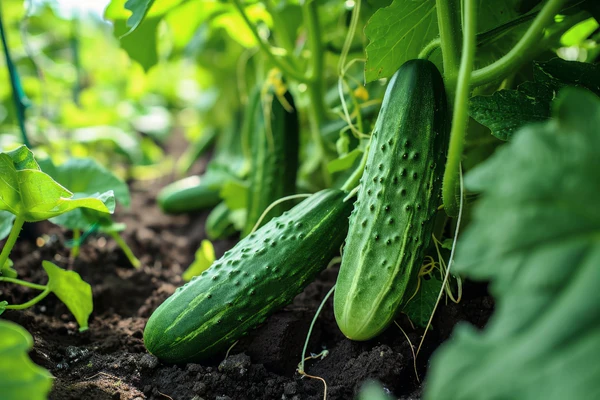
Planting was done carefully to ensure optimal growth conditions.
For cucumbers:
- Seeds were sown directly into the soil in mounds to improve drainage.
- Spacing was maintained at 12–18 inches between plants to allow vines to spread.
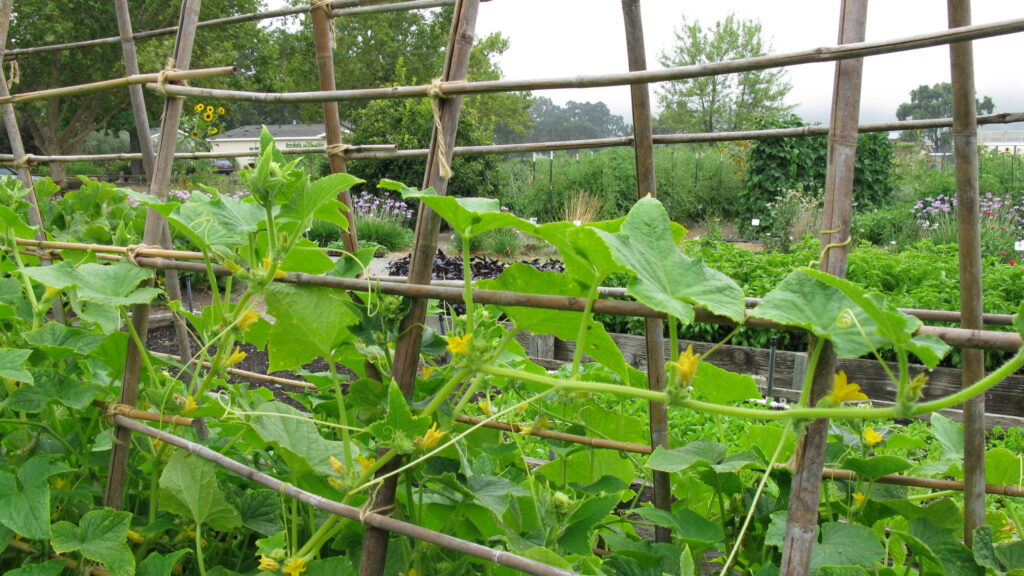
- Trellises were installed early to support vertical growth, preventing sprawling and disease.
For vegetables:
- Leafy greens were planted in rows with close spacing for a continuous harvest.
- Tomatoes and peppers were planted with adequate space and cages to support future fruiting.
- Companion planting strategies were used to reduce pests and improve plant health.
Correct planting techniques from the start gave all plants a strong foundation.
Step 5: Watering and Mulching
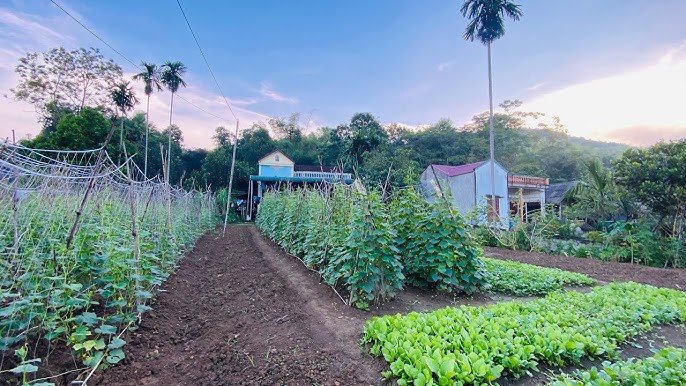
Consistent moisture is key to healthy vegetable and cucumber growth. My parents implemented a simple routine:
- Watering: Early morning watering to ensure soil moisture while avoiding leaf wetness that can cause fungal diseases.
- Mulching: Straw, dried leaves, and organic matter were used as mulch to retain moisture, suppress weeds, and maintain soil temperature.
This combination of watering and mulching created ideal conditions for vigorous growth.
Step 6: Fertilization
Fertilization played an important role in promoting strong vines and abundant vegetables.
Cucumber care:
- Nitrogen-rich fertilizer during initial growth to encourage leaf and vine development.
- Transition to phosphorus and potassium-rich fertilizers during flowering and fruiting for better pod formation and sweetness.
Other vegetables:
- Leafy greens benefited from nitrogen-rich compost to support lush leaves.
- Fruit-bearing vegetables were given additional potassium and phosphorus to promote flowering and fruit set.
Balanced nutrition ensured the plants remained healthy, productive, and resilient.
Step 7: Pest and Disease Management
Even with careful planning, pests and diseases can affect a garden. My parents used environmentally friendly approaches to minimize issues:
- Hand-picking pests: Caterpillars and beetles were removed manually.
- Neem oil sprays: Used sparingly to combat aphids and mites.
- Proper spacing and pruning: Improved airflow, reducing fungal infections like powdery mildew.
- Companion planting: Marigolds and basil were planted to repel insects naturally.
Regular observation allowed for early detection and effective management, protecting both cucumbers and vegetables.
Step 8: Training and Supporting Cucumber Vines
Vertical growth was a game-changer for our cucumber yield.
- Trellises supported the vines, keeping cucumbers off the ground.
- Vertical growth improved sunlight exposure and air circulation, which reduced disease risk.
- Easy harvesting: With cucumbers hanging on trellises, we could see and pick fruits quickly.
Training vines early in their growth cycle resulted in faster flowering and more abundant pods.
Step 9: Observing Growth After Two Months
After two months of care, the garden transformed into a lush, vibrant space. Observations included:
- Cucumber vines: Already climbing the trellises with flowers and young fruits forming.
- Leafy greens: Ready for multiple harvests, providing continuous fresh produce.
- Tomatoes and peppers: Flowering and showing early signs of fruit formation.
- Overall health: Plants were green, strong, and resilient, indicating that soil preparation, watering, and fertilization had been effective.
The transformation was remarkable, showing how proper care can accelerate growth and yield even in a relatively short period.
Step 10: Harvesting
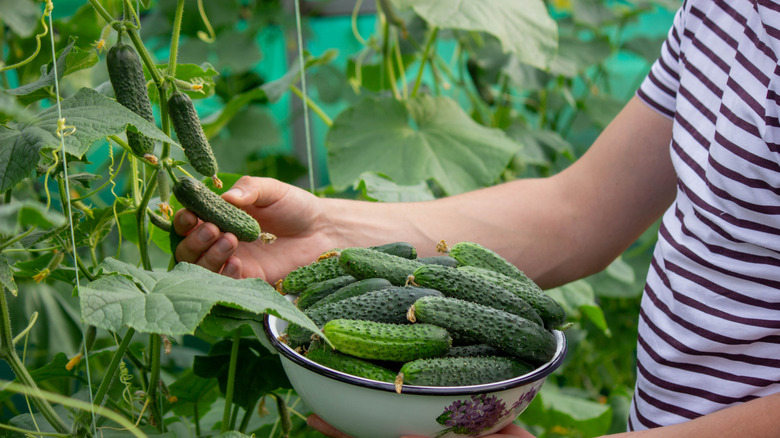
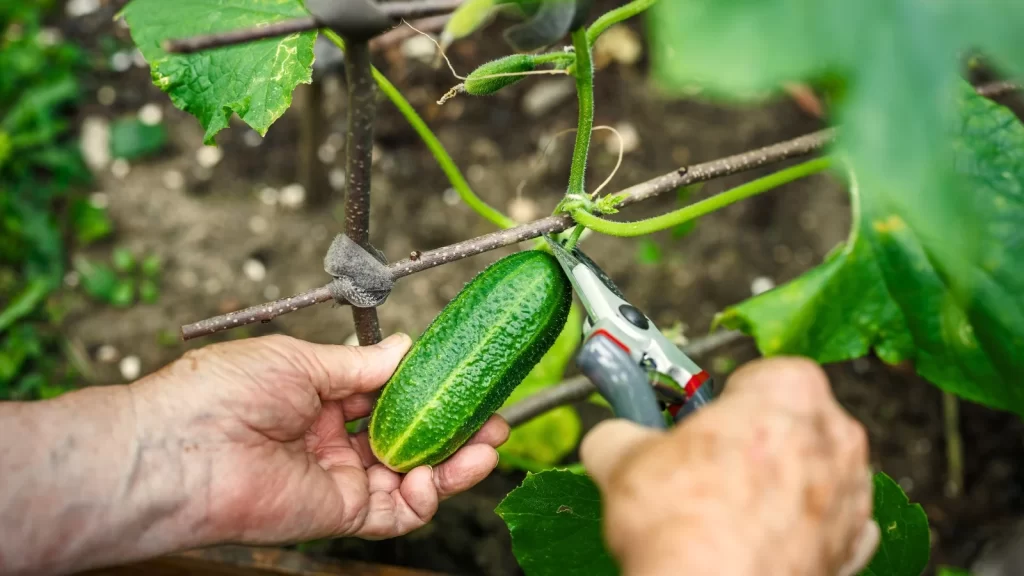
Although we were only two months in, the leafy greens and some early cucumbers were ready for harvest. Key lessons included:
- Regular harvesting encourages more growth: Picking young leaves or fruits stimulates continued production.
- Timing matters: Cucumbers harvested too late can become bitter or tough.
- Handling carefully: Using gentle techniques preserves both the fruit and the plant.
Even early harvests provided enough fresh produce for our family, boosting motivation to continue care.
Step 11: Lessons Learned
From this two-month experience, several important lessons emerged:
- Patience pays off: Gardening is a gradual process, and careful attention produces visible results over time.
- Soil health is foundational: Investing time in soil preparation saves effort later.
- Support structures matter: Trellises and cages greatly improve yield and plant health.
- Consistent care is key: Watering, mulching, and fertilization directly influence growth speed and productivity.
- Observation is invaluable: Regularly checking plants for pests, disease, and growth progress ensures quick problem-solving.
These lessons reinforce the importance of combining knowledge, attention, and patience to create a thriving garden.
Step 12: Why This Method Works
The success of my parents’ garden after just two months is due to several factors:
- Proper planning and crop selection: Choosing suitable vegetables and cucumbers for our climate.
- Soil enrichment and preparation: Creating fertile, well-draining soil.
- Vertical growth for cucumbers: Maximizing space and yield.
- Balanced care and fertilization: Ensuring healthy growth, flowering, and fruiting.
- Early pest and disease management: Maintaining plant health and preventing loss.
This holistic approach demonstrates that even a relatively small garden can produce abundant results when managed carefully.
Final Thoughts
Two months of consistent care transformed my parents’ vegetable and cucumber garden into a vibrant, productive space. The experience highlighted the joy and satisfaction of growing food at home and the value of careful planning, consistent care, and attention to detail.
For anyone looking to start a garden, this story proves that with patience and dedication, even small plots can produce remarkable yields. From leafy greens to cucumbers climbing trellises, a garden offers not only fresh food but also lessons in observation, responsibility, and the rewards of hard work.
By following these principles—proper soil preparation, careful planting, vertical support, watering, fertilization, pest management, and regular harvesting—anyone can achieve a thriving garden in just a few months. My parents’ garden is a testament to what’s possible, and it serves as inspiration for anyone ready to embark on their own gardening journey.