
There’s something magical about life in the countryside. The rhythm of the day is slower, the air is fresher, and every sunrise and sunset feels like a gentle reminder that life doesn’t always have to be rushed. Recently, I had the opportunity to spend 20 days immersed in farming in a quiet village, experiencing firsthand the simplicity, challenges, and rewards of country life. This period was both a learning experience and a journey of self-discovery. In this blog post, I’ll take you through my 20 peaceful days of farming, the tasks I learned, and the lessons that nature quietly taught me along the way.
Day 1–2: Arriving in the Countryside
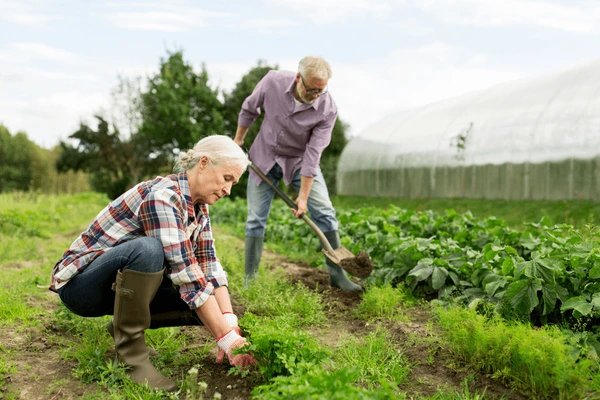
The moment I arrived in the village, I felt an immediate sense of calm. Gone were the city’s constant honking, crowded streets, and the hurried pace of life. In their place were green fields stretching to the horizon, the chirping of birds, and the soft rustle of leaves in the wind.
The first two days were mostly about familiarization:
- Learning the layout of the farm.
- Meeting the farmers and local villagers who welcomed me warmly.
- Observing daily routines such as morning milking, watering crops, and feeding animals.
Even simple tasks like walking through the fields and breathing the fresh countryside air felt rejuvenating.
Day 3–5: Understanding the Land
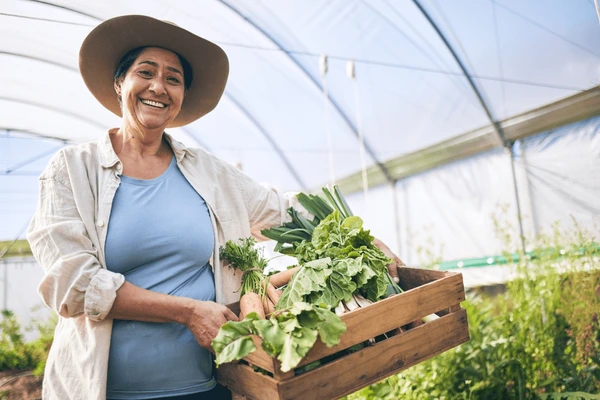
Farming begins with understanding the land. During these days, I spent time learning about:
- Soil types and preparation: Rich, dark soil is essential for healthy crops, and loosening it properly ensures better root growth.
- Irrigation practices: Timing and methods of watering crops are crucial, as overwatering can harm plants while under-watering stunts growth.
- Crop rotation and planning: Farmers explained how planting different crops in succession prevents soil exhaustion and pests.
It was fascinating to see how much thought and observation goes into maintaining fertile land, something I had never fully appreciated before.
Day 6–8: Planting and Sowing
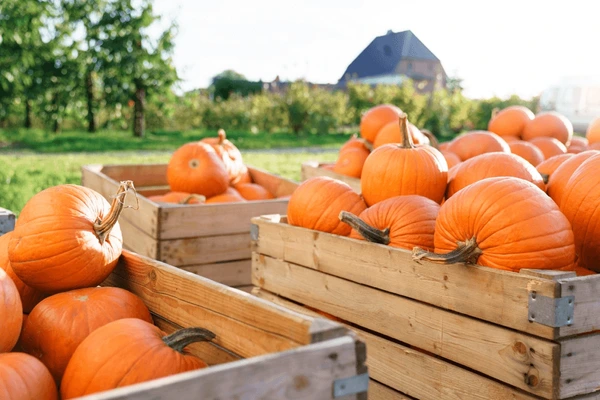
There is a deep satisfaction in planting seeds and watching them grow into plants that will sustain life. My first hands-on experience included:
- Sowing vegetable seeds such as spinach, radishes, and beans.
- Transplanting seedlings into prepared beds.
- Marking rows and spacing plants to ensure healthy growth and easy maintenance.
The act of planting felt like an investment in the future. Each seed represented hope, patience, and the promise of nourishment.
Day 9–11: Watering and Weeding
A major part of farming is consistent care, which I quickly learned includes watering and weeding.
- Watering: I learned how to water gently at the base of plants to reach the roots without disturbing seedlings or encouraging disease.
- Weeding: Pulling out weeds by hand or with simple tools is time-consuming but essential. Weeds compete for nutrients, water, and sunlight.
By these days, my arms were sore, and my back ached, yet there was something meditative about the rhythm of the work. Each weed removed and each plant watered was a small victory.
Day 12–14: Caring for Animals
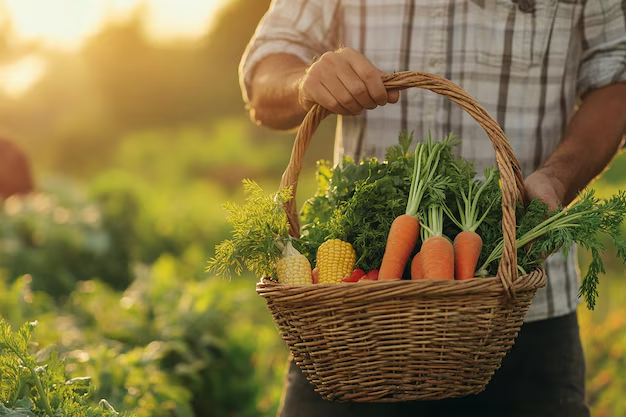
Many countryside farms combine crop cultivation with animal husbandry. During these days, I helped:
- Feed chickens, cows, and goats.
- Collect eggs from the hens each morning.
- Assist with milking cows, learning the traditional methods that have been passed down for generations.
Interacting with the animals taught me patience and empathy. Animals rely on consistent care, and their calm presence added another layer of peace to daily life.
Day 15–17: Experiencing Seasonal Tasks
Farming in the countryside isn’t just about planting and watering; it’s also about timing and seasonal tasks. During this period, I participated in:
- Composting: Learning how organic waste is turned into nutrient-rich fertilizer for crops.
- Pruning plants: Encouraging healthier growth and better yields by removing dead or excessive branches.
- Pest control: Using natural methods to protect crops from insects, such as neem oil or companion planting.
These tasks deepened my understanding of sustainable farming practices and the importance of working with nature rather than against it.
Day 18: Harvesting Early Crops
One of the most rewarding moments in farming is harvesting the fruits of your labor. I had the joy of helping pick:
- Fresh lettuce and spinach, ready for immediate consumption.
- Young beans and radishes that had grown abundantly in just a few weeks.
There was a sense of accomplishment in seeing tangible results from consistent care. The freshness and taste of the vegetables we harvested was incomparable to anything bought from the market.
Day 19: Community and Shared Meals
Life in the countryside is deeply communal. On this day, I joined local farmers and villagers for a shared meal prepared from freshly harvested ingredients.
- Vegetables from the garden were cooked in simple, healthy dishes.
- Conversations flowed easily about farming techniques, seasonal challenges, and village life.
- The meal was a reminder that food is not just nourishment but a way to connect, share, and celebrate effort.
Experiencing this sense of community made me appreciate the social and emotional aspects of countryside life.
Day 20: Reflection and Farewell
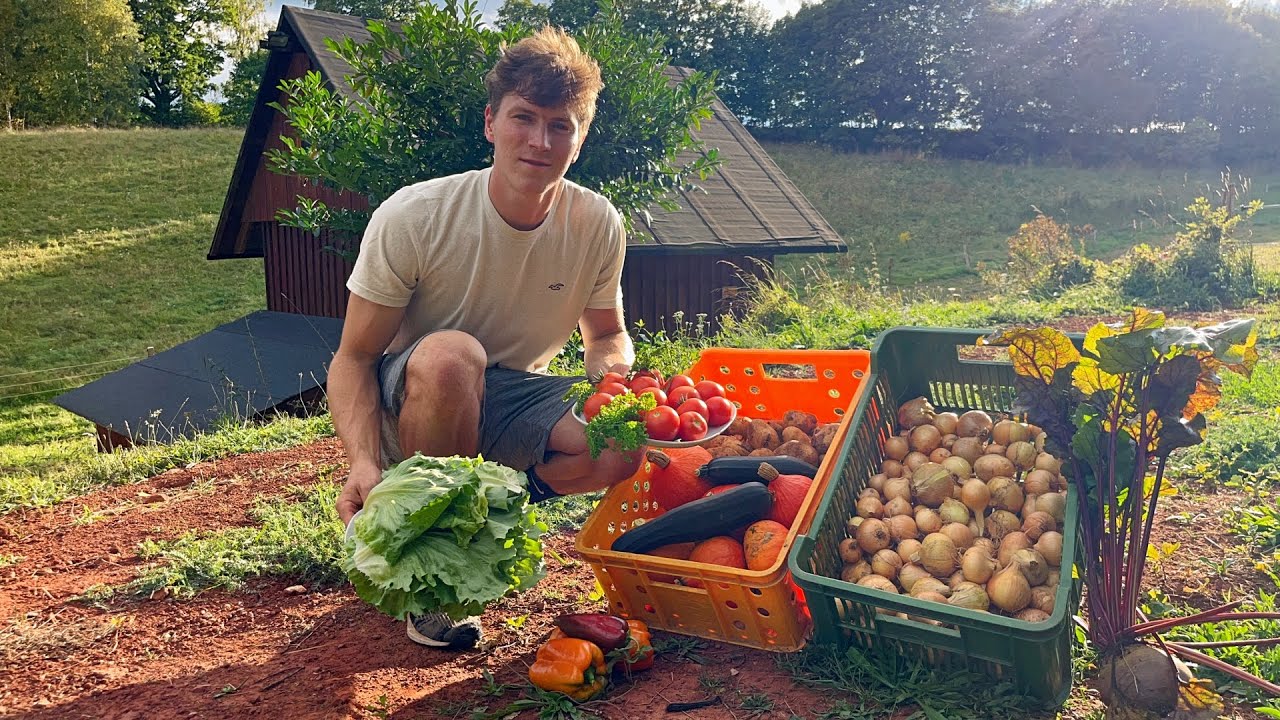
As the 20 days came to an end, I reflected on the lessons learned:
- Patience and rhythm: Farming teaches patience. Plants grow at their own pace, and every stage must be respected.
- Connection to nature: Daily exposure to soil, sun, and water strengthens appreciation for natural cycles.
- Simplicity and mindfulness: The slower pace of life encourages mindfulness and gratitude.
- Reward of effort: Hard work leads to visible, tangible rewards in the form of food, growth, and beauty.
Leaving the countryside was bittersweet. I felt rejuvenated, grounded, and more connected to the natural world.
Lessons from 20 Days of Farming
- Hard work is fulfilling: Though tiring, every task had a purpose, and seeing results made every effort worthwhile.
- Sustainable practices matter: Traditional methods, like crop rotation, composting, and natural pest control, are effective and environmentally friendly.
- Nature follows its own schedule: Farmers must observe and adapt to changing conditions such as rain, sunlight, and pests.
- Community support enhances life: Living and working alongside others fosters learning, sharing, and mutual aid.
- Small steps lead to big results: Daily care, even in small increments, accumulates into a productive, thriving farm.
These lessons extended beyond farming, offering insights applicable to personal growth and everyday life.
The Peaceful Beauty of Countryside Life
Beyond farming tasks, life in the countryside is characterized by a slower pace and natural beauty:
- Sunrises and sunsets: Observing the sun rise over fields or set behind distant hills is calming and grounding.
- Birdsong and wildlife: The constant presence of birds, insects, and small animals creates a harmonious environment.
- Fresh air and open space: Breathing deeply in open fields felt cleansing for both body and mind.
- Mindful routines: Daily chores became meditative, with each action offering purpose and rhythm.
These elements combined to make the 20 days not only productive but profoundly peaceful.
Why Everyone Should Experience Countryside Farming
Spending time on a farm, even for a few weeks, provides invaluable experiences:
- Hands-on learning: From planting seeds to harvesting crops, the lessons are practical and memorable.
- Mental clarity: Time in nature reduces stress, promotes mindfulness, and encourages reflection.
- Appreciation for food: Understanding the effort behind each vegetable fosters gratitude for what we eat.
- Life skills: Patience, observation, and responsibility are nurtured through farming tasks.
Whether as a temporary escape or a longer-term lifestyle change, countryside farming has the power to transform perspectives.
Final Thoughts
These 20 peaceful days of farming in the countryside taught me more than I could have imagined. From early mornings watering crops to evenings spent sharing meals with villagers, every day offered lessons, challenges, and small joys. Life in the countryside slows down, but in that slowness lies beauty, clarity, and fulfillment.
For anyone feeling overwhelmed by modern life, spending time in a garden or on a farm—watching seeds grow, tending plants, and connecting with nature—can be transformative. Farming teaches patience, resilience, and gratitude while providing tangible rewards in the form of fresh, wholesome food.
My 20-day experience was a gentle reminder that life doesn’t always have to be hurried. Sometimes, stepping into the slow, intentional rhythm of the countryside is exactly what we need to reconnect with ourselves, our food, and the world around us.