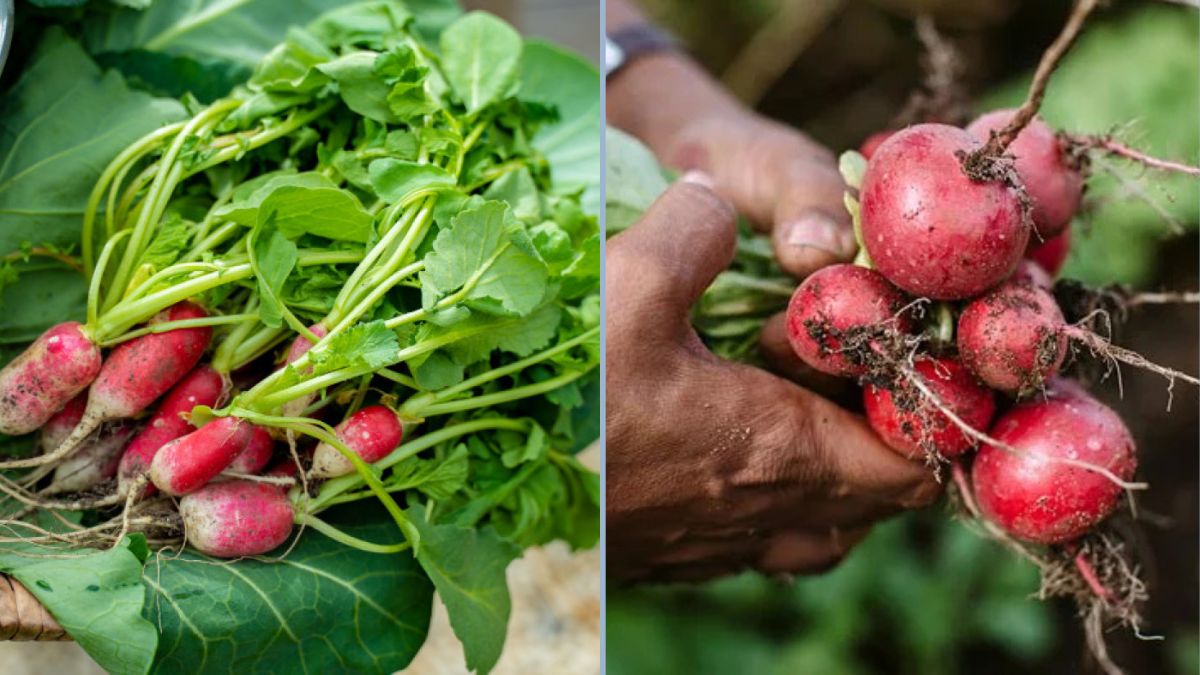
Radishes are one of the easiest and fastest vegetables to grow, making them a favorite among both beginner and experienced gardeners. Among the various varieties, Radish Red Round (RRR) stands out for its crisp texture, vibrant color, and rich flavor. Whether you want to grow radishes for salads, garnishes, or pickles, this variety is ideal because it matures quickly, is highly productive, and can thrive in small spaces. In this comprehensive guide, we will walk you through growing Radish Red Round (RRR) from seed to harvest, step by step, ensuring a healthy, abundant crop.
Why Choose Radish Red Round (RRR)?
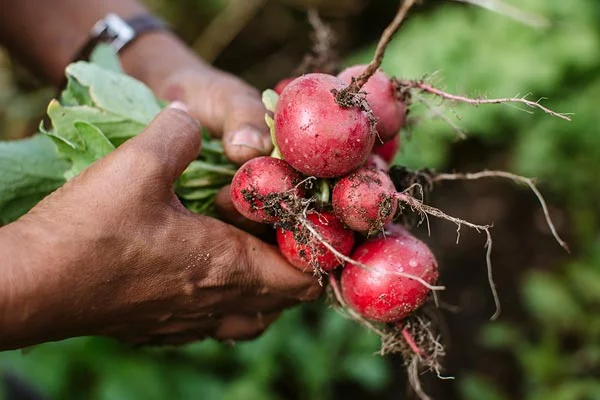
Before diving into the planting process, it’s essential to understand why RRR is a popular choice:
- Fast-growing: Most radishes mature in just 25–30 days, making them perfect for short-term crops.
- Vibrant red color: Adds visual appeal to salads and dishes.
- Crisp texture: Perfect for fresh consumption or light cooking.
- High yield: Produces uniform, round roots in compact spaces.
- Adaptable: Suitable for garden beds, containers, and even balcony planters.
RRR is ideal for both home gardeners and small-scale commercial growers because it delivers quick, consistent results.
Step 1: Preparing the Soil
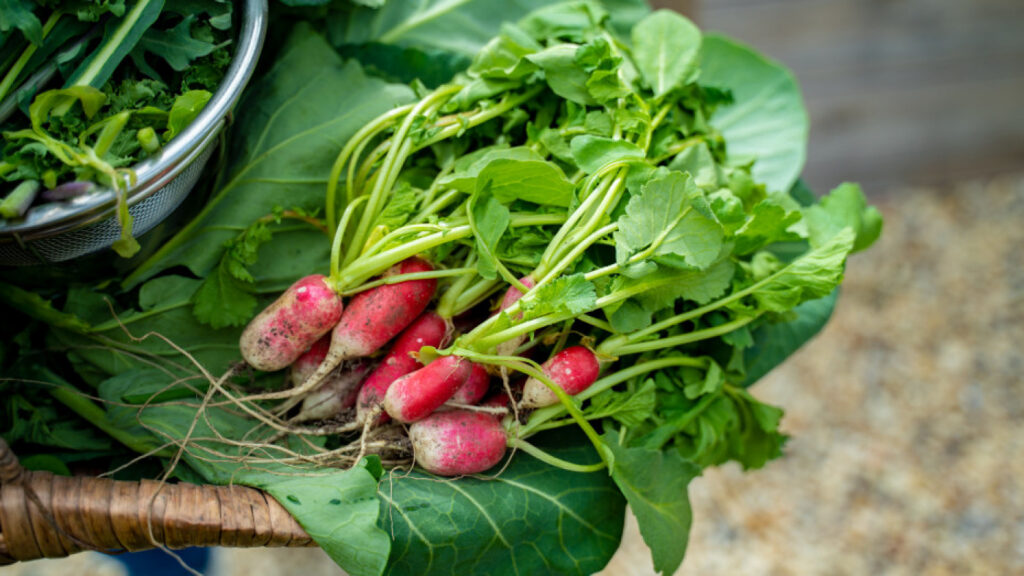
Healthy radishes start with well-prepared soil. RRR thrives in loose, fertile, and well-drained soil with a slightly acidic to neutral pH (6.0–7.0).
Soil preparation steps:
- Clear the planting area of rocks, weeds, and debris.
- Loosen the soil to a depth of 8–10 inches using a spade or tiller.
- Mix in well-rotted compost or organic manure to provide essential nutrients.
- Ensure proper drainage; radishes dislike waterlogged soil, which can cause root rot.
A rich, loose soil ensures roots develop fully, resulting in smooth, round radishes.
Step 2: Selecting and Preparing Seeds
Choosing high-quality seeds is crucial for a strong crop.
- Seed selection: Purchase certified Radish Red Round (RRR) seeds from a reputable supplier.
- Seed preparation: Although not mandatory, soaking seeds in lukewarm water for 6–12 hours can speed up germination.
Healthy seeds produce uniform seedlings that grow into robust plants.
Step 3: Sowing Seeds
Radishes are best sown directly in the garden or container because they do not transplant well.
Planting steps:
- Spacing: Sow seeds about ½ inch deep and 1–2 inches apart. Rows should be 8–10 inches apart.
- Depth: Shallow planting ensures quick germination and prevents seeds from rotting.
- Covering: Lightly cover seeds with fine soil and gently pat down.
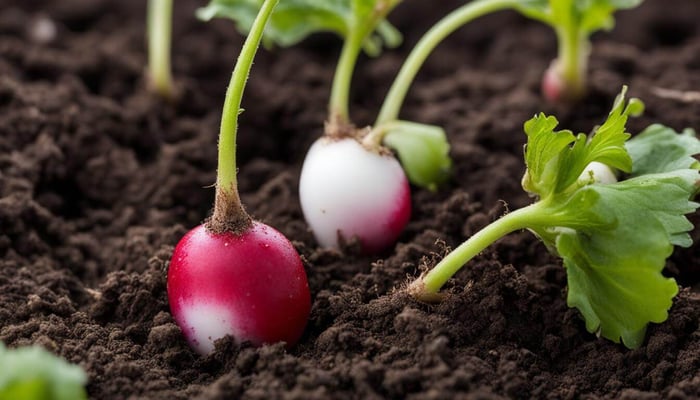
After sowing, water gently to avoid displacing seeds. Germination typically occurs within 4–7 days, depending on temperature and soil conditions.
Step 4: Watering and Moisture Management
Consistent moisture is critical for RRR radishes. Uneven watering can result in cracked or woody roots.
Watering tips:
- Water immediately after sowing and maintain even soil moisture throughout the growing period.
- Avoid waterlogging; radishes thrive in moist but not soggy soil.
- Morning watering is ideal, as it allows foliage to dry during the day, reducing the risk of fungal diseases.
Mulching with straw or dried leaves helps retain soil moisture and keeps roots tender.
Step 5: Thinning Seedlings
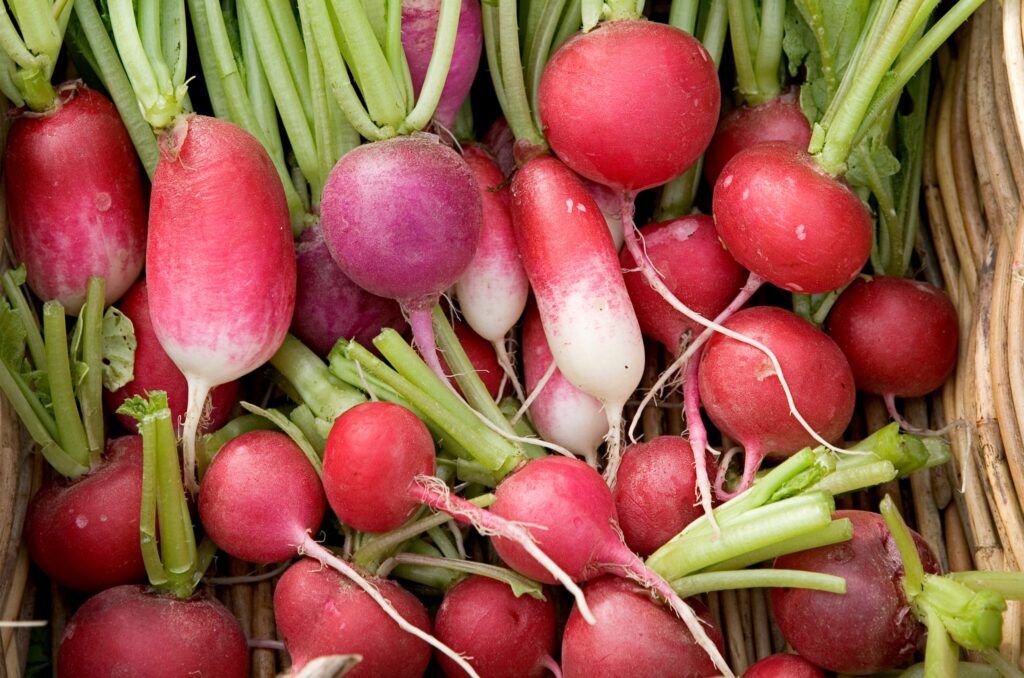
Once seedlings develop 2–3 true leaves, thinning is necessary to ensure proper root growth:
- Spacing: Leave 2–3 inches between plants to avoid overcrowding.
- Technique: Gently remove weaker seedlings, keeping the strongest ones.
Proper spacing allows roots to grow round and uniform, improving both appearance and taste.
Step 6: Fertilization
RRR radishes are fast-growing and light feeders, but providing nutrients ensures better yield and root quality.
Fertilization tips:
- Initial growth: Incorporate a balanced organic fertilizer during soil preparation.
- Growth stage: Use a light nitrogen-based fertilizer to encourage healthy leaves, which support root development.
- Avoid over-fertilization: Excess nitrogen leads to lush foliage but smaller, less flavorful roots.
Compost tea or diluted organic fertilizers applied once or twice during the growth cycle can significantly improve quality.
Step 7: Weed and Pest Management
Weeds compete with radishes for nutrients, while pests can damage leaves and roots.
Weed control:
- Regularly hand-weed around seedlings to reduce competition.
- Mulching helps suppress weed growth.
Common pests:
- Aphids: Small insects that feed on leaves; spray neem oil or use insecticidal soap.
- Root maggots: Lay eggs near radish roots; crop rotation and row covers can prevent infestations.
Early monitoring and preventive measures ensure a healthy, uninterrupted growth cycle.
Step 8: Growing Conditions and Care
RRR radishes prefer cool weather and thrive in spring and autumn.
Key growth requirements:
- Temperature: Ideal between 50–70°F (10–21°C).
- Sunlight: Full sun or partial shade. At least 4–6 hours of sunlight ensures crisp roots.
- Air circulation: Adequate spacing prevents fungal issues and encourages strong growth.
Consistent care during these weeks ensures fast-growing, vibrant roots.
Step 9: Monitoring Growth
Regular observation helps identify problems early and ensures uniform development:
- Check soil moisture daily.
- Inspect leaves for pests or diseases.
- Observe root development by gently digging around one plant to see size and shape.
Monitoring ensures corrective actions can be taken promptly, maintaining a healthy crop.
Step 10: Harvesting
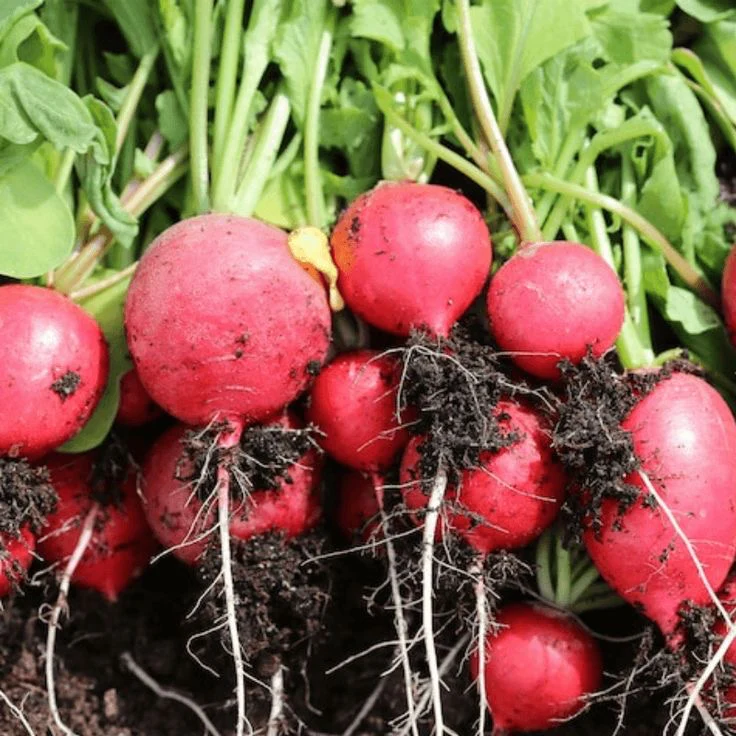
Radish Red Round (RRR) matures quickly, usually in 25–30 days from sowing.
Harvesting tips:
- Harvest when roots are bright red, firm, and round.
- Avoid leaving radishes in the soil too long; they may become woody or develop cracks.
- Pull gently from the base to avoid breaking the roots.
Regular harvesting also encourages continuous growth, especially if multiple sowings are planned.
Step 11: Post-Harvest Handling
Proper post-harvest handling maintains freshness and flavor:
- Cleaning: Remove excess soil by gently rinsing.
- Storage: Store in a cool, shaded area or refrigerator to maintain crispness.
- Consumption: Best eaten fresh for maximum flavor, though they can also be pickled or lightly cooked.
Freshly harvested RRR radishes are crisp, slightly peppery, and ideal for salads, sandwiches, or garnishes.
Step 12: Tips for Success
To ensure a bountiful Radish Red Round (RRR) harvest, follow these additional tips:
- Succession planting: Sow seeds every 2–3 weeks to enjoy a continuous harvest.
- Avoid heavy rain: Excess water can cause roots to crack; raised beds or gentle watering helps.
- Use row covers: Protect young seedlings from pests while allowing sunlight and air.
- Rotate crops: Avoid planting radishes in the same soil repeatedly to prevent soil-borne diseases.
- Regular observation: Healthy radishes require daily attention, even for a short growing period.
These practices improve yield, quality, and overall plant health.
Why Growing RRR Radishes is Rewarding
Radish Red Round (RRR) is an excellent vegetable to grow for several reasons:
- Quick results: From seed to harvest in just a month, perfect for beginner gardeners.
- High productivity: Compact plants produce uniform roots, making efficient use of space.
- Nutritional value: Rich in vitamins, minerals, and antioxidants.
- Versatility: Can be eaten raw, pickled, or lightly cooked.
- Satisfying process: Watching seeds grow into vibrant roots provides a sense of accomplishment.
Growing RRR radishes also teaches important gardening skills, from soil preparation to pest management.
Final Thoughts
Growing Radish Red Round (RRR) from seed to harvest is a straightforward yet rewarding gardening endeavor. With proper planning, soil preparation, watering, fertilization, and pest management, you can enjoy vibrant, crisp radishes in as little as 25–30 days. Whether in a backyard garden, raised bed, or container, this variety offers fast results, continuous harvests, and delicious flavor.
By following these steps, you’ll not only enjoy fresh, homegrown vegetables but also gain a deeper understanding of plant growth, care, and the satisfaction of producing your own food. Radish Red Round (RRR) is an ideal vegetable to start with, offering both speed and abundance, making every gardening effort worthwhile.