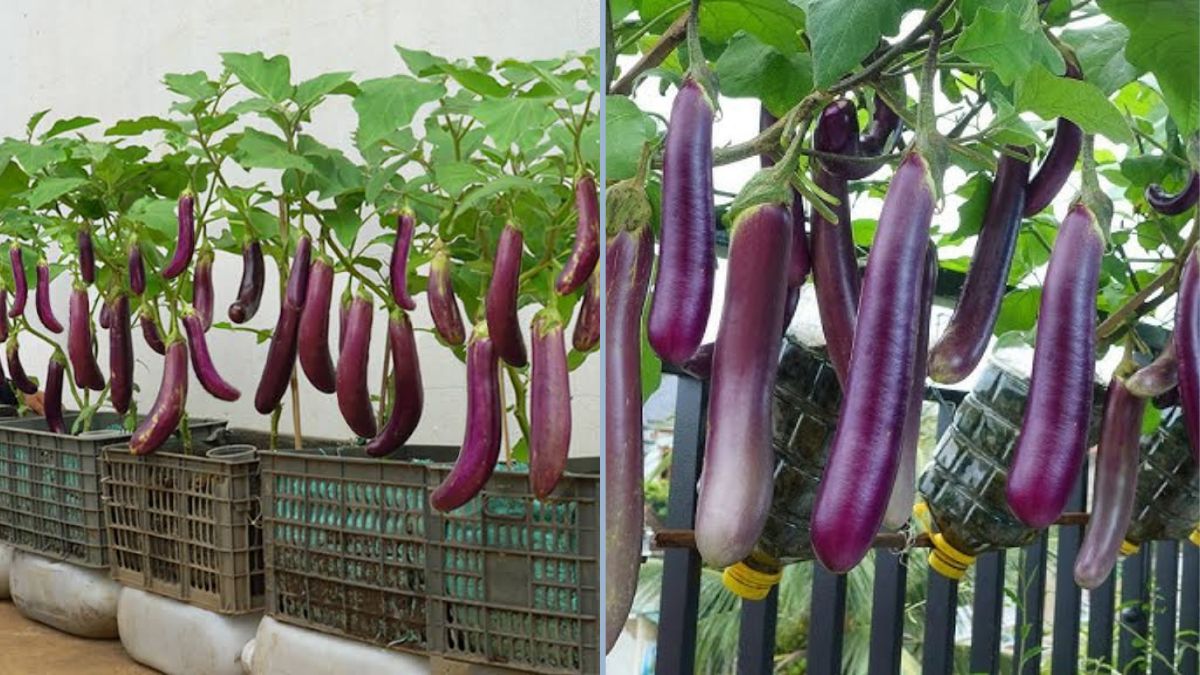
If you’ve ever tried growing eggplants and ended up with spindly stems, sparse fruits, or plants that seemed to struggle no matter how much care you gave them, you’re not alone. For years, I treated eggplants the same way I treated tomatoes and peppers—plant them, water regularly, give a little fertilizer, and wait for the harvest. But after stumbling upon a powerful growing trick (that I can’t believe I didn’t know sooner), my eggplant yields improved dramatically. Today I’m going to walk you through that strategy in depth, along with everything else you need to know to help your plants thrive.
This isn’t just a minor improvement—it’s the kind of game-changing method that transforms weak, unproductive plants into heavy-bearing, disease-resistant champions. Whether you’re growing in raised beds, containers, or in-ground gardens, you can put this trick to use right away.
Understanding Why Eggplants Struggle
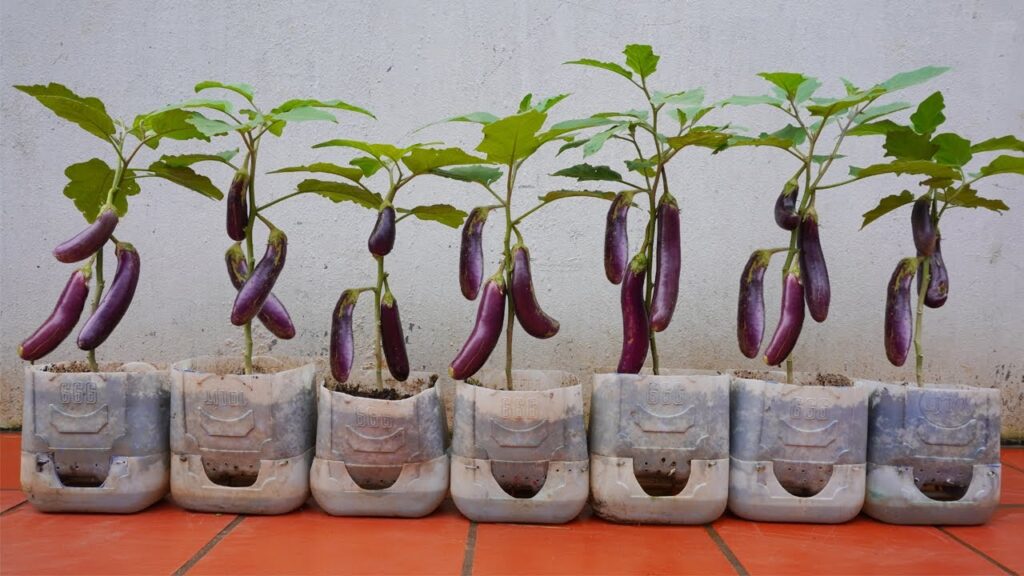
Before getting into the trick, it’s important to understand why many gardeners experience disappointing results with eggplants. These plants love heat, rich soil, and consistent care, but many of our gardening habits don’t naturally align with their needs.
Here are some of the most common issues:
- Poor Early Root Development: Eggplants are often planted shallowly or in compact soil, limiting root growth.
- Inconsistent Moisture: Fluctuations between dry and soggy conditions stress the plant and reduce flowering.
- Lack of Support: The stems can become brittle and weak as fruit sets, causing flowers or small eggplants to break off.
- Nutrient Imbalance: Too much nitrogen leads to leafy growth but minimal fruiting.
- Flower Drop Due to Heat Stress: When temperatures swing too drastically, blossoms fall off before producing.
The trick I discovered addresses several of these problems at once, and it begins at planting time.
The Eggplant Trick: Deep Planting with Root Boosters and Mulch
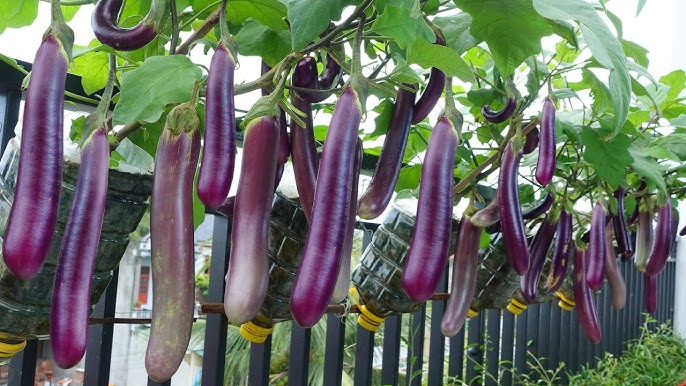
The simple yet powerful technique I wish I’d learned sooner involves planting eggplants deeper than most guides recommend, enhancing their root system early, and sealing in moisture with mulch. Here’s how it works and why it makes such a difference.
1. Deep Planting for Stronger Roots
Like tomatoes, eggplants can grow extra roots along buried stems. By planting 3–4 inches deeper than the root ball, you encourage a more extensive root system. More roots mean stronger plants, better nutrient absorption, and higher tolerance to heat and drought.
2. Root Zone Enrichment
Before planting, sprinkle a handful of compost or well-rotted manure into the hole. Some gardeners add a tablespoon of bone meal or worm castings to jumpstart growth. This concentrated nutrition right at the root zone fuels rapid development.
3. A Layered Watering Funnel (Optional But Powerful)
A gardening trick that pairs beautifully with deep planting involves burying a perforated plastic bottle or short PVC pipe alongside the plant. Pour water directly into it so moisture reaches the deeper root system—no runoff, no waste.
4. Immediate Mulching
As soon as you plant, cover the soil with 2–3 inches of straw, shredded leaves, or grass clippings. Mulching locks in moisture, regulates temperature, and discourages weeds. Eggplants are sensitive to soil dryness, so mulch acts as insurance.
5. Gentle Early Support
Even if the stems seem small, insert a stake early so the plant has support as it grows. Flowers and fruits won’t snap stems if the base is already stable.
Why This Trick Works
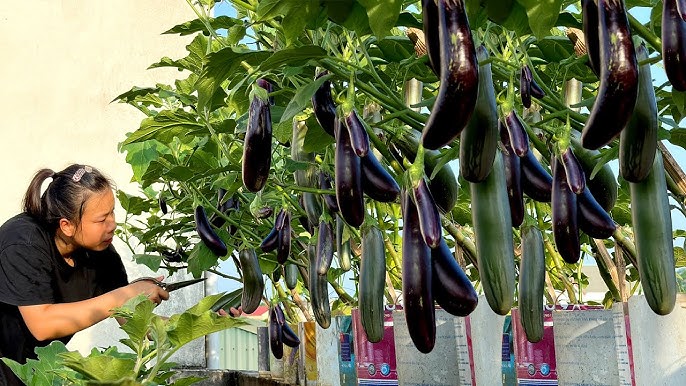
Deep planting and root enrichment boost the plant’s stability and strength long before heat and pest pressures peak. When summer temperatures rise, these plants are ready:
- Better drought resistance
- More efficient nutrient uptake
- Improved disease resistance
- Less blossom drop
- Stronger stems supporting heavier fruits
What looks like a small extra effort during planting ends up reducing stress and maintenance for the entire growing season.
Soil Preparation: Build the Foundation
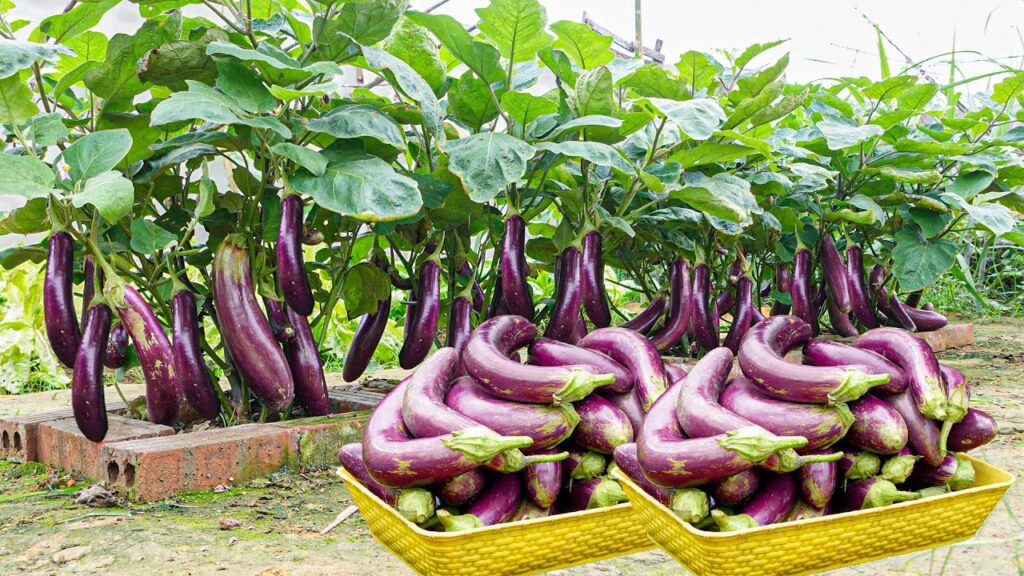
To maximize the trick’s effectiveness, start with soil preparation. Eggplants thrive in:
- Well-draining, loamy soil
- pH between 5.5 and 7.0
- High organic matter
Before planting, loosen the soil to a depth of 10–12 inches and mix in compost. If your native soil is heavy clay or extremely sandy, consider raised beds or large containers (at least 5 gallons per plant).
Container vs. In-Ground Growing
This trick works in both settings, but each has slight modifications:
In-Ground or Raised Beds
- Dig a deeper planting hole, 8–10 inches
- Incorporate compost into the bottom layer
- Mulch heavily after planting
Containers
- Choose a deep pot to allow burial of part of the stem
- Use a rich potting mix with compost blended in
- Mulch the top with straw or dried leaves
One advantage of containers is temperature control—dark pots absorb heat, which eggplants love.
Aftercare: Feeding and Watering
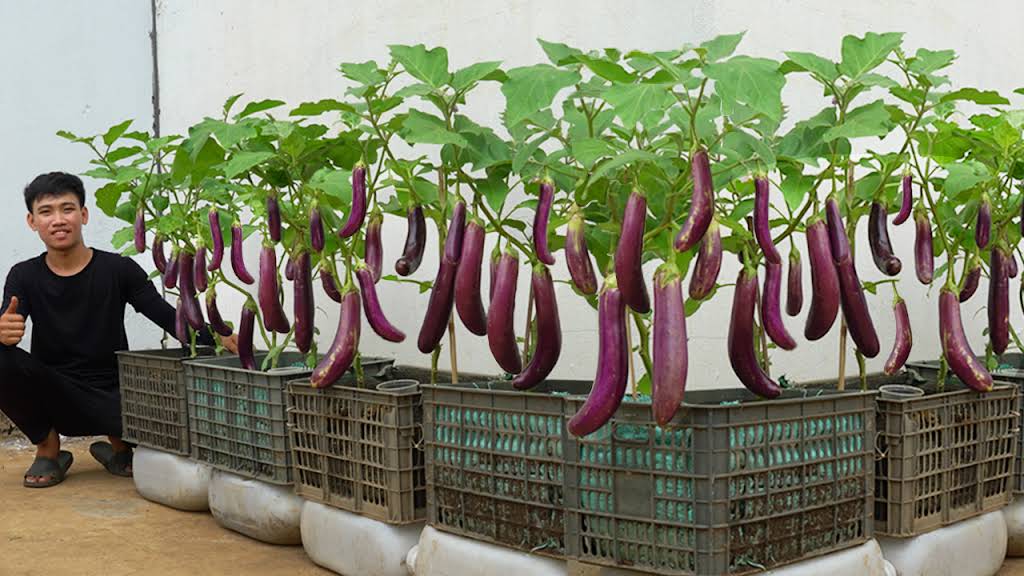
With a strong root system established, your plant is already ahead of the curve. To keep it thriving:
Watering
- Water slowly and deeply 2–3 times a week, depending on climate
- Use the buried bottle or pipe for direct root watering
- Avoid overhead watering to reduce fungal risk
Fertilizing
- At planting: compost and bone meal
- Mid-season: switch to a balanced or low-nitrogen fertilizer (like 5-10-10)
- Every 3–4 weeks: side-dress with compost tea or worm castings
Too much nitrogen will create huge leaves with no fruit, so moderation is key.
Pruning, Pinching, and Support
Eggplants benefit more from pruning than most beginner gardeners realize. Once your plant reaches about 12–15 inches tall, pinch off the top to encourage branching. Three to four main stems are ideal for airflow and productivity.
Remove any leaves touching the ground and pinch off suckers that steal energy from the main branches. Tie each stem loosely to a stake or tomato cage to prevent breakage during fruiting or wind.
Dealing with Pests and Problems
Stronger roots lead to healthier plants, but common pests still try their luck. Here’s how to stay ahead:
Flea Beetles
They pepper leaves with holes early in the season. Use row covers until plants are established, then apply neem oil if needed.
Aphids and Spider Mites
Blast them off with water or use insecticidal soap.
Blossom End Rot
Triggered by irregular watering and calcium imbalance—mulch and deep watering help prevent it.
Flower Drop
Often heat-related. The stronger root system from the deep planting trick helps plants tolerate temperature swings.
Companion Planting for Better Growth
Some plants naturally support eggplant development. Consider adding:
- Marigolds – deter nematodes and pests
- Basil – attracts pollinators and repels insects
- Beans – fix nitrogen and improve soil fertility
- Thyme or oregano – provide ground cover and pest deterrent
Keep eggplants away from other heavy feeders like corn to prevent nutrient competition.
Harvesting for Best Flavor
Once your plants start producing, don’t wait too long to harvest. Overripe eggplants become bitter, seedy, and tough. Here’s what to look for:
- Glossy, firm skin
- Slight give when gently pressed
- Small to medium size, depending on variety
Use garden shears or a knife to cut fruits off with a bit of stem attached. Pulling can damage the branches.
Frequent harvesting encourages the plant to keep producing—another benefit of the early foundational care.
Final Thoughts: A Small Shift with Big Rewards
The trick of deep planting with root enrichment and immediate mulching might sound obvious to seasoned gardeners, but many of us never applied it to eggplants. I certainly didn’t—until I saw someone do it with incredible results. Once I tried it myself, I realized how much yield I’d been missing.
This single adjustment:
- Cuts down on maintenance
- Enhances plant strength
- Improves flowering and fruit set
- Extends harvest periods
- Reduces stress from heat and pests
If you’re planning a garden this season—or even just one or two potted eggplants—apply this method from the start. It doesn’t take extra time, just a shift in how you approach planting. And when your plants are loaded with glossy, beautiful fruits weeks ahead of your neighbors’, you’ll wonder why you didn’t hear about it sooner too.