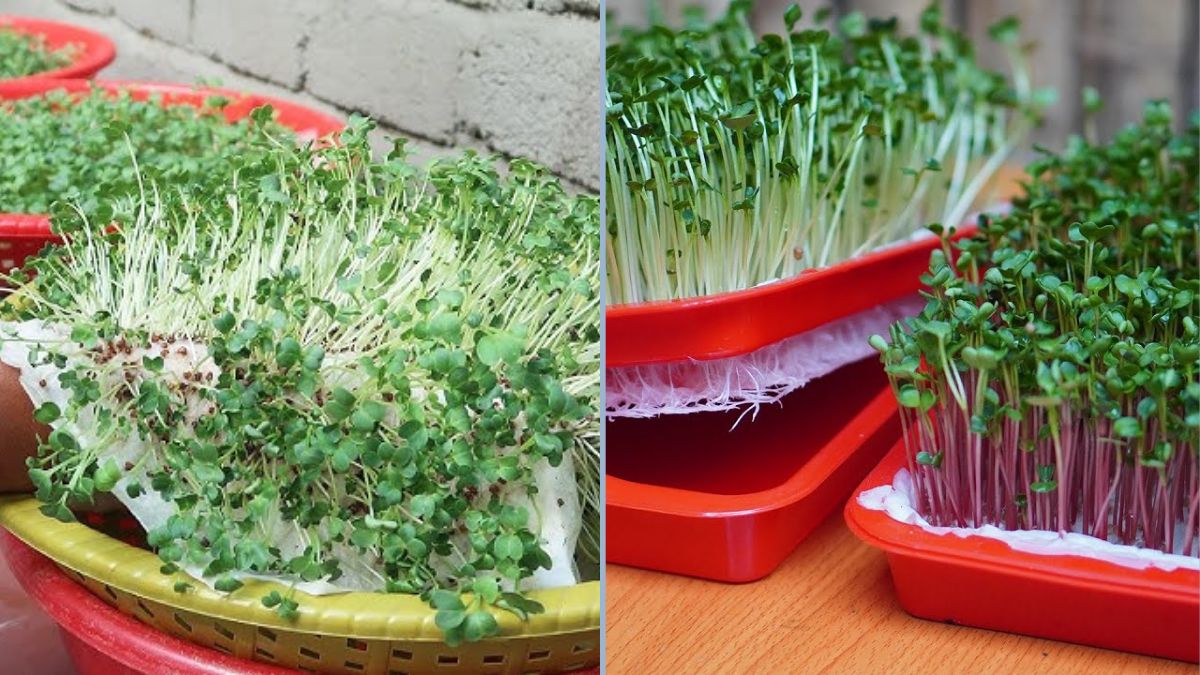
Not everyone has a backyard garden or access to fertile soil, but that doesn’t mean you can’t grow fresh, nutrient-rich vegetables at home. With the right method, you can cultivate sprouts and microgreens indoors without soil, enjoying a high-yield, cost-effective, and incredibly healthy source of greens year-round.
Growing vegetables without a garden is perfect for apartment dwellers, urban homes, or anyone looking to maximize space. Sprouts and microgreens are not only simple to grow but also packed with vitamins, minerals, and antioxidants. In this step-by-step guide, we’ll explore how to grow sprouts without soil, optimize yields, and ensure your homegrown greens are fresh and safe to eat.
Why Grow Sprouts Without Soil?
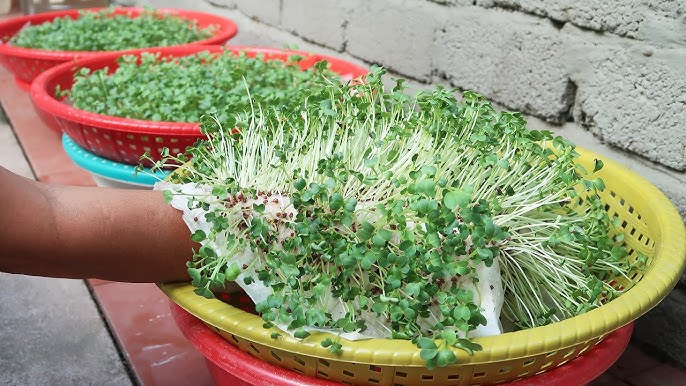
Growing sprouts without soil offers numerous benefits:
- Space Efficiency: Perfect for small kitchens, balconies, or apartments.
- Fast Growth: Most sprouts are ready to eat in just a few days.
- Cost-Effective: Seeds are inexpensive and produce multiple harvests.
- Nutrient-Rich: Sprouts contain concentrated vitamins, minerals, and enzymes.
- No Pesticides Needed: Indoor growing reduces exposure to pests and chemicals.
This method is ideal for beginners and experienced gardeners alike, providing fresh, homegrown vegetables without the need for traditional gardening.
Choosing the Right Seeds
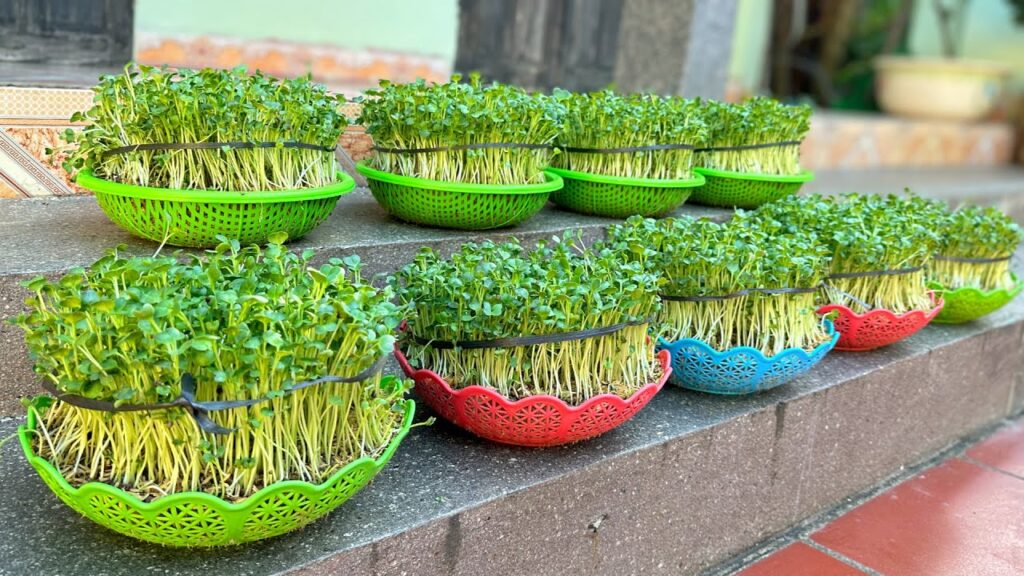
The first step to successful sprout cultivation is selecting quality seeds. Not all seeds are suitable for sprouting, so choose those labeled for sprouting or consumption. Popular options include:
- Alfalfa: Mild flavor, high in vitamins A, C, and K.
- Mung Beans: Crunchy, protein-rich, and great for salads or sandwiches.
- Broccoli: Packed with antioxidants and easy to grow.
- Radish: Spicy flavor, rich in vitamin C.
- Lentils: High in protein and fiber.
- Sunflower: Nutty flavor, great for sandwiches or snacks.
Always use fresh, untreated seeds. Organic seeds are preferred for the best taste and health benefits.
Equipment Needed
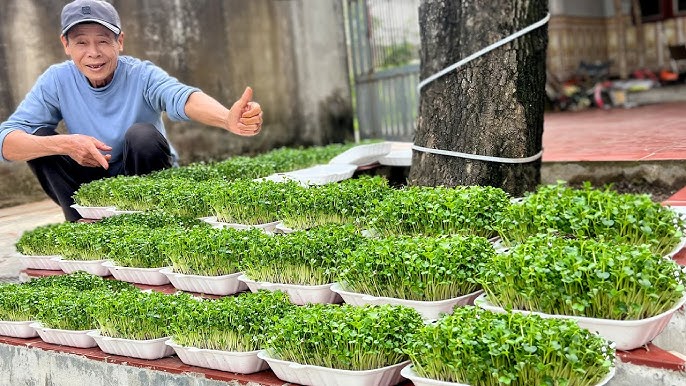
Growing sprouts without soil requires minimal equipment:
- Seeds: Choose 1–2 types for a mix or single variety.
- Jar or Tray: Wide-mouth jars, sprouting trays, or shallow containers work well.
- Mesh Lid or Cheesecloth: Allows water drainage and airflow.
- Water: Clean, filtered water is best to prevent contamination.
- Spray Bottle: Useful for misting when using trays.
This simple setup makes it possible to grow sprouts even in tight spaces, like a kitchen countertop or near a window.
Step-by-Step Guide to Growing Sprouts Without Soil
Step 1: Soak the Seeds
Soaking seeds before sprouting helps kickstart germination.
- Place 1–2 tablespoons of seeds in a jar or bowl.
- Cover with clean water (approximately 2–3 times the volume of seeds).
- Soak for 6–12 hours depending on the seed type (mung beans and lentils need longer).
- Drain the water and rinse seeds thoroughly.
Step 2: Drain and Store Properly
After soaking, proper drainage is crucial to prevent mold or rot:
- If using a jar, cover with a mesh lid or cheesecloth and invert at an angle to drain excess water.
- If using a tray, spread seeds evenly and avoid overcrowding.
- Keep the container in a dark, warm place (around 70°F/21°C) to encourage sprouting.
Step 3: Rinse and Drain Regularly
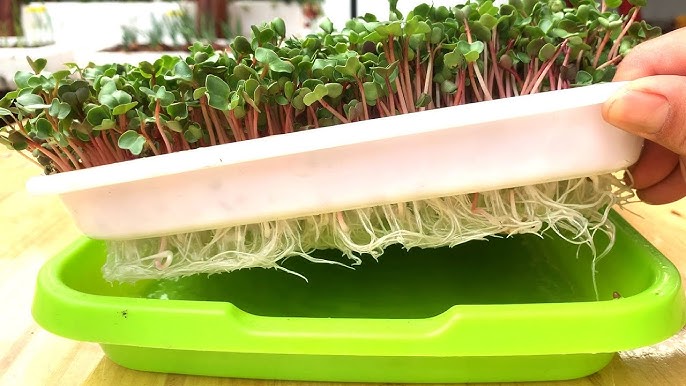
Rinse seeds 2–3 times daily with clean water and drain thoroughly each time.
- Mung beans, lentils, and alfalfa typically sprout in 3–5 days.
- Ensure seeds are moist but not waterlogged.
- Regular rinsing prevents bacterial growth and promotes healthy sprouts.
Step 4: Provide Light for Green Sprouts
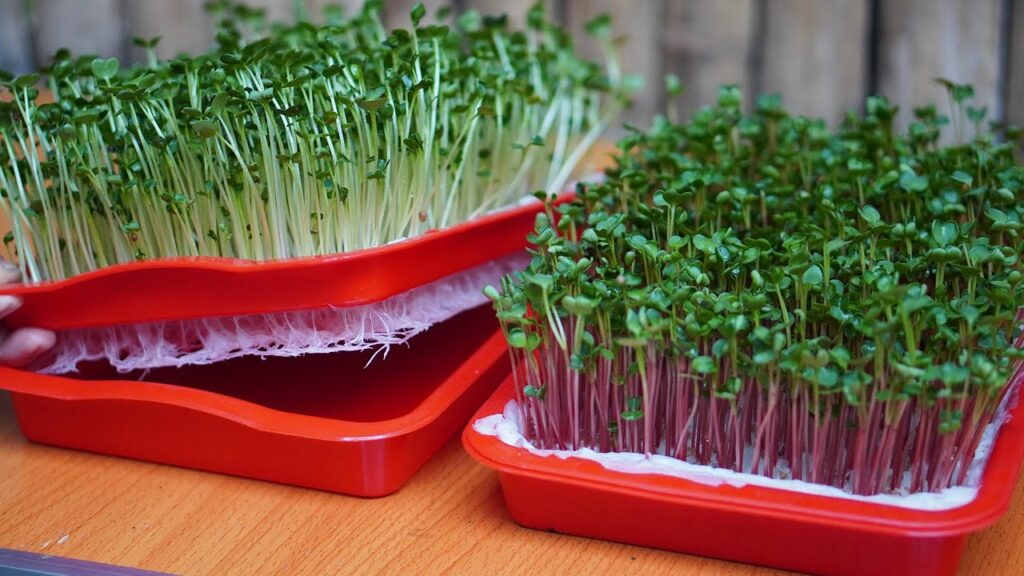
Once sprouts begin to grow small roots and shoots (usually after 2–3 days), move them to indirect sunlight to develop chlorophyll and turn green.
- Avoid direct sunlight, which may dry them out.
- Place near a bright window or under a fluorescent grow light for 2–4 hours daily.
Step 5: Harvest at the Right Time
Harvest sprouts when they are tender, green, and about 1–3 inches long, depending on the variety:
- Alfalfa and broccoli sprouts: 4–6 days
- Mung bean sprouts: 5–7 days
- Sunflower sprouts: 7–10 days
Use clean scissors to snip the sprouts near the base. Rinse thoroughly before eating or storing.
Storage and Shelf Life
Freshly harvested sprouts should be stored in the refrigerator for up to 5–7 days. Tips for storage:
- Use an airtight container lined with a paper towel to absorb moisture.
- Rinse lightly before use if needed.
- Avoid overcrowding, as this can accelerate spoilage.
Tips for High-Yield Sprouting
Achieving high yields without soil requires attention to seed quality, water, and space:
- Seed Quality: Use fresh seeds with high germination rates. Avoid old or damaged seeds.
- Proper Rinsing: Rinse 2–3 times daily to prevent rot and fungal growth.
- Adequate Drainage: Never let seeds sit in water for extended periods.
- Even Spreading: Avoid overcrowding to ensure air circulation and uniform sprouting.
- Consistent Temperature: Maintain a warm environment around 70°F for optimal growth.
By following these steps, even small spaces can produce large amounts of sprouts efficiently.
Nutritional Benefits of Sprouts
Sprouts are a powerhouse of nutrients:
- Vitamins: High in vitamin C, A, K, and B complex.
- Minerals: Rich in iron, magnesium, potassium, and calcium.
- Protein: Especially in lentils, mung beans, and sunflower seeds.
- Enzymes: Aid digestion and improve nutrient absorption.
- Antioxidants: Help combat oxidative stress and boost immunity.
Adding sprouts to your diet is an excellent way to supplement fresh greens without relying on soil-grown vegetables.
Creative Ways to Use Sprouts
Sprouts are versatile and can be incorporated into meals in many ways:
- Salads: Mix with leafy greens, tomatoes, cucumbers, and dressing.
- Sandwiches and Wraps: Add crunchy texture and flavor.
- Stir-Fries: Lightly sauté mung bean sprouts or sunflower sprouts.
- Smoothies: Blend soft sprouts like alfalfa or broccoli into smoothies for a nutrient boost.
- Soups and Curries: Add sprouts at the end of cooking to retain nutrients.
The flavor ranges from mild and nutty to slightly peppery, making sprouts a versatile addition to any meal.
Advantages of Sprouting Without Soil
Growing sprouts without soil is not only convenient but also environmentally friendly:
- No Land Required: Perfect for urban settings and indoor gardening.
- Minimal Resources: Requires little water, space, or fertilizers.
- Rapid Growth: Sprouts grow much faster than traditional vegetables.
- Continuous Harvest: With proper planning, you can have fresh sprouts year-round.
- Safe and Clean: Reduces risk of soil-borne pests or contaminants.
Final Thoughts
Growing vegetables without a garden by sprouting seeds is one of the easiest, most rewarding ways to enjoy fresh greens at home. Whether you live in an apartment, have limited outdoor space, or want a sustainable source of nutritious vegetables, sprouts provide a high-yield solution that’s both simple and impressive.
By selecting quality seeds, maintaining proper water and drainage, and providing light and warmth at the right time, you can enjoy fresh, crunchy, and nutrient-packed sprouts in just a few days. With a little patience and consistent care, even beginners can achieve a flourishing indoor “garden” without soil.