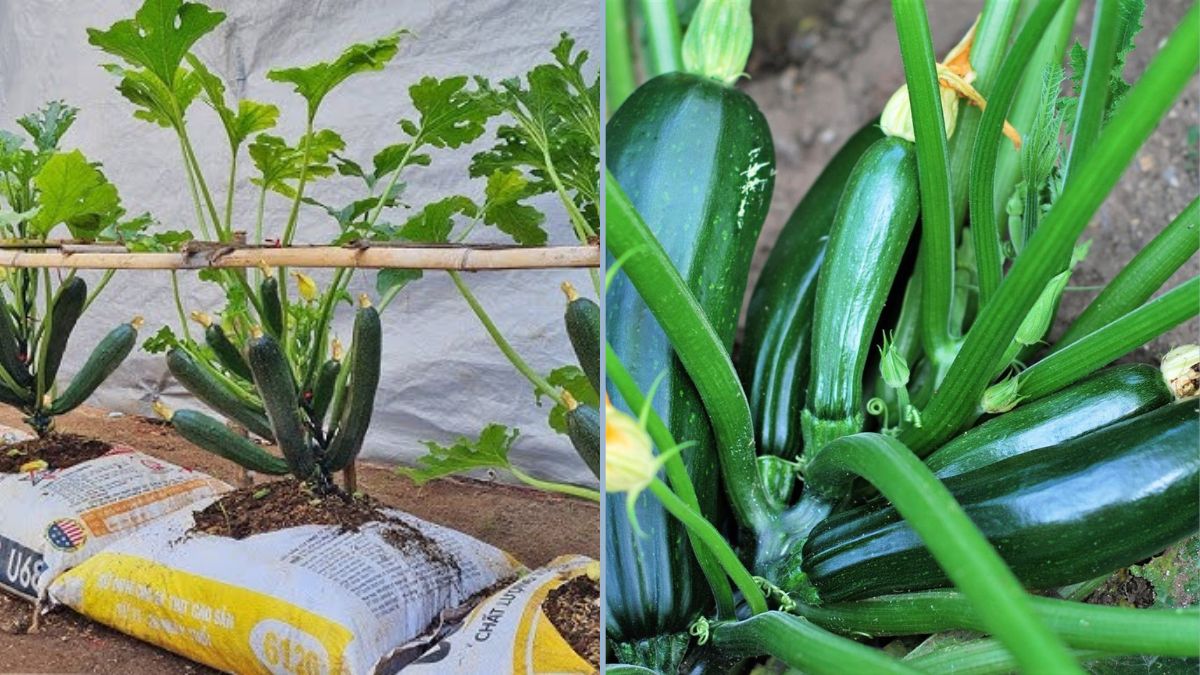
Zucchini is one of the most versatile and rewarding vegetables to grow at home. Fresh, tender, and nutritious, it can be sautéed, grilled, baked, or even spiralized into healthy noodles. But what if you don’t have a garden bed, raised plots, or large yard space? The solution might be hiding in your storage area: old sacks.
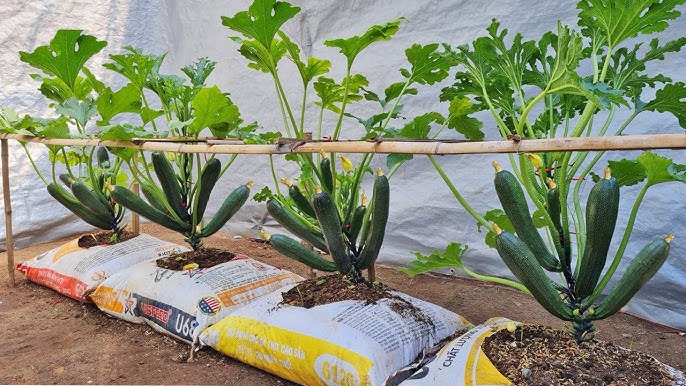
Instead of discarding those worn-out sacks, you can repurpose them as planters for growing zucchini. This method is simple, eco-friendly, and highly productive. By using sacks, you can cultivate zucchinis anywhere—from small balconies and terraces to indoor spaces with sufficient sunlight. Not only does it save space and reduce waste, but it also allows urban gardeners to enjoy fresh vegetables year-round.
In this step-by-step guide, we’ll explore how to grow zucchini in sacks, covering everything from soil preparation and planting to care, pest management, and harvesting for high yields.
Why Grow Zucchini in Sacks?
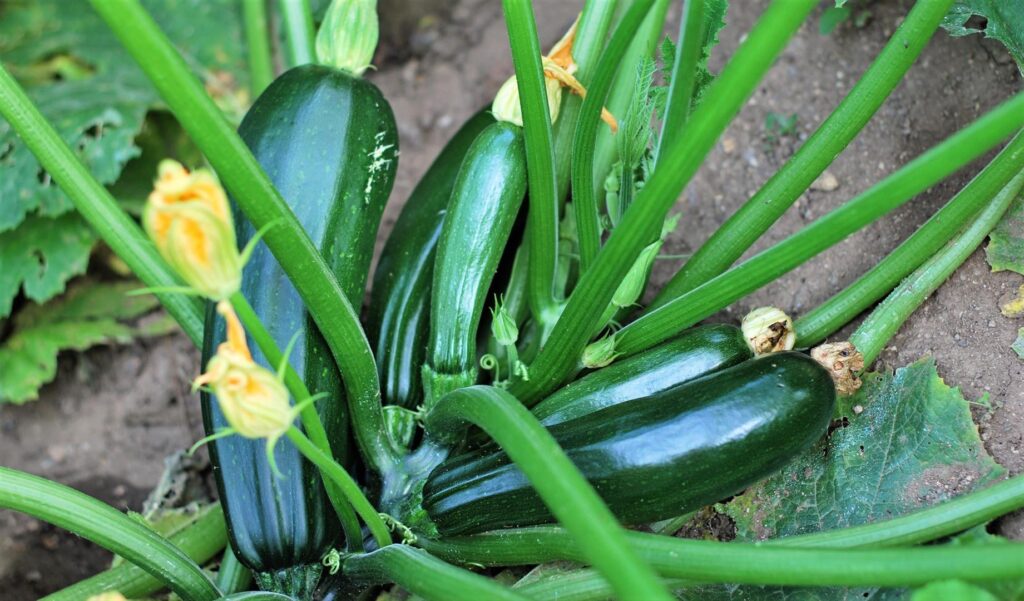
Growing zucchini in sacks offers several benefits:
- Space-Saving: Perfect for balconies, terraces, or even indoors.
- Cost-Effective: Repurposes old sacks, reducing the need for expensive pots or raised beds.
- Mobility: Sacks are portable, so you can move plants to optimize sunlight or protect from harsh weather.
- Controlled Growth: Easier to manage soil quality, water, and nutrients.
- Eco-Friendly: Reduces plastic or textile waste by giving old sacks a new purpose.
This method is particularly ideal for urban dwellers or gardeners with limited outdoor space.
Choosing the Right Sacks
Not every sack is suitable for growing zucchini. Consider the following:
- Size: Use sacks that are at least 18–24 inches deep to accommodate zucchini’s root system. Wider sacks yield bigger, healthier plants.
- Material: Jute, burlap, or thick woven sacks work well. Avoid chemically treated or synthetic sacks that may leach harmful substances.
- Drainage: Punch or cut several holes at the bottom to prevent waterlogging. Proper drainage is crucial for zucchini, which dislikes soggy roots.
Preparing Sacks for Planting
Once you have the sacks, preparation is key for successful zucchini cultivation:
- Clean the Sacks: Wash them to remove dust, debris, or residues that could harm plants.
- Add a Drainage Layer: Place 1–2 inches of gravel, broken clay pieces, or small stones at the bottom to improve drainage.
- Prepare Soil Mixture: Fill sacks with nutrient-rich soil. A mix of garden soil, compost, and coco peat or vermiculite ensures proper aeration, moisture retention, and fertility.
- Optional Fertilizer Boost: Incorporate slow-release organic fertilizers or well-rotted manure for healthy growth.
Selecting Zucchini Varieties
Choosing the right zucchini variety is essential, especially for container or sack gardening:
- Bush Varieties: Compact plants that require minimal support and fit well in sacks. Examples: ‘Bush Baby,’ ‘Black Beauty Bush.’
- Vining Varieties: Produce more fruits but may need trellising or support. Examples: ‘Cocozelle,’ ‘Tromboncino.’
Bush varieties are generally recommended for sacks due to their compact growth habit, making them easier to manage in limited spaces.
Planting Zucchini in Sacks
Planting zucchini in sacks is straightforward but requires attention to spacing and depth:
- Sowing Seeds: Sow 2–3 seeds per sack, about 1 inch deep.
- Thinning: Once seedlings emerge, thin to one strong plant per sack to avoid overcrowding.
- Spacing: Ensure adequate space for leaves and vines to grow without overlapping.
- Watering: Water gently after planting to settle the soil. Keep the soil consistently moist but not waterlogged.
Supporting Your Zucchini Plants
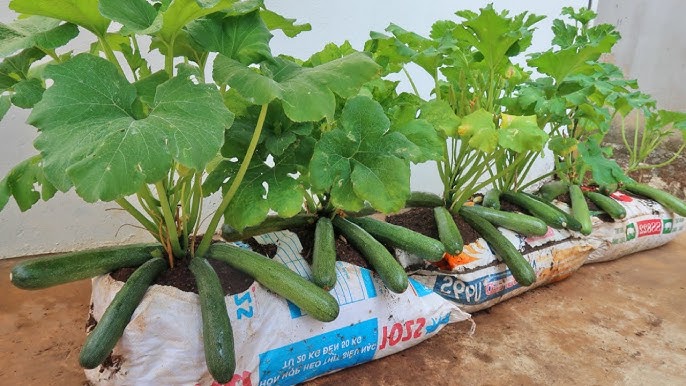
While bush varieties generally stay compact, vining zucchinis benefit from support:
- Trellises or Stakes: Use bamboo stakes, wire mesh, or sticks to support vines.
- Container Placement: Position sacks where vines have space to grow upward, reducing the risk of leaf diseases and improving airflow.
Providing support keeps fruits off the soil, reduces fungal infections, and makes harvesting easier.
Watering and Fertilizing
Zucchinis are heavy feeders and require consistent care:
Watering
- Frequency: Water regularly, especially during hot weather. Soil should be moist but not soggy.
- Technique: Water at the base of the plant, avoiding wetting leaves to prevent fungal infections.
Fertilizing
- Young Plants: Use a balanced fertilizer every 2–3 weeks to encourage healthy growth.
- Flowering and Fruiting: Apply a potassium-rich fertilizer to support flowering and fruit development.
- Organic Alternatives: Compost tea, fish emulsion, or liquid seaweed provide natural nutrition for zucchini.
Pest and Disease Management
Even in sacks, zucchini can face common pests and diseases. Regular observation and timely intervention are crucial:
- Aphids: Small green or black insects; spray with water or neem oil.
- Powdery Mildew: White powder on leaves; ensure proper spacing and airflow.
- Squash Bugs: Feed on leaves; remove manually or use organic insecticides.
Maintaining healthy soil, proper watering, and adequate spacing can prevent most common issues.
Harvesting Zucchini
Zucchini grows quickly, and frequent harvesting encourages continuous production:
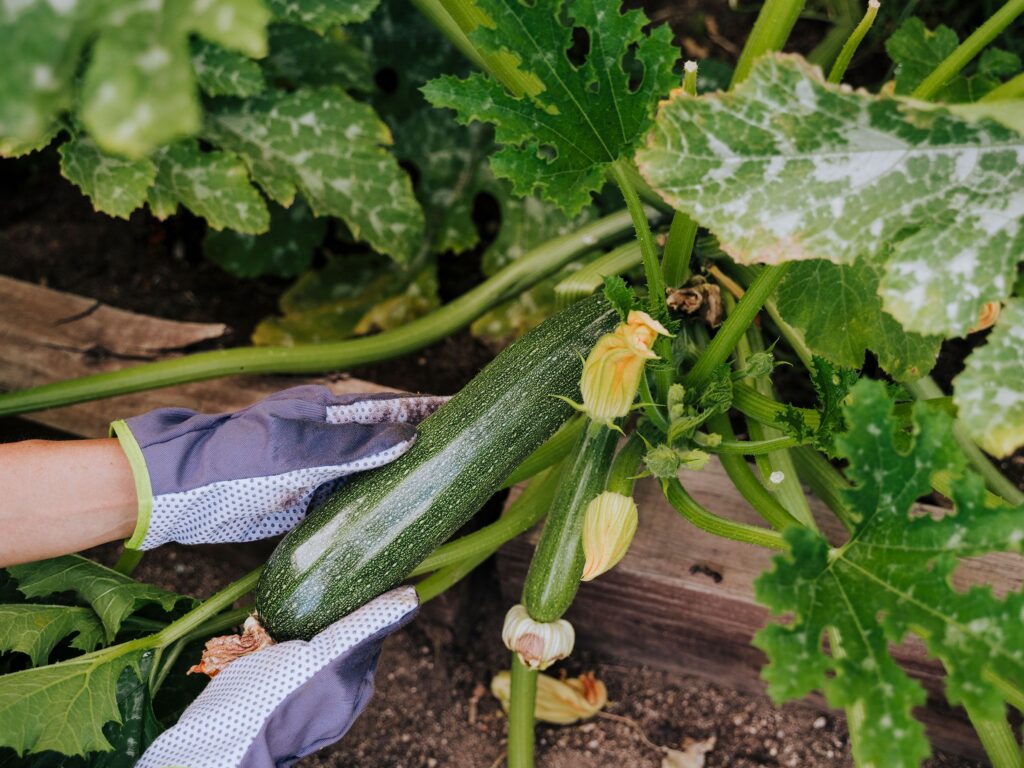
- Timing: Pick zucchini when they are 6–8 inches long, tender, and firm.
- Frequency: Harvest every 2–3 days to prevent oversized fruits that become seedy.
- Technique: Use scissors or a sharp knife to cut fruits, avoiding damage to the plant.
With proper care, a single sack can yield multiple zucchinis throughout the growing season.
Advantages of Growing Zucchini in Sacks
Sack gardening for zucchini provides unique advantages:
- Space Efficiency: Perfect for urban gardens or limited outdoor space.
- Portability: Sacks can be moved to optimize sunlight or protect plants from extreme weather.
- Controlled Growth: Easier to manage soil, water, and nutrients compared to in-ground planting.
- Eco-Friendly: Repurposes old sacks, reducing waste.
- High Yield: With proper care, sack-grown zucchinis can be just as productive as traditional garden beds.
Creative Ideas for Sack Gardening
Repurposing old sacks can also make gardening more creative and visually appealing:
- Stacked Sacks: Stack sacks vertically with drainage holes to maximize space.
- Hanging Sacks: Use sturdy ropes or hooks to hang sacks for trailing zucchini or other vegetables.
- Companion Planting: Plant herbs like basil or marigolds alongside zucchini to deter pests naturally.
These creative techniques make sack gardening both productive and attractive.
Final Thoughts
Old sacks don’t belong in the trash—they can be transformed into productive, space-saving zucchini planters. With proper soil, consistent watering, and occasional fertilization, even small urban spaces can produce fresh, homegrown zucchini.
This method is perfect for beginners, urban gardeners, or anyone looking to grow vegetables sustainably. Not only will you enjoy crisp, tender zucchinis, but you’ll also reduce waste and make the most of resources you already have.
So next time you’re about to throw away an old sack, think twice—it could be the start of your high-yield, eco-friendly zucchini garden!