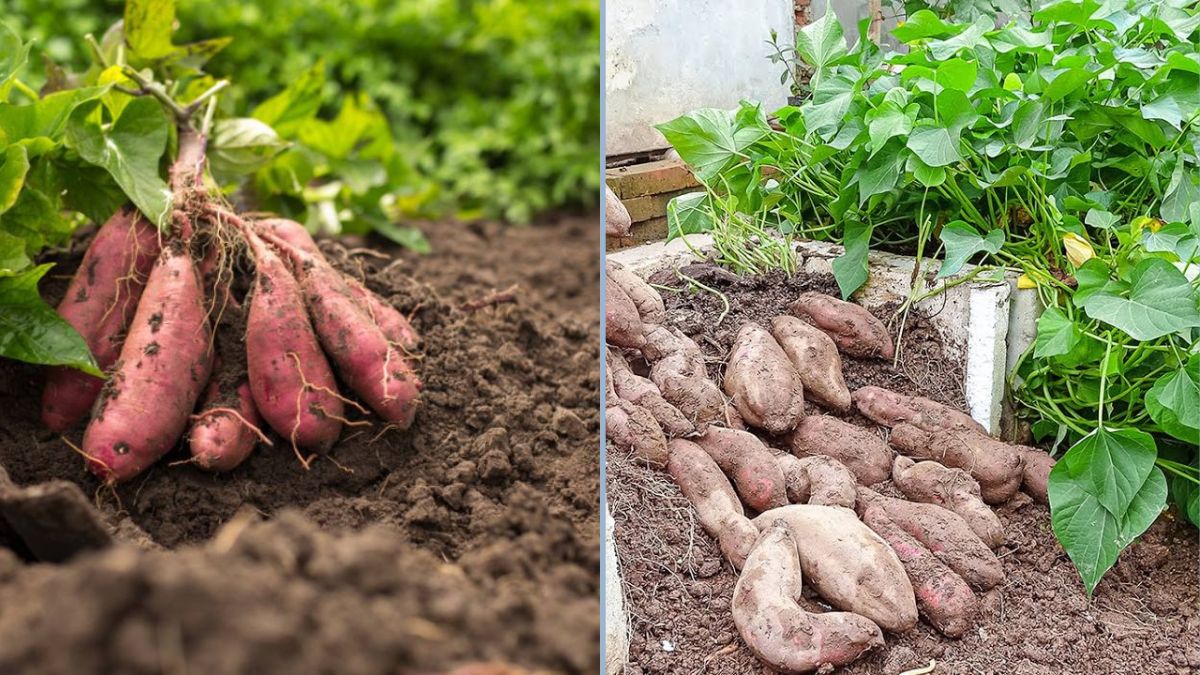
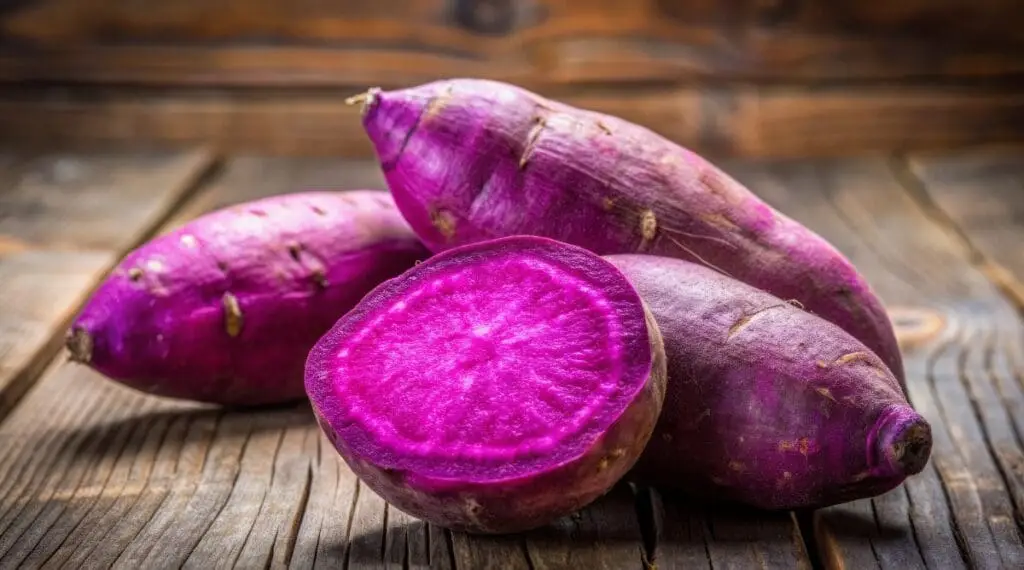
Purple sweet potatoes have emerged as one of the most nutritious and visually striking root vegetables in the gardening world. Known for their deep violet flesh and naturally sweet flavor, they are packed with fiber, antioxidants, and essential vitamins. Gardeners often assume that growing purple sweet potatoes requires the same routine steps as traditional varieties, but innovative techniques are revealing faster, more efficient, and more productive methods.
In this post, we’ll walk through a unique way to grow purple sweet potatoes—one that helps maximize yield, save space, and reduce the risk of pests and diseases. Even if you’ve never planted them before, the following approach will make your first attempt rewarding and educational.
Why Purple Sweet Potatoes?

Before diving into the method, it’s worth understanding why purple sweet potatoes are so prized:
- High in Anthocyanins: These natural pigments give the potatoes their purple color and offer powerful antioxidant support.
- Versatile in Cooking: They can be roasted, mashed, baked, spiralized, or made into desserts.
- Long Shelf Life: Properly cured purple sweet potatoes can last for months.
- Aesthetic Appeal: Their vibrant color is a treat for both home cooks and gardeners.
The only challenge? Traditional growing methods can be time-consuming and yield inconsistent results. That’s why a unique growing method can make all the difference.
Choosing the Right Variety
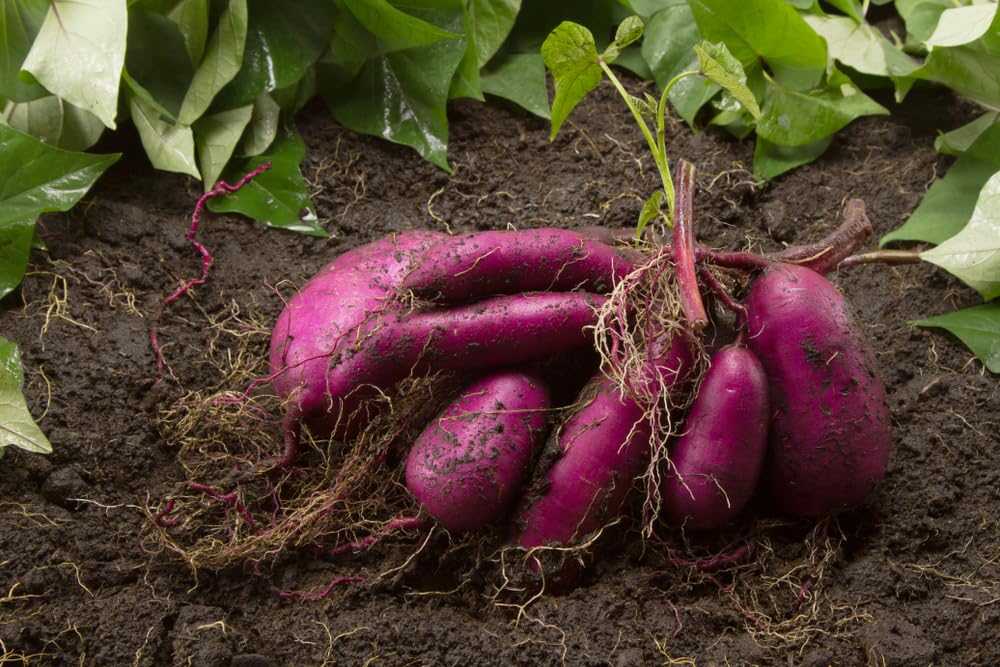
Several purple sweet potato varieties do well in backyard gardens and containers. Some of the most popular include:
- Okinawan – Mildly sweet, light purple flesh.
- Stokes Purple® – Dark purple inside and out, rich flavor, high yield.
- Murasaki – White skin with purple flesh, drought-resistant.
Whatever variety you choose, make sure it’s suitable for your local growing conditions and available from reputable nurseries or seed suppliers.
The Unique Approach: Vertical or Bag Growing
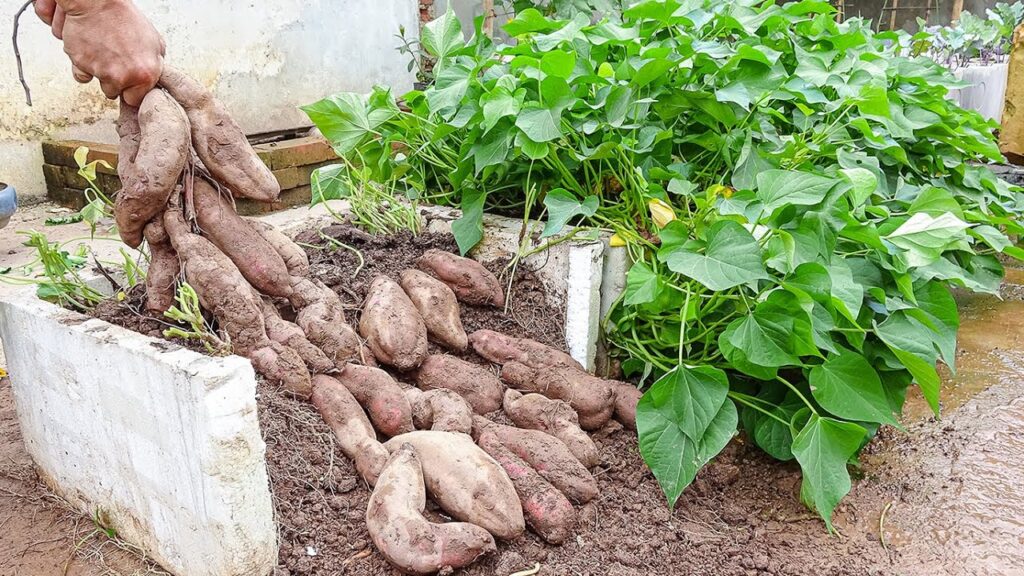
A standout method that’s gaining attention among gardeners is growing purple sweet potatoes vertically or in grow bags rather than directly in-ground. This technique promotes better drainage, saves space, and simplifies the harvesting process. Here’s how it works:
Step 1: Start with Slips Instead of Whole Tubers
Unlike traditional potatoes, sweet potatoes are propagated from “slips,” which are sprouts grown from mature tubers.
- Place a healthy purple sweet potato half-submerged in a jar of water or laid on damp soil.
- Ensure the base makes contact with moisture.
- Within a few weeks, leafy shoots will emerge.
- Once they reach 6–8 inches, twist them off gently and place them in water until roots appear.
This ensures strong, pest-free starter plants.
Step 2: Prepare Grow Bags or Tall Containers
Instead of spreading across long garden rows, use 10 to 20-gallon grow bags or tall containers. Fabric grow bags are ideal because they offer excellent aeration and prevent waterlogging.
Fill them with a loose, nutrient-rich mix:
- 50% potting soil
- 30% compost
- 20% sand or perlite
This structure allows the roots to expand easily without compacting.
Step 3: Position the Slips Strategically
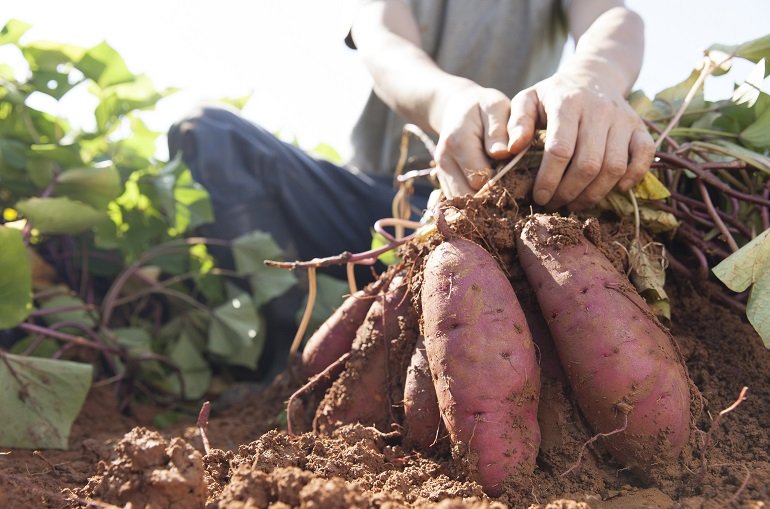
Plant 2–3 slips per bag, ensuring their roots are covered and stems remain above surface. If using tall vertical grow bins or barrels, stack soil in layers and plant at various depths to maximize production.
Spacing is less of an issue here than in traditional method because slips will cascade downward rather than spread outward.
Step 4: Train Vines Upward or Contain Them
Purple sweet potatoes develop long vines, but unlike ground planting, you can train them vertically using trellises, stakes, or mesh fencing. This prevents them from overtaking other plants and encourages the plant to focus energy on tuber development rather than vine sprawl.
For container growing:
- Guide the vines upward.
- Alternatively, loop them gently back into the container to shade the soil and retain moisture.
Soil Nutrition and Watering
Healthy root growth depends on balanced nutrients and consistent hydration.
- Fertilizer: Use a low-nitrogen fertilizer (like 5-10-10 or 0-10-10). Too much nitrogen produces lush vines but small roots.
- Watering: Keep the soil moist but not soggy. Water deeply once or twice a week, depending on climate.
Because grow bags drain well, the risk of rot is lower than in ground beds.
Sunlight and Temperature Considerations
Purple sweet potatoes flourish in warmth and sunlight.
- Sun Exposure: 6 to 8 hours daily.
- Temperature: Soil temps above 60°F (15°C) are essential; ideal air temperatures range from 70–95°F (21–35°C).
If you’re in a cooler region, start slips indoors and move the containers outside once temperatures stabilize.
Controlling Pests and Diseases
Vertical and container growing reduces the likelihood of common sweet potato pests like weevils, nematodes, and soil fungus.
However, keep an eye out for:
- Aphids
- Whiteflies
- Flea beetles
Use organic sprays like neem oil or insecticidal soap if needed. Pruning overcrowded vines helps airflow and keeps pests at bay.
A Unique Bonus: Layering for Extra Yield
Another distinctive technique is layering. As the vines grow, gently bend sections back toward the soil or container and cover them lightly with compost. These buried nodes can sprout additional roots and form new tubers, multiplying your harvest.
This method is especially effective with tall containers since you can mound fresh soil over different layers as the vines grow.
Harvesting: When and How
Purple sweet potatoes typically take 100–130 days to mature, depending on the variety and weather.
Signs they’re ready:
- Vines begin to yellow or wilt.
- The soil feels slightly compacted from tuber expansion.
To harvest from grow bags:
- Tip the bag gently or scoop out the soil.
- Remove the tubers carefully by hand to avoid bruising.
- Brush away dirt instead of washing immediately to retain quality.
Vertical containers make harvesting far less labor-intensive than digging up garden beds.
Curing and Storage
Curing enhances sweetness and extends shelf life.
- Place harvested tubers in a warm area (80–85°F / 26–29°C) with high humidity for 1–2 weeks.
- After curing, store in a cool, dark place at 55–60°F (13–16°C).
Proper curing allows flavors to develop fully and prevents rot.
Advantages of This Unique Growing Method
By adopting container or vertical growing for purple sweet potatoes, you benefit in several ways:
- Space Efficiency: Ideal for balconies and small backyards.
- Improved Drainage: Less risk of waterlogged roots and root rot.
- Simplified Harvest: Just empty the container—no digging required.
- Pest Management: Containers reduce contact with infested soil.
- Customization: Layering, training vines, and optimized planting density increase yields.
This approach works equally well for beginners and seasoned gardeners.
Final Thoughts
Growing purple sweet potatoes doesn’t have to follow traditional rules. By using slips, grow bags, vertical structures, or layered planting, you can create a thriving mini-crop with minimal space and effort. Whether you live in a warm climate or rely on seasonal planting, this method encourages healthier vines, abundant tubers, and a more enjoyable gardening experience.
If you’ve ever hesitated to grow purple sweet potatoes because of space or maintenance concerns, this technique opens the door to success. With the right setup, attention to soil quality, and creative vine management, you can harvest a vibrant, nutritious yield straight from your own home garden.
Would you like Pinterest pins, social captions, or SEO keywords to go with this post?