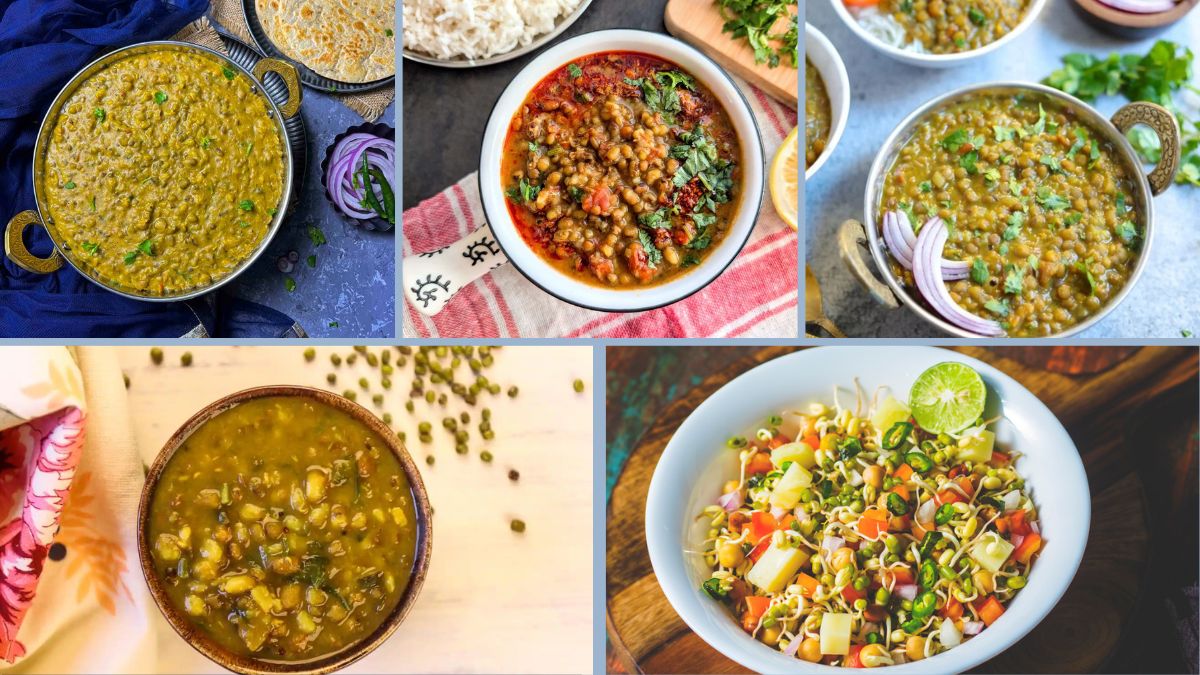
Looking for a dish that’s healthy, easy to make, and full of flavor — without using non-veg ingredients? Say hello to the humble yet mighty Moong Dal Curry. This classic Indian dish is not only comforting and delicious but also rich in plant-based protein, making it a must-have in any vegetarian (or vegan) diet.
In this guide, we’ll walk you through an authentic 5-step recipe for preparing Moong Dal Curry that’s simple enough for weeknights and satisfying enough for guests. With minimal oil, common pantry spices, and a few cooking tricks, you can whip up a meal that feels light, nourishing, and incredibly tasty.
Why Choose Moong Dal?
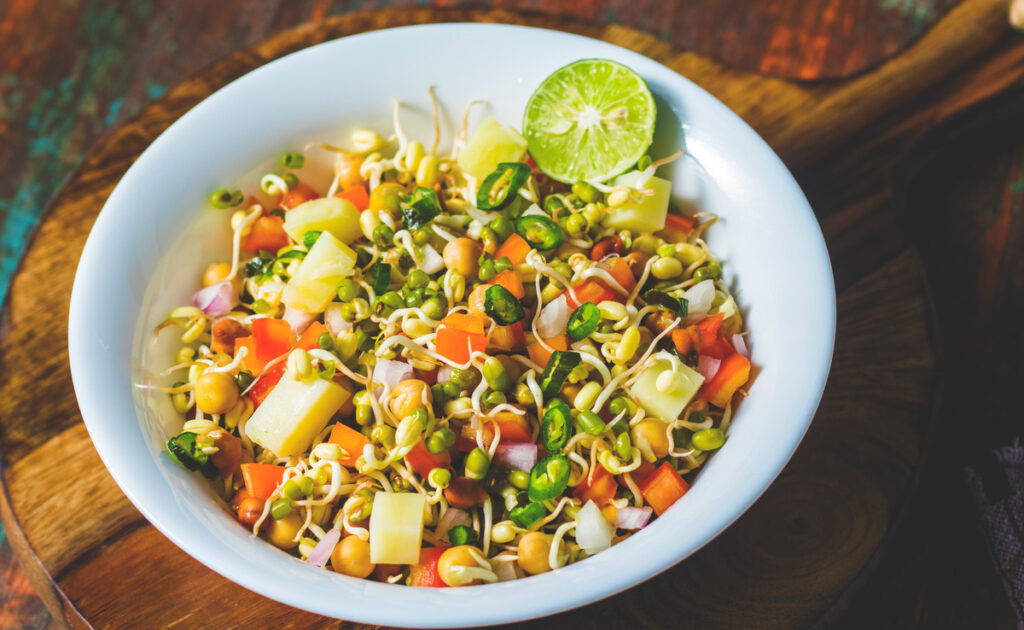
Moong dal (split yellow gram) is a staple in Indian households. It is:
- High in protein and fiber
- Easy to digest (great for kids, elders, or anyone with a sensitive stomach)
- Naturally gluten-free and vegan
- Quick to cook — even without a pressure cooker!
Whether you’re aiming to eat healthier or just want something warm and homey, Moong Dal Curry is the perfect answer.
Ingredients (Serves 3–4)
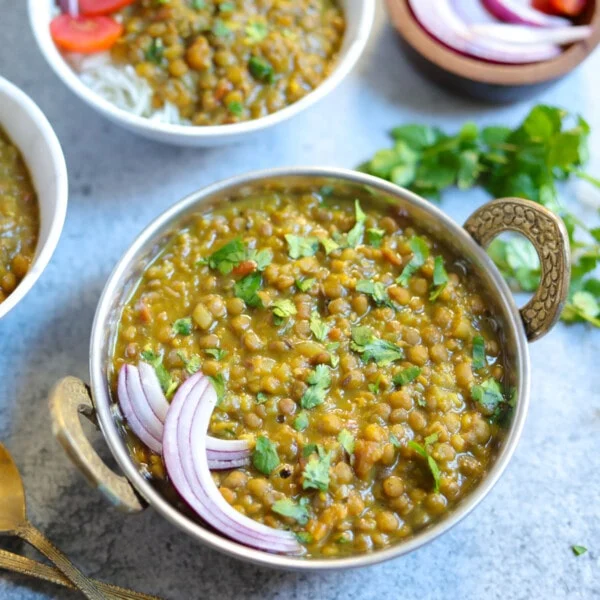
Here’s everything you’ll need for this wholesome recipe:
For the Dal:
- 1 cup yellow moong dal (split yellow gram)
- 3 cups water
- ¼ teaspoon turmeric powder
- Salt to taste
For the Tempering (Tadka):
- 1.5 tablespoons oil (or ghee for a richer flavor)
- 1 teaspoon cumin seeds
- 1 pinch asafoetida (hing)
- 1 medium onion, finely chopped
- 1 medium tomato, finely chopped
- 1–2 green chilies, slit (optional)
- 1 tablespoon ginger-garlic paste
- ½ teaspoon red chili powder
- ½ teaspoon turmeric powder
- 1 teaspoon coriander powder
- ½ teaspoon garam masala (optional)
- Fresh coriander leaves for garnish
- Juice of half a lemon
Step 1: Rinse and Cook the Moong Dal
Start by thoroughly rinsing 1 cup of yellow moong dal in cold water 2–3 times until the water runs clear. This removes excess starch and helps avoid stickiness.
Cooking Options:
a. Pressure Cooker / Instant Pot:
- Add dal, 3 cups of water, turmeric, and salt.
- Pressure cook for 2–3 whistles or cook in Instant Pot for 8–9 minutes on high pressure.
- Let the pressure release naturally.
b. Stovetop (No Cooker):
- In a deep pot, boil the rinsed dal with 3 cups of water, turmeric, and salt.
- Simmer on medium heat for 25–30 minutes, stirring occasionally, until soft and mushy.
Once cooked, lightly mash the dal with a spoon or whisk for a smoother texture. Keep aside.
Tip: Add warm water later if your dal thickens more than you like.
Step 2: Prepare the Tadka (Spiced Tempering)
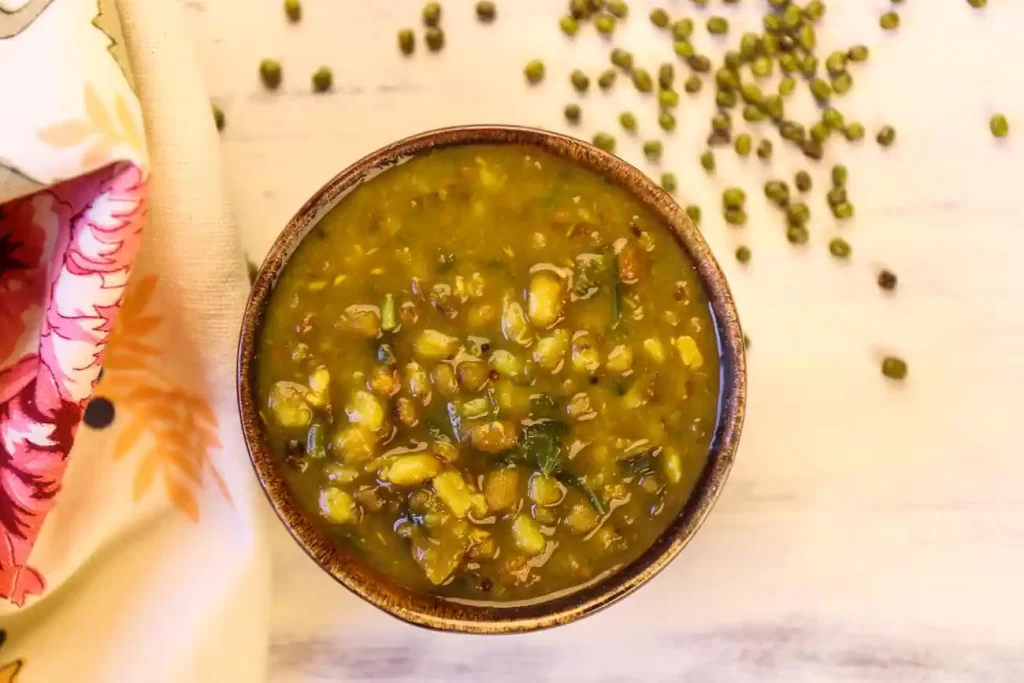
The tadka is where all the magic happens. It transforms your dal from bland to bold.
- Heat oil (or ghee) in a kadhai or pan.
- Add cumin seeds. Let them splutter.
- Add a pinch of hing (asafoetida) — a tiny amount adds earthy aroma and aids digestion.
- Add chopped onions and sauté until golden brown.
- Add ginger-garlic paste and sauté for 1–2 minutes until the raw smell disappears.
- Add green chilies (if using) and then chopped tomatoes.
- Cook the tomatoes until soft and oil starts to separate — this step brings depth to the flavor.
Step 3: Add Spices and Cook the Masala
Once your onion-tomato base is ready, it’s time to bring in the spices.
- Add red chili powder, turmeric, coriander powder, and garam masala.
- Mix well and cook the masala on low-medium heat for 2–3 minutes. Stir continuously to prevent burning.
- If it feels too dry, add a splash of water to keep the masala moist.
This spice mix will infuse your dal with bold, warm flavors.
Step 4: Combine Dal with the Masala
Now, gently pour your cooked dal into the pan with the masala.
- Stir everything well to combine.
- Add water to adjust consistency — thick for eating with roti, or slightly thin for serving with rice.
- Let it simmer on low heat for 5–7 minutes, allowing all the flavors to meld beautifully.
Taste and adjust salt and spice as needed.
Optional: For a richer flavor, add a small spoon of ghee or a dash of kasuri methi (dry fenugreek leaves) at the end.
Step 5: Garnish and Serve
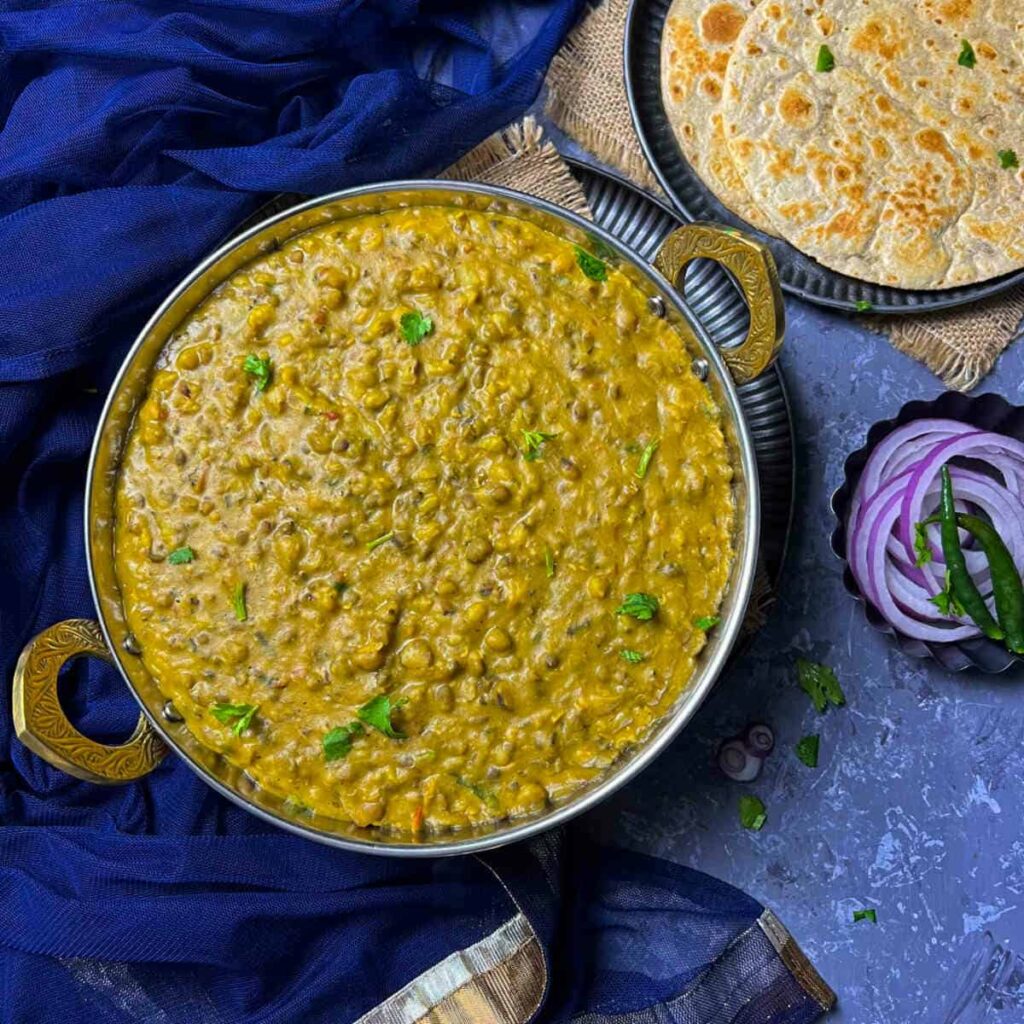
Once done, turn off the heat and finish with:
- A squeeze of fresh lemon juice
- Chopped fresh coriander leaves
Serve With:
- Steamed basmati rice or jeera rice
- Chapati, roti, or paratha
- As part of a vegetarian thali with sabzi, salad, and papad
It’s delicious as a main course, and also works great as a comforting side dish.
Nutritional Benefits of Moong Dal
Moong dal is one of the most nutritious dals you can eat. Here’s a quick look at its health profile:
| Nutrient | Amount (Per Serving) |
|---|---|
| Calories | 180–200 kcal |
| Protein | 12–14 grams |
| Fiber | 5–7 grams |
| Carbs | 20–25 grams |
| Fat | 3–4 grams |
Health Benefits:
- High protein: Great for vegetarians and vegans
- Muscle support: Ideal post-workout meal
- Heart-healthy: Lowers cholesterol
- Easy on digestion: Good for detox or light eating days
- Blood sugar friendly: Low glycemic index
Tips for the Perfect Moong Dal Curry
- Use fresh spices for the best aroma and flavor.
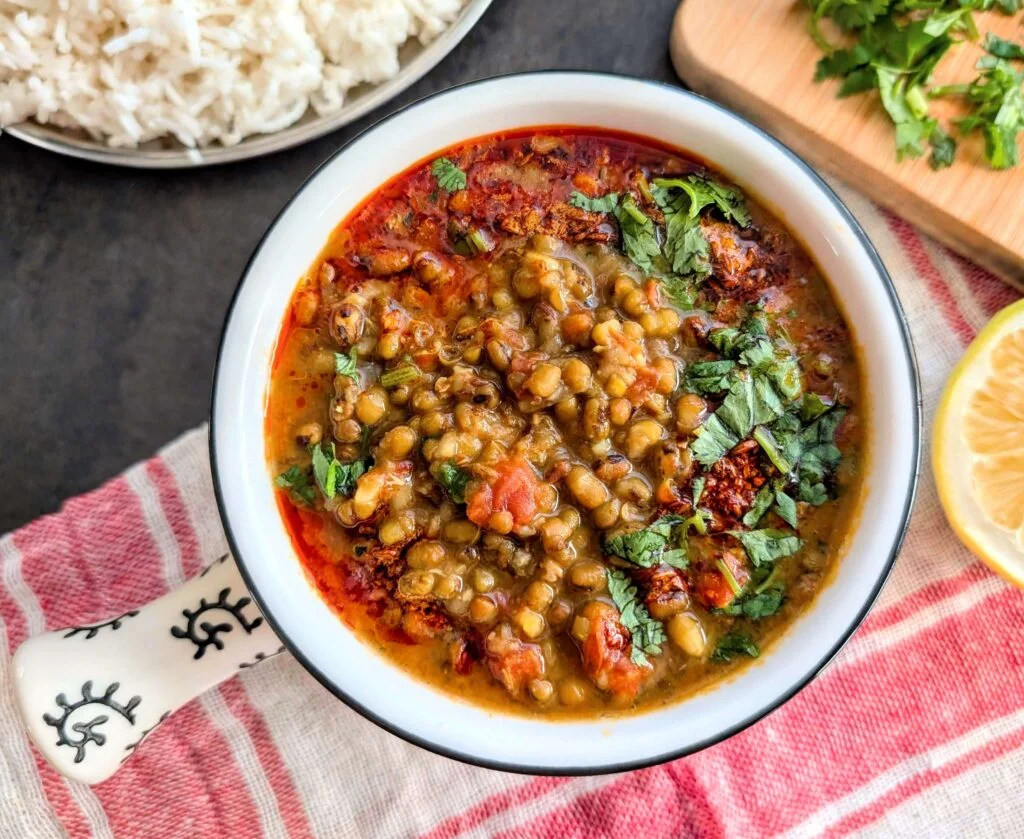
- Add a second tadka on top before serving for a restaurant-style finish.
- Make it creamy: Add a spoonful of coconut milk or vegan cream if you like it richer.
- No onion-garlic? You can skip them for a satvik version — use hing and ginger for flavor.
- Want more veggies? Add spinach, carrots, or bottle gourd to the dal for variety.
Variations You Can Try
- Palak Moong Dal: Add chopped spinach to the dal while simmering.
- Moong Dal with Lauki: Add diced bottle gourd for a comforting combo.
- Dry Moong Dal (Sookhi Dal): Cook moong dal with less water and minimal spices for a dry version.
- South Indian Style Moong Dal: Temper with mustard seeds, curry leaves, and dry red chilies instead of the North Indian-style tadka.
Final Thoughts
With just five simple steps, a few spices, and pantry staples, you can prepare a dish that’s wholesome, protein-packed, and full of comforting flavors. This Moong Dal Curry is perfect for everyday meals, easy on the stomach, and light on your wallet — making it a great recipe for students, families, or anyone who loves good food with minimal fuss.
Best of all? It’s 100% vegetarian, and if you use vegan yogurt or skip ghee, it’s completely plant-based too!
Ready to Cook?
Easy
Nutritious
Budget-Friendly
Meal-prep Friendly
Completely Vegetarian
Now that you know how simple it is to prepare Moong Dal Curry, try it out today — and serve up a bowl of comfort that satisfies your soul and supports your health.