
Eggplants (also known as aubergines or brinjals) are among the most rewarding vegetables to grow in a home garden. Their glossy fruits, vibrant purple hues, and adaptability to containers or ground beds make them a favorite among gardeners. But one challenge is common: how to encourage eggplants to grow as bushy, robust plants with higher yields. Bushier eggplants are more productive, resist environmental stress better, and support more flowering points.
One of the most effective but often overlooked methods for achieving bushy eggplants is using biological agents before planting. These beneficial organisms support root development, improve soil health, and lay the foundation for robust plant structure. In this post, we’ll explore how biological agents work, how to use them properly before transplanting, and why they make such a difference in promoting bushy, high-yield eggplants.
Why Bushy Eggplants Matter

Before diving into biological solutions, it helps to understand why bushiness is such an important trait.
Bushy eggplant plants:
- Produce more fruit-bearing branches
More branching points means more flowers and ultimately more fruits. - Provide better canopy coverage
Dense growth helps shade roots and suppress weeds. - Support stronger stems
Compact plants are less likely to break under fruit weight or wind stress. - Enhance nutrient absorption
Dense foliage is typically the result of a robust root system, which draws nutrients more efficiently.
While pruning, spacing, and fertilizing are standard techniques to encourage branching, biological agents work at the root level to enhance overall plant architecture—long before the first flower emerges.
What Are Biological Agents?
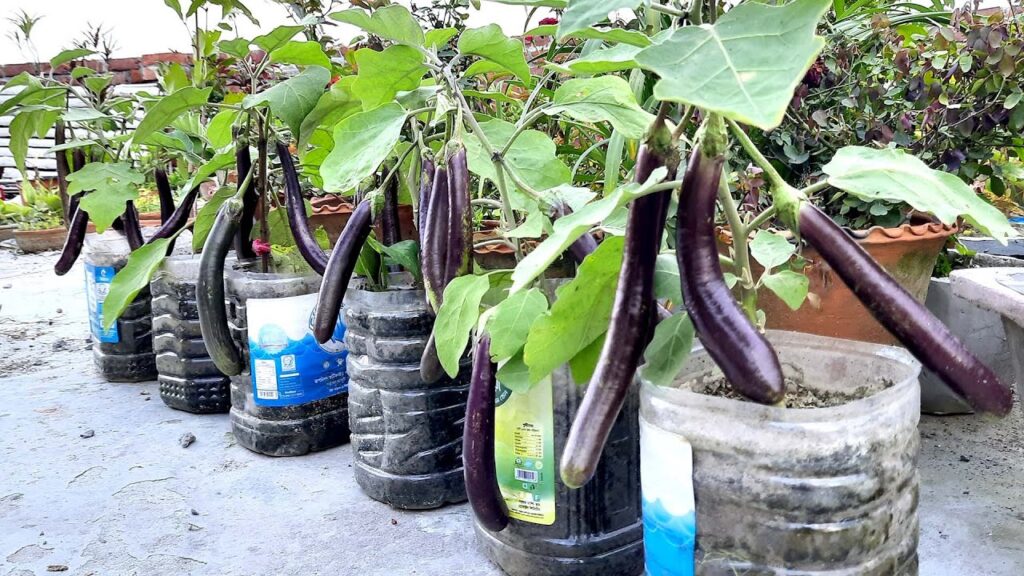
Biological agents are living organisms that promote plant growth through natural means. These include:
- Beneficial bacteria (e.g., Bacillus subtilis)
- Mycorrhizal fungi
- Trichoderma species
- Rhizobacteria or biofertilizers
- Compost teas or microbial inoculants
These organisms create a symbiotic relationship with plants. Instead of forcing growth with chemicals, they enhance the plant’s natural ability to develop a strong root system, absorb nutrients, and resist disease.
How Biological Agents Promote Bushy Growth
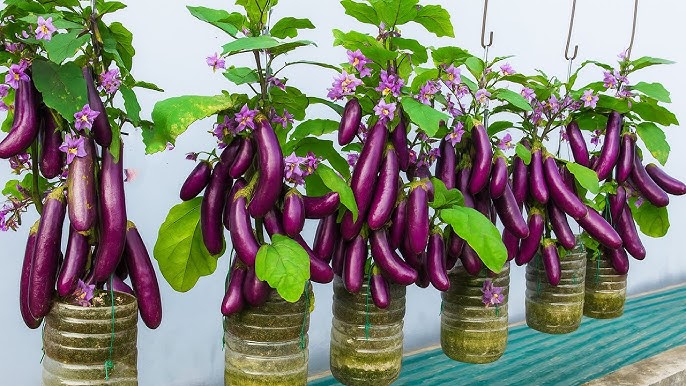
Let’s look at the key ways these organisms help eggplants grow denser, healthier foliage:
1. Root Stimulation
Mycorrhizal fungi extend the plant’s root system through hyphae, increasing surface area and maximizing nutrient and water uptake. A stronger root network directly contributes to more vigorous top growth.
2. Enhanced Nutrient Availability

Biological agents break down organic matter and convert nutrients into forms that plants can easily use. They improve access to nitrogen, phosphorus, and potassium—key elements for leafy growth and branching.
3. Growth Hormone Production
Some beneficial bacteria produce natural growth hormones like auxins and cytokinins. These hormones promote lateral branching and shoot development, leading to a fuller structure.
4. Disease and Pest Protection
Trichoderma fungi and similar agents outcompete harmful pathogens in the soil. Plants protected from early stress are free to focus on vegetative growth.
5. Improved Soil Structure
Microbial activity enhances soil aeration and water retention. Well-structured soil allows roots to expand easily, encouraging above-ground growth.
When to Apply Biological Agents: Before Planting Matters Most

Timing is important. Applying biological agents before transplanting seedlings gives them a head start. Here are the most effective pre-planting methods:
1. Seed Soaking
Soak eggplant seeds in a diluted solution of biological agents (as per product directions) for several hours. This jumpstarts microbial colonization from germination.
2. Root Dipping
When transplanting seedlings, dip the roots in a slurry made from biological agents mixed with water. This ensures immediate contact with beneficial organisms.
3. Soil Amendment Before Transplanting
Mix biofertilizers, mycorrhizal powders, or compost teas into the planting holes or bed soil a few days before transplanting. This prepares a supportive microbial environment.
4. Starter Mix for Seed Trays
When starting eggplants in trays, blend biological inoculants into the growing medium. By the time seedlings are ready for planting, the microbes are already active.
Step-by-Step Guide: Using Biological Agents for Bushy Eggplants
Here’s a practical, easy-to-follow approach:
Step 1: Choose the Right Biological Agent
Select a high-quality product suited for vegetables. Look for terms like:
- Mycorrhizal inoculant
- Trichoderma blend
- Rhizobacteria biofertilizer
- Microbial growth promoter
Organic-certified products are ideal for home gardens.
Step 2: Prepare the Growing Medium or Planting Site
Loosen the soil and remove debris. For containers, mix your potting soil with compost and a small amount of inoculant.
Step 3: Treat the Seeds or Seedlings
- For seeds: Soak them briefly in a dilution.
- For seedlings: Dip roots or sprinkle powder directly onto root balls during transplanting.
Step 4: Inoculate the Soil
Add biological agents to each transplant hole or water with a microbial solution shortly after planting.
Step 5: Water Correctly
Avoid chlorinated water immediately after application, as this may kill beneficial organisms. Use rainwater, filtered water, or let tap water sit uncovered for 24 hours.
Step 6: Maintain a Friendly Environment
Microbes thrive in moist, organic-rich conditions. Apply compost or mulches to sustain microbial life and reduce temperature swings.
Complementary Practices to Encourage Bushiness
Biological agents work best when combined with good gardening practices:
1. Pinching the Growing Tips
Once seedlings reach 8–10 inches in height, gently pinch the main growing tip. This encourages lateral branching.
2. Proper Spacing
Plant eggplants 18–24 inches apart. Good spacing allows airflow and supports symmetrical growth.
3. Balanced Organic Fertilization
Use compost tea, fish emulsion, or well-rotted manure. Avoid overloading nitrogen early, as it can cause leggy growth instead of balanced bushiness.
4. Mulching
Mulching helps retain moisture and supports microbial activity while preventing weed competition.
5. Stake Early if Needed
A little support in the beginning prevents damage to new branches and reinforces upright growth.
Common Mistakes to Avoid
Even with biological agents, a few missteps can reduce plant performance:
- Using chemical fertilizers right after inoculation
High-salt fertilizers harm microbial populations. - Overwatering or underwatering
Extreme moisture levels interfere with root-microbe interactions. - Ignoring soil pH
Eggplants prefer a pH of 5.8 to 6.8—microbes perform best in that range. - Skipping organic matter
Without food sources, bacteria and fungi cannot multiply effectively.
Visible Results to Expect
With proper use, gardeners typically notice:
- Thicker stems
- More side shoots within the first few weeks
- Deeper green foliage
- Faster recovery from transplant shock
- Increased flowering points later
By the time eggplants begin flowering, bushy structure becomes even more evident—more flowers per plant, stronger branches, and better fruit set.
Long-Term Benefits of Using Biological Agents
Unlike one-time fertilizer boosts, biological agents continue working across the plant lifecycle:
- They regenerate soil biology.
- They reduce reliance on synthetic inputs.
- They protect against seasonal soil-borne diseases.
- They increase resilience to drought and temperature stress.
With repeated use, each season becomes more productive as the soil ecosystem improves.
Conclusion
Growing bushy eggplants doesn’t require chemical shortcuts. The secret lies in preparing your plants before they go into the ground, and biological agents provide exactly that foundation. By enhancing root systems, nutrient availability, and disease resistance, they encourage stronger, fuller, and more fruitful eggplants.
If you’re starting your next eggplant crop soon, consider treating your seeds, seedlings, or soil with beneficial microbes. A simple pre-planting step can transform the health and productivity of your entire eggplant patch—naturally and sustainably.
Let nature do the work, and enjoy the results of bushier plants and bountiful harvests!