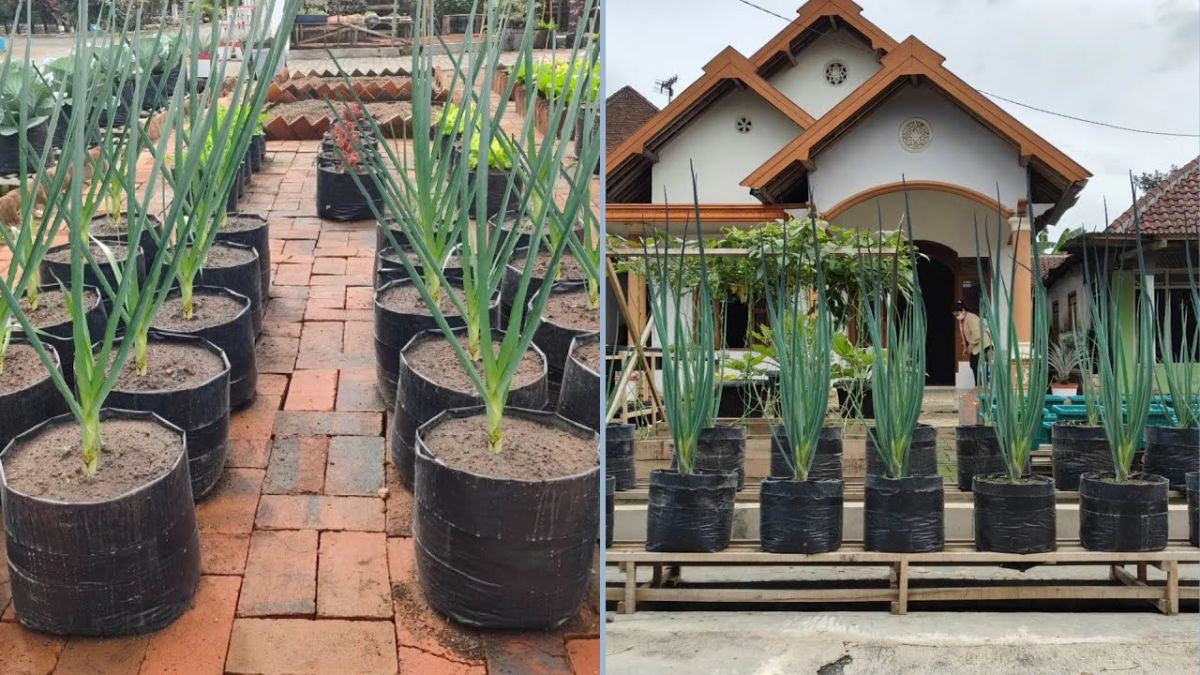
Leeks (daun bawang) are one of the most versatile kitchen ingredients used in Asian and Western dishes alike. They’re easy to grow, don’t require a lot of space, and thrive beautifully in containers such as polybags. If you’ve been wanting to try home gardening but don’t have land, growing leeks in polybags is the perfect place to start.
Inspired by the video “Cara menanam daun bawang di polibag dari benih sampai panen || Easy way to plant leeks in polybags,” this detailed guide will walk you through every step—from preparing seeds to harvesting healthy, fresh leeks straight from your home garden.
Why Grow Leeks in Polybags?
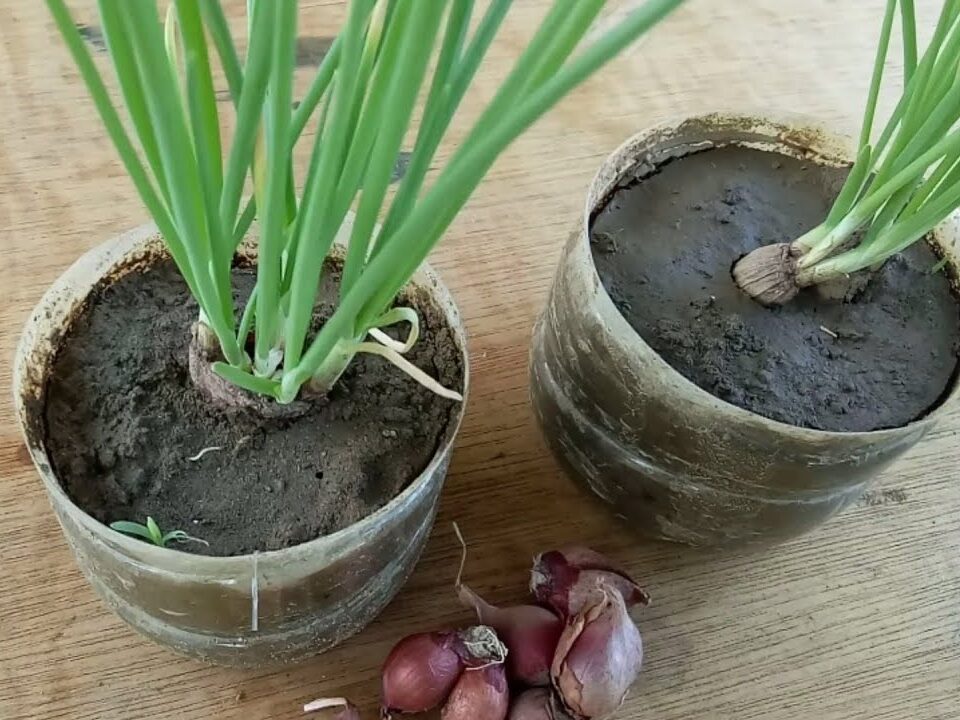
Polybags are a popular choice for urban and small-space gardening. Here’s why they’re ideal for growing leeks:
Saves space
Affordable and widely available
Can be placed on balconies, patios, rooftops, or yards
Easy to move around for better sunlight
Reduces risk of pests from ground soil
Suitable for any climate with simple care
If you’re a beginner or want to grow vegetables at home with limited space, this method is perfect.
Step 1: Choosing the Right Seeds
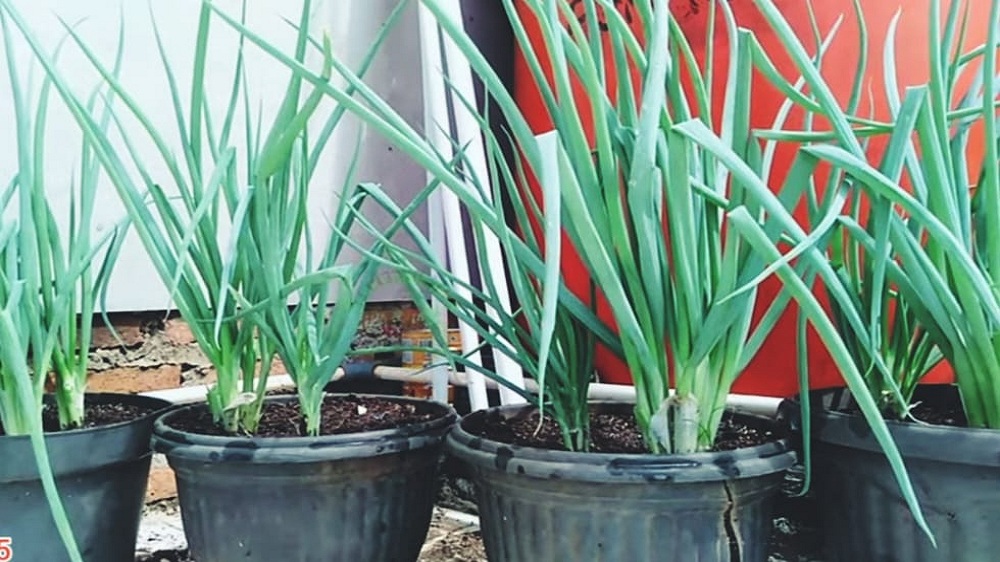
Before you start planting, select quality leek seeds. You can use:
- Daun bawang lokal (Allium fistulosum) – common Indonesian variety
- Welsh onion
- Japanese bunching onion
- Imported hybrid seeds
Make sure the seeds are:
- Clean
- Not expired
- From a trusted source
- Preferably organic or untreated
Bonus tip: If you already grow leeks, allow a few to flower and collect their seeds for future planting.
Step 2: Prepare the Growing Medium
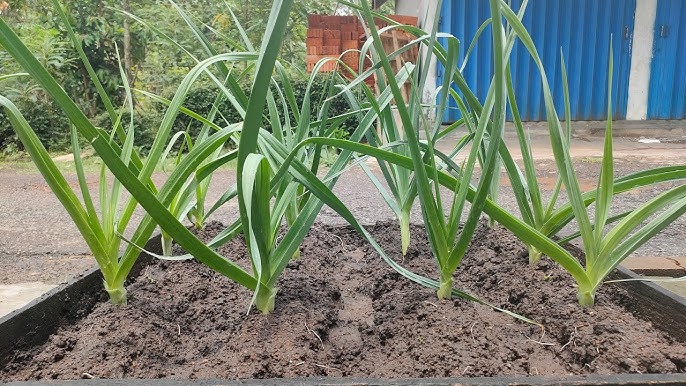
Leeks prefer rich, loose, well-draining soil. Since polybags have limited space, the soil must be nutrient-rich.
Here’s the ideal soil mix:
- 2 parts garden soil or cocopeat
- 1 part compost or old manure
- 1 part rice husk, sand, or perlite (for drainage and aeration)
To improve nutrients and prevent pests, you can add:
- A handful of roasted husk ash or wood ash
- EM4 solution (beneficial microbes)
- A little lime if the soil is too acidic
Mix well and let it sit for a day or two before use.
Step 3: Select and Prepare the Polybags

Choose polybags with:
- Size: 25–30 cm diameter and 25–40 cm depth
- Drainage holes: Ensure holes at the bottom and sides
- Material: Thick enough to last for at least one growing cycle
Fill each bag with the prepared soil mix and press gently without compacting too much.
Step 4: Seed Sowing Methods
There are two common ways to grow leeks from seeds:
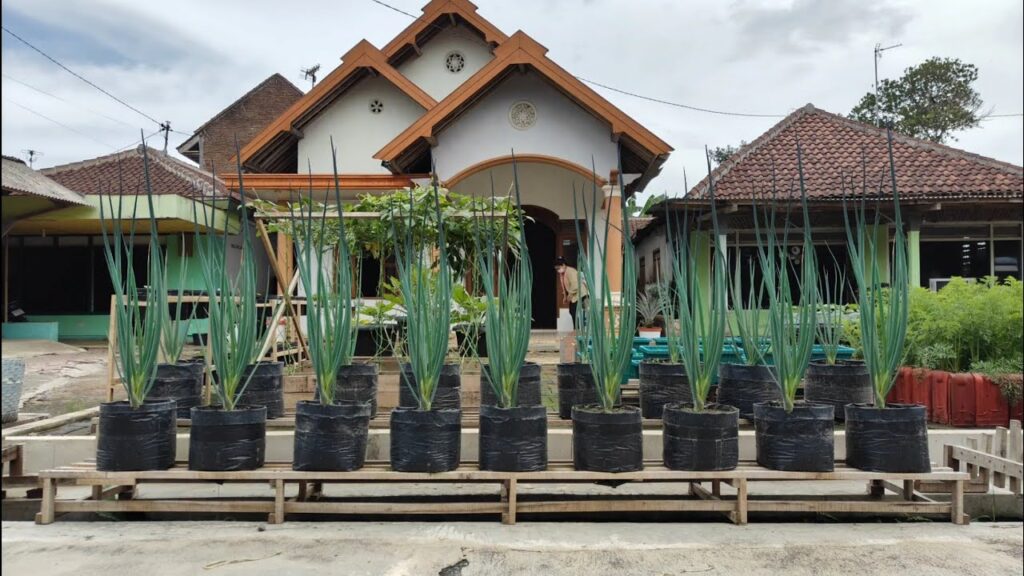
Method A: Direct Planting in Polybags
- Make shallow holes (0.5–1 cm deep) in the soil.
- Place 3–5 seeds per hole.
- Cover lightly with soil or compost.
- Water gently using a spray bottle.
This method is faster and avoids transplanting.
Method B: Nursery or Tray Planting
Best for higher germination rates and even spacing.
- Prepare a seed tray or shallow container with moist soil mix.
- Sprinkle seeds and cover with fine soil.
- Place in a shaded area with good air circulation.
- Keep the medium moist, not wet.
Seeds typically germinate within 5–10 days.
Step 5: Transplanting Seedlings
If you start in seed trays, transplant seedlings when they’re about 7–10 cm tall or have 3–4 leaves.
Here’s how to transplant correctly:
Water seedlings before uprooting.
Prepare holes in the polybag, 3–5 cm deep.
Gently remove seedlings with their roots and soil attached.
Plant them upright, pressing soil lightly around the base.
Space them about 5–8 cm apart per bag.
Water immediately after transplanting.
To reduce transplant shock, do this in the late afternoon or a cloudy day.
Step 6: Watering and Sunlight Needs
Leeks love sunlight and consistent moisture.
Sunlight:
- 4–6 hours of direct sunlight daily
- Partially shaded areas still work in hot climates
Watering Schedule:
- Once or twice a day depending on temperature
- Keep the soil damp but never waterlogged
- Use a spray nozzle or manual sprayer for young plants
Mulching with dried leaves, straw, or grass helps maintain moisture and prevent weeds.
Step 7: Fertilizing for Healthy Growth
For fast and lush growth, feed the plants regularly.
Base fertilizer in soil:
- Compost
- Cow, goat, or chicken manure (well-rotted)
- Organic matter
Additional fertilizers after planting:
- Liquid manure (pupuk cair)
- Bokashi solution
- Banana peel water
- EM4 + molasses solution
- Fish emulsion
Application schedule:
- First feeding: 10–14 days after transplanting
- Repeat every 10–15 days
Avoid over-fertilization as it can burn the roots.
Step 8: Caring for Growing Leeks
To ensure strong growth, practice the following:
Pruning
Remove yellow or damaged leaves to focus energy on healthy growth.
Soil Mounding (Pembumbunan)
When leeks start growing taller, add more soil around the base to blanch the stems (make them whiter and longer).
Weeding
Remove weeds early to prevent nutrient competition.
Step 9: Pest and Disease Management
Common pests include:
- Aphids (kutu daun)
- Thrips
- Caterpillars
- Leaf miners
- Snails
Natural pest control methods:
- Neem oil + mild soap spray
- Garlic-chili water spray
- Fermented plant extracts
- Wood ash around the base
- Handpicking pests early morning
Keep the area dry at night and avoid overwatering to reduce fungal problems like root rot or mildew.
Step 10: Harvesting Leeks from Polybags
Leeks can be harvested in 55–80 days, depending on variety and care.
Signs of readiness:
- Stem is thick (1–2 cm diameter)
- Leaves are long, green, and compact
- Height reaches 25–40 cm
Harvest methods:
A. Partial Cutting:
Cut leaves 2–3 cm above the base. They will regrow for multiple harvests.
B. Uprooting Whole Plants:
Gently pull the plant from the soil and refill the bag if replanting.
Harvest in the morning for maximum freshness and store in the refrigerator if not used immediately.
Regrowing Leeks After Harvest
One of the best things about leeks is that they can regrow after cutting.
- Leave 2–3 cm of the base.
- Keep the roots intact.
- Water regularly.
- New shoots will appear within a week.
This allows continuous harvesting from one planting cycle.
Tips for Maximum Yield in Polybags
Use quality soil and seeds
Keep consistent moisture levels
Provide at least 5 hours of sunlight
Feed every 2–3 weeks with organic fertilizer
Mulch to retain moisture and reduce weeds
Space seedlings to prevent overcrowding
Protect from pests early✔ Harvest at the right time
Bonus: Growing Leeks Indoors or in Small Spaces
If you don’t have an outdoor area, leeks can still grow well in:
- Balcony gardens
- Rooftop setups
- Terrace containers
- Indoor grow lights
- Window-facing planters
Just ensure good drainage, sunlight, and airflow.
Conclusion
Growing leeks in polybags from seed to harvest is not only easy but incredibly rewarding. With minimal space, low investment, and basic care, you can enjoy fresh daun bawang for your kitchen whenever you need it. Whether you’re a beginner or an urban gardener, this method is simple, practical, and highly productive.
Ready to start planting? If you’d like an infographic, short version, social media caption, or translation for this article, just let me know!