
Sweet potatoes are one of the most rewarding crops to grow at home. They’re nutritious, versatile in the kitchen, and surprisingly easy to cultivate. But if you’ve ever grown sweet potatoes in traditional garden soil and compared them to those grown in soil bags, you may have noticed something remarkable: soil bag cultivation often produces more tubers per plant. Why does this happen, and how can you replicate this success in your home garden? In this article, we’ll explore the reasons behind this phenomenon and share tips for maximizing your sweet potato harvest using soil bags.
Understanding Sweet Potato Growth

Sweet potatoes (Ipomoea batatas) are tuberous root vegetables that grow underground. Unlike other root crops that grow as single, compact roots, sweet potatoes develop multiple tubers along their stolons—specialized horizontal underground stems. The number and size of tubers a sweet potato plant produces depend on several factors: soil quality, moisture, nutrients, aeration, and planting method.
Soil bags have become increasingly popular for home gardeners because they provide a controlled environment that encourages abundant tuber production.
Why Soil Bags Are Different
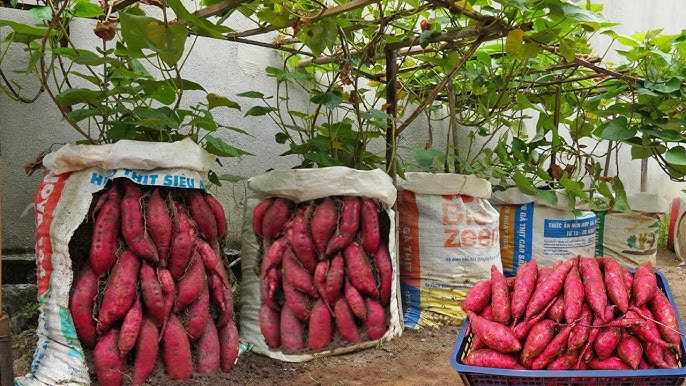
Soil bags, also known as grow bags, are flexible containers filled with nutrient-rich soil. They differ from traditional in-ground planting in several ways:
- Better Aeration: Grow bags allow air to circulate around the soil and roots. This prevents soil compaction and encourages tuber growth. Sweet potatoes need oxygen-rich soil to form multiple tubers, and the breathable nature of soil bags creates ideal conditions.
- Improved Drainage: Excess water can easily drain through the bag’s fabric or drainage holes. Overly wet soil can inhibit tuber formation, cause rot, or encourage diseases. Soil bags strike the perfect balance between moisture retention and drainage.
- Controlled Environment: You can select the best soil mix, add organic matter, and adjust nutrients in a grow bag. This level of control allows the sweet potato plant to allocate more energy to tuber development rather than struggling to extract nutrients from poor garden soil.
- Shallow Yet Spacious: Soil bags typically provide shallower but wider soil zones compared to in-ground planting. Sweet potatoes thrive in wide, loose soil because tubers spread horizontally rather than growing deep. This horizontal space encourages the plant to produce more tubers per vine.
How Soil Bags Promote Multiple Tubers
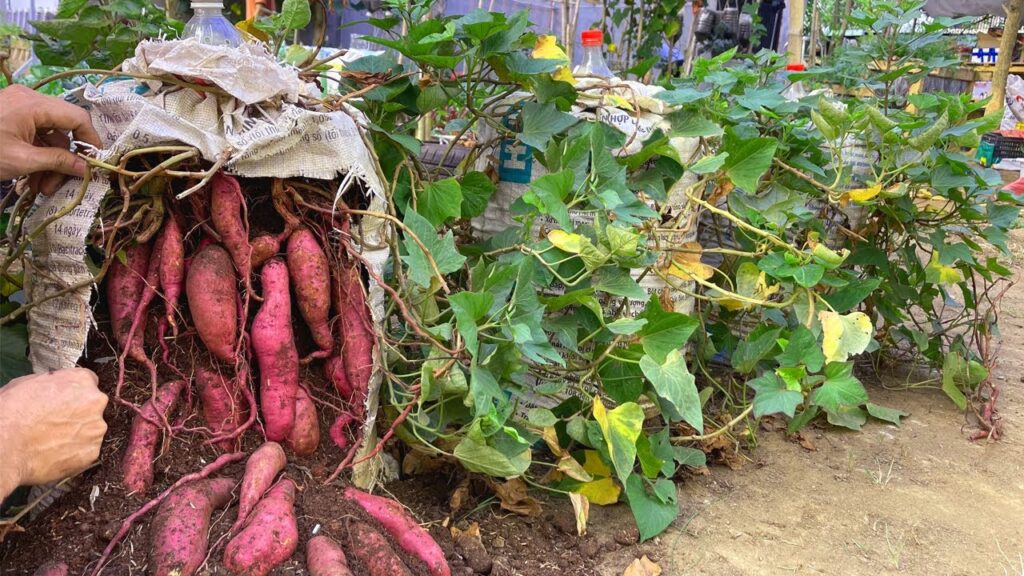
The secret to abundant tuber production in soil bags lies in the combination of aeration, soil volume, and nutrient availability:
- Oxygen Availability: Sweet potato tubers develop along stolons in oxygen-rich soil. Compacted soil limits oxygen and reduces the number of tubers. Soil bags are porous, which keeps the roots and stolons well-aerated.
- Nutrient Distribution: A balanced, fertile soil mix ensures that nutrients are evenly distributed. When nutrients are plentiful, the plant has the energy to develop multiple tubers rather than focusing on a single large tuber.
- Temperature Regulation: Fabric grow bags regulate soil temperature better than direct garden soil. The soil warms faster during the day and cools gently at night, which encourages root and tuber development.
- Reduced Stress: Plants under stress (drought, pests, or poor soil) often produce fewer tubers. Soil bags provide a relatively stress-free environment, allowing the plant to direct energy into forming multiple tubers.
Choosing the Right Soil Bag
Not all soil bags are created equal. To maximize sweet potato production, consider the following factors:
- Size: Choose a bag that is at least 40–50 liters for a single sweet potato plant. This gives the tubers enough horizontal space to grow without crowding.
- Material: Breathable fabric bags are ideal because they promote aeration and prevent waterlogging. Avoid plastic bags, which trap moisture and may cause root rot.
- Drainage: Ensure the bag has holes at the bottom or can drain water freely. Excess water can damage tubers and reduce yield.
Preparing the Soil for Maximum Yield
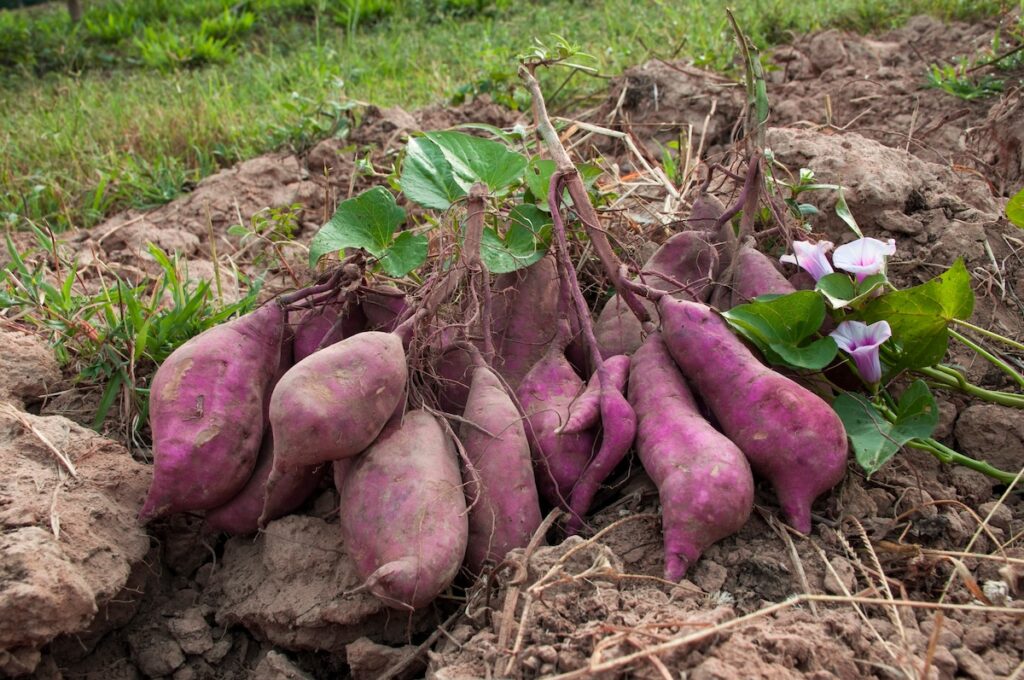
The soil mix is just as important as the bag itself. Sweet potatoes thrive in loose, well-draining, nutrient-rich soil. A recommended soil mix for grow bags includes:
- 50% Garden Soil: Provides structure and basic nutrients.
- 30% Compost or Organic Matter: Supplies essential nutrients for healthy growth.
- 20% Sand or Perlite: Ensures good drainage and prevents soil compaction.
Adding a small amount of balanced organic fertilizer can help provide additional nitrogen, phosphorus, and potassium, which supports vine growth and tuber development.
Planting Sweet Potatoes in Soil Bags
Planting in soil bags is simple, but there are a few key tips to maximize tuber production:
- Choose Healthy Slips: Use disease-free sweet potato slips (young shoots) or sprouted tubers. Each slip will develop into a new plant capable of producing multiple tubers.
- Plant Depth: Plant slips about 5–10 cm deep, ensuring roots are in contact with soil but shoots are above the surface.
- Spacing: For multiple plants per bag, ensure enough space for roots and tubers to spread. Overcrowding reduces tuber formation.
- Watering: Keep the soil consistently moist but avoid waterlogging. Overwatering can limit tuber growth and increase the risk of disease.
- Sunlight: Sweet potatoes need full sun for at least 6–8 hours per day. Place your soil bags in a sunny spot, such as a balcony, terrace, or backyard.
Caring for Sweet Potatoes in Soil Bags

Once planted, care is relatively straightforward:
- Mulching: Apply a thin layer of straw or dried leaves on top of the soil to retain moisture and regulate temperature.
- Fertilizing: Apply a balanced organic fertilizer every 3–4 weeks, especially during the early growth phase. Avoid excessive nitrogen, which encourages leafy growth but fewer tubers.
- Pruning: If vines become too long or tangled, trim lightly to redirect energy toward tuber formation.
- Pest Management: Watch for common pests such as aphids, whiteflies, and sweet potato weevils. Use natural remedies like neem oil or insecticidal soap.
Harvesting Sweet Potatoes from Soil Bags
Sweet potatoes in soil bags are usually ready to harvest 3–5 months after planting, depending on the variety and growing conditions. Signs of maturity include:
- Yellowing of the leaves
- Slower vine growth
- Firm tubers forming under the soil
To harvest, gently tip the soil bag and remove the tubers carefully to avoid bruising. Brush off excess soil and allow them to cure in a shaded, ventilated area for a week or two. Curing enhances sweetness and storage life.
Advantages of Growing Sweet Potatoes in Soil Bags
- Higher Yield per Plant: The controlled environment encourages multiple tubers rather than a single large tuber.
- Space Efficiency: Ideal for urban gardening, balconies, or small yards.
- Mobility: Soil bags can be moved to follow sunlight or avoid extreme weather.
- Ease of Maintenance: Less weeding, pest control, and soil management compared to in-ground planting.
Conclusion
Growing sweet potatoes in soil bags is a simple yet highly effective method to produce multiple tubers per plant. The combination of loose soil, good aeration, nutrient-rich soil, and controlled environment creates ideal conditions for tuber formation. Whether you’re an urban gardener with limited space or a home gardener looking to maximize yields, soil bags provide a reliable and rewarding solution.
By understanding why soil bag cultivation leads to more tubers, you can replicate the process and enjoy bountiful, homegrown sweet potatoes all year round. From selecting the right bag and soil mix to proper planting, care, and harvesting, every step contributes to maximizing your harvest and making the most of your home gardening space.
So, grab a soil bag, plant some healthy sweet potato slips, and experience the joy of seeing multiple tubers grow from just one plant. Your home garden—and your kitchen—will thank you!