
If you’ve ever tossed kitchen scraps or household waste into the trash and felt a twinge of guilt, you’re not alone. Every day, mountains of organic material end up in landfills when that same “trash” could be transformed into rich food for our plants. One of the best crops to benefit from recycled waste? Tomatoes! With a little creativity and guidance, you can use everyday leftovers to grow juicy, vibrant tomatoes—saving money, reducing waste, and improving soil health all at once.
In this blog post, we’ll explore how to turn trash into tomato-growing gold, why it works, what kinds of waste to use (and avoid), and how to apply these methods at home whether you have a garden, balcony, or small backyard.
Why Using Waste to Grow Tomatoes Works

Tomatoes are nutrient-hungry plants. They need nitrogen, potassium, calcium, and trace minerals to produce healthy vines and abundant fruit. Luckily, many of the nutrients they crave are hiding in everyday household waste—especially kitchen scraps. When processed or layered correctly, these “trashy” items can enrich soil naturally while reducing the need for synthetic fertilizers.
Here are three main reasons upcycling waste for tomato growth is so effective:
- Nutrient Recycling
Organic waste decomposes into compost packed with plant-friendly nutrients. Tomatoes thrive in nutrient-dense soil. - Improved Soil Structure
Compost and organic matter help loosen dense soil, increasing airflow and moisture retention—one of the keys to healthy tomato roots. - Waste Reduction
Instead of sending waste to landfills (where it produces methane), you can repurpose it into something productive and eco-friendly.
Types of “Trash” You Can Use to Grow Tomatoes
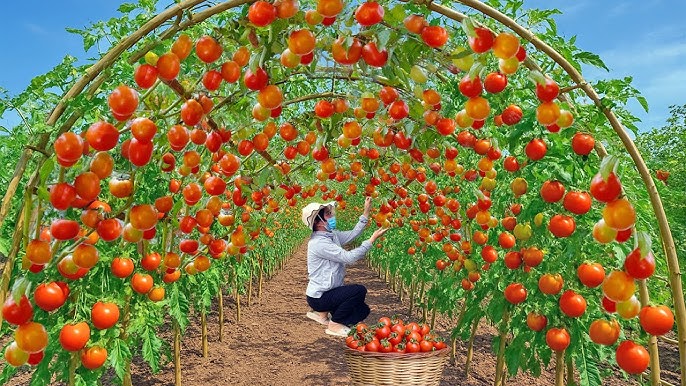
Not all waste belongs in the garden, but plenty of common household scraps are ideal for tomatoes. Here’s a breakdown of the best options and how each one helps your plants.
1. Eggshells – Nature’s Calcium Boost
Tomatoes need calcium to prevent blossom-end rot, a common condition where the fruit turns black at the bottom. Crushed eggshells break down slowly and release calcium gradually into the soil. You can:
- Rinse and dry shells
- Crush them into small pieces or powder
- Mix directly into potting soil or the planting hole
2. Banana Peels – Potassium Friends
Banana peels are rich in potassium, which helps tomato plants form flowers and fruit. Chop them into small pieces and bury them near the plant roots or add them to compost.
3. Coffee Grounds – Nitrogen Power
Used coffee grounds provide nitrogen and improve soil texture. They also attract earthworms, which aerate the soil. Sprinkle grounds at the base of tomato plants or mix into compost. Just avoid using too much at once, as it can make soil acidic.
4. Vegetable Peels and Fruit Scraps
Peels from carrots, cucumbers, apples, and other produce are excellent compost ingredients. Bury them in compost bins or trench compost directly into garden beds.
5. Newspaper and Cardboard
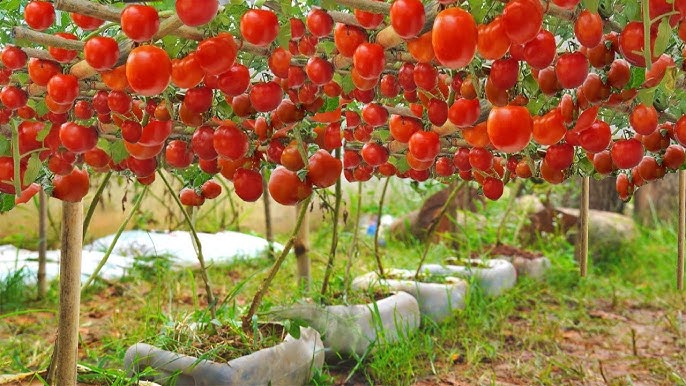
Shredded paper products (without glossy ink) can be used as mulch around tomato plants. They suppress weeds, retain moisture, and eventually decompose.
6. Grass Clippings and Leaves
These “yard wastes” can be layered with kitchen scraps to create rich compost. Dried leaves add carbon, while green clippings provide nitrogen.
7. Toilet Paper Tubes and Egg Cartons
These cardboard-based items are ideal biodegradable seed starters. Plant the entire tube or carton cell directly into the ground once seedlings grow.
Trash to Tomatoes: Step-by-Step Methods

You don’t need fancy equipment to put these scraps to good use. Try one or more of the following methods:
Method 1: Trench Composting for Tomatoes
This technique involves burying waste directly in the soil where your tomatoes will grow.
Steps:
- Dig a trench 8–12 inches deep in your garden or container.
- Add chopped kitchen scraps: banana peels, vegetable ends, crushed eggshells, coffee grounds, etc.
- Cover with soil.
- Plant tomato seedlings above or alongside the composted area after several weeks.
This creates a nutrient-rich zone that feeds the roots as waste decomposes.
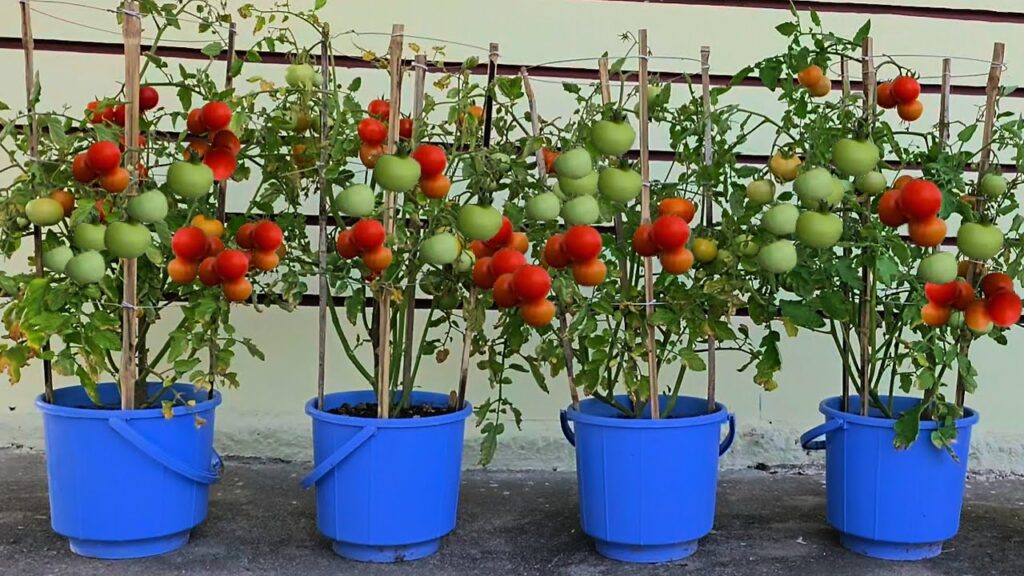
Method 2: Layering Scraps in Tomato Containers
If you grow tomatoes in pots or buckets, you can layer waste directly into the container base.
How to do it:
- Add a layer of shredded cardboard or dried leaves.
- Add chopped fruit/vegetable scraps.
- Top with several inches of potting soil.
- Plant your tomato seedling.
- Water lightly to begin decomposition.
As the plant grows, its roots will reach the nutrient-rich layers.
Method 3: DIY Compost Tower or Bin
If you prefer traditional composting:
- Create a small bin or pile using alternating layers of “greens” (kitchen scraps, grass clippings) and “browns” (paper, cardboard, dry leaves).
- Keep moist and turn occasionally.
- Once broken down, mix the compost into your tomato beds or containers.
Method 4: Mulching with Trash-Based Materials
Use shredded newspaper, dried leaves, or cardboard around the stems of tomato plants. This holds moisture, regulates temperature, and adds organic matter over time.
What NOT to Use
While many types of waste are garden-friendly, avoid the following:
- Meat, bones, or dairy products
- Oily or greasy food scraps
- Pet waste
- Heavily inked or glossy paper
- Citrus peels in large quantities (can affect soil pH)
- Plastic, metal, or treated materials
Common Challenges and How to Avoid Them
Even though using waste is a smart practice, a few hurdles can arise:
Od or and Pests
To avoid smells or attracting animals:
- Bury scraps at least 6 inches deep
- Cover with soil or leaves
- Avoid adding cooked food
Overfeeding Plants
Too much nitrogen from waste like coffee grounds can lead to leafy plants with fewer tomatoes. Balance nitrogen-heavy scraps with carbon-rich materials.
Slow Decomposition
Chop waste into small pieces to speed up breakdown. Adding finished compost or garden soil can introduce helpful microbes.
Slugs and Insects
Eggshells can double as barriers against slugs when sprinkled around stems.
Success Tips for Trash-Fed Tomatoes
Here are simple habits that boost your chances of tomato-growing success:
- Use garbage strategically: Even a handful of scraps in each planting spot can make a difference.
- Combine methods: Trench composting + eggshell mulch + coffee grounds = impressive results.
- Water properly: Organic matter helps retain water, but tomatoes still need consistent moisture.
- Stake plants early: Healthier roots from rich soil lead to fast vertical growth—support them before they sag.
- Rotate waste sources: Don’t rely only on coffee or banana peels. A mix leads to balanced soil nutrition.
Container Gardening with Trash-Based Fertilizers
Don’t have a garden? No problem. You can still recycle waste and grow tomatoes in containers on balconies, rooftops, or patios.
Here’s a simple recipe for a trash-powered tomato pot:
- Use a 5–10 gallon bucket or grow bag.
- Add 1–2 inches of shredded paper or cardboard at the bottom.
- Layer chopped veggie scraps and crushed eggshells.
- Cover with 6–8 inches of potting soil.
- Plant your tomato seedling.
- Add coffee grounds or banana peel pieces every few weeks.
- Mulch with dried leaves or shredded paper.
You’ll reduce garbage, feed your plants, and enjoy fresh produce—no compost bin needed.
The Bigger Picture: Eco-Friendly Gardening
When you use trash to grow tomatoes, you’re doing more than feeding a plant—you’re participating in a sustainable cycle.
Here’s the broader impact:
- Reduces landfill waste
- Cuts methane emissions
- Saves money on fertilizers
- Improves soil biodiversity
- Supports pollinators
- Encourages mindful living
Growing food from scraps is one of the simplest ways to make a difference. You don’t need acres of land or expensive tools—just a little creativity and consistency.
Final Thoughts: Your Trash is Tomato Treasure
Before you throw away that banana peel, coffee filter, eggshell, or produce scrap, consider this: you’re holding plant food in disguise. With a bit of planning and care, that “waste” can fuel a bountiful tomato harvest.
Whether you compost in a bin, bury scraps in a trench, build a container garden, or layer waste into raised beds, every effort contributes to healthier plants and a healthier planet.
So the next time someone says “It’s just trash,” you’ll know better. It’s the beginning of your next tomato plant.