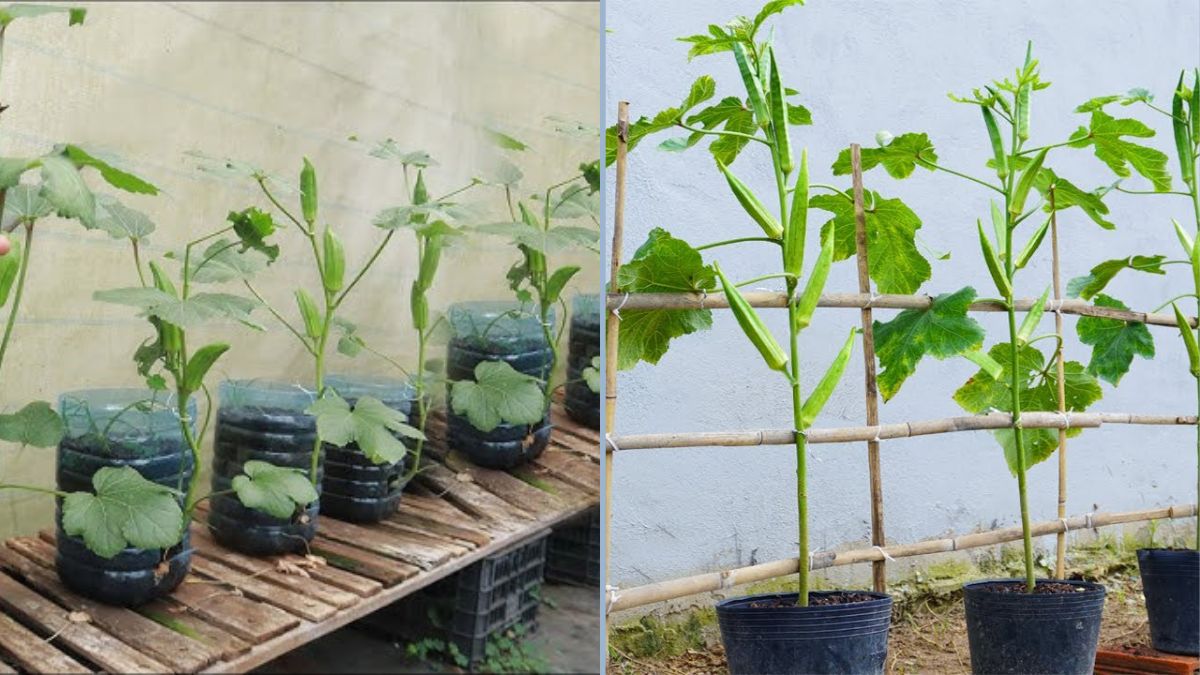
Okra, also known as lady’s finger or gumbo, is a beloved warm-season vegetable cherished for its tender pods and impressive resilience. Many gardeners grow okra during peak summer, only to watch yields decline or disappear once the temperatures shift. But what if you could harvest okra continuously—month after month, season after season?
Believe it or not, with the right strategies, it is possible to grow okra with abundant fruit all year round. Whether you live in a tropical region where heat persists year-long, or you garden in areas with mild winters, certain growing techniques can maximize production and extend the harvest dramatically.
In this article, you’ll discover the secrets to endless okra yields using soil preparation, pruning methods, climate strategies, natural fertilization, pest control, and varietal selection. Let’s unlock the formula for year-round okra success!
Step 1: Choose the Right Okra Variety
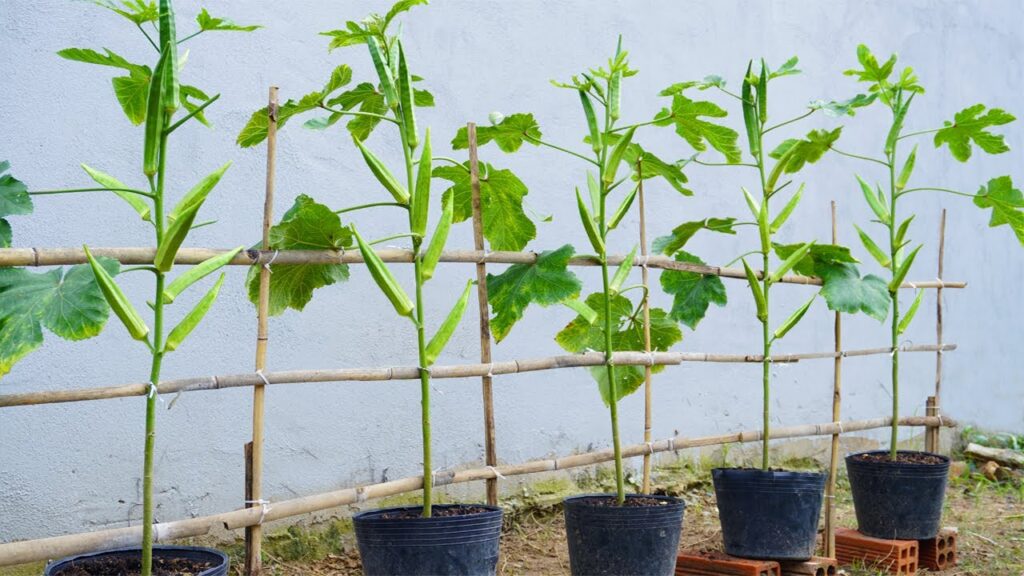
Not all okra plants produce equally. For continuous harvests, opt for hardy, high-yielding, and fast-producing varieties. Some of the best include:
- Clemson Spineless
Widely grown, high-yielding, and resistant to common pests. - Emerald Green Velvet
Produces long, thick pods over extended periods. - Jambalaya Okra
Compact and fast-growing—great for pots and small gardens. - Red Burgundy
Heat-loving and ornamental, produces tender red pods. - Nombo Giant
Excellent for tropical climates with strong disease resistance.
Choosing the right cultivar increases production speed and extends the fruiting cycle.
Step 2: Start with Rich, Well-Prepared Soil
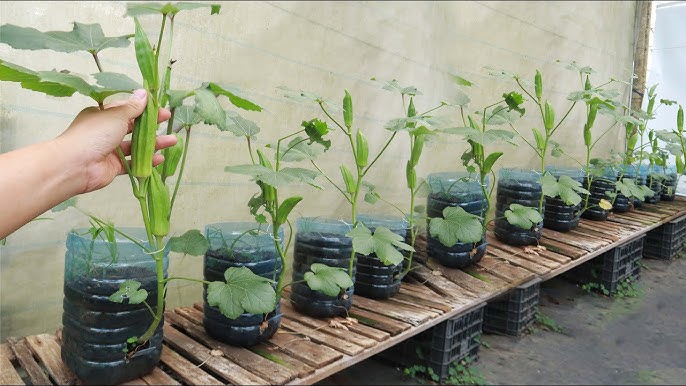
Okra is deep-rooted and loves loose, well-drained, fertile soil. To ensure vigorous, long-lasting plants:
Ideal Soil Conditions:
- pH: 6.0–6.8
- Depth: Loosen soil at least 12–16 inches
- Drainage: Must not stay soggy
Mix Organic Matter Into the Soil:
Before planting, incorporate:
- 2–3 inches of compost
- A handful of aged manure or worm castings
- Ash or bone meal for extra potassium and calcium
This provides the slow-release nutrients okra needs for continuous fruiting.
Step 3: Give Okra Enough Sunlight and Heat
Okra LOVES warmth and sunlight—these drive flowering and pod formation.
- Sunlight: Minimum 6–8 hours daily
- Ideal temperatures: 23°C–35°C (73°F–95°F)
- Night temperatures: Should not fall below 15°C (59°F)
To keep okra fruiting all year:
- In cooler regions, grow in raised beds, greenhouses, or polytunnels.
- In tropical/subtropical areas, rotate plants seasonally and stagger plantings.
Step 4: Smart Planting and Spacing for Continuous Harvest
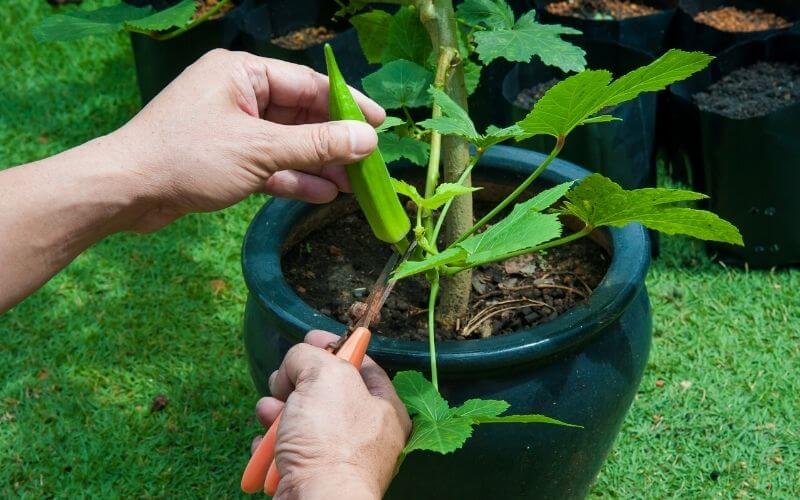
Crowded okra plants produce fewer pods. Proper spacing ensures airflow, fewer diseases, and longer plant life.
- Spacing: 12–18 inches between plants
- Row spacing: 2–3 feet
- Container growing: Use at least a 5–7 gallon pot per plant
For year-round harvesting, stagger your planting every 4–6 weeks so fresh plants mature as older ones slow down.
Step 5: Water the Right Way
Okra is drought-tolerant but needs consistent moisture for heavy production.
Watering Guidelines:
- Water deeply twice per week (more in hot climates)
- Avoid waterlogging—root rot stops pod production
- Use mulch to reduce evaporation: straw, dried leaves, grass clippings
When soil lacks water, okra pods grow tough and yields drop. Consistency is key.
Step 6: Prune and Rejuvenate Your Plants
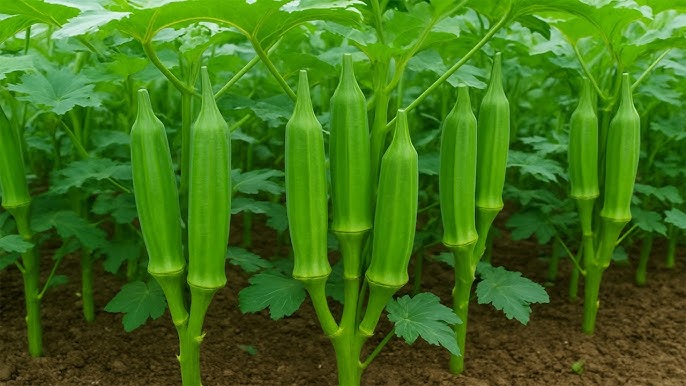
One of the BEST secrets to non-stop okra harvests is pruning or topping. This encourages new branching and additional flowers.
How to Prune Okra for More Fruit:
- Once the plant reaches 2–3 feet tall, cut off the top 4–6 inches.
- New side branches will form, each producing flowers and pods.
- Repeat pruning lightly every few months.
For older plants (6+ months old), cut the plant back to 1–2 feet from the base. In warm climates, it will regrow and produce again.
Step 7: Feed Okra Regularly with Natural Fertilizers
For plants that fruit continuously, nutrients deplete fast. Replenish them using organic amendments every 3–4 weeks:
Best Organic Fertilizers for Okra:
- Banana peel compost → boosts potassium (more flowers)
- Compost tea → improves soil microbes
- Cow, rabbit, or goat manure → balanced nutrition
- Wood ash → increases calcium, helps pod development
- Seaweed solution → full of trace minerals
Avoid excessive nitrogen (like urea), which causes tall leafy plants with few pods.
Step 8: Prevent Pests and Diseases Naturally
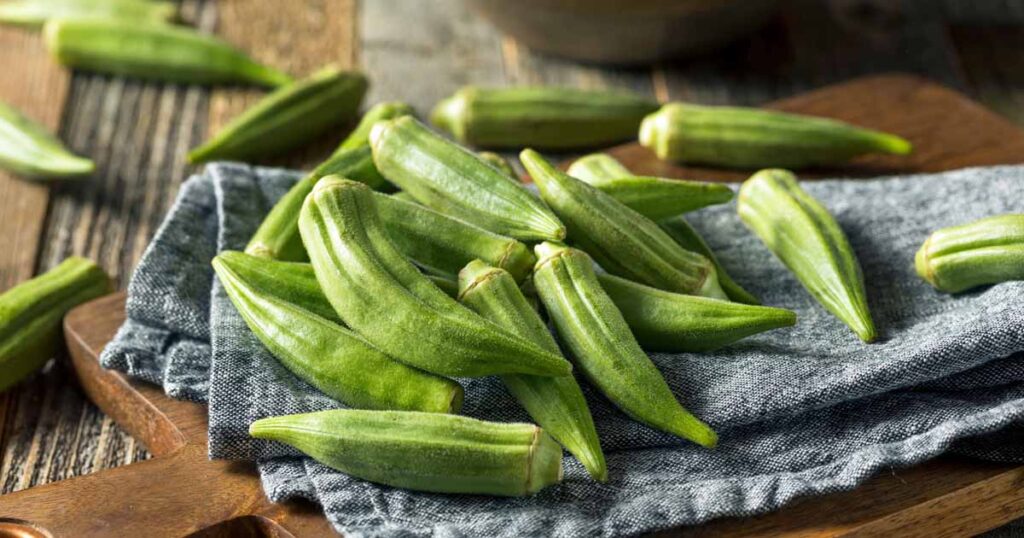
Healthy plants fruit longer. Common okra pests include aphids, fruit borers, spider mites, and whiteflies.
Natural Pest Remedies:
- Neem oil spray once per week
- Soap + water spray for mites and aphids
- Garlic-chili spray for leaf-eaters
- Introduce ladybugs or lacewings
Disease prevention:
- Don’t overwater
- Use crop rotation
- Remove old lower leaves
- Ensure airflow between plants
Step 9: Harvest Frequently to Stimulate More Pods
Okra stops producing when mature pods are left on the plant. To extend fruiting:
- Harvest pods every 1–2 days
- Pick when pods are 2–4 inches long
- Use scissors or snip gently to avoid damaging stems
- Do not allow pods to mature and harden—they signal the plant to stop flowering
Continuous picking leads to continuous production.
Step 10: Grow Okra Year-Round with Seasonal Strategies
Depending on your region, you can extend okra’s production with a few simple tricks.
Tropical Climates:
- Plant anytime except very rainy months
- Use pruning and fertilizing to renew year-old plants
- Stagger planting every 2 months
Mild/Warm Winters:
- Grow in raised beds or greenhouses
- Use plastic mulch or row covers
- Protect from cold drafts at night
Cold/Temperate Regions:
- Start seeds indoors 4–6 weeks before frost ends
- Use poly tunnels or indoor grow tents
- Grow dwarf varieties in containers and move indoors as needed
With protection and pruning, okra can fruit well beyond a single season.
Secrets Summary: How to Grow Okra with Lots of Fruit All Year
Here’s a quick rundown of the most powerful tips:
Choose long-fruiting okra varieties
Prepare nutrient-rich, well-draining soil
Give 6–8+ hours of sunlight
Space plants properly
Water deeply but don’t overdo it
Prune and top regularly for new branches
Fertilize with compost, peels, and manure
Control pests naturally
Harvest every 1–2 days
Stagger plantings and extend seasons with protection
With these methods, okra plants can remain healthy, productive, and fruiting for up to 18–24 months in the right conditions!
Final Thoughts: Your Homegrown Okra Supply, All Year Long
Imagine stepping into your garden or balcony and harvesting fresh okra anytime you want—no offseason, no scarcity, no wilted store produce. With the right combination of pruning, feeding, watering, and seasonal planning, year-round okra harvests are not only possible—they’re easy and sustainable.
Whether you have a backyard, terrace, or containers, these secrets turn okra into a continuous-yield crop. Start small, follow the steps, and within a few weeks, you’ll see the difference: more flowers, more pods, and more months of harvest!