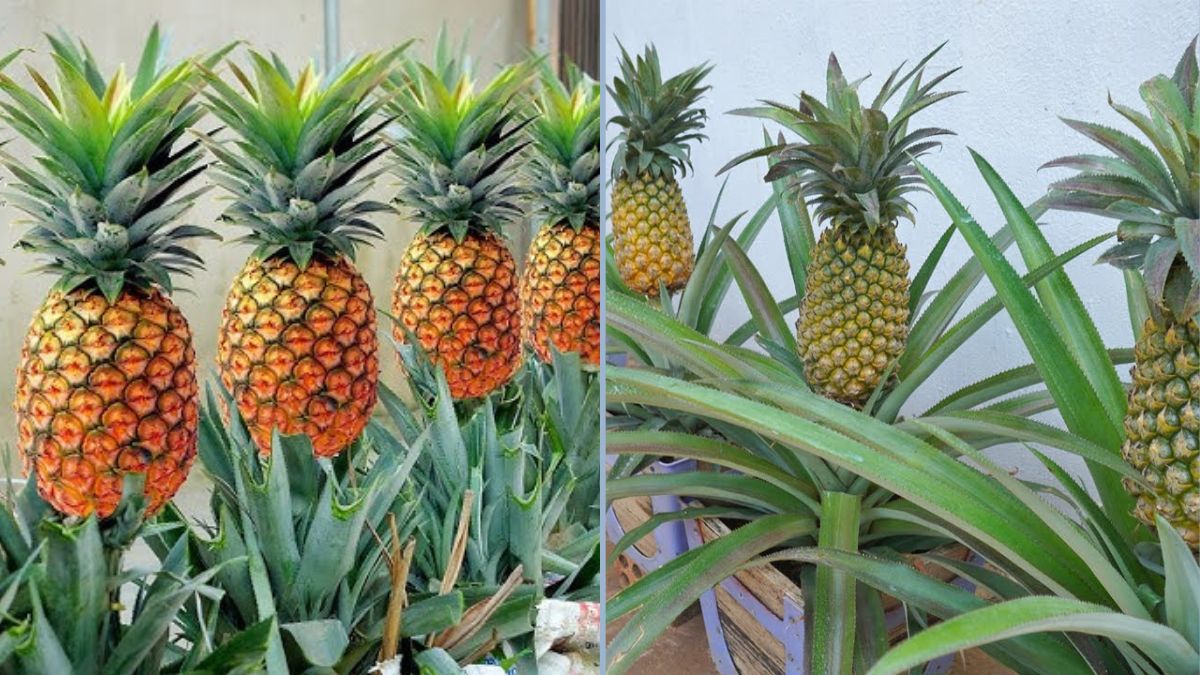
In today’s world, sustainability and creativity often go hand in hand, especially in gardening. With urban spaces shrinking and waste materials piling up, innovative solutions are not just helpful—they’re necessary. One such creative idea is using old plastic chairs to grow pineapples.
This may sound unusual at first, but it’s an efficient, eco-friendly, and space-saving way to cultivate this tropical fruit. Not only does this approach give new life to discarded items, but it also creates an accessible method for people to grow pineapples at home, on patios, balconies, or small garden spaces.
In this blog, we’ll explore why using old plastic chairs is a smart choice, how to prepare them for planting, step-by-step instructions for pineapple cultivation, and tips to ensure a healthy harvest.
Why Use Old Plastic Chairs?
1. Upcycling for Sustainability
Plastic waste is a significant environmental problem. Millions of plastic chairs end up in landfills each year. By repurposing them as planters, gardeners can reduce waste and create functional, sustainable growing systems.
2. Elevated Planting
Plastic chairs naturally raise plants off the ground, improving drainage and reducing the risk of pests like snails, slugs, and soil-borne insects. Elevation also makes gardening more accessible for those with back problems or mobility issues.
3. Space Efficiency
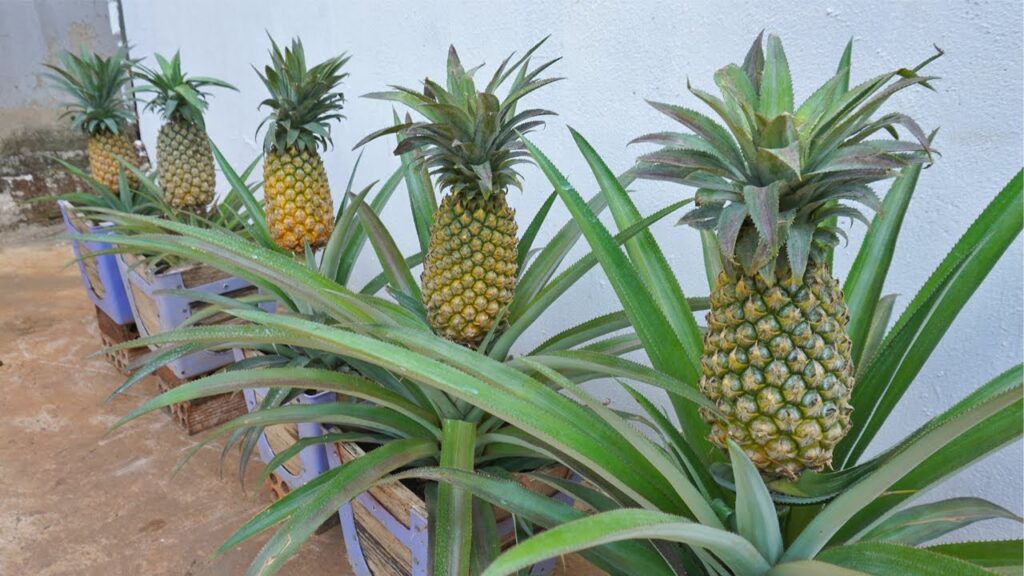
For urban gardeners with limited space, plastic chairs can serve as vertical planting systems. Multiple chairs stacked or placed creatively can hold several pineapples, maximizing productivity in a small area.
4. Cost-Effective Gardening
Instead of buying expensive pots or raised beds, old plastic chairs can be a free alternative. This method is both budget-friendly and environmentally responsible.
Understanding Pineapple Growth

Before using a chair as a planter, it’s important to understand how pineapples grow:
- Pineapples are tropical plants that thrive in well-draining soil.
- They grow slowly and can take 18–24 months to produce fruit from planting.
- They prefer sunny locations and moderate watering.
- They reproduce through crowns or suckers, which are the tops of mature fruits or side shoots.
Knowing these basics will help ensure your chair-gardened pineapples flourish.
Preparing an Old Plastic Chair for Planting
Step 1: Choose the Right Chair
Select a sturdy plastic chair with a hollow seat or slats that can hold soil. Avoid chairs that are cracked or brittle, as they may break under the weight of soil and plants.
Step 2: Clean the Chair
Wash the chair thoroughly to remove dirt, mold, or chemicals that may harm the plant. Use mild soap and water, and rinse well.
Step 3: Create Drainage Holes
Drill or cut small holes in the seat of the chair to allow excess water to drain. Proper drainage is essential to prevent root rot and fungal growth.
Step 4: Add a Soil Base
Place a layer of small stones, gravel, or broken pottery at the bottom for additional drainage. Then, fill the seat with well-draining soil mixed with compost. Pineapples prefer slightly acidic soil with good organic matter content.
Planting Pineapple Crowns in Plastic Chairs
Step 1: Prepare the Crown
Remove the leafy top from a mature pineapple. Let it dry for a day or two to reduce the risk of rotting when planted. Strip off a few of the lower leaves to expose the base.
Step 2: Plant the Crown
Insert the pineapple crown into the soil in the chair, burying just the base. Make sure it is firm and upright.
Step 3: Watering
Water the soil lightly but consistently. Pineapples don’t like waterlogged conditions, so allow the soil to dry slightly between watering sessions.
Step 4: Positioning
Place the chair in a sunny spot. Pineapples require at least 6 hours of sunlight daily. The elevated chair position allows air circulation, which reduces fungal risks and promotes healthy growth.
Caring for Pineapples in Plastic Chairs

1. Watering Tips
Pineapples are drought-tolerant but need occasional deep watering, especially during dry spells. Overwatering can lead to root rot, so the elevated chair planter helps maintain optimal moisture levels.
2. Fertilization
Feed the plant with a balanced, slow-release fertilizer every 2–3 months. Pineapples benefit from nitrogen during early growth and potassium during fruiting stages.
3. Pruning
Remove dead or yellowing leaves to promote airflow and reduce the risk of pests. Suckers or side shoots can be pruned or used to propagate new plants.
4. Pest Management
Plastic chairs reduce exposure to ground pests, but aphids, mealybugs, or scale insects may still attack. Inspect leaves regularly and use natural remedies like neem oil when necessary.
Benefits of Growing Pineapples in Chairs

- Mobility: Chairs can be moved to adjust sunlight exposure or protect plants from extreme weather.
- Urban Gardening Friendly: Ideal for balconies, terraces, or small patios.
- Unique Aesthetic: Adds a creative and fun element to your garden. Painted or decorated chairs can serve as decorative planters.
- Educational: Great project for schools or community gardens to teach sustainability and plant biology.
Common Mistakes to Avoid
- Choosing a Weak Chair: Thin plastic may collapse under soil and plant weight.
- Overwatering: Despite drainage holes, excessive water can still accumulate.
- Ignoring Sunlight Needs: Pineapples need direct sunlight; shade slows growth.
- Planting Crowns Too Deep: Only the base should be buried; deep planting may lead to rot.
- Neglecting Soil Quality: Pineapples require nutrient-rich, well-draining soil.
Harvesting Pineapples
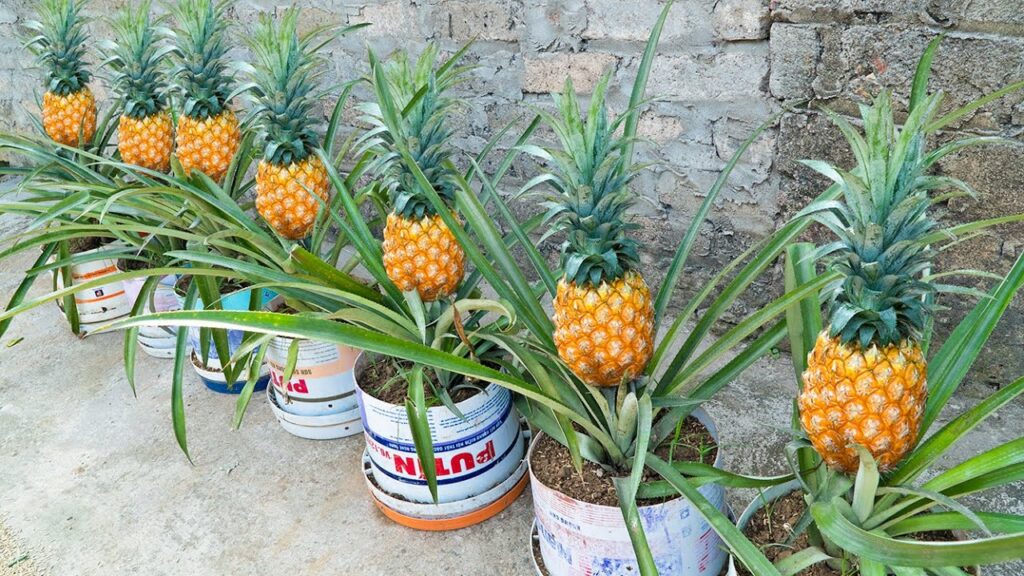
Patience is key. Pineapples typically take 18–24 months to bear fruit. Signs of maturity include:
- Fruit turning golden yellow at the base
- Sweet aroma developing
- Leaves around the fruit slightly loosening
Use a sharp knife to cut the fruit from the plant. Keep the crowns for propagation to grow your next batch of pineapples.
Creative Variations
- Stacked Chair Gardens: Use multiple chairs to create a vertical pineapple garden.
- Decorative Planters: Paint old chairs to match your garden theme.
- Mixed Planting: Combine pineapples with herbs or flowers for a multi-layered planter.
Conclusion
Using old plastic chairs to grow pineapples is an ingenious combination of sustainability, creativity, and practicality. It’s perfect for urban gardeners, eco-conscious individuals, and anyone looking to make the most of small spaces.
Not only does this method reduce plastic waste, but it also elevates your gardening game—literally—while providing a rewarding and functional homegrown fruit harvest.
So next time you see an old plastic chair gathering dust, don’t throw it away. Give it a new purpose and start your very own pineapple garden—one chair at a time.
With a little patience, care, and sunlight, your repurposed chair could soon be producing golden, sweet, tropical fruits right in your backyard or balcony.