
Kohlrabi, often called the “German turnip,” is a versatile vegetable that is crisp, mildly sweet, and packed with nutrients. From crunchy salads to savory soups, kohlrabi adds a unique flavor and texture to many dishes. Despite its culinary appeal, it’s not always easy to find fresh, affordable kohlrabi at local supermarkets.
Fortunately, growing your own kohlrabi at home is not only possible but surprisingly simple. With the right techniques, you can enjoy fresh, homegrown kohlrabi year-round, saving money and ensuring the highest quality produce. In this guide, we’ll explore an effective method for cultivating kohlrabi that could make supermarket trips for this vegetable a thing of the past.
Why Grow Kohlrabi at Home?
1. Freshness and Flavor
Homegrown kohlrabi is crisp, juicy, and full of flavor. Unlike store-bought vegetables, which may sit in transit or on shelves for days, homegrown kohlrabi is harvested at its peak, ensuring optimal taste.
2. Nutritional Benefits
Kohlrabi is rich in vitamin C, potassium, fiber, and antioxidants. It supports immunity, aids digestion, and contributes to overall health. Growing it at home guarantees fresh nutrients without preservatives or chemicals.
3. Cost Savings
Buying kohlrabi from the supermarket can be expensive, especially for organic varieties. Cultivating it yourself reduces costs and provides multiple harvests from a single planting season.
4. Sustainability
Home gardening reduces carbon footprints associated with transporting produce and promotes eco-friendly practices by minimizing plastic packaging and waste.
Understanding Kohlrabi Growth
Before planting, it’s essential to understand kohlrabi’s growth habits:
- Kohlrabi is a cool-season crop, thriving in temperatures between 60–75°F (16–24°C).
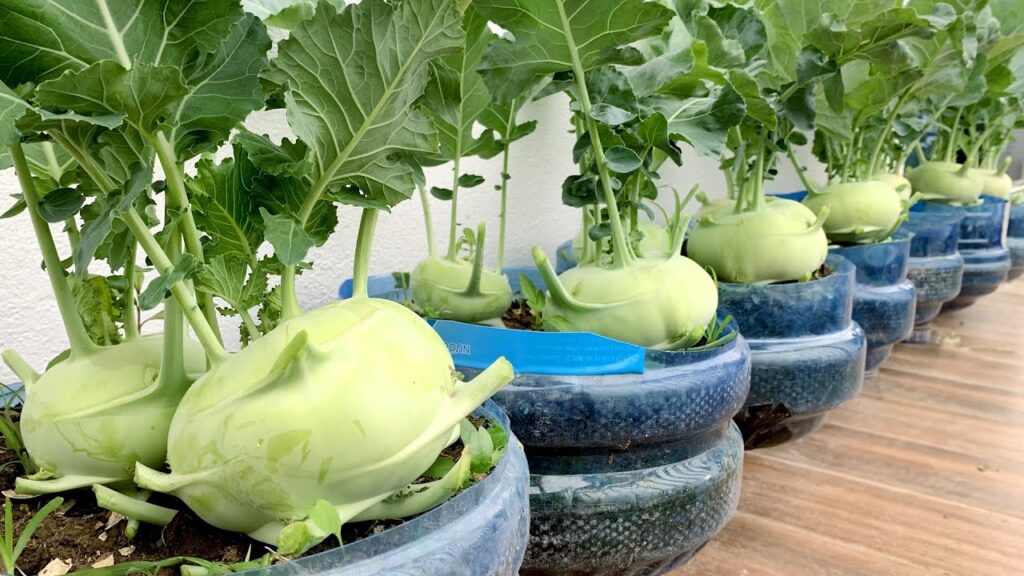
- It forms swollen stems (bulbs) above the ground, which are the edible portion.
- Kohlrabi prefers loose, fertile soil with excellent drainage.
- It can be grown from seeds or seedlings and matures in 55–70 days depending on the variety.
Knowing these basics helps ensure a successful home harvest.
Step-by-Step Guide: Growing Kohlrabi at Home
1. Choose the Right Variety
Select a kohlrabi variety suited to your climate. Popular types include:
- ‘Purple Vienna’ – vibrant purple skin, mild flavor
- ‘White Vienna’ – classic light green, tender bulbs
- ‘Gigante’ – produces large bulbs, ideal for hearty meals
2. Prepare Your Soil
Kohlrabi grows best in loamy, nutrient-rich soil with a slightly acidic to neutral pH (6.0–7.5). Mix in compost or aged manure to boost fertility. Ensure the soil is loose to allow bulbs to expand easily.
3. Planting Seeds or Seedlings
- From Seeds: Sow seeds ¼–½ inch deep, spaced about 6–8 inches apart in rows 12–18 inches apart.
- From Seedlings: Transplant young plants at the same spacing after 3–4 weeks of germination.
Keep soil consistently moist until seedlings establish strong roots.
4. Watering
Kohlrabi requires regular watering to grow tender, juicy bulbs. Water deeply once or twice a week, ensuring the soil remains evenly moist but not waterlogged.
5. Thinning Plants
When seedlings reach 2–3 inches tall, thin them to prevent overcrowding. Proper spacing ensures bulbs grow uniformly and reach optimal size.
Fertilizing Kohlrabi
- Initial Fertilization: Mix a balanced fertilizer into the soil at planting time.
- Side-Dressing: When plants are 3–4 inches tall, apply nitrogen-rich fertilizer along the rows to encourage bulb development.
- Avoid Over-Fertilizing: Excess nitrogen promotes leafy growth over bulb formation.
Managing Pests and Diseases
Kohlrabi can attract common garden pests such as:
- Aphids: Spray with neem oil or a mild insecticidal soap.
- Cabbage Worms: Handpick or use row covers to protect plants.
- Flea Beetles: Apply mulch or floating row covers to reduce infestation.
Rotate crops annually to prevent soil-borne diseases like clubroot and downy mildew.
Harvesting Kohlrabi

Kohlrabi is ready to harvest when bulbs are 2–3 inches in diameter. Overgrown bulbs can become woody and tough. To harvest:
- Pull the entire plant gently from the soil.
- Trim leaves, leaving 1–2 inches above the bulb.
- Use fresh or store in a cool, dry place for up to two weeks.
Harvesting regularly encourages continued growth and prevents plants from bolting.
Tips for Year-Round Kohlrabi
- Succession Planting: Sow seeds every 2–3 weeks for a continuous harvest.
- Cool-Season Gardening: Plant early spring or late summer for optimal growth.
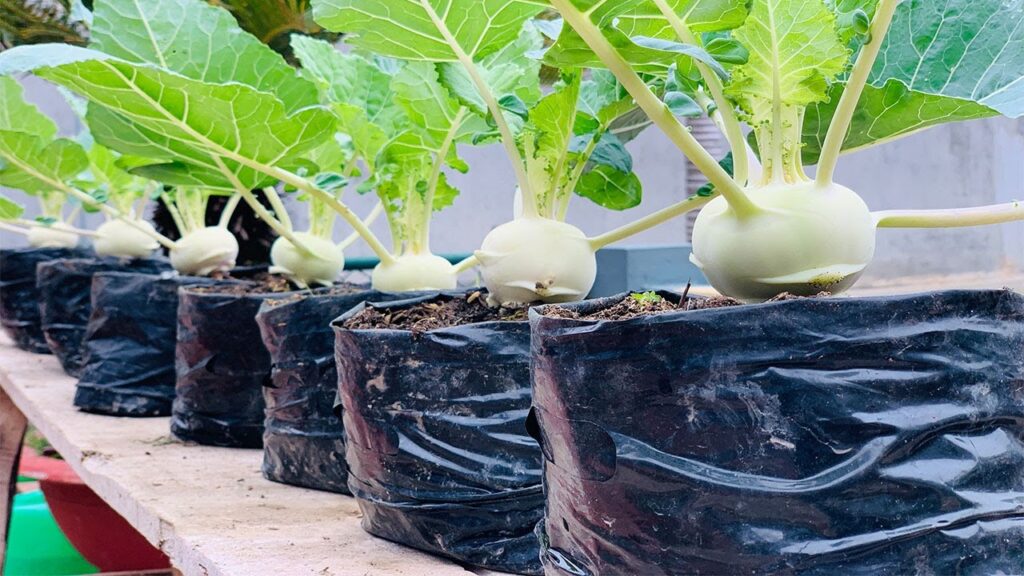
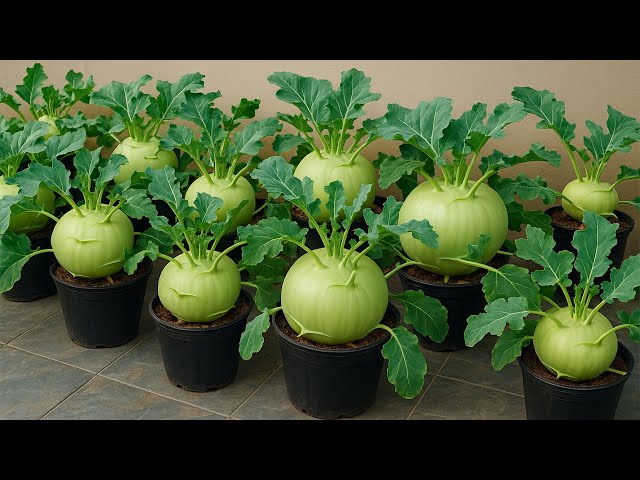
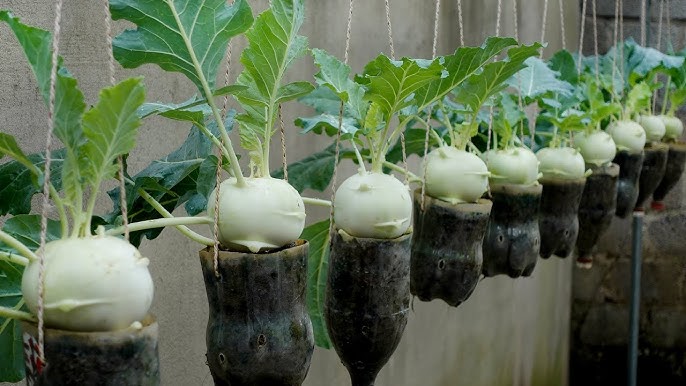
- Container Gardening: Kohlrabi grows well in large pots, making it ideal for small gardens or patios.
Culinary Uses of Kohlrabi
Kohlrabi is versatile and can be used in many dishes:
- Raw: Slice or shred for salads and slaws.
- Roasted: Toss bulbs with olive oil and herbs, then roast until tender.
- Steamed or Sautéed: Add to stir-fries or side dishes.
- Soups and Stews: Adds mild sweetness and texture to hearty recipes.
- Leaves: Don’t discard the leafy greens—they’re edible and nutritious!
Common Mistakes to Avoid
- Planting Too Late: Kohlrabi prefers cool weather; avoid hot summer planting.
- Overcrowding: Insufficient spacing leads to small, misshapen bulbs.
- Neglecting Water: Irregular watering can cause tough, fibrous bulbs.
- Ignoring Pests: Proactive pest control prevents damage and crop loss.
- Over-Fertilizing: Too much nitrogen delays bulb development.
Benefits of Growing Your Own Kohlrabi
- Cost-Effective: Reduces dependence on store-bought vegetables.
- Healthier Produce: Free from preservatives and chemicals.
- Sustainable: Less packaging and transportation footprint.
- Educational: Fun project for families and children to learn about gardening.
- Flavorful: Enjoy the superior taste and texture of fresh, homegrown bulbs.
Conclusion
Growing kohlrabi at home is easier than many realize. By following simple planting, watering, and care guidelines, you can cultivate a thriving crop that keeps your kitchen stocked year-round. With the right techniques, there’s no reason to buy supermarket kohlrabi ever again.
From selecting the right variety to managing pests and harvesting at the perfect size, homegrown kohlrabi provides an affordable, nutritious, and delicious alternative to store-bought vegetables.
Whether you have a spacious garden, a balcony, or just a few containers, kohlrabi is a rewarding vegetable that’s well worth the effort. With patience and care, you can enjoy the satisfaction of growing your own fresh, crisp, and flavorful kohlrabi—right from your backyard.