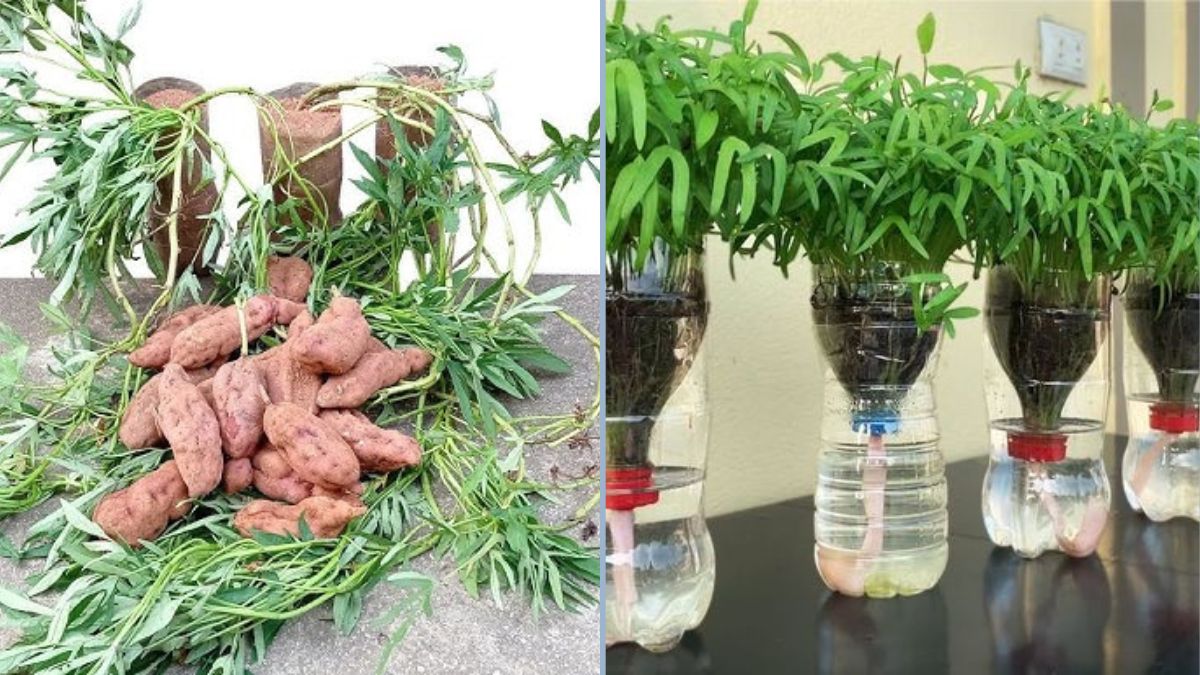
Urban gardening has become an innovative solution for people living in apartments, rooftops, and areas with limited space. Growing your own vegetables not only ensures fresh, nutritious food but also promotes sustainability and environmental consciousness. Among the many crops you can grow at home, yam stands out as a nutritious, versatile, and satisfying plant.
But what if you don’t have a garden or large pots? The solution is simple: recycle plastic bottles to create convenient, space-saving yam planters. This eco-friendly technique reduces plastic waste while giving you the opportunity to cultivate healthy yams in your own home.
In this blog post, we’ll guide you step by step on how to recycle plastic bottles to grow yam plants, provide tips for care and maintenance, and share advice on maximizing your yield.
Why Grow Yams in Recycled Plastic Bottles?
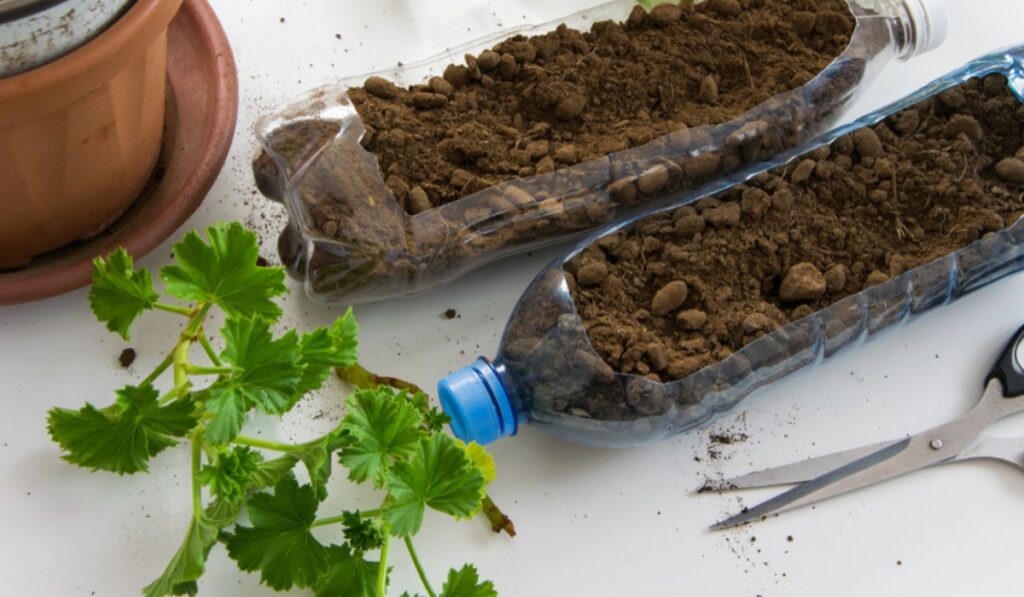
Plastic bottles are often discarded as waste, but they can be transformed into functional gardening containers. Here are a few reasons why recycled bottles are perfect for growing yams:
- Eco-Friendly: Repurposing bottles reduces plastic pollution and promotes sustainable gardening practices.
- Cost-Effective: Empty bottles are free and easily available, eliminating the need to buy expensive pots.
- Space-Saving: Ideal for rooftops, balconies, or small spaces where traditional gardening isn’t feasible.
- Controlled Growth: Bottles allow you to monitor water levels and soil conditions, improving yam health.
- Portability: Lightweight bottles can be easily moved to adjust sunlight exposure or protect plants during harsh weather.
Materials You’ll Need
To get started, gather the following materials:
- Large plastic bottles (2–3 liters work best)
- Utility knife or scissors
- Healthy yam tubers or cuttings
- Soil (a mix of compost and garden soil is ideal)
- Water
- Small pebbles for drainage
- Twine or string (optional for vertical support)
Step-by-Step Guide to Growing Yam Plants in Plastic Bottles
Step 1: Preparing the Plastic Bottles
- Wash the bottles thoroughly to remove any residue.
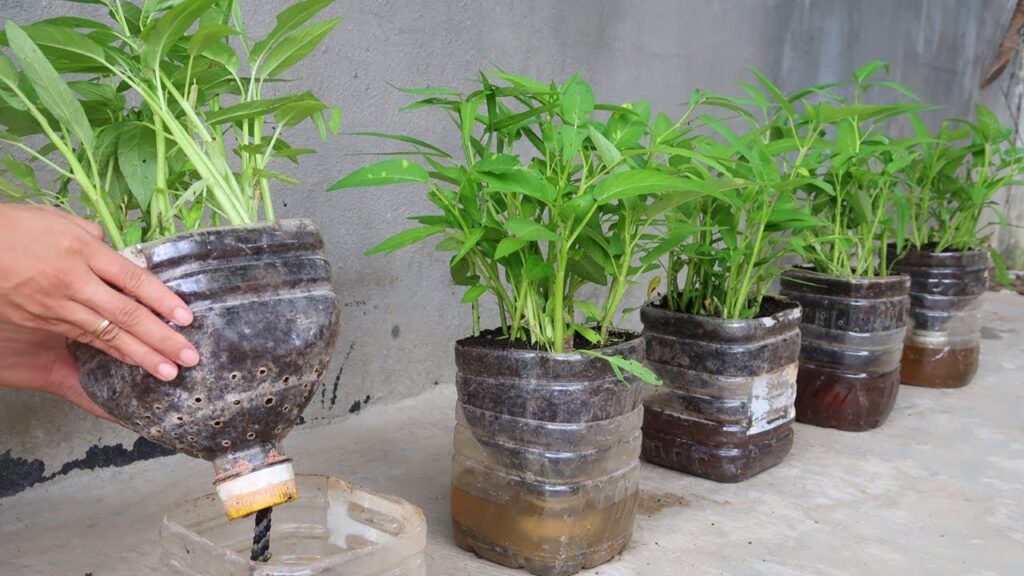
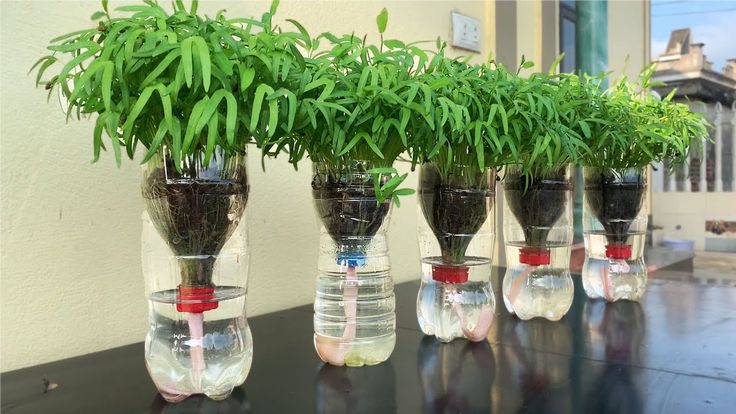
- Cut the bottle horizontally or make a slit to create space for planting. One effective method is to cut off the top section and invert it into the bottom half to create a self-watering system.
- Ensure there are drainage holes at the bottom to prevent waterlogging.
Step 2: Adding Drainage
- Place a layer of small pebbles at the bottom of the bottle.
- Drainage is essential to prevent root rot and allow the yam to develop strong tubers.
Step 3: Filling with Soil
- Fill the bottle with nutrient-rich soil, leaving some space at the top for watering.
- A mixture of compost and garden soil works best for yams, providing both nutrients and proper aeration.
Step 4: Planting the Yam
- Use healthy yam tubers or cuttings.
- Place the yam in the soil with the buds or sprouts facing upward.
- Cover lightly with soil and gently pat down to secure the tuber.
- If using vertical support, insert twine or string to help the yam vine climb as it grows.
Step 5: Watering and Care
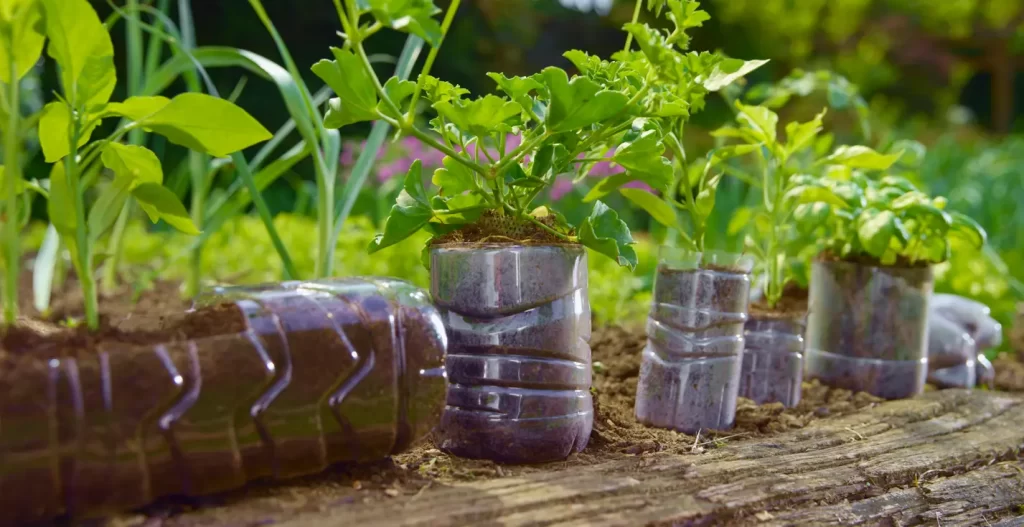
- Water the soil gently, keeping it moist but not soggy.
- If using a self-watering bottle setup, ensure the reservoir is filled so the soil receives consistent moisture.
- Place the bottles in a sunny location that receives at least 4–6 hours of sunlight daily.
Tips for Healthy Yam Growth
- Sunlight: Yams need plenty of sunlight for photosynthesis and healthy tuber growth.
- Fertilizing: Apply a balanced liquid fertilizer every 2–3 weeks to promote strong growth.
- Pruning: Trim excessive leaves to improve airflow and reduce the risk of fungal diseases.
- Support: Yam vines can grow long and heavy. Use stakes or strings to prevent them from breaking or sprawling.
- Pest Management: Monitor for pests like aphids or caterpillars and treat naturally with neem oil or mild soap spray if needed.
Benefits of Growing Yam Plants in Plastic Bottles
- Efficient Use of Space: Bottles allow you to grow yams in limited spaces, like rooftops or balconies.
- Eco-Friendly Gardening: Recycling bottles reduces plastic waste while promoting a sustainable lifestyle.
- Portable and Flexible: Easily move bottles to adjust sunlight exposure or protect plants from extreme weather.
- Nutrient Control: You can regulate soil nutrients and water, ensuring optimal yam growth.
- Educational Opportunity: This project is great for teaching kids or beginners about plant growth, sustainability, and creative gardening solutions.
Common Mistakes to Avoid
- Neglecting Drainage: Without proper drainage, yam tubers can rot. Always add pebbles and drainage holes.
- Overcrowding: Plant only one yam tuber per bottle to ensure strong, healthy growth.
- Ignoring Sunlight: Yams require adequate sunlight for healthy tuber formation.
- Overwatering: Excess water can lead to root rot. Monitor moisture levels carefully.
- Poor Soil Quality: Nutrient-deficient soil produces weak tubers. Always mix compost for better results.
Harvesting Yams from Plastic Bottles
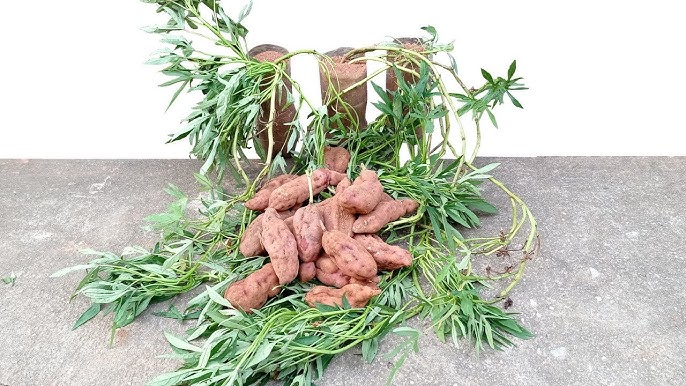
- Yams typically take 6–9 months to mature, depending on the variety and growing conditions.
- Gently loosen the soil around the tuber using a stick or hand tool.
- Carefully pull the yam out to avoid damage.
- Leaves can also be harvested for cooking—they’re edible and nutritious.
Expanding Your Plastic Bottle Garden
Once you’ve successfully grown yams in bottles, you can try other vegetables and root crops using the same technique, such as:
- Sweet potatoes
- Carrots
- Radishes
- Ginger
- Herbs like mint, basil, or coriander
By stacking bottles or using vertical supports, you can create a productive mini garden even in small urban spaces.
Conclusion
Recycling plastic bottles to grow yam plants is an innovative, sustainable, and rewarding approach to urban gardening. This method allows anyone to cultivate nutritious, homegrown yams while reducing plastic waste and making efficient use of limited space.
By following these steps—from preparing the bottles to planting, watering, and harvesting—you can transform ordinary plastic waste into thriving yam plants. This technique is ideal for beginners, eco-conscious gardeners, and anyone looking to enjoy fresh, healthy vegetables without a traditional garden.
Start small, be patient, and watch your yam vines flourish. From sprouting tubers to harvesting mature yams, this DIY plastic bottle gardening project provides both delicious produce and an environmentally friendly gardening solution.