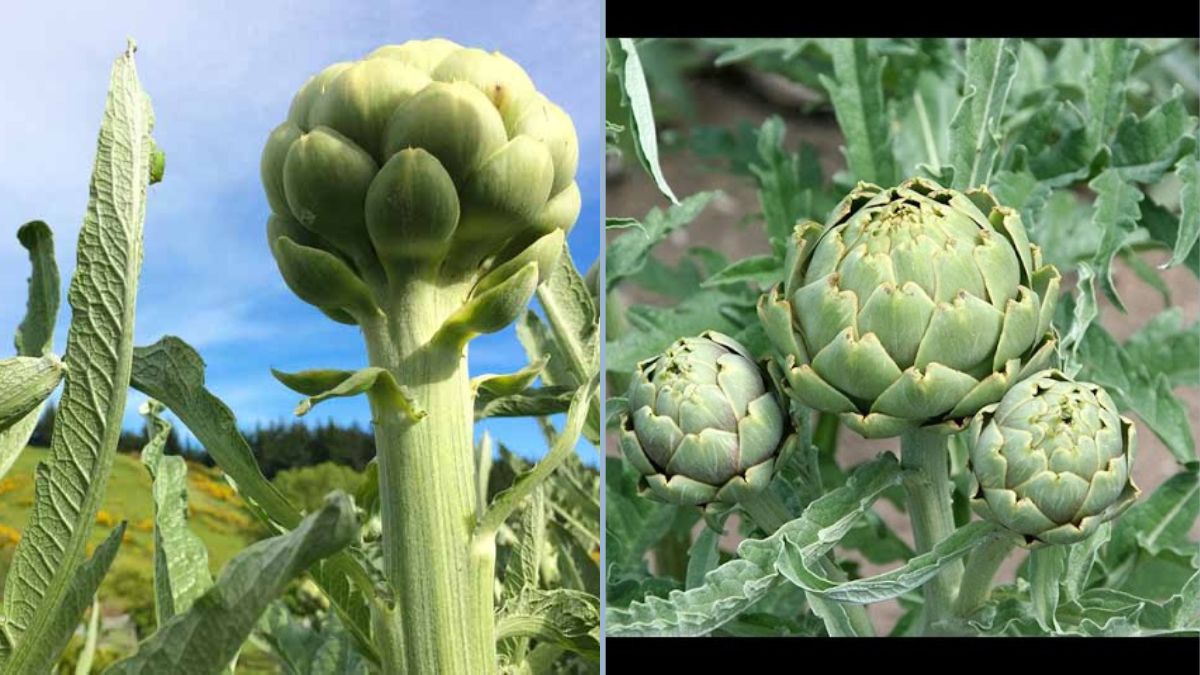
Artichokes are a unique and delicious vegetable, prized for their tender edible hearts and intricate flavor. While often associated with Mediterranean cuisine, growing artichokes at home is entirely possible—even for urban gardeners with limited space. With the right care, you can enjoy fresh, homegrown artichokes straight from your garden.
In this comprehensive guide, we’ll take you through the entire process of growing artichokes, from selecting the best varieties to planting, caring for your plants, and harvesting. By the end, you’ll have all the knowledge you need to cultivate these impressive plants successfully.
Why Grow Artichokes at Home?
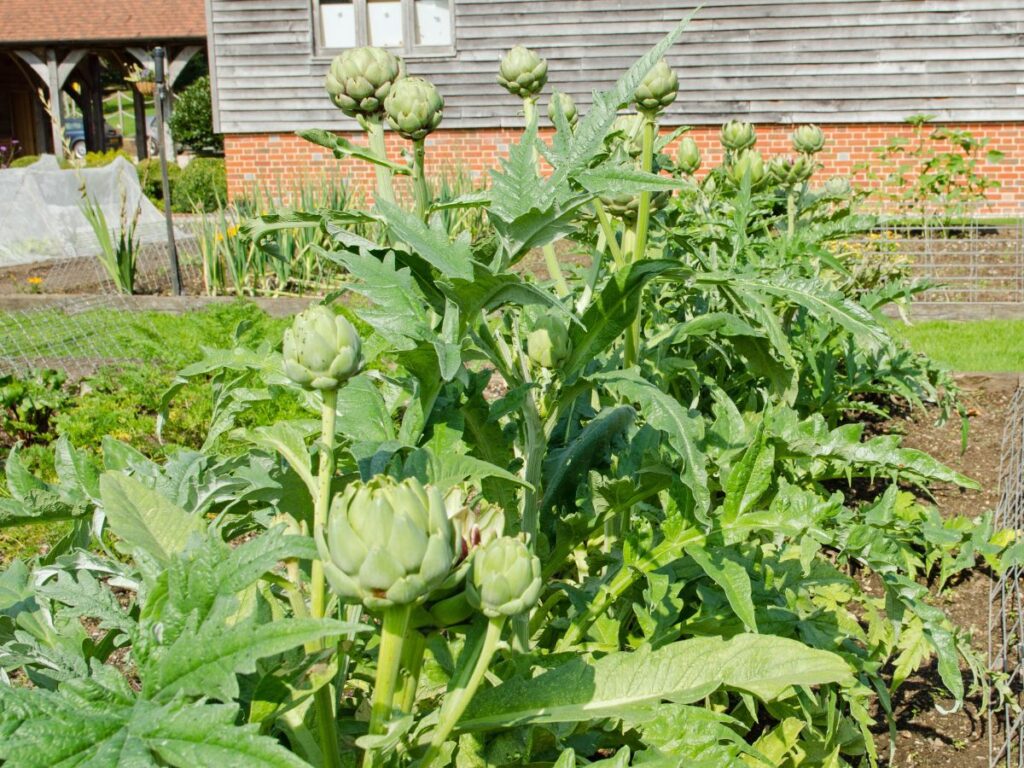
Homegrown artichokes have several advantages over store-bought ones:
- Freshness: Nothing compares to the flavor and texture of freshly harvested artichokes.
- Nutritional Value: Artichokes are packed with antioxidants, fiber, vitamins, and minerals.
- Control Over Growing Conditions: Avoid pesticides and chemicals commonly used in commercial farming.
- Garden Aesthetics: Artichoke plants are large, beautiful, and add an ornamental touch to any garden.
- Educational and Rewarding: Watching an artichoke grow from seed or transplant to harvest is a fulfilling gardening experience.
Choosing the Right Artichoke Variety
Selecting the right variety depends on your climate and growing conditions:
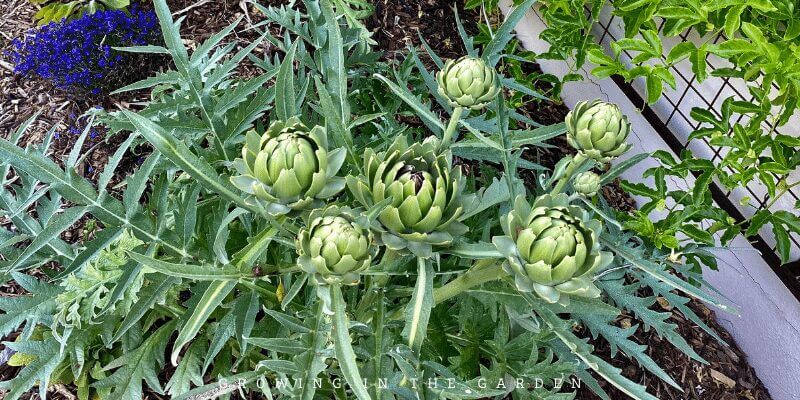
- Globe Artichokes: The most common variety, producing large, classic artichokes with a rounded shape. Best suited for Mediterranean climates.
- Purple Artichokes: These have a slightly sweeter flavor and a vibrant purple hue. They are often more cold-tolerant.
- Jerusalem Artichokes (Sunchokes): Technically a sunflower relative, they produce edible tubers rather than classic artichoke buds.
Starting Artichokes from Seeds or Transplants
From Seeds:
- Start seeds indoors 8–12 weeks before the last frost date.
- Sow seeds ¼ inch deep in seed-starting mix.
- Keep soil consistently moist and maintain a temperature of 70–75°F.
- Germination usually takes 10–20 days.
From Transplants:
- Buying young artichoke plants can save time and give you a head start.
- Transplants should have 4–6 healthy leaves and a strong root system.
Preparing Your Garden for Artichokes
- Location: Artichokes prefer full sun and well-drained soil. Choose a spot that receives at least 6–8 hours of sunlight per day.
- Soil: Enrich soil with compost or well-rotted manure. Artichokes thrive in slightly acidic to neutral soil (pH 6.5–7.5).
- Spacing: Artichokes are large plants; space them 3–4 feet apart to allow room for growth and airflow.
Planting Artichokes
- Dig a hole slightly larger than the root ball of your seedling or transplant.
- Place the plant in the hole, ensuring the crown is just above soil level.
- Backfill with soil and firm gently.
- Water thoroughly to settle the soil around the roots.
Caring for Artichoke Plants
- Watering: Artichokes require consistent moisture, especially during bud development. Water deeply 1–2 times per week, depending on rainfall and soil conditions.
- Mulching: Apply mulch around the base to retain moisture, suppress weeds, and regulate soil temperature.
- Fertilizing: Feed artichokes with a balanced fertilizer every 3–4 weeks during the growing season. Nitrogen-rich fertilizers encourage leaf and bud growth.
- Pruning: Remove dead or damaged leaves regularly to prevent disease and improve air circulation.
Supporting Artichoke Growth
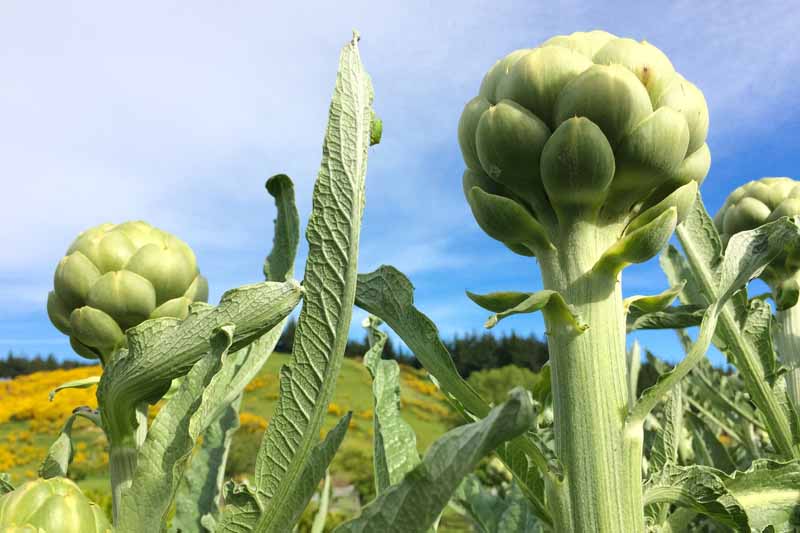
Artichokes can grow tall and heavy, especially when the buds form. Consider these supports:
- Stakes or cages: Use stakes or tomato cages to support plants and prevent bending or breaking.
- Wind protection: If you live in a windy area, use a windbreak or plant in a sheltered location.
Pest and Disease Management
Artichokes are generally hardy but can be affected by pests or diseases:
- Aphids: Small insects that cluster on leaves or buds. Spray with a mild soap solution or neem oil.
- Slugs and snails: Feed on young leaves. Handpick or use organic slug traps.
- Powdery Mildew: White fungal growth on leaves. Ensure good airflow and avoid overhead watering.
- Verticillium Wilt: Soil-borne fungus causing yellowing leaves. Rotate crops and remove infected plants.
Harvesting Artichokes
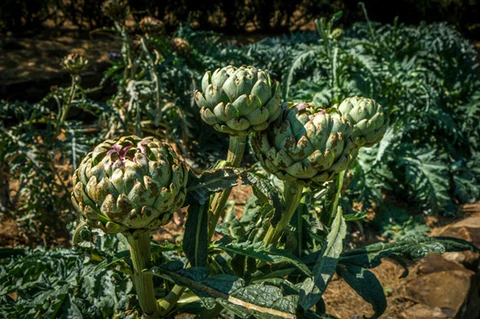
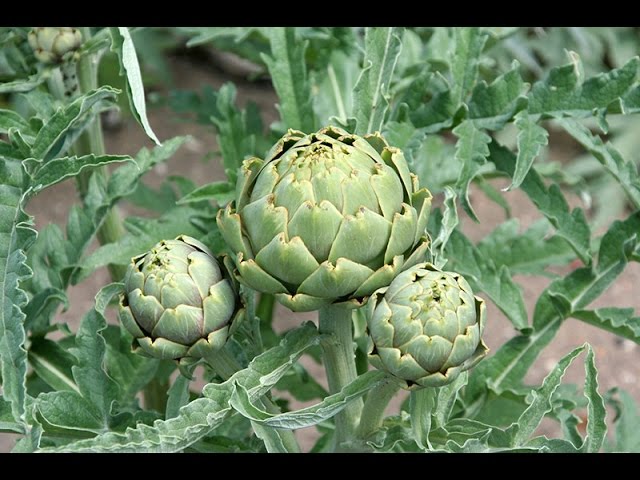
- Artichokes are ready to harvest when the buds are tight and firm, usually 85–100 days after planting.
- Cut the bud with 1–3 inches of stem attached using a sharp knife.
- Harvest regularly to encourage more bud production.
- Smaller side buds will develop after the main bud is removed, extending your harvest season.
Extending the Artichoke Season
- In warmer climates, artichokes can be perennial, producing for 2–3 years.
- Cut back dead foliage after frost and mulch heavily to protect crowns during winter.
- In colder regions, treat artichokes as annuals or grow them in large containers that can be moved indoors during frost.
Growing Artichokes in Containers
If you have limited garden space, you can grow artichokes in large pots:
- Use containers at least 18–24 inches in diameter.
- Ensure good drainage holes.
- Fill with nutrient-rich soil and follow the same care instructions as garden-grown plants.
Container-grown artichokes may need extra watering and feeding since nutrients leach faster from pots.
Benefits of Growing Artichokes at Home
- Health Benefits: Artichokes are rich in antioxidants, fiber, vitamin C, and potassium.
- Culinary Versatility: Use in salads, dips, pastas, or as a roasted side dish.
- Sustainability: Growing your own vegetables reduces reliance on store-bought produce and packaging.
- Aesthetic Value: Artichoke plants are attractive, adding texture and beauty to your garden.
Common Mistakes to Avoid
- Planting Too Close Together: Artichokes need room to spread. Crowded plants can lead to poor air circulation and disease.
- Overwatering: Waterlogging can cause root rot. Ensure proper drainage.
- Neglecting Fertilization: Artichokes are heavy feeders. Regular feeding is essential for strong growth and bud development.
- Harvesting Late: Waiting too long to harvest can result in tough, fibrous buds.
- Ignoring Winter Protection: In colder climates, failing to protect crowns can kill perennial plants.
Conclusion
Growing artichokes from start to finish is a rewarding endeavor that combines culinary delight with gardening satisfaction. By selecting the right variety, preparing your garden or container properly, and following proper care techniques, you can enjoy fresh, homegrown artichokes for months.
Whether you have a spacious garden or a small container setup, artichokes are versatile, nutritious, and striking plants that will elevate both your garden and your kitchen. With patience, attention, and regular maintenance, you can successfully cultivate artichokes from seedlings or transplants to fully developed buds, enjoying a bountiful harvest season after season.
Start your artichoke journey