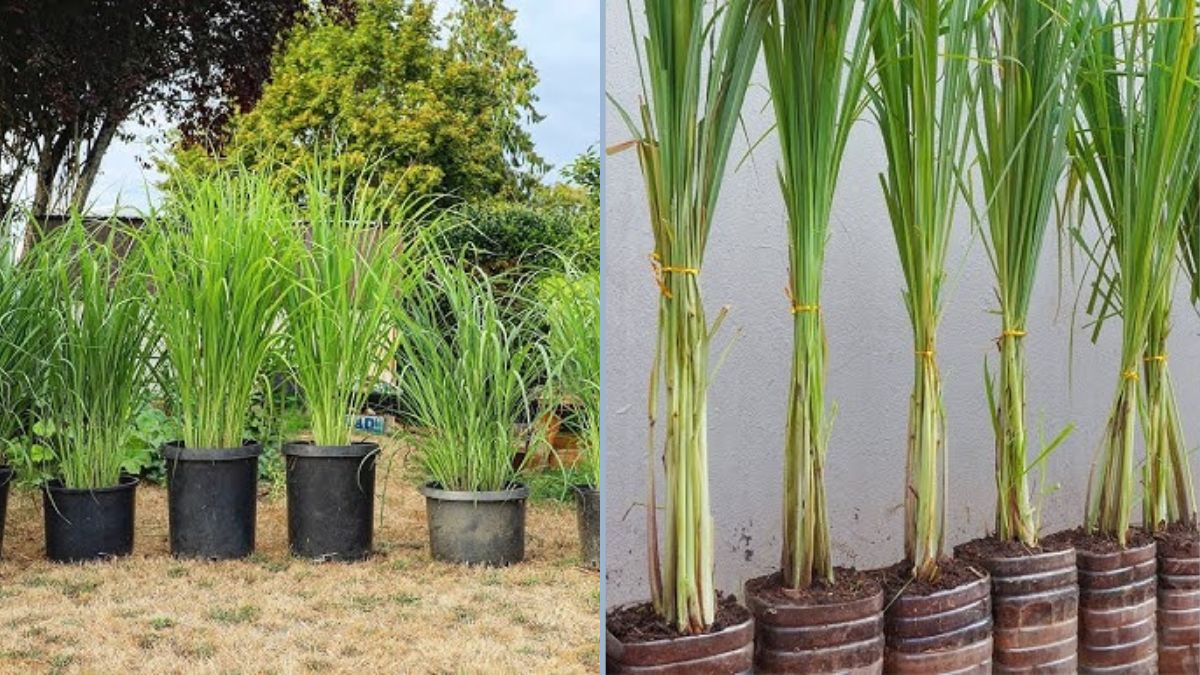
There’s something incredibly satisfying about stepping into your garden, inhaling the refreshing scent of lemongrass, and knowing you’ve grown it yourself. Lemongrass, with its citrusy aroma and countless culinary and medicinal uses, is one of those plants that rewards even the most casual gardener with lush green stalks and an abundance of tubers.
In this post, I’ll walk you through how I grow lemongrass for my family, using simple techniques that anyone can follow. Whether you have a big backyard or just a few pots on your balcony, lemongrass is one of the easiest herbs to cultivate — and once you start, you’ll never need to buy it from the store again.
Why Grow Lemongrass at Home?
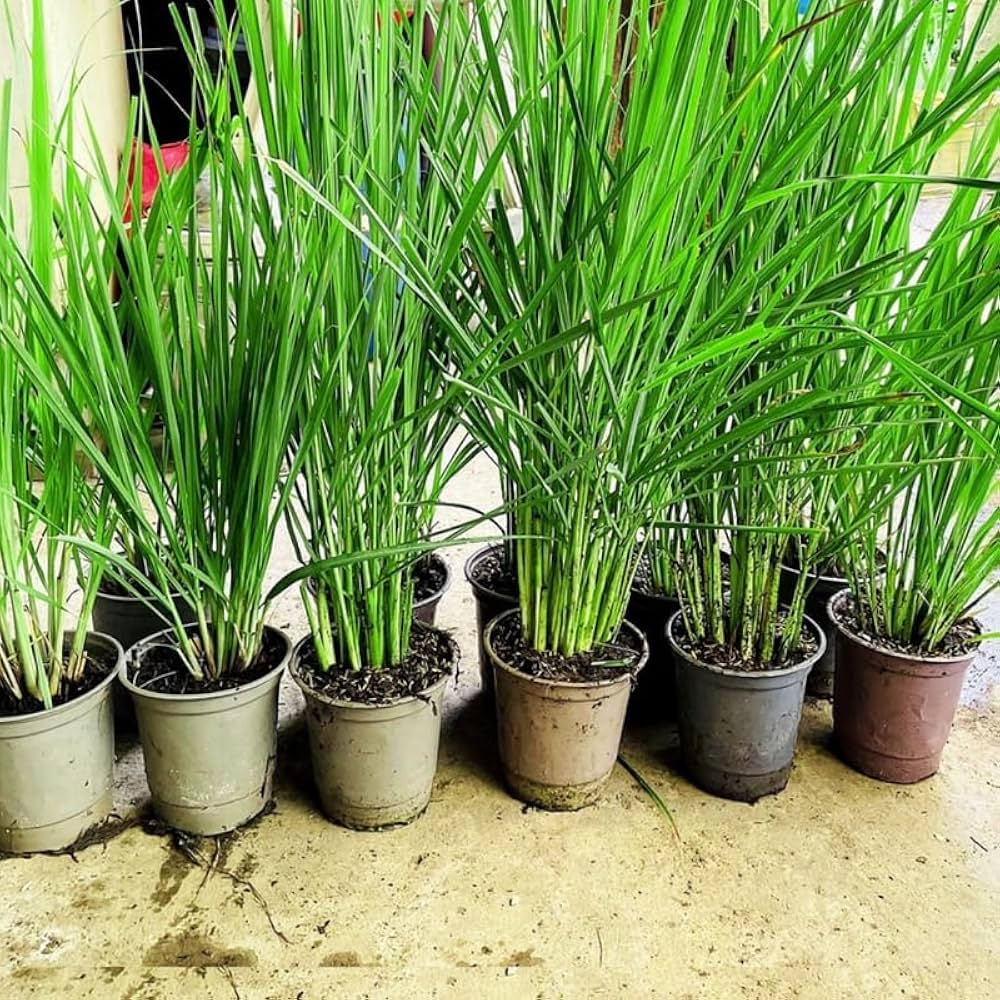
Before diving into the growing process, let’s talk about why lemongrass deserves a spot in your garden.
- Fast-Growing and Hardy – Lemongrass thrives in tropical and subtropical climates, but with the right care, it grows just as well in temperate regions. Once established, it can grow over 3 feet tall within a few months.
- Culinary Delight – Essential in Asian cuisine, lemongrass adds a fresh, lemony flavor to soups, curries, teas, and marinades.
- Health Benefits – Lemongrass tea helps with digestion, relieves stress, and supports immunity thanks to its antibacterial and antioxidant properties.
- Natural Pest Repellent – The strong scent of lemongrass naturally deters mosquitoes and garden pests.
- Self-Sustaining Growth – Once you have a mature plant, you can easily propagate new ones from the base tubers or stalks.
With just a few initial steps, you’ll have a continuous supply of lemongrass all year round.
Step 1: Choosing and Preparing the Lemongrass Stalks

To start growing lemongrass, you’ll need fresh stalks — preferably ones that still have the bulb or root base attached. You can get these from your local market, grocery store, or a friend who already grows them.
Here’s how to prepare them:
- Select Healthy Stalks – Choose firm, green stalks with white bases. Avoid dry or brown ones.
- Soak for Rooting – Place the stalks in a jar of water, ensuring the bulb base is submerged. Keep it in a warm, sunny spot.
- Wait for Roots to Appear – Within 5–7 days, you’ll start seeing small white roots sprouting from the base. After about two weeks, the roots will be long enough for planting.
Tip: Change the water every two days to prevent bacteria from forming.
Step 2: Planting Lemongrass in Soil
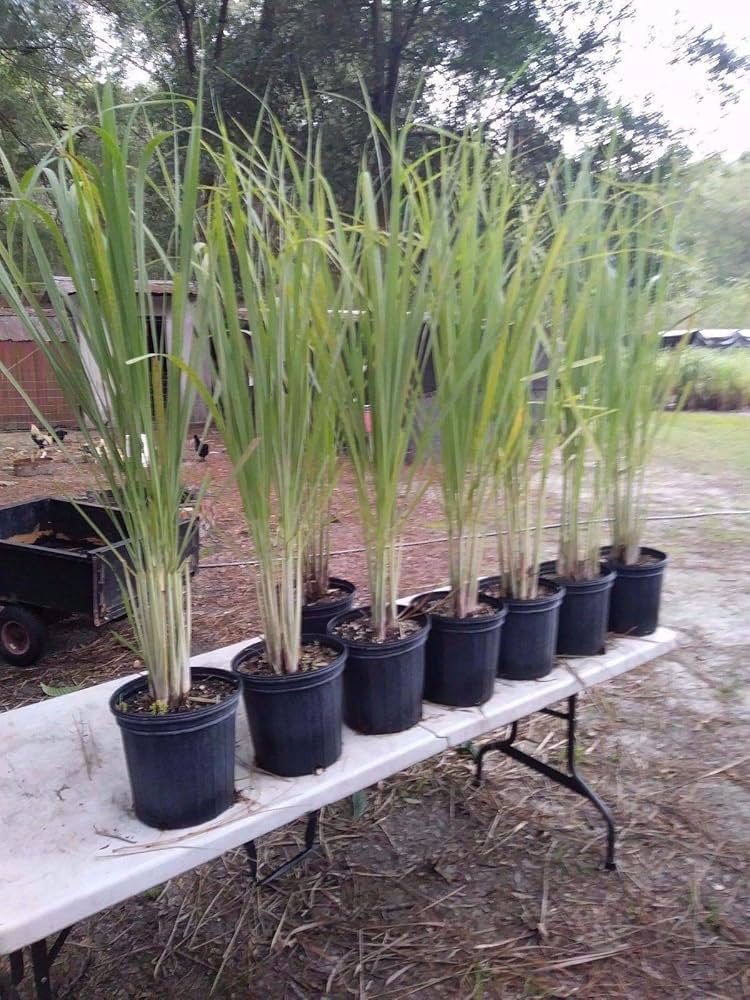
Once your stalks have developed roots, it’s time to plant them in soil. You can grow lemongrass directly in your garden or in large pots if you’re limited on space.
Soil and Location Requirements:
- Soil Type: Well-draining loamy or sandy soil. Lemongrass hates sitting in waterlogged soil.
- Sunlight: Full sun is best — aim for at least 6 hours of sunlight a day.
- Spacing: If you’re planting multiple stalks, leave at least 20–30 cm between each one. Lemongrass grows in dense clumps and needs space to spread.
Planting Steps:
- Dig a small hole about 2–3 inches deep.
- Place the rooted stalk in the hole and cover it with soil, pressing gently to secure it.
- Water thoroughly right after planting.
- Keep the soil moist (but not soggy) during the first few weeks.
Step 3: Watering and Maintenance
Lemongrass loves moisture, especially in warm weather. However, overwatering can cause root rot.
- Watering Schedule: Water every 2–3 days during dry seasons, or whenever the top inch of soil feels dry.
- Mulching: Add a layer of mulch around the base to retain moisture and suppress weeds.
- Fertilizing: Every month, feed your lemongrass with organic compost or a balanced liquid fertilizer to boost growth.
Once the plants establish themselves, you’ll notice how quickly they multiply and form thick, lush clumps.
Step 4: Encouraging Fast Growth and Many Tubers
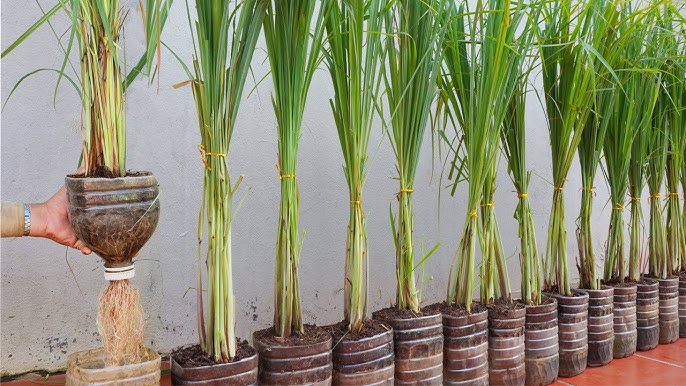
The secret to getting many tubers (bulbs) lies in proper spacing and regular harvesting.
- Divide and Replant: Every 6–8 months, dig up a mature clump, separate the tubers, and replant them. This encourages new shoots and increases your yield.
- Trim Regularly: Don’t let your lemongrass get too tall and woody. Trim the older outer stalks so that the plant focuses its energy on producing new, tender shoots.
- Sun and Soil: Keep your lemongrass in full sun and ensure the soil is nutrient-rich. The more sunlight and organic matter it gets, the more vigorously it will grow.
With these steps, you’ll soon notice that your lemongrass multiplies fast, producing plenty of new bulbs at the base — perfect for replanting or sharing with friends.
Step 5: Harvesting Lemongrass
You can begin harvesting lemongrass about 3 to 4 months after planting, once the stalks are at least 1 cm thick.
How to Harvest:
- Grasp the stalk firmly near the base.
- Tug gently or use a knife to cut it off near the soil line.
- Choose mature outer stalks and leave the younger inner ones to continue growing.
If you need lemongrass leaves (for tea or aromatherapy), simply cut the long leaves from the top of the plant.
Storage Tip: Fresh stalks can be stored in the refrigerator for up to 2 weeks or frozen for several months. You can also dry the leaves and use them to make lemongrass tea anytime.
Bonus: Making Lemongrass Tea at Home
One of the simplest joys of growing your own lemongrass is making fresh tea. Here’s a quick recipe:
Ingredients:
- 2–3 lemongrass stalks (use both the white and green parts)
- 2 cups of water
- Honey or lemon (optional)
Instructions:
- Wash and crush the stalks to release their aroma.
- Boil them in water for 10–15 minutes.
- Strain and serve hot, adding honey or lemon if desired.
This soothing tea is not only delicious but also great for digestion and relaxation.
Step 6: Propagating Lemongrass from Tubers
Once your lemongrass clumps mature, you’ll see plenty of tuber-like bases underground. These are perfect for propagation.
Propagation Steps:
- Dig up a clump carefully using a small shovel.
- Shake off excess soil to reveal the tubers and roots.
- Divide the clump into smaller sections, each with at least one healthy stalk and root system.
- Replant each section in fresh soil and water well.
By doing this regularly, you can maintain a constant supply of young lemongrass plants — ensuring your family never runs out.
Extra Benefit: Natural Insect Repellent
Aside from cooking and tea, lemongrass is an excellent natural insect repellent. Its essential oils contain citronella, which helps keep mosquitoes away.
You can:
- Crush the leaves and rub them on your skin (test first if you’re sensitive).
- Place potted lemongrass near windows or patios to repel insects.
- Make a homemade spray by boiling lemongrass leaves in water and using it around the house.
It’s an eco-friendly and chemical-free way to keep your environment fresh and bug-free.
Troubleshooting Common Lemongrass Problems
Even though lemongrass is low-maintenance, here are a few common issues to watch out for:
- Yellowing Leaves: Usually caused by overwatering or poor drainage. Improve soil drainage and water less frequently.
- Slow Growth: Check if your plant is getting enough sunlight or nutrients. Add compost and ensure full sun exposure.
- Pests: Aphids or mites can occasionally appear. Spray with a mixture of water and mild soap or neem oil to control them.
With a bit of care and observation, your lemongrass will bounce back quickly.
Conclusion: A Family Tradition of Freshness
Growing lemongrass has become more than just a gardening hobby for me — it’s a small act of sustainability and love for my family. Every time I brew a pot of lemongrass tea or add fresh stalks to our soups, I’m reminded of how easy it is to bring nature’s gifts into our daily lives.
With minimal effort, you can cultivate a thriving lemongrass patch that provides fresh herbs, natural fragrance, and health benefits year-round. Plus, it grows so quickly and abundantly that you’ll have plenty to share — a simple, fulfilling way to spread the joy of homegrown goodness.
So go ahead — start with a few stalks, follow these steps, and watch your garden (and kitchen) come alive with the vibrant scent of lemongrass!