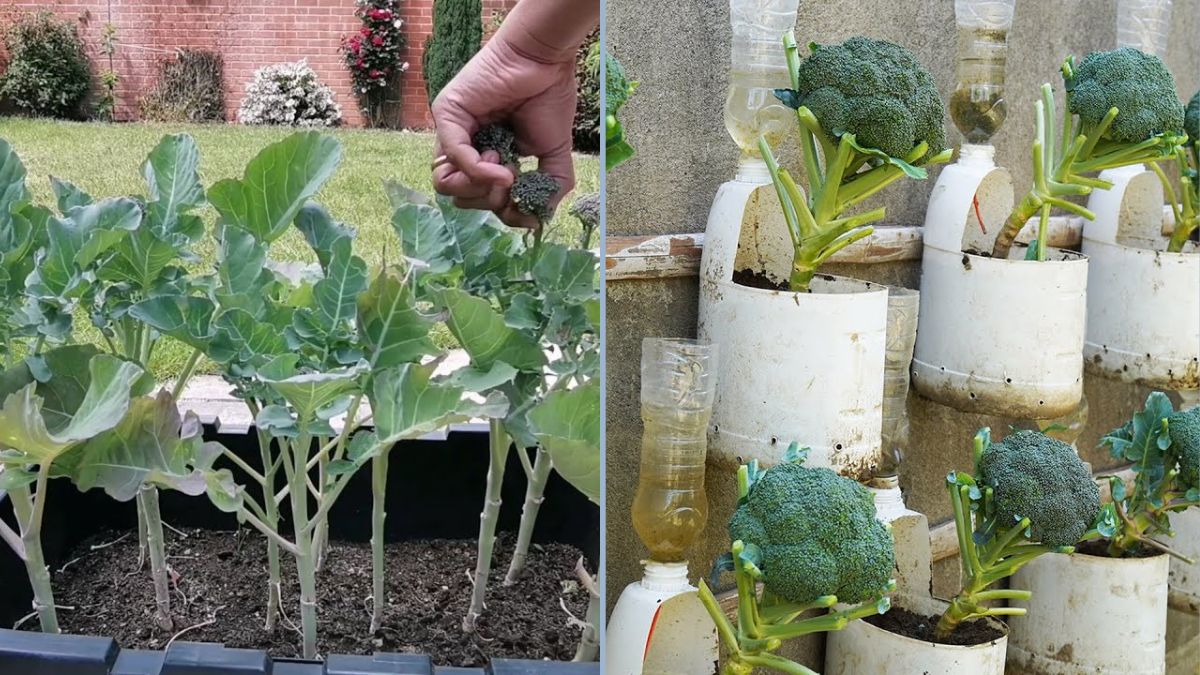
Have you ever wondered if it’s possible to grow broccoli right from the leftover stems you usually throw away? The good news is — yes, you absolutely can! With just a few simple steps, you can turn those broccoli scraps into thriving new plants, saving money and reducing food waste.
In this guide, we’ll walk you through everything you need to know about regrowing broccoli stems at home — from preparing your scraps to transplanting healthy seedlings. Whether you live in an apartment with a balcony or have a full backyard garden, this is a fun, sustainable, and rewarding project for anyone who loves fresh vegetables.
Why Grow Broccoli from Stems?

Broccoli is one of the most nutritious vegetables you can grow — packed with vitamins A, C, K, and plenty of antioxidants. Unfortunately, it’s also one of the pricier vegetables in grocery stores.
But here’s the secret: you don’t need to buy new seeds every time you want to grow broccoli. The thick stem you usually discard can actually be the start of a whole new plant. When treated correctly, these stems can sprout roots and grow into mature broccoli heads again.
By regrowing your broccoli stems, you can:
- Save money on groceries.
- Reduce kitchen waste.
- Enjoy a steady supply of organic produce.
- Experience the joy of home gardening — even in small spaces.
What You’ll Need
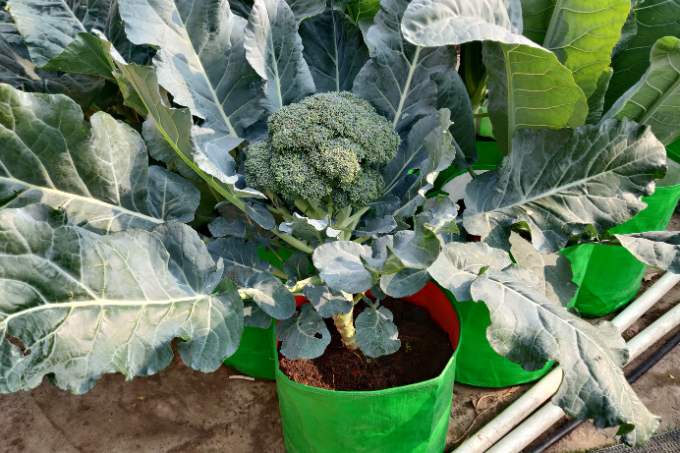
Before we dive into the process, here’s what you’ll need to get started:
Materials:
- Fresh broccoli stems (with about 3–4 inches of stalk remaining)
- A sharp knife or kitchen scissors
- A glass or jar
- Clean water
- Potting soil (or garden soil mixed with compost)
- A small pot or container with drainage holes
- A sunny windowsill or outdoor space with partial sunlight
Optional:
- Rooting hormone (to speed up root development)
- Spray bottle for gentle watering
Step 1: Select and Prepare the Broccoli Stems
Start with fresh broccoli stems — ideally, from organic broccoli if possible. Avoid stems that are soft, slimy, or moldy. The fresher the stem, the better your chances of success.
- Cut off the broccoli head and leaves, leaving about 3–4 inches of the main stem.
- Trim the bottom of the stem cleanly at a 45-degree angle using a sharp knife. This creates more surface area for roots to grow.
- Remove any side shoots or small leaves near the bottom.
Pro tip: Choose stems that are firm and green. Pale or woody stems are less likely to regrow.
Step 2: Rooting the Stem in Water

This is the magical step that gets things started.
- Fill a glass or jar with clean, room-temperature water — about halfway full.
- Place the stem into the jar, ensuring that only the bottom 1–2 inches are submerged.
- Set the jar on a sunny windowsill or any place with indirect light.
- Change the water every 1–2 days to prevent mold and bacteria.
Within about 7–10 days, you should start seeing tiny white roots forming at the base of the stem. Don’t worry if it takes a little longer — temperature and light conditions can affect the rooting time.
If you’d like to speed up the process, you can dip the bottom of the stem in rooting hormone before placing it in water. This isn’t necessary, but it can help if your home is cooler or has less sunlight.
Step 3: Transplanting into Soil
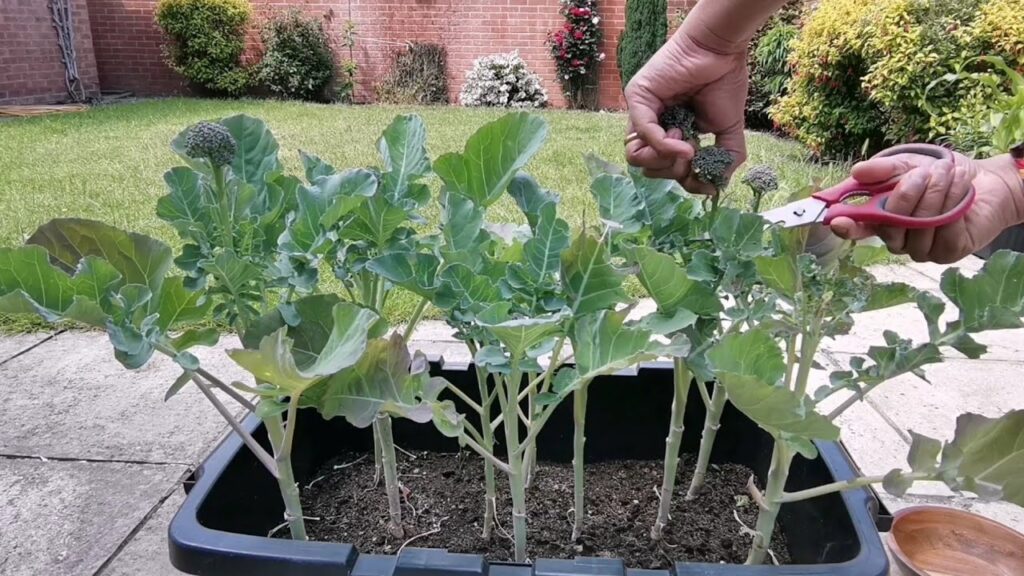
Once the roots are about 1–2 inches long, your broccoli cutting is ready to move into soil.
- Fill a small pot or container with moist potting soil or compost-rich garden soil.
- Use your finger to make a small hole in the center — deep enough to cover the root section.
- Gently place the rooted stem into the hole and cover with soil, patting it lightly around the base.
- Water lightly to help the soil settle around the roots.
Make sure your container has good drainage holes, as broccoli dislikes soggy soil. You can also transplant the young plant directly into your garden bed if the weather is mild and soil temperatures are above 50°F (10°C).
Step 4: Provide the Right Growing Conditions

Broccoli thrives in cool weather, making it ideal for early spring or fall planting.
Here’s what your regrown broccoli needs to flourish:
- Sunlight: 6–8 hours of direct or partial sunlight daily.
- Soil: Rich, loamy, and slightly acidic (pH 6.0–7.0).
- Water: Keep the soil consistently moist but not waterlogged.
- Temperature: Ideal range is 60–70°F (15–21°C).
If you’re growing indoors, place the pot near a bright window. You can also use a grow light if natural sunlight is limited.
Step 5: Care and Maintenance
After a few weeks, your broccoli plant will start to grow new leaves and shoots. With proper care, it will soon develop into a sturdy, green plant capable of producing a new broccoli head.
Here are some tips to keep it healthy:
- Fertilize every 2–3 weeks with a balanced, organic fertilizer or compost tea.
- Pinch off yellowing leaves to keep the plant looking neat and healthy.
- Check for pests like aphids or cabbage worms; you can deter them naturally with neem oil spray or a mixture of soap and water.
- Mulch around the base to retain moisture and suppress weeds.
Step 6: Harvesting Your Homegrown Broccoli
In about 60–90 days, your regrown broccoli should be ready to harvest. You’ll notice a tight cluster of green buds forming at the top — this is the new broccoli head!
When the head is fully formed but before the buds begin to flower, use a sharp knife to cut the main head about 5–6 inches down the stem.
The best part? After cutting the main head, the plant often produces side shoots, giving you smaller broccoli heads over the next few weeks. This means you’ll get multiple harvests from a single stem!
Bonus Tip: Regrow Again and Again!
Here’s the truly sustainable part — even after harvesting, you can repeat the process. Simply save a few healthy stems from your harvested broccoli, and start the rooting process again in water.
Each cycle won’t produce as large a yield as the first, but it’s a great way to keep your garden productive with minimal effort.
The Eco-Friendly Benefits of Regrowing Broccoli
Regrowing vegetables from scraps is one of the simplest ways to practice sustainability at home. It’s a small habit that can make a big impact on the environment.
When you regrow your broccoli:
- You reduce food waste that would otherwise end up in landfills.
- You minimize packaging and transportation emissions from store-bought produce.
- You cultivate a deeper connection with your food and where it comes from.
Plus, it’s a great educational activity for kids — teaching them about plant biology, patience, and environmental responsibility.
Troubleshooting Common Problems
If your broccoli stem isn’t rooting or growing properly, don’t worry! Here are some quick fixes:
| Problem | Possible Cause | Solution |
|---|---|---|
| Stem rots in water | Water not changed often | Replace water every 1–2 days |
| No roots forming | Not enough light | Move to a sunnier location |
| Leaves turning yellow | Overwatering or nutrient deficiency | Let soil dry slightly between watering; add compost |
| Slow growth | Cold temperatures | Keep plant in 60–70°F environment |
Final Thoughts
Growing broccoli stems at home is proof that you don’t need to be a gardening expert to grow your own food. With just a little care and patience, anyone — even a beginner — can turn kitchen scraps into nutritious, homegrown produce.
So next time you’re chopping broccoli for dinner, don’t toss those stems! Instead, give them a second life. You’ll not only save money but also enjoy the satisfaction of watching something you once considered “waste” flourish into a beautiful, edible plant.