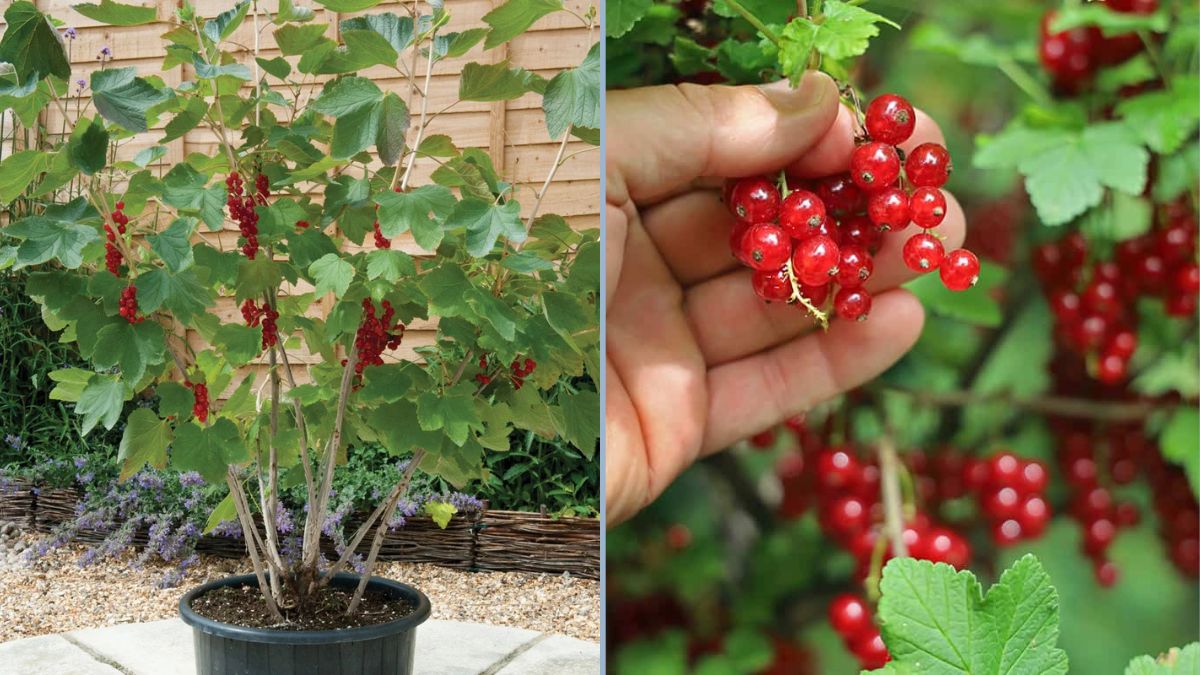
Red currants (Ribes rubrum) are one of the most delightful and underrated fruits you can grow in your garden or even on your patio. With their clusters of jewel-like berries hanging from elegant stems, red currants not only add beauty to your outdoor space but also provide an abundance of sweet-tart fruit packed with nutrition. Best of all, they’re surprisingly easy to grow and care for, making them a perfect choice for beginners and experienced gardeners alike.
In this guide, we’ll explore everything you need to know about growing red currants — from planting and soil preparation to harvesting and using your berries in delicious plant-based recipes.
1. Why Grow Red Currants?
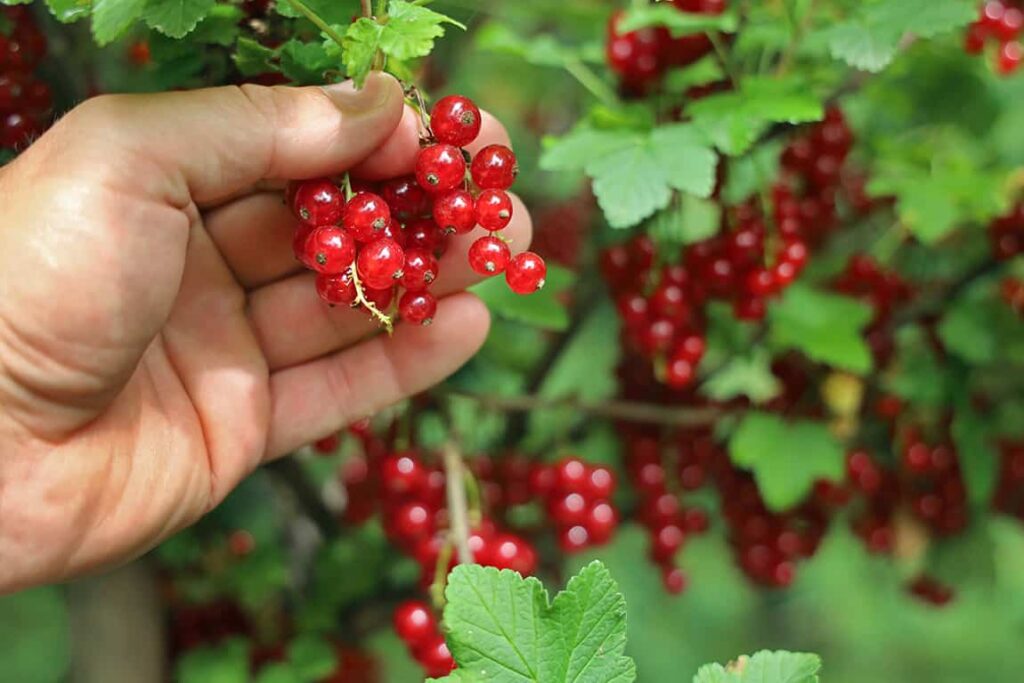
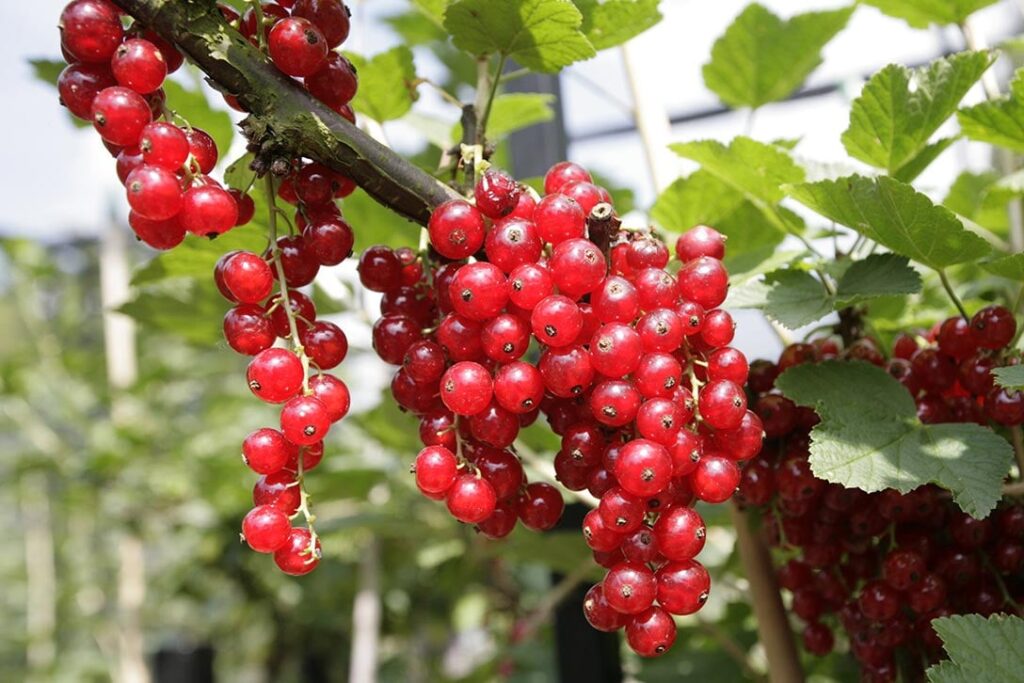
Red currants are small, glossy berries known for their vibrant ruby-red color and refreshing tart flavor. Native to parts of Europe and Asia, these fruits have long been prized for their culinary and medicinal uses. Unlike many fruit bushes, red currants are hardy, low-maintenance, and well-suited to temperate climates.
Here’s why red currants deserve a place in your garden:
- Easy to grow: They adapt well to most soils and require minimal pruning or fertilizing.
- Highly productive: A single mature bush can yield up to 10 pounds of fruit annually.
- Cold hardy: Red currants thrive even in cooler regions.
- Decorative: Their bright berries and lush green foliage enhance garden aesthetics.
- Nutrient-rich: Packed with vitamin C, antioxidants, and fiber, red currants are a healthy addition to your diet.
Whether you want to make homemade jams, jellies, sauces, or enjoy them fresh, red currants offer endless possibilities.
2. Choosing the Right Variety
Before planting, it’s important to select a variety that suits your climate and space. Here are some popular and reliable types:
- ‘Jonkheer van Tets’ – Early-ripening variety with sweet-tart berries and high yields.
- ‘Red Lake’ – Mid-season variety known for its large, juicy fruit.
- ‘Rovada’ – Late-ripening and disease-resistant, producing long trusses of berries.
- ‘London Market’ – A traditional English variety with strong flavor and good productivity.
- ‘Perfection’ – Excellent for cooler climates, with bright red berries and a balanced taste.
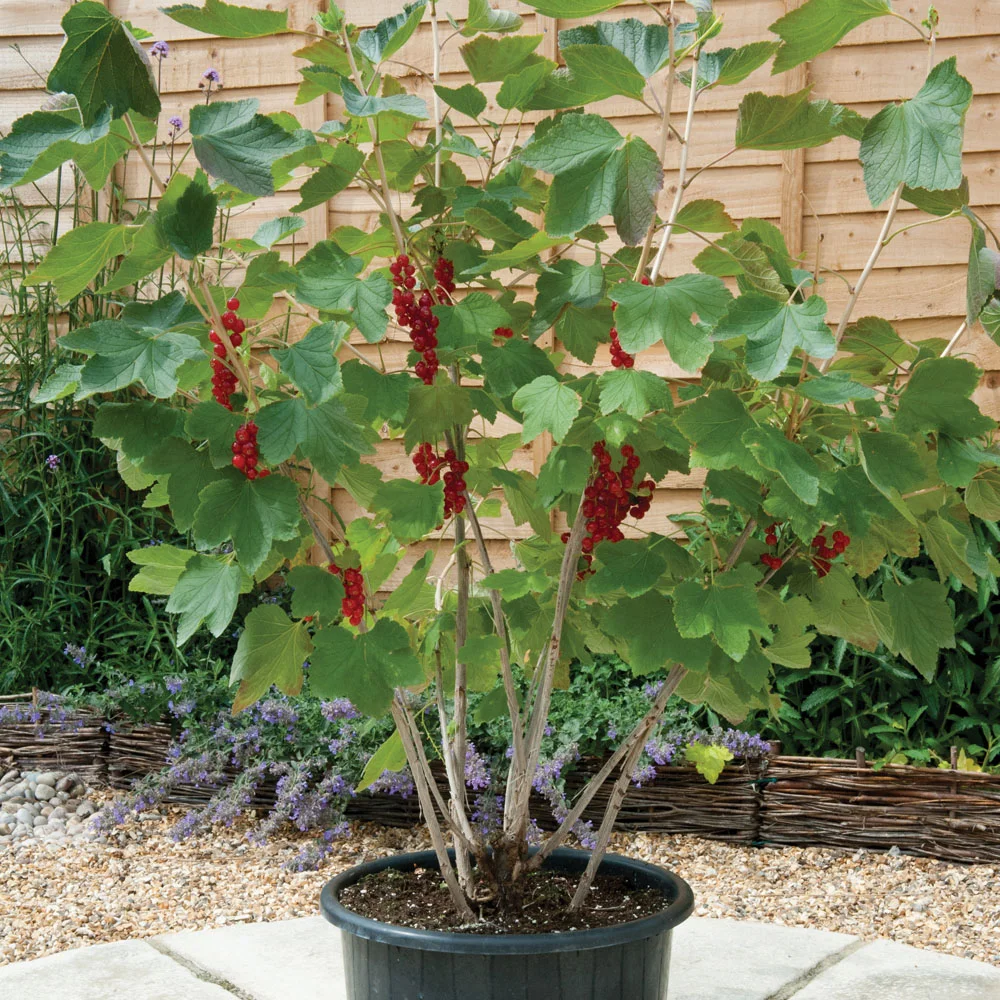
If space is limited, you can even grow compact or dwarf varieties in containers.
3. Best Conditions for Growing Red Currants
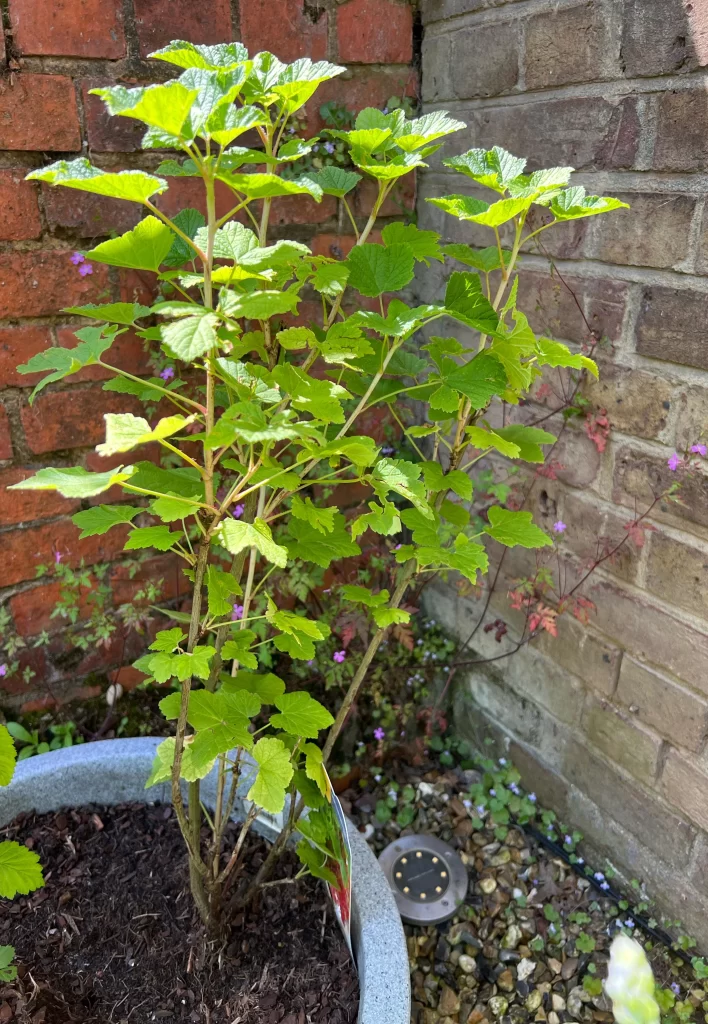
Red currants are resilient, but they perform best when planted in the right environment.
- Sunlight: Full sun to partial shade. In very hot regions, partial shade helps prevent leaf scorch.
- Soil Type: Well-draining, fertile loam or sandy loam soil is ideal.
- pH Level: Slightly acidic to neutral soil (pH 6.0–6.5).
- Moisture: Currants prefer consistent moisture; avoid waterlogging or letting the soil dry completely.
To check if your soil is suitable, perform a simple pH test. If the soil is too alkaline, add organic compost or sulfur to balance acidity.
4. How to Plant Red Currants
You can plant red currants as bare-root plants (in late fall to early spring) or as potted plants (in spring or early autumn).
Step 1: Site Preparation
Choose a sheltered spot that receives 5–6 hours of sunlight daily. Avoid areas prone to frost pockets or strong winds.
Step 2: Soil Preparation
Dig a hole about 45 cm (18 inches) wide and 40 cm (16 inches) deep. Mix in organic matter such as compost or well-rotted manure to enrich the soil. Good drainage is essential, so loosen the base of the hole.
Step 3: Planting
- Position the plant slightly deeper than it grew in the nursery — about 5 cm (2 inches) deeper.
- This encourages new shoots to develop from below the soil, forming a strong, bushy plant.
- Space multiple bushes 1.2–1.5 meters (4–5 feet) apart.
- Water thoroughly after planting and apply mulch to retain moisture.
If you’re planting in containers, choose a large pot (at least 18 inches wide) and use a rich, loam-based compost mix.
5. Watering and Feeding
Once established, red currants are fairly drought-tolerant but will produce better fruit with regular watering.
- Watering: Keep the soil evenly moist, especially during flowering and fruiting. Avoid soaking the roots.
- Mulching: Apply a 5–8 cm (2–3 inch) layer of organic mulch — such as straw, bark, or compost — around the base to prevent weeds and retain moisture.
- Feeding:
- In early spring, apply a balanced organic fertilizer (10-10-10 or similar).
- After harvest, top-dress with compost or seaweed feed to replenish nutrients.
Avoid excessive nitrogen, as it promotes leafy growth over fruit production.
6. Pruning and Training
Red currants are naturally bushy and productive, but pruning helps maintain shape, improves air circulation, and increases yields.
Year 1 (After Planting)
- In winter, cut all stems back to about 10 cm (4 inches) from the ground to encourage strong new shoots.
Year 2 and Beyond
- Each winter, remove old stems (more than 3 years old) as they produce fewer fruits.
- Keep around 8–10 healthy stems per bush.
- Prune side shoots back to 2–3 buds to encourage fruiting spurs.
For small spaces, red currants can also be trained as fans or cordons against walls or fences.
7. Common Pests and Diseases
Red currants are relatively easy to care for, but occasional pests and diseases may appear.
Common Issues:
- Aphids: Cause curling or distorted leaves. Use neem oil or insecticidal soap.
- Currant Sawfly: Strips leaves quickly. Check undersides of leaves and remove larvae by hand or use organic spray.
- Powdery Mildew: Appears as a white powdery coating. Improve airflow and water at the base, not overhead.
- Birds: Birds love red currants! Protect your bushes with garden netting once berries start ripening.
Regular pruning, mulching, and healthy soil help prevent most problems naturally.
8. Flowering and Pollination
Red currant bushes bloom in spring, producing small greenish-yellow flowers in clusters. They are self-fertile, meaning you only need one plant for fruiting. However, planting two or more bushes improves cross-pollination and increases yields.
Encourage pollinators like bees by planting lavender, borage, or clover nearby — these attract beneficial insects that help your red currant plants thrive.
9. Harvesting Red Currants
Red currants typically ripen in mid to late summer, depending on the variety and climate. The berries grow in long strands (known as “strigs”) and should be harvested when they are bright red, plump, and slightly soft to touch.
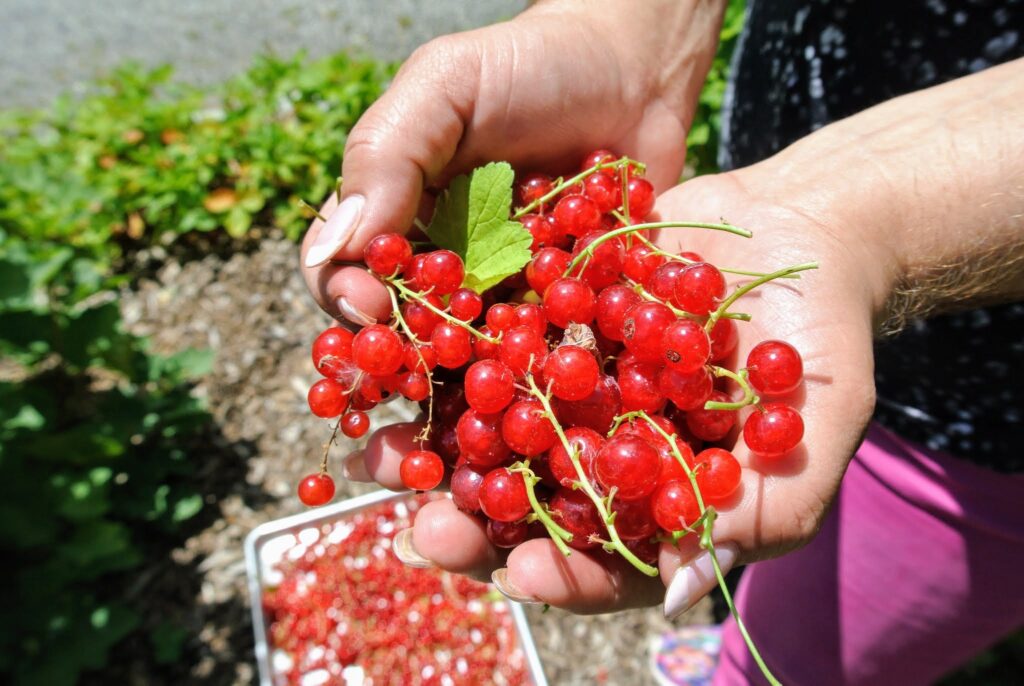
- Use both hands — one to hold the stem and the other to gently strip the berries off.
- Pick the entire cluster instead of individual berries to avoid damaging the plant.
- Harvest in the morning or on cool, dry days for best flavor.
Freshly picked red currants can be refrigerated for up to a week or frozen for longer storage.
10. How to Use Red Currants
Red currants are incredibly versatile in the kitchen. Their tart flavor pairs perfectly with sweet dishes and savory meals alike. Here are some plant-based ways to enjoy your harvest:
- Red Currant Jam or Jelly: A classic, rich in flavor and easy to make.
- Smoothies: Blend fresh or frozen currants with banana, yogurt, and plant milk.
- Fruit Compote: Cook red currants with a touch of maple syrup and lemon juice for a delicious dessert topping.
- Currant Sauce: Great for drizzling over pancakes, waffles, or vegan cheesecakes.
- Salads: Add fresh red currants to green salads for a tangy burst.
- Baking: Use in muffins, pies, and tarts for natural sweetness and color.
Their vibrant color and tangy taste make them a healthy, eye-catching addition to any dish.
11. Overwintering and Long-Term Care
Red currants are cold-hardy and can tolerate freezing temperatures. In colder climates, you can take simple precautions to protect them during winter:
- Add a thick layer of mulch around the base to insulate the roots.
- If growing in containers, move the pots to a sheltered spot or wrap them in burlap or bubble wrap.
- Avoid pruning heavily before severe frost — wait until late winter or early spring.
With minimal care, red currant bushes can remain productive for 10 to 15 years or longer.
12. The Health Benefits of Red Currants
Beyond their beauty and taste, red currants are nutritional powerhouses. They are:
- Rich in Vitamin C – Boosts immunity and skin health.
- High in Antioxidants – Helps combat free radicals and supports heart health.
- Good Source of Fiber – Aids digestion and supports gut health.
- Low in Calories – A guilt-free treat for healthy snacking.
Incorporating red currants into your diet supports overall well-being and adds a burst of flavor to your meals.
Conclusion
Red currants truly live up to their reputation: delicious, beautiful, and easy to care for. Whether you have a spacious garden or a small patio, these resilient berry bushes can thrive with just a bit of attention and love.
From planting and pruning to harvesting gleaming clusters of fruit, growing red currants is a satisfying experience for any gardener. Their tangy sweetness and vibrant color make them a joy to cook with — and their minimal maintenance makes them ideal for busy lifestyles.
So, if you’re looking for a fruit that rewards you with beauty, flavor, and nutrition year after year, the red currant is your perfect garden companion. Once you plant one, you’ll wonder how your garden ever felt complete without it.