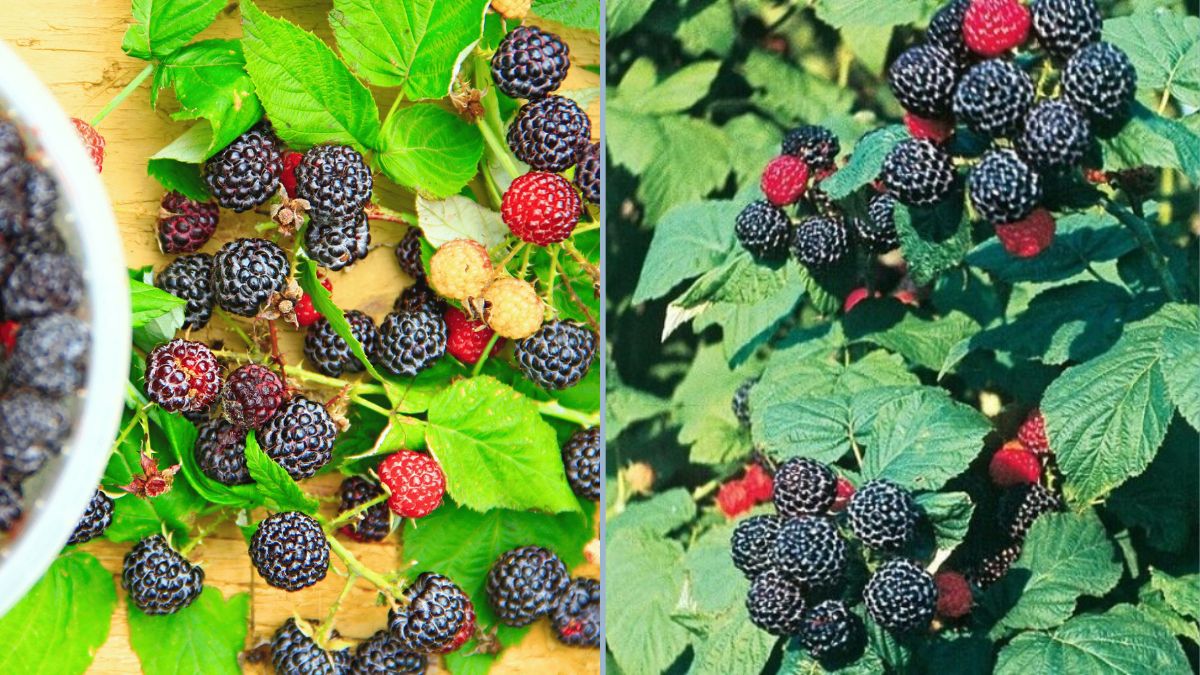
There’s something truly magical about harvesting berries from your own garden—the sun-warmed fullness of taste, the gentle pop of rich fruit in your mouth, and that sense of connection to nature’s rhythms. Among the many berry plants that delight home gardeners, the eastern black raspberry (Rubus occidentalis) stands out as a perennial favorite—both for its luscious dark fruit and its reliable, low-maintenance nature.
In this post, we’ll explore how to grow black raspberries successfully: why they’re worth growing, how they behave, and what steps will help you cultivate them for year-after-year harvests.
Why Grow Black Raspberries?
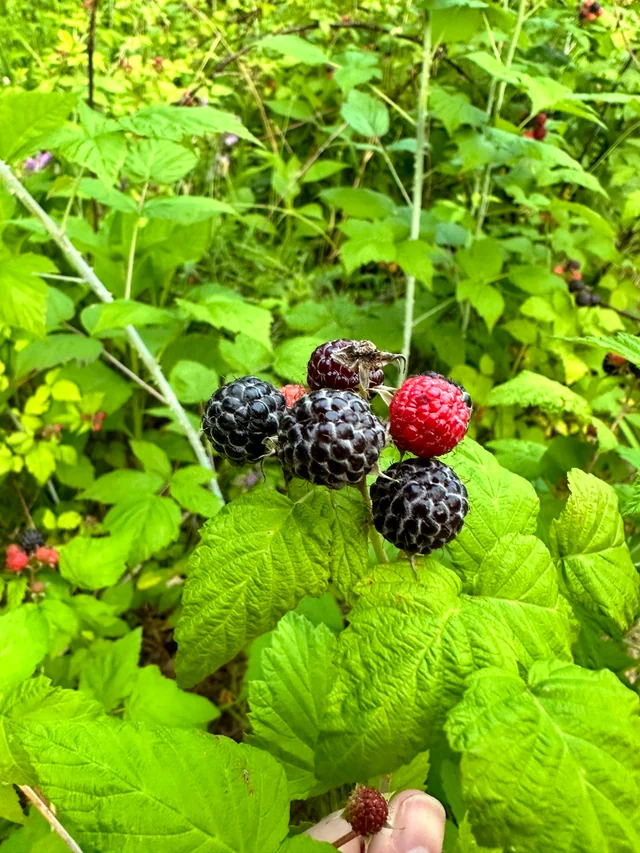
Black raspberries are more than just another berry. These plants offer multiple benefits and unique features:
- Native resilience: Black raspberries are native to eastern North America and are naturally adapted to a wide range of conditions. They also support local pollinators and wildlife.
- Distinctive flavor: Their taste is deeper, richer, and more complex than the common red raspberry—sweet, tart, and slightly earthy all at once.
- Perennial nature: The root system lives for many years, while canes grow, fruit, and renew themselves in a continuous cycle.
- Low maintenance: Once established, they’re hardy and forgiving—an excellent choice for permaculture or organic gardens.
- Aesthetic appeal: With their arching canes, white spring blossoms, and dusky fruit, black raspberries bring visual and seasonal beauty to the landscape.
If you’re seeking a berry plant that combines flavor, resilience, and reliability, black raspberries hit a sweet spot.
Understanding How They Grow
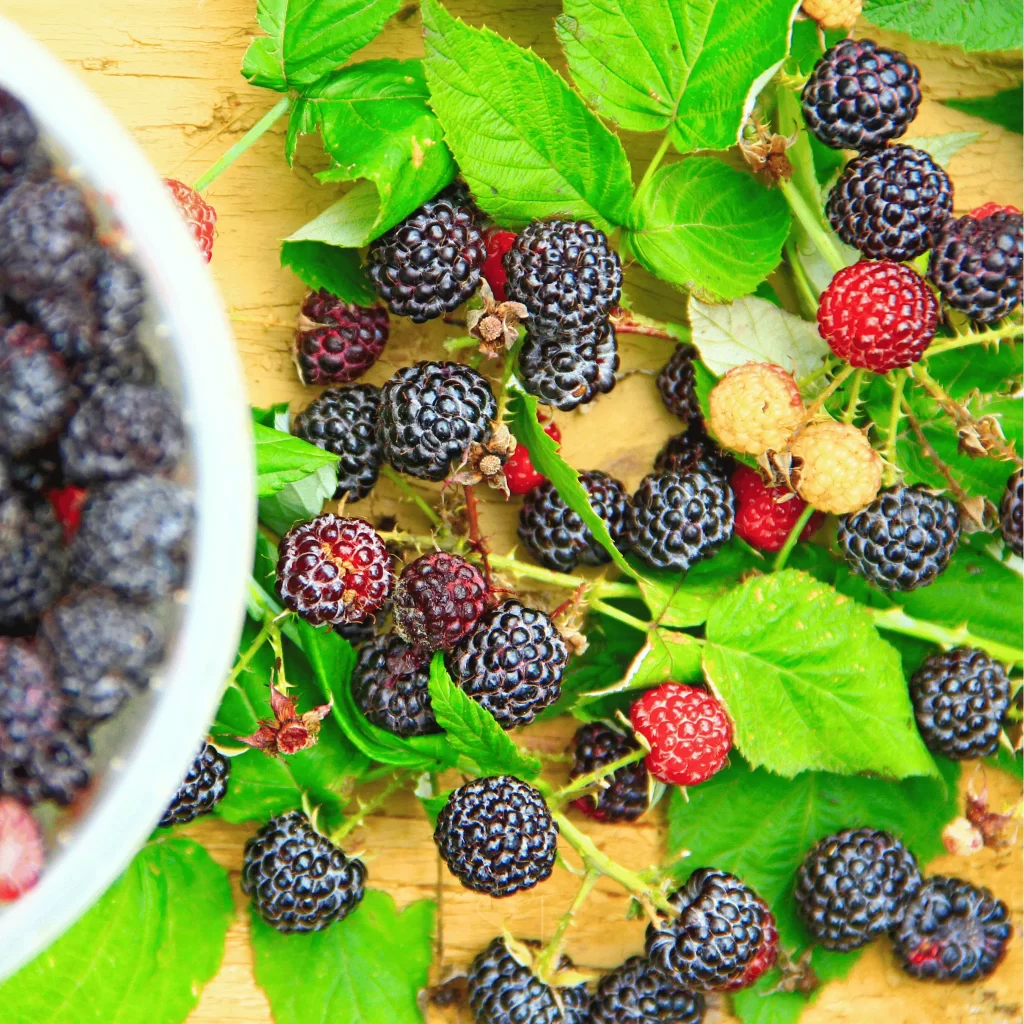
Before you plant, it helps to understand how black raspberries behave so you can guide their growth rather than fight it.
Growth Habit and Lifecycle
Rubus occidentalis grows as a multi-stemmed shrub. Each cane lives for two years:
- First year: The cane grows vegetatively, focusing on leaves and stems.
- Second year: It produces flowers and fruit, then dies back.
Meanwhile, new canes arise from the plant’s perennial root system. This cycle continues year after year, keeping your patch productive.
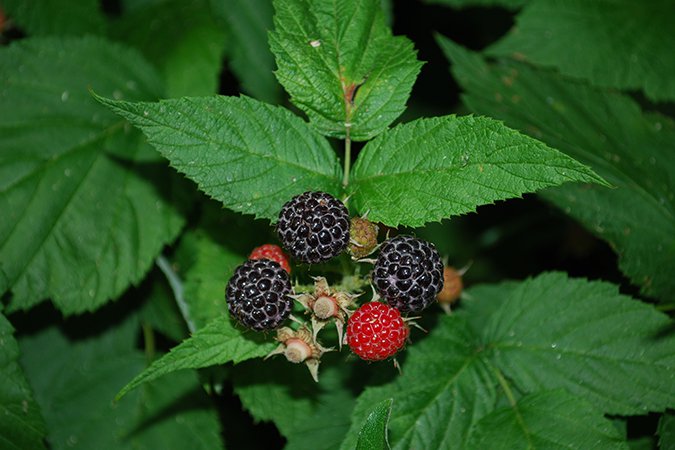
The canes often arch and bend; when tips touch the soil, they may root—allowing the plant to spread naturally. The leaves are compound with three to five leaflets, their undersides a pale whitish green that helps identify the species.
Site and Soil Preferences
Black raspberries prefer full sun but tolerate partial shade. The soil should be:
- Well-drained and rich in organic matter
- Slightly acidic to neutral (pH 5.5–6.8)
- Moist but never waterlogged
They dislike soggy or compacted soil. If your soil tends to hold water, consider raised beds or improve drainage with compost and coarse organic material.
Hardiness zones generally range from 3 to 8, depending on local climate.
Planting and Care: Step-by-Step Guide
1. Choose the Right Location
Select a sunny site that gets at least six hours of direct light daily. Provide ample space—about 4 feet between plants and 8–10 feet between rows.
Good air circulation helps prevent fungal diseases, so avoid crowding.
It’s also best not to plant near wild raspberries or blackberries, which may carry diseases like mosaic virus or anthracnose.
2. Planting Time and Method
- Plant bare-root or potted plants in early spring, once the soil can be worked.
- Dig a hole large enough to spread the roots comfortably.
- Set the crown about 1 inch below soil level, backfill gently, and water thoroughly.
- Add compost or aged manure to enrich the planting area.
Mulching after planting helps retain moisture and control weeds.
3. Training and Support
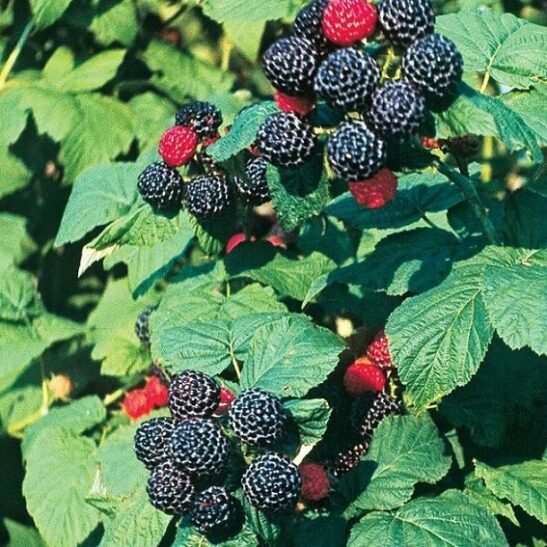
Black raspberries benefit from a support system to keep canes upright and accessible. You can use:
- A two-wire trellis, with wires stretched horizontally at about 3 and 5 feet above the ground.
- Sturdy posts at each end of the row to hold the wires taut.
Training canes onto the wires improves sunlight exposure, air circulation, and ease of harvest.
4. Watering and Mulching
Keep the soil consistently moist, especially during flowering and fruiting. Avoid overhead watering, which can promote leaf disease.
Mulch with straw, shredded leaves, or compost to conserve moisture, regulate soil temperature, and suppress weeds. Reapply mulch each spring to refresh the layer.
5. Pruning and Maintenance
Pruning is key to keeping your black raspberry patch productive and tidy.
- During the growing season (summer):
When new first-year canes reach about 30 inches tall, pinch or cut off the tips. This encourages branching and more fruiting sites the following year. - After harvest (late summer or fall):
Cut all second-year (spent) canes at ground level—they won’t fruit again. Remove any weak, spindly, or diseased canes. - In early spring:
Thin to leave about three to five strong canes per foot of row. This maintains healthy airflow and strong fruiting.
Regular pruning reduces disease pressure, encourages bigger fruit, and prevents the thicket from becoming unmanageable.
6. Fertilizing and Soil Care
Good soil preparation usually eliminates the need for heavy fertilizing. Still, you can top-dress each spring with compost, aged manure, or a balanced organic fertilizer (around 10-10-10).
Avoid over-fertilizing—too much nitrogen encourages leafy growth rather than fruit production.
Maintaining soil health through organic matter additions and mulch will keep plants vigorous for years.
Harvesting and Using Your Berries
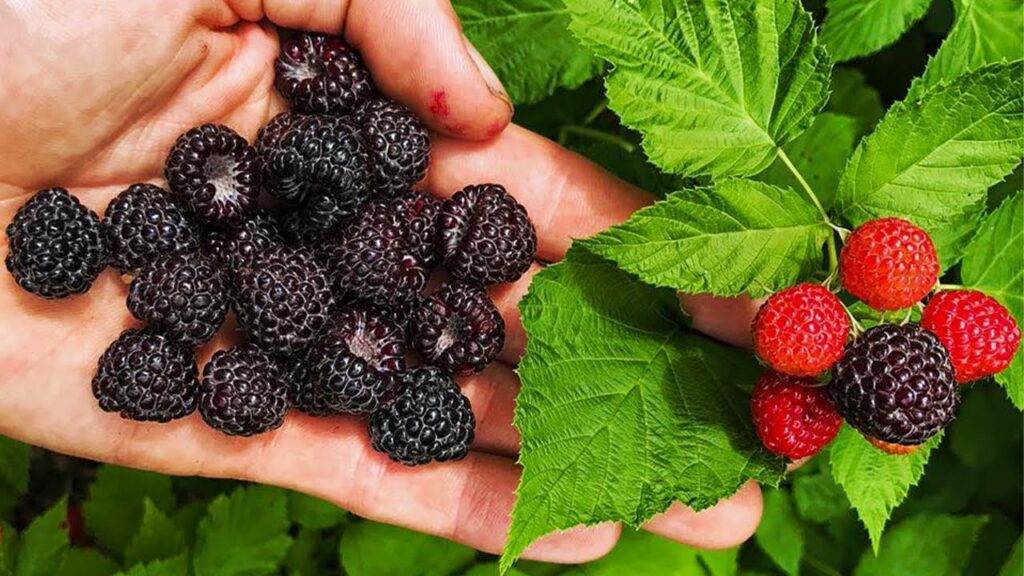
Black raspberries ripen from late June through July, depending on climate. When the berries turn deep purple-black and pull easily from the receptacle, they’re ready to harvest.
Pick gently to avoid crushing the fruit. Harvest every few days as berries ripen in clusters.
Enjoy them fresh, or use them in jams, jellies, syrups, pies, or even homemade wine. They also freeze beautifully—spread them in a single layer on a baking sheet before bagging to prevent clumping.
Their flavor—richer and more complex than red raspberries—makes them perfect for desserts, sauces, and smoothies.
Challenges and Tips for Success
Even though black raspberries are forgiving, some common challenges can affect their growth. Here’s how to stay ahead:
- Avoid wet soil: Poor drainage leads to root rot. Raised beds or well-amended soil prevent this.
- Prune diligently: Neglected canes crowd and tangle, reducing airflow and fruit production.
- Watch for spread: Plants can propagate by tip-layering, which is great for expansion but can overwhelm small gardens if unmanaged.
- Encourage airflow: Proper spacing and pruning keep diseases like anthracnose and cane blight at bay.
- Choose strong varieties: Cultivars such as ‘Jewel’ or ‘Black Hawk’ are known for superior flavor and disease resistance.
- Winter care: In colder climates, apply mulch at the base to protect roots from freezing temperatures.
Why They’re a Perennial Favorite
Black raspberries have earned their reputation as a long-term garden treasure for several reasons:
- Reliable perennial performance: Once established, they return every year with minimal effort.
- Unique flavor: Their deep, wine-like taste makes them stand out among berries.
- Wildlife benefits: Birds, bees, and pollinators love them, supporting a healthier ecosystem.
- Landscape value: Their arching canes, blossoms, and fruit add ornamental interest.
- Low input, high reward: With just annual pruning and occasional feeding, they provide abundant harvests.
Final Thoughts
Growing Rubus occidentalis—the black raspberry—is one of the most rewarding experiences in home gardening. Once you understand their natural rhythm, they’ll thrive with minimal intervention.
Give them sunlight, well-drained soil, and a little yearly attention, and they’ll reward you for decades with bowls of deep-colored, nutrient-rich fruit.
Whether you’re starting your first berry patch or adding to an existing garden, black raspberries are a choice that blends beauty, utility, and perennial abundance.
Happy planting—and may your black raspberries become a beloved part of your garden’s rhythm year after year.